

How to Make Custom Rash Guards: Ultimate DIY Guide for Beginners
Are you ready to create your very own custom rash guards that fit your style and needs perfectly? Whether you want to stand out at the beach, represent your team, or protect your skin during water sports, making custom rash guards lets you take full control.
Imagine wearing gear designed just for you, with colors, patterns, and logos that match your personality. In this guide, you’ll discover simple steps to design and make rash guards that look great and perform even better. Keep reading, and you’ll learn how to turn your ideas into high-quality, comfortable rash guards you’ll love to wear.

Credit: www.xmartial.com
Materials Needed
Making custom rash guards requires specific materials. Choosing the right supplies helps create a comfortable and durable garment. Knowing what you need makes the process smooth and enjoyable.
Fabric Selection
Pick fabrics that are stretchy and quick-drying. Polyester and spandex blends work best for rash guards. These fabrics offer flexibility and protect against UV rays. Look for materials with good breathability to stay cool.
Essential Tools
Gather sharp fabric scissors to cut your materials neatly. Use a sewing machine with a stretch stitch option for strong seams. Pins or fabric clips help hold pieces in place while sewing. A measuring tape ensures accurate sizing for your rash guard.
Thread And Accessories
Choose polyester thread for its strength and stretch. Avoid cotton thread, as it can break easily. Consider adding flatlock tape for smooth seams that won’t irritate skin. Zippers or elastic bands may be useful for custom fits and ease of wearing.
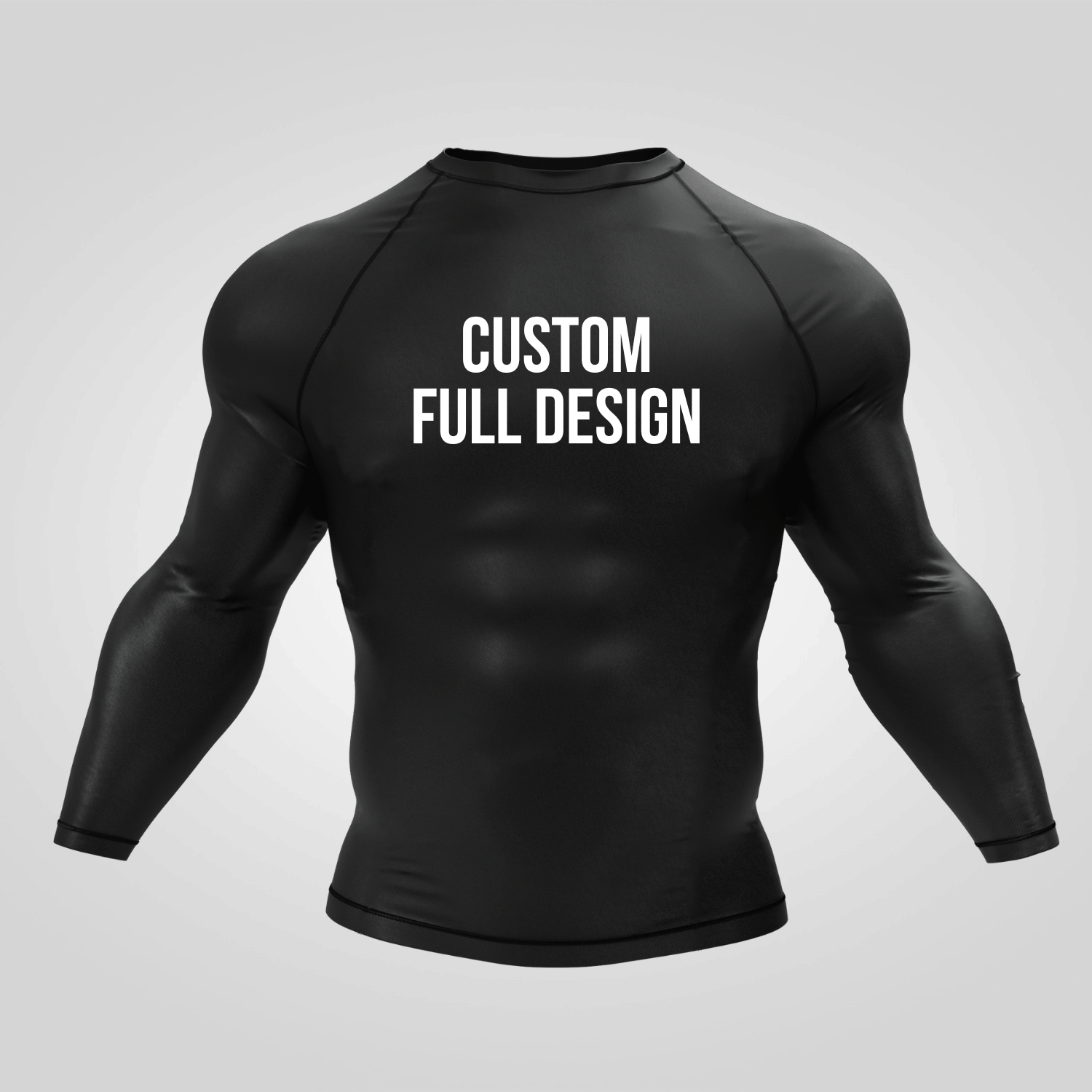
Credit: www.xmartial.com
Choosing The Right Fabric
Choosing the right fabric is key to making a great custom rash guard. The fabric affects comfort, fit, and how long the rash guard lasts. Picking the best material helps you stay cool and protected during water activities.
Types Of Rash Guard Fabrics
Rash guards use mainly polyester and nylon blends. Polyester dries fast and resists fading from the sun. Nylon feels soft and stretches well but may hold water longer. Some fabrics mix polyester and spandex for extra stretch and comfort. Pick a fabric that suits your activity and climate.
Breathability And Stretch
Breathable fabrics let air flow, keeping skin cool and dry. Stretch is important for ease of movement. Look for fabrics with spandex or elastane for good stretch. A rash guard that moves with you feels better and prevents chafing.
Durability Factors
Durability matters for long-lasting rash guards. Strong stitching and thick fabric resist wear and tear. Polyester resists UV damage and holds color well. Nylon is tough but may fade faster. Choose fabrics that stand up to saltwater and sun exposure.
Taking Accurate Measurements
Taking accurate measurements is the first step to making a custom rash guard. It ensures the garment fits well and feels comfortable. Precise measurements prevent issues like tightness or looseness during wear. This section guides you through the key measurements needed for a perfect fit.
Measuring Chest And Waist
Wrap a soft measuring tape around the widest part of your chest. Keep the tape snug but not tight. Write down this number for the chest measurement.
Next, measure your waist by wrapping the tape around the narrowest part of your torso. This is usually above your belly button. Keep the tape level and note the waist size. These measurements help the rash guard fit your body’s shape.
Sleeve And Length Measurements
For sleeve length, measure from the top of your shoulder to your wrist. Keep your arm slightly bent for accuracy. Record this length carefully.
To get the rash guard length, measure from the top of your shoulder down to where you want the rash guard to end. This could be at your hips or lower, depending on your preference. Write this number down.
Tips For A Perfect Fit
Measure yourself while wearing a thin shirt or no shirt at all. Use a mirror or ask someone to help for better accuracy.
Take measurements twice to confirm the numbers. Use a flexible tape measure to follow body curves.
Stand straight but relaxed to avoid tight or loose fitting. Accurate measurements make your custom rash guard comfortable and durable.
Creating A Pattern
Creating a pattern is the first step in making a custom rash guard. The pattern acts like a map. It guides you on how to cut the fabric and sew the pieces together. A good pattern ensures your rash guard fits well and feels comfortable. There are different ways to create one. You can use a garment you already own, draft a new pattern yourself, or adjust a basic shape for style and fit.
Using Existing Garments
Start with a rash guard you like. Lay it flat on paper. Trace around the edges carefully. Mark important parts like sleeves, neckline, and seams. Add some space for sewing. This method saves time and gives a pattern that fits well. Use this pattern to cut your fabric pieces.
Drafting Your Own Pattern
Measure your body or the person who will wear the rash guard. Write down chest, waist, arm length, and shoulder width. Draw shapes on paper using these numbers. Use simple lines for the body, sleeves, and collar. This way, you create a pattern from scratch. It can be adjusted as you go.
Adjusting For Style And Fit
Change the pattern to match your style. Make the sleeves longer or shorter. Add curves for a tighter fit or make it looser for comfort. Raise or lower the neckline. Small changes can make your rash guard unique. Test the pattern on fabric scraps before cutting your main material.
Cutting The Fabric
Cutting the fabric is a key step in making custom rash guards. It affects the fit and comfort of the final product. Accurate cutting saves time and fabric waste. This section covers how to lay out the pattern, cutting techniques, and common mistakes to avoid.
Laying Out The Pattern
Start by spreading the fabric on a flat surface. Smooth out wrinkles and folds for accuracy. Place the pattern pieces on the fabric, following the grain direction. Align pieces to use fabric efficiently and avoid waste. Pin or weigh down the pattern to keep it in place.
Cutting Techniques
Use sharp fabric scissors or a rotary cutter for clean edges. Cut slowly and follow the pattern lines precisely. Make long, smooth cuts instead of short, jagged ones. Avoid lifting the fabric while cutting to prevent distortion. Keep your hands steady for better control.
Avoiding Common Mistakes
Do not cut fabric on a soft or uneven surface. This causes inaccurate shapes and sizes. Check for pattern markings before cutting to transfer them later. Avoid pulling or stretching the fabric during cutting. Double-check the pattern orientation to prevent upside-down pieces.
Sewing The Rash Guard
Sewing the rash guard is a key step in creating a custom fit and durable piece. It takes care and the right tools to make the garment strong and comfortable. The fabric used for rash guards is stretchy and tough, so the sewing method must match these qualities.
Proper stitching keeps the rash guard flexible and prevents tearing. Attention to detail during sewing improves the final look. Following clear steps helps to assemble the rash guard smoothly and correctly.
Choosing The Right Stitch
Select a stitch that stretches with the fabric. A zigzag stitch or a stretch stitch works best. These stitches allow the fabric to move without breaking the thread. Use a polyester thread for added strength and stretch.
Adjust your sewing machine to a longer stitch length. This prevents the fabric from puckering. Test the stitch on a scrap piece of fabric first. Make sure the stitch looks neat and holds well.
Assembling The Pieces
Start by pinning the fabric pieces together. Match the seams carefully to keep the shape. Sew slowly to maintain control over the stretch fabric. Use a ballpoint needle to avoid damaging the fabric.
Work on one seam at a time. Press the seams flat with a warm iron after sewing. This step helps the rash guard lie smoothly on the body. Check the fit as you go to make any needed adjustments.
Finishing Seams And Edges
Finish seams with a serger or a clean zigzag stitch. This stops the fabric from fraying. Fold edges twice before sewing to create a clean hem. Use a stretch stitch or twin needle for hems.
Topstitch around the edges for extra strength. This also adds a professional look to the rash guard. Trim any loose threads for a neat finish. Proper finishing makes the rash guard last longer.
Adding Custom Designs
Adding custom designs to your rash guards makes them unique and personal. It lets you express your style and stand out. There are several ways to add designs. Each method works best for different looks and materials. Choose the right one to match your vision and budget.
Printing And Dyeing Methods
Printing puts your design directly on the fabric. Screen printing is common. It uses stencils and ink to create bold colors. It works well for simple designs with few colors. Digital printing prints your design with a special printer. It can handle many colors and details. Dye sublimation is another option. It turns dye into gas and bonds it with the fabric. This makes bright, long-lasting designs that don’t fade or crack.
Heat Transfer And Vinyl
Heat transfer uses heat to stick a printed design onto the fabric. It works well for small orders or complex images. Vinyl is a thin, colored material cut into shapes or letters. Heat presses vinyl onto the rash guard. This creates sharp, clean designs with solid colors. Both methods are quick and easy. They also allow for customization of names, numbers, or logos.
Embroidery Options
Embroidery stitches your design into the fabric. It adds a textured, professional look. Embroidery works best for small logos or text. It is durable and can handle repeated washing. Choose embroidery for a classy and long-lasting design. Keep in mind it may not suit large or very detailed images.
Testing And Adjustments
Testing and adjustments are key steps in making custom rash guards. They ensure the final product fits well and feels comfortable. This process helps catch any issues early. You can fix problems before the rash guard is complete. Careful testing improves the quality and wearability of your design.
Fitting The Rash Guard
Try the rash guard on to check the fit. It should feel snug but not tight. Move your arms and twist your body. The fabric must stretch without cutting into your skin. Look for loose areas that may flap in the water. Mark any spots that feel uncomfortable or too tight.
Making Alterations
Use the fitting notes to adjust the rash guard pattern. Tighten seams or add fabric where needed. Shorten or lengthen sleeves and the body. Make small changes and test again. Alterations improve comfort and performance. A well-fitted rash guard protects better and lasts longer.
Care And Maintenance Tips
Wash your rash guard gently after each use. Use cold water and mild soap. Avoid bleach and fabric softeners. Hang it to dry in shade. Do not use a dryer. Proper care keeps the fabric strong and stretchy. It helps the rash guard last through many wears.
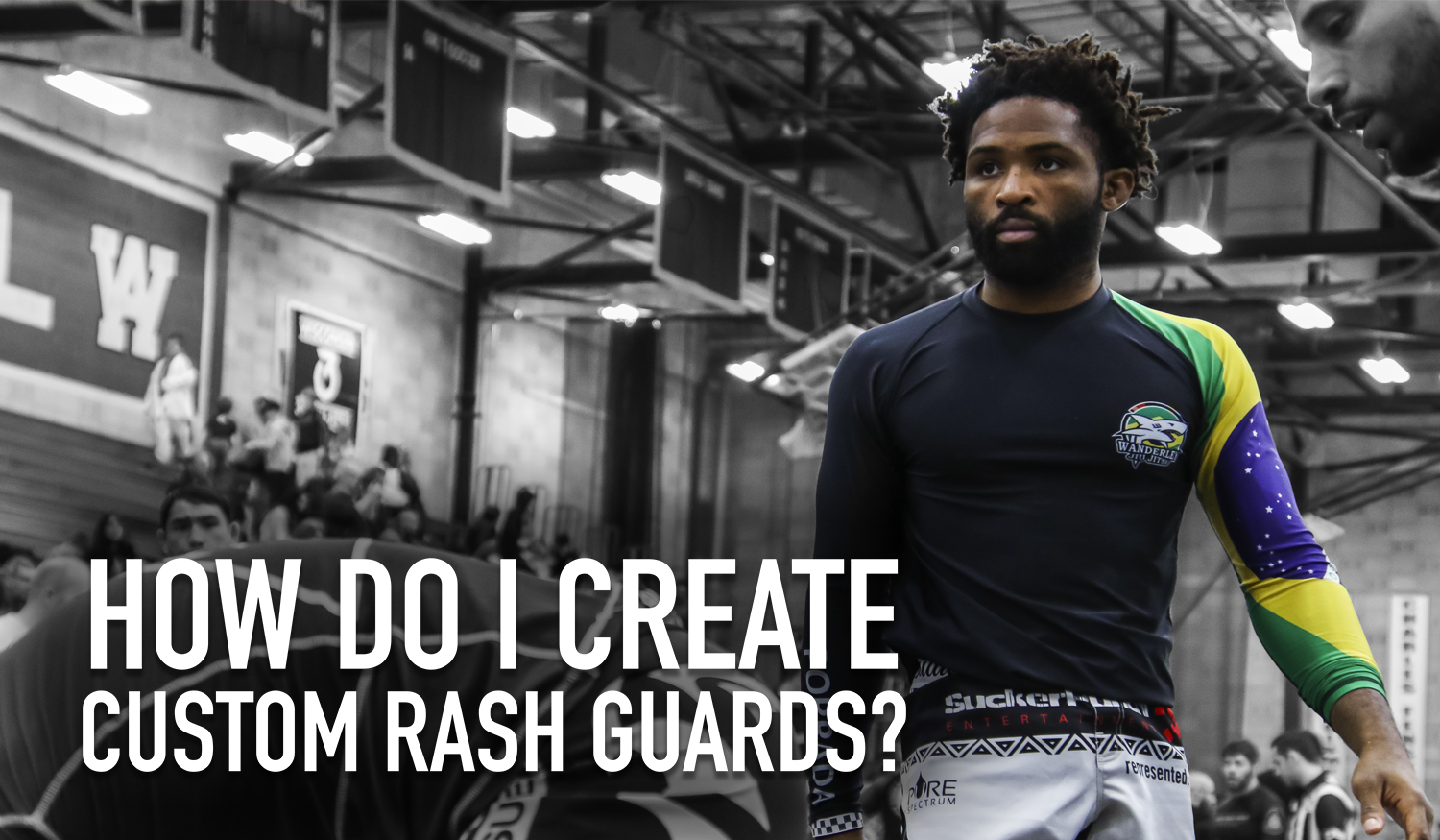
Credit: combatcorner.com
Frequently Asked Questions
What Materials Are Best For Custom Rash Guards?
The best materials for custom rash guards are polyester and spandex blends. These fabrics offer durability, stretch, and quick-drying properties. They provide comfort and protection during water sports. Choosing high-quality fabric ensures long-lasting wear and vibrant prints.
How To Design A Custom Rash Guard?
To design a custom rash guard, use graphic design software or online tools. Choose colors, logos, and patterns that reflect your style or brand. Ensure the design fits the garment's shape. Collaborate with a manufacturer to finalize the print and fabric specifications.
Can I Add Logos To My Rash Guard?
Yes, you can add logos to your custom rash guard. Logos enhance brand identity and personalization. Use high-resolution images for clear prints. Most manufacturers offer logo placement options on sleeves, chest, or back.
How Long Does It Take To Make Custom Rash Guards?
Making custom rash guards typically takes 2 to 4 weeks. This includes design approval, fabric printing, and garment construction. Timelines may vary based on order size and manufacturer.
Conclusion
Making custom rash guards is simple and fun. Choose the right fabric and design carefully. Use clear tools and follow steps well. Personal touches make your rash guard unique. You can create something that fits you perfectly. Enjoy the process and wear your creation with pride.
Custom rash guards suit all sports and styles. Start your project today and show off your design.
