

How to Make a Christmas T Shirt: Easy DIY Guide for Festive Fun
How To Make A Christmas T Shirt
A Christmas t shirt is more than just clothing—it’s a way to show festive spirit, share joy, and express creativity. Whether you want a unique holiday outfit, a fun family project, or a personalized gift, making your own Christmas t shirt can be both simple and rewarding.
You don’t need to be an artist or a fashion expert. With the right guidance, anyone can create a shirt that stands out at every holiday event. This article will walk you through every step, from choosing materials to adding finishing touches.
Along the way, you’ll find practical tips, real-life examples, and clear advice to help you avoid common mistakes. Let’s start your journey to making a Christmas t shirt you’ll be proud to wear.
Choosing The Right T Shirt
Before you start decorating, pick a t shirt that suits your needs. The shirt is your canvas, so the right choice makes the process easier and the result better.
Material Options
Most people use cotton because it’s soft, easy to wash, and holds prints well. However, blends like cotton-polyester are also popular. Blends wrinkle less and sometimes feel cooler. If you plan to use iron-on transfers or fabric paint, stick with at least 80% cotton for best results.
Fit And Style
Comfort matters. Decide if you want a loose fit for layering or a slim fit for a sleek look. There are many styles:
- Crew neck (classic round collar)
- V-neck (adds a modern touch)
- Long sleeve (good for colder weather)
- Short sleeve (better for indoor parties)
Think about who will wear the shirt. Children’s shirts need softer fabric and simple designs. For adults, you can use more detailed prints or glitter.
Color Choices
White shirts are easiest to decorate, but red and green are classic Christmas colors. Dark shirts require special paints or transfers designed for colored fabrics. For bold designs, choose a neutral shirt color so your artwork stands out.
Sizing Tips
Buy one size larger if you plan to layer the shirt over other clothes. For gifts, ask for the recipient’s size or use standard measurements. Remember, some shirts shrink after washing, so check the label.
Gathering Materials And Tools
Making a Christmas t shirt involves several materials. The exact items depend on your chosen decoration method, but here’s what most people need.
Essential Materials
- Plain t shirt (cotton or blend)
- Fabric paint or markers (for hand-drawn designs)
- Iron-on transfers or printable vinyl (for digital designs)
- Stencils (helpful for neat shapes)
- Paintbrushes (small and medium sizes)
- Iron (for transfers and some paint types)
- Cardboard (to place inside the shirt and prevent paint from bleeding through)
- Glitter or fabric glue (optional for sparkle)
- Scissors (for cutting transfers or vinyl)
- Tape (to hold stencils in place)
Safety And Preparation
Work in a well-ventilated area. Fabric paint and glue can have strong odors. Wear old clothes or an apron. Cover your workspace with newspaper to protect surfaces.
Where To Find Supplies
Local craft stores usually carry everything you need. Online stores offer more choices and sometimes lower prices. Look for kits that include paint, stencils, and brushes. This saves money and ensures compatibility.
Designing Your Christmas T Shirt
A good design is the heart of a Christmas t shirt. You can draw by hand, print a digital image, or use stencils. Start with a clear idea and keep it simple—too many details can make the shirt look messy.
Popular Design Ideas
- Santa Claus: Always a favorite. Use red, white, and black paint for simple shapes.
- Christmas tree: Draw a green triangle, add dots for ornaments, and a yellow star on top.
- Snowflakes: White paint or glitter works well. Stencils make these easy.
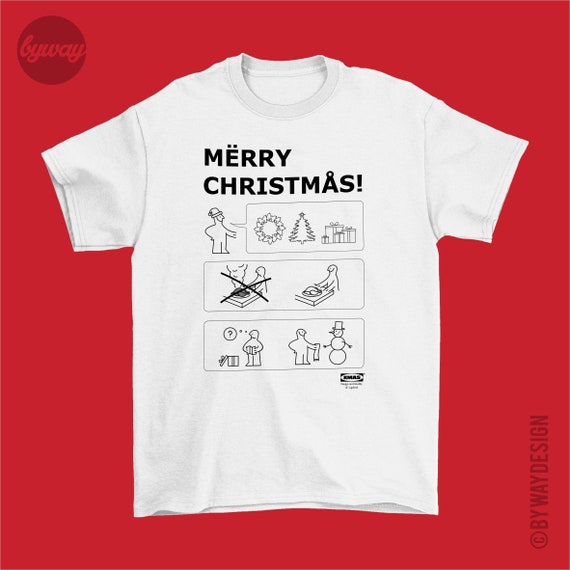
- Holiday phrases: “Merry Christmas,” “Joy,” or “Ho Ho Ho” in bold letters.
- Reindeer: Use brown paint and add red for the nose (like Rudolph).
- Candy canes: Red and white stripes are easy to paint or transfer.
- Gift boxes: Simple squares with bows look festive.
- Family names: Personalize shirts for each member.
- Lights: Paint a string with colorful bulbs.
- Elf hats: Green and red with a white pom-pom.
Sketching Your Design
Start with pencil and paper. Draw a rough outline of your shirt and sketch the design. Try different ideas until you find one you like. If you plan to use digital art, create or download images with clear lines and bright colors.
Digital Vs. Hand-drawn
Digital designs are best for iron-on transfers and printable vinyl. Hand-drawn designs work well with fabric paint and markers. Beginners often start with stencils or simple shapes.
Color Planning
Choose colors that match the shirt. Bright designs look best on dark shirts, while dark colors stand out on light shirts. Limit your palette to three or four colors to keep the design clean.
Design Placement
Most designs go on the front center. For extra flair, add smaller art on the sleeves or back. Make sure the main design sits at chest level—too low or too high looks awkward.
Preparing Your Workspace
Setting up your workspace is key for a smooth process. It protects your shirt and makes decorating easier.
Steps For Setup
- Clean the area: Remove dust and clutter.
- Cover the surface: Use newspaper or plastic.
- Place cardboard inside the shirt: This prevents paint or glue from seeping through.
- Arrange materials: Keep brushes, paint, stencils, and transfers within reach.
- Test your tools: Try paint or markers on scrap fabric to check color and flow.
Practical Tips
If you’re working with kids, supervise closely. Paint can stain easily. Keep wipes or paper towels nearby. If you’re using iron-on transfers, plug in the iron and let it heat up while you prepare the shirt.
Credit: www.etsy.com
Creating The Design: Step-by-step Methods
There are several ways to decorate a Christmas t shirt. Each method has advantages and challenges. Choose one based on your skills and available tools.
Method 1: Fabric Paint And Markers
This is the easiest and most flexible method. It works for all ages and skill levels.
Steps
- Sketch the design on cardboard or paper.
- Place cardboard inside the shirt to prevent bleeding.
- Lightly outline the design on the shirt with pencil.
- Paint or draw over the outline using fabric paint or markers.
- Let the paint dry for at least 4 hours. Some paints need 24 hours.
- Iron the design (if required by paint instructions) to set the color.
Tips
- Use small brushes for details.
- Don’t overload with paint—thin layers dry faster.
- For letters, use stencils to keep lines straight.
Common Mistake
Rushing the drying process can cause smudging. Always check the paint’s instructions.
Method 2: Iron-on Transfers
Iron-on transfers give a professional look and are great for complex or digital designs.
Steps
- Print your design on iron-on transfer paper (mirror the image if it has text).
- Cut out the design closely to avoid white borders.
- Place the transfer face down on the shirt.
- Cover with parchment paper (if the instructions require).
- Iron firmly for the recommended time, usually 30–60 seconds.
- Peel off the backing gently.
Tips
- Use high heat but avoid steam.
- Press evenly and don’t move the iron.
- Transfers work best on flat, smooth shirts.
Common Mistake
Not mirroring the image before printing can result in backwards text.
Method 3: Printable Vinyl
Printable vinyl offers durability and vibrant color. It’s popular for gifts and group shirts.
Steps
- Print your design on printable vinyl sheets.
- Cut the vinyl to shape.
- Place vinyl on the shirt (backing side down).
- Cover with a heat-resistant sheet.
- Apply heat with an iron or heat press.
- Remove the backing after cooling.
Tips
- Use a heat press for best results, but a home iron works too.
- Vinyl can feel stiff on thin shirts.
Common Mistake
Skipping the heat-resistant sheet can damage both vinyl and shirt.
Method 4: Stencils And Glitter
Stencils help create sharp shapes, and glitter adds sparkle.
Steps
- Position the stencil on the shirt.
- Tape it in place to avoid shifting.
- Apply paint with a sponge or brush.
- Remove stencil carefully before the paint dries.
- Add glitter while paint is wet.
- Let dry fully before wearing.
Tips
- Use a light touch for even edges.
- Excess glitter can flake off; use fabric glue for better hold.
Common Mistake
Moving the stencil too soon smears the paint.
Adding Extra Touches
To make your Christmas t shirt special, add finishing touches. These details can turn a simple shirt into a holiday favorite.
Personalization
Add names, dates, or short messages. Use fabric markers for handwriting or small stencils for neat letters. Personalized shirts are perfect for family photos.
Embellishments
- Buttons: Sew red or green buttons as ornaments or eyes.
- Sequins: Glue gold or silver sequins for sparkle.
- Pom-poms: Attach a small white pom-pom for Santa’s hat or an elf’s cap.
Layered Designs
Combine paint, transfers, and embellishments for depth. For example, paint a tree, then add sequins as ornaments and glitter for snow.
Sleeve And Back Designs
Put small icons or phrases on sleeves. On the back, add “Santa’s Helper” or a simple star. This creates a full festive look.
Caring For Your Christmas T Shirt
Proper care keeps your shirt looking new and vibrant. Many people ruin their designs by washing incorrectly.
Washing Tips
- Wait before washing: Let the design set for at least 24–48 hours.
- Turn the shirt inside out: Protects the artwork.
- Use cold water: Hot water can fade paint and transfers.
- Gentle cycle: Avoid rough washing.
- Air dry: Heat from dryers can crack designs.
Storing
Fold shirts flat. Avoid hanging, as heavy designs may stretch the fabric. Store away from sunlight to prevent fading.
Repairing Damage
If paint chips or transfers peel, touch up with fabric markers or apply new transfers. For glitter loss, use fabric glue and reapply.
Comparing Decoration Methods
Choosing the right decoration method depends on your needs. Here’s a quick comparison to help decide.
| Method | Ease of Use | Durability | Best For |
|---|---|---|---|
| Fabric Paint | Easy | Moderate | Kids, beginners |
| Iron-On Transfers | Moderate | High | Detailed designs |
| Printable Vinyl | Moderate | Very High | Group shirts, gifts |
| Stencils & Glitter | Easy | Low-Moderate | Simple shapes, fun projects |
Budgeting Your Project
Making a Christmas t shirt can be cheap or expensive, depending on your choices. Here’s what to expect.
Typical Costs
- Plain t shirt: $4–$15
- Fabric paint/markers: $5–$12
- Iron-on transfer paper: $8–$15 (pack of 5–10)
- Printable vinyl sheets: $12–$20 (pack of 5)
- Stencils: $3–$10
- Glitter/fabric glue: $3–$7
A basic shirt costs around $15–$25. For group shirts or advanced designs, budget $30–$50.
Where To Save
Buy multi-packs of paint or transfers. Share supplies in group projects. Reuse stencils or leftover materials for future shirts.
Group Projects And Team Shirts
Making Christmas t shirts is a great group activity. Families, friends, or coworkers can make matching shirts for parties, photos, or charity events.
Organizing A Group Project
- Choose a theme: Decide on a main design or color scheme.
- Gather supplies: Buy in bulk for discounts.
- Assign roles: Let each person handle certain parts—painting, cutting, ironing.
- Set up stations: Create separate areas for each step.
- Plan drying space: You’ll need room for shirts to dry.
Tips For Success
- Use simple designs for large groups.
- Allow extra time for drying and mistakes.
- Take photos during the process for memories.
Real-life Example
A school group made 50 shirts for a holiday parade. They used stencils for the main design, then let each child personalize with their name. With teamwork, all shirts were finished in one afternoon.

Credit: sofontsy.com
Making Christmas T Shirts For Gifts
Homemade shirts are thoughtful gifts. You can tailor each shirt to the recipient’s interests—add their name, favorite holiday icon, or a special message.
Gift Ideas
- Family Sets: Matching designs with each person’s name.
- Funny Shirts: “Santa’s Favorite” or “Elf in Training.”
- Pet Shirts: Small shirts for dogs or cats (use pet-safe materials).
- Teacher Gifts: Add “Merry Christmas” and the teacher’s name.
Wrapping And Presentation
Fold shirts neatly and place in a festive box. Add tissue paper for protection. Attach a note explaining the design and care instructions.
Why Homemade Gifts Stand Out
People appreciate the effort and creativity. A homemade Christmas t shirt feels more personal than a store-bought item. It can become a treasured keepsake.
Trends And Inspiration
Christmas t shirt designs change every year. Here’s what’s popular right now.
Current Trends
- Minimalist designs: Simple icons, few colors.
- Ugly sweater look: Busy patterns and bright colors.
- Interactive shirts: Designs that use buttons, zippers, or pockets.
- Glow-in-the-dark paint: Fun for night events.
- Eco-friendly materials: Organic cotton, recycled paint.
Getting Inspired
Look at social media for ideas. Many people share photos of their DIY shirts on Instagram, Pinterest, and craft blogs. You’ll find new trends and creative twists. For more inspiration, check out Pinterest.

Credit: www.amazon.com
Comparing Store-bought Vs. Homemade Shirts
Is it better to buy or make your Christmas t shirt? Here’s a side-by-side comparison.
| Aspect | Homemade | Store-Bought |
|---|---|---|
| Personalization | High | Low to Moderate |
| Cost | Low to Moderate | Moderate to High |
| Uniqueness | Very High | Low |
| Durability | Depends on method | Usually high |
| Effort | Requires time | Ready to wear |
Advanced Techniques For Experienced Crafters
If you’ve made Christmas t shirts before, try these advanced methods.
Screen Printing
Screen printing creates crisp, professional designs. You need a screen, ink, and a squeegee. It’s best for making many shirts with the same design.
Embroidery
Use embroidery thread to stitch outlines or details. This adds texture and durability. Start with simple shapes, then try more complex patterns.
Foil Transfers
Foil transfers create shiny, metallic designs. Apply adhesive, place foil, and heat with an iron. Peel off for a sparkling look.
Layered Vinyl
Cut multiple vinyl layers for depth and color. This works well for complex scenes, like Santa and his sleigh.
Common Mistakes For Advanced Methods
- Using too much ink in screen printing can cause smudging.
- Pulling foil too soon can ruin the shine.
- Misaligning layered vinyl creates uneven designs.
Eco-friendly Christmas T Shirts
Many people want to reduce waste during the holidays. Make your project greener with these tips.
Sustainable Materials
Choose organic cotton shirts. Use water-based paints and glues. Recycle scrap fabric or leftover materials.
Reusing Old Shirts
Transform old t shirts into Christmas shirts. Cover stains with new designs. This saves money and reduces waste.
Group Eco Projects
Encourage groups to use recycled materials. Share leftover paints and stencils. Challenge each person to use something old in their design.
Data On Eco-friendly Choices
According to the Global Organic Textile Standard, organic cotton uses 88% less water and 62% less energy than regular cotton. Eco-friendly paints avoid toxic chemicals, making them safer for children.
Troubleshooting Common Problems
Even with careful planning, problems can happen. Here’s how to fix them.
Paint Smudges
Let the shirt dry longer. If smudging happens, use a damp cloth to clean and repaint the area.
Transfer Peeling
Iron again with more pressure. If peeling continues, apply fabric glue under the transfer.
Vinyl Lifting
Use a heat press or iron for longer. Press down firmly. If vinyl still lifts, replace the sheet.
Glitter Loss
Apply extra glue and add more glitter. Let dry fully.
Uneven Designs
Use stencils or guides. Practice on scrap fabric before working on the shirt.
Real-life Success Stories
Hearing how others succeeded can boost your confidence.
Family Project
A family of four made matching shirts for Christmas morning. Each person painted their name and a holiday icon. The shirts became a yearly tradition.
Charity Event
A local church created shirts for volunteers. The group used iron-on transfers with the church logo and a Christmas tree. Volunteers felt proud and united.
School Art Class
Students decorated shirts with fabric paint. The teacher used stencils for safety. Children learned teamwork and creativity.
Non-obvious Insight
Many people don’t realize that layering paint—letting each layer dry before adding another—creates richer colors and prevents bleeding. Another tip: Always wash new shirts before decorating to remove sizing and improve paint adhesion.
Frequently Asked Questions
What Is The Best Paint For Christmas T Shirts?
Fabric paint is best. It’s made to stick to cotton and survive washing. Look for paints labeled “permanent” or “machine washable.” Avoid regular acrylic paint—it cracks and fades.
Can I Use A Regular Printer For Iron-on Transfers?
Yes, but use inkjet transfer paper for home printers. Laser printers require special transfer sheets. Always check the transfer paper’s instructions for compatibility.
How Long Does It Take To Make A Christmas T Shirt?
Most shirts take 1–2 hours to decorate. Drying adds extra time—paint needs 4–24 hours, transfers cool in minutes. Plan ahead if making shirts for a group or event.
Are Homemade Christmas T Shirts Safe For Children?
Yes, if you use non-toxic paints and glue. Supervise children during the process. Avoid small embellishments for young kids—they can be choking hazards.
How Do I Fix Mistakes On My T Shirt?
For paint errors, use a damp cloth to wipe fresh paint. If the mistake dries, cover with another color or use a patch. For transfer errors, apply a new transfer over the old one. Practice on scrap fabric before fixing.
Making a Christmas t shirt is a fun way to celebrate the holiday and show your creativity. Whether you make one for yourself, your family, or as a gift, the process brings people together and creates lasting memories. With the right materials, a clear design, and careful steps, your shirt will shine at any festive event.
Don’t be afraid to try new methods or add personal touches—your unique creation will be the highlight of the season.
