

How to Look Good in Clothes for Guys: Style Tips That Work
How To Look Good In Clothes For Guys
Most guys want to look their best. But looking good in clothes is not just about buying expensive brands or following every fashion trend. It’s about wearing outfits that fit your body, match your personality, and show confidence. Many men struggle to find styles that suit them, or they feel unsure about how to make clothes work for their shape.
The good news? You don’t need a huge wardrobe or designer labels to look sharp. With a few smart tips, some real-world examples, and a bit of science behind style, you can improve your look and feel more comfortable in what you wear.
This guide will help you understand how to dress well, find clothes that flatter your body, and avoid common mistakes. Whether you’re heading to work, a date, or just hanging out, you’ll discover practical advice for looking good in any situation.
Let’s break down the steps and secrets that make a real difference.
Understanding Your Body Shape
Every guy’s body is different, and clothes fit each shape in unique ways. The first step is to know your body type. This helps you choose clothes that highlight your strengths and make you look balanced.
Common Body Shapes
- Rectangle: Shoulders, waist, and hips are about the same width.
- Triangle: Hips and waist are wider than shoulders.
- Inverted Triangle: Shoulders are wider than waist and hips.
- Oval: Waist is wider than shoulders and hips.
- Trapezoid: Broad shoulders, slightly narrow waist, hips similar to shoulders.
Why Body Shape Matters
When clothes fit your body shape, you look more proportionate and confident. For example, if you have broad shoulders, fitted shirts can highlight your upper body. If your waist is wider, layering or vertical patterns can help balance your shape.
| Body Shape | Best Clothing Tips |
|---|---|
| Rectangle | Add layers, structured jackets, patterns to create shape |
| Triangle | Dark shirts, avoid tight tops, focus on broadening shoulders |
| Inverted Triangle | Fitted shirts, avoid skinny pants, balance upper and lower body |
| Oval | Vertical stripes, darker colors, avoid clingy fabrics |
| Trapezoid | Most styles work well, focus on tailored fits |
Measuring Yourself
Get a tape measure and check:
- Shoulder width
- Chest circumference
- Waist size
- Hip size
Knowing these measurements helps when shopping, especially online. Many beginners skip this step and end up with clothes that don’t fit. Take time to measure yourself—this is one of the biggest secrets to looking good.
The Importance Of Fit
Fit is the single most important factor in looking good. Even the best-looking clothes will not work if they don’t fit your body. According to a survey by Men’s Health, over 60% of men wear clothes that are too loose or too tight.
Signs Of Good Fit
- Shoulders: Seams line up with your shoulder bones.
- Chest: No pulling or sagging fabric.
- Sleeves: End at the wrist bone, not over your hand.
- Waist: Pants sit comfortably without bunching or gaping.
- Length: Shirts cover your belt, pants break slightly on shoes.
Common Fit Mistakes
- Wearing shirts that balloon at the sides.
- Pants that sag or pinch at the waist.
- Jackets with sleeves too long or short.
- Baggy jeans that hide your shape.
| Clothing Item | Right Fit | Common Mistake |
|---|---|---|
| Shirt | Fits chest, shoulder, ends at belt | Too loose, too tight, too long |
| Pants | Slim but not skinny, sits at waist | Baggy, low-rise, too short |
| Jacket | Shoulder seam at shoulder, sleeves at wrist | Sleeves too long, body too wide |
Tailoring For Better Fit
Most clothes off the rack aren’t perfect. A simple alteration can make a huge difference. For example:
- Hemming pants for correct length
- Taking in the sides of a shirt
- Adjusting jacket sleeves
Professional tailoring costs less than buying new clothes and instantly improves your appearance. Many men skip tailoring, but it’s a game-changer for sharp style.
Choosing The Right Colors
Colors can make you look healthy, confident, and stylish. The right shades can brighten your skin and eyes, while wrong colors may make you look tired or dull.
Skin Tone And Color Choice
Most men have either cool, warm, or neutral skin tones. Here’s how to find yours:
- Cool: Pink, red, or bluish undertones.
- Warm: Yellow, gold, or olive undertones.
- Neutral: Mix of both.
Hold a white paper next to your face in natural light. If your skin looks pinkish, you’re cool. If it looks yellow or greenish, you’re warm.
Best Colors For Each Tone
- Cool tones: Blue, gray, emerald, purple.
- Warm tones: Brown, olive, orange, mustard, warm reds.
- Neutral tones: Most colors work, but avoid extremes.
Non-obvious Insights
Most men don’t realize that color contrast matters. If you have light skin and dark hair, high-contrast outfits (like black and white) suit you. If you have similar hair and skin color, low-contrast clothes (like beige and brown) look better.
Another tip: Wearing too many colors can make you look messy. Stick to two or three main colors in one outfit.
Building A Versatile Wardrobe
You don’t need a closet full of clothes to look good. A few well-chosen items can mix and match for many situations.
Essential Clothing Pieces
- White button-down shirt
- Dark jeans
- Navy or gray blazer
- Plain t-shirts (black, white, gray)
- Chinos (beige, navy)
- Leather shoes (brown or black)
- Casual sneakers
- Sweater or pullover
- Shorts
- Versatile jacket (bomber or denim)
These items work for work, dates, and casual outings. Aim for quality over quantity.
Smart Shopping Tips
- Buy clothes that fit now, not for a future shape.
- Choose neutral colors for basics—easier to mix and match.
- Invest in one or two statement pieces (like a bold jacket or patterned shirt) to add personality.
Example Outfit Combinations
- White shirt + dark jeans + blazer = smart casual
- T-shirt + chinos + sneakers = relaxed weekend
- Sweater + button-down + jeans = cozy, stylish
Layering And Texture
Layering gives depth to your outfit and helps you adjust for weather or occasion. Texture adds interest and prevents your clothes from looking flat.
How To Layer
- Start with a base (t-shirt or shirt).
- Add a middle layer (sweater, hoodie, vest).
- Finish with a jacket or coat.
Each layer should fit comfortably over the previous one. Avoid bulky layers that restrict movement.
Using Texture
Mix different fabrics to add style:
- Cotton shirts with wool sweaters
- Denim jackets with soft tees
- Leather shoes with canvas pants
Texture creates a richer look, especially in simple outfits.
Dressing For Different Occasions
The right outfit depends on where you’re going. You don’t have to be formal all the time, but you should match your clothes to the situation.
Workplace
- Button-down shirts
- Chinos or dress pants
- Blazer for meetings
- Polished shoes
Avoid sneakers and t-shirts unless your office is very casual.
Dates
- Smart casual: Fitted shirt, dark jeans, leather shoes
- Add a blazer or jacket for extra style
Dress to show you care, but keep it comfortable.
Casual Outings
- Well-fitted t-shirt or polo
- Shorts or jeans
- Clean sneakers
You can be relaxed without looking sloppy.
Special Events
- Suit or dress shirt with tie
- Tailored pants
- Formal shoes
Always check the dress code if invited.

Credit: www.youtube.com
Accessories And Grooming
Small details make a big difference. Well-chosen accessories and good grooming show you pay attention.
Essential Accessories
- Watch: Classic, not too flashy
- Belt: Matches shoes
- Sunglasses: Fit your face shape
- Bag: Simple, clean design
Avoid too many accessories at once. One or two are enough.
Grooming Basics
- Hair: Regular cuts, styled simply
- Facial hair: Keep it neat or clean-shaven
- Skin: Wash and moisturize
- Nails: Trimmed and clean
Research shows that men who pay attention to grooming are seen as more confident and trustworthy.
Common Mistakes To Avoid
Many men make simple mistakes that ruin a good look. Knowing these helps you avoid them.
- Ignoring fit: Wearing baggy or tight clothes.
- Too many patterns: Mixing stripes, checks, and prints.
- Dirty shoes: Clean footwear is essential.
- Wrong socks: Bright or patterned socks with formal wear.
- Neglecting grooming: Messy hair or untrimmed beard.
- Over-accessorizing: Too many bracelets, watches, or rings.
- Forgetting occasion: Wearing casual clothes to formal events.
- Visible undershirts: Should not show under button-downs.
- Bad posture: Slouching makes clothes look worse.
- Ignoring personal style: Copying trends without considering what suits you.
Understanding Style Vs. Fashion
Style is personal and lasts, while fashion changes quickly. Focus on building your own style, not chasing every trend.
How To Develop Your Style
- Look at what you like on others
- Try on different clothes and see what feels comfortable
- Choose pieces that fit your lifestyle
- Mix classic and modern elements
You don’t need to follow every trend. Simple, well-fitting clothes always look good.
Brands And Budget: Does Price Matter?
Many people believe expensive clothes look better. But studies show that fit and confidence matter more than price.
Smart Spending
- Spend more on basics you wear often (shirts, jeans, shoes).
- Save on trendy items that may go out of style.
- Check outlets and sales for deals.
Even affordable brands offer good quality. The key is to choose clothes that suit you, not just because they’re popular.
| Category | High-End Brands | Affordable Options |
|---|---|---|
| Shirts | Ralph Lauren, Brooks Brothers | Uniqlo, Gap |
| Pants | Levi's, Bonobos | H&M, Old Navy |
| Shoes | Allen Edmonds, Clarks | Converse, Vans |
| Outerwear | Barbour, Patagonia | Zara, Columbia |
Confidence: The Hidden Key
Clothes can help you look good, but confidence makes the biggest difference. When you stand tall and feel comfortable, you look better in anything.
How To Build Confidence
- Practice good posture: Shoulders back, head up.
- Smile naturally.
- Wear clothes that fit and suit you.
- Accept compliments graciously.
Non-obvious tip: Try taking photos of yourself in different outfits. Seeing your look from another angle helps you spot what works and what doesn’t.
Real-life Examples
Let’s look at a few examples to see how these tips work:
Example 1: Office Setting
John wears a navy blazer, white shirt, and gray chinos. He chooses leather shoes and a simple watch. He avoids loud patterns and keeps his hair neat. The result? He looks sharp, professional, and ready for business.
Example 2: Casual Weekend
Mike prefers a black t-shirt, dark jeans, and sneakers. He adds a denim jacket for cooler days. His clothes fit his body, and he sticks to two main colors. He looks relaxed but stylish, perfect for meeting friends.
Example 3: Date Night
Sam picks a fitted button-down in deep blue, slim chinos, and brown dress shoes. He adds a belt that matches his shoes and styles his hair simply. He feels confident and makes a great first impression.

Credit: www.youtube.com
Advanced Tips For Looking Good
If you want to go beyond the basics, try these advanced strategies:
- Layer with intention: Use layers to create shape and adjust for weather.
- Experiment with accessories: Try a pocket square, bracelet, or scarf in moderation.
- Upgrade outerwear: Invest in a high-quality jacket—often the first thing people notice.
- Try monochrome outfits: Wearing one color in different shades looks modern and sharp.
- Learn about fabrics: Wool, cotton, linen, and synthetics each have their own benefits. Choose based on comfort and season.
The Role Of Health And Fitness
Your body shape affects how clothes look. Staying active and healthy helps you fit into clothes better and boosts confidence.
Simple Fitness Tips
- Walk daily, aim for 30 minutes.
- Do basic strength exercises (push-ups, squats).
- Eat balanced meals, avoid processed foods.
- Get enough sleep.
You don’t need a perfect body, but being healthy helps clothes fit better and improves posture.
Sustainability And Ethical Choices
More guys are choosing clothes with care for the environment. Sustainable brands use eco-friendly materials and fair labor.
How To Shop Responsibly
- Look for organic cotton or recycled fabrics.
- Support brands with ethical practices.
- Buy less, but choose quality.
Want to learn more? Check this Sustainable Fashion Guide for tips on eco-friendly shopping.
Frequently Asked Questions
How Can I Find My Best Colors?
Test different shirts near your face in natural light. Notice which colors make your skin and eyes brighter. You can also ask friends or use online guides for skin tone matching.
What’s The Easiest Way To Improve My Look?
Focus on fit first. Tailor your favorite clothes, even just a shirt or pants. You’ll notice a big change without buying anything new.
Should I Follow Fashion Trends?
It’s okay to try trends, but don’t rely on them. Choose styles that feel comfortable and suit your personality. Classic pieces work in any season.
How Many Clothes Should I Own?
You don’t need a huge wardrobe. About 20–25 key items can create many outfits. Build your collection slowly, focusing on quality and fit.
Can Accessories Make A Difference?
Yes. A watch, belt, or sunglasses can upgrade your look. Keep it simple—too many accessories can distract from your style.
Looking good in clothes is a mix of smart choices, personal style, and confidence. Start by understanding your body, choosing the right fit and colors, and building a wardrobe you love. Remember: style is not about spending more, but about wearing clothes that make you feel your best. With these practical steps, you can look good in any situation and enjoy the process.
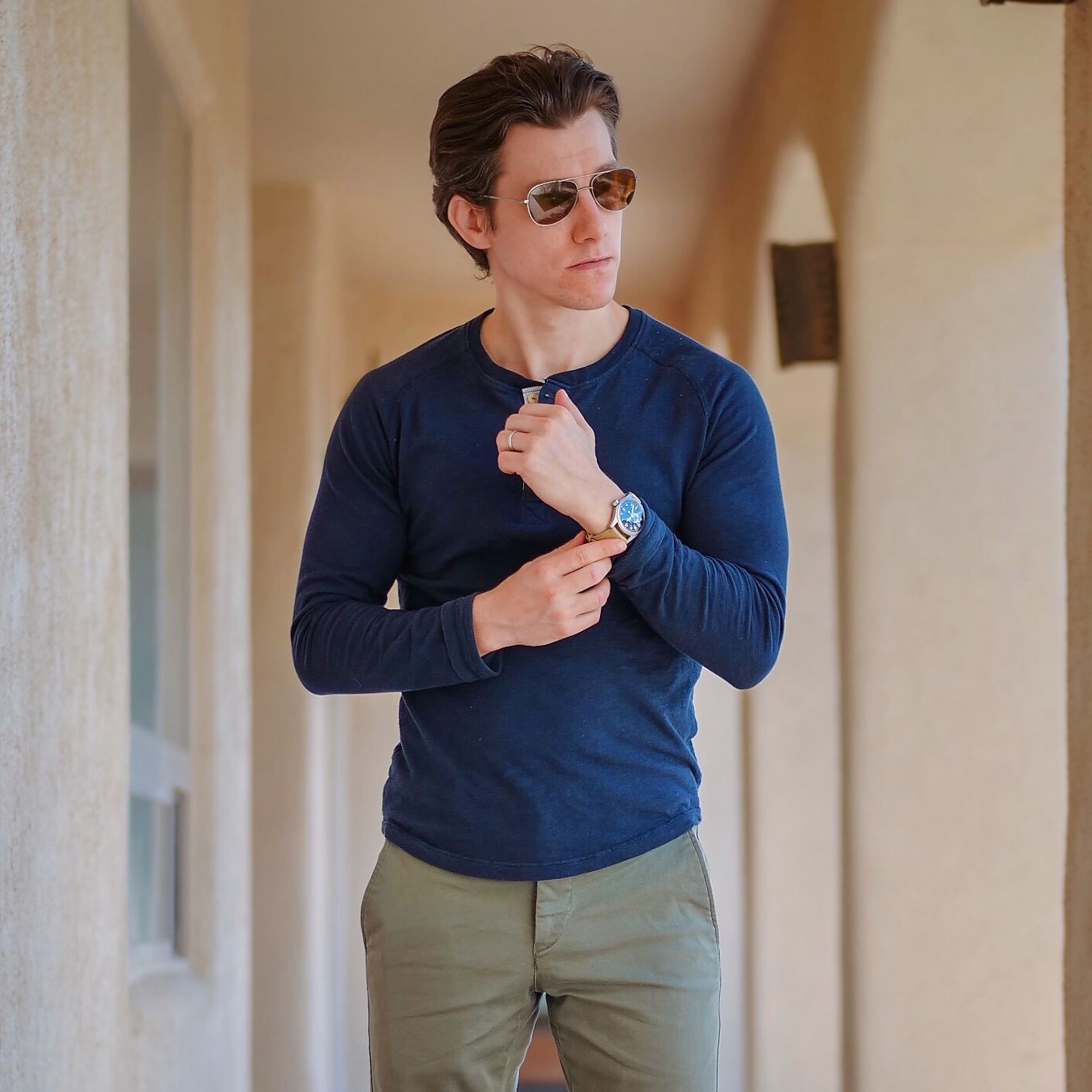
Credit: www.themodestman.com
