

How to Hang Gym Clothes for Quick Drying and Odor Control
How To Hang Gym Clothes
If you exercise regularly, you know how important it is to keep your gym clothes fresh and ready for your next workout. But many people struggle with the simple task of hanging gym clothes. Damp, sweaty fabrics can quickly turn smelly and even harbor bacteria if not handled properly.
Surprisingly, the way you hang your gym clothes can make a big difference in their freshness, lifespan, and comfort. Whether you are just starting your fitness journey or you’ve been working out for years, learning the right methods can save you time, money, and frustration.
This guide will walk you through every step, from the moment you finish exercising to when your clothes are dry, clean, and ready to wear again. You’ll learn how to choose the best hangers, where to hang your clothes for the fastest drying, and common mistakes people make that lead to odors and damaged fabrics.
Along the way, you’ll find useful tips, practical advice, and some expert insights that most beginners overlook.
Why Properly Hanging Gym Clothes Matters
Many people throw their sweaty clothes into a hamper or leave them in a gym bag, thinking they’ll deal with them later. This habit can cause problems you might not expect:
- Odor buildup: Dampness and sweat allow bacteria to multiply, creating strong smells that are hard to remove.
- Fabric damage: Heat, moisture, and poor airflow can break down materials like spandex and polyester, making them stretch out or fade.
- Health risks: Mold and mildew can develop, which may irritate your skin or even cause infections.
Hanging your gym clothes correctly is the first line of defense against these issues. It helps them dry faster, stay cleaner, and last longer.
Prepping Your Gym Clothes Before Hanging
Before you hang your gym clothes, it’s important to take a few steps to prepare them. Skipping this part can make drying less effective and lead to stubborn smells.
Shake Out Sweat And Debris
Right after your workout, shake your gym clothes outside or over a sink. This removes loose dirt, hair, and gym chalk. It also helps sweat evaporate faster.
Rinse If Needed
If your clothes are soaked with sweat or if you played an outdoor sport, a quick rinse under cold water can help. Gently squeeze (do not wring) to remove excess water. This simple step reduces odor and prevents sweat from staining the fabric.
Separate By Fabric Type
Some clothes dry faster than others. For example, synthetic fabrics like polyester or nylon are designed for moisture wicking, while cotton holds water longer. Separate your clothes into similar fabric groups. This helps you decide where and how to hang each item for best results.
Turn Clothes Inside Out
Odors and sweat build up on the inside of your gym clothes. Turning them inside out exposes the dirtiest side to air, speeding up drying and odor release.
Choosing The Best Hangers For Gym Clothes
Not all hangers are created equal. The type you use can impact drying speed, shape retention, and even how long your clothes last.
Types Of Hangers
| Hanger Type | Pros | Cons | Best For |
|---|---|---|---|
| Plastic | Affordable, lightweight, won't rust | Can bend, less sturdy | Most gym clothes |
| Wooden | Strong, helps maintain shape | Bulky, more expensive | Jackets, heavy hoodies |
| Metal | Thin, saves space | Can rust, sharp edges | Short-term use |
| Velvet/Non-slip | Prevents slipping, gentle on fabric | Harder to clean if soiled | Tank tops, leggings |
What To Avoid
- Wire hangers can stretch or snag delicate fabrics.
- Thick, padded hangers are unnecessary for light gym wear.
- Avoid hangers with metal clips that can rust and stain clothes.
Pro Tip
Invest in a few sturdy, wide-shouldered hangers for items that tend to lose their shape, like sports bras or compression shirts. For most T-shirts and shorts, simple plastic hangers work well.
Where To Hang Gym Clothes For Fastest Drying
The location you choose is just as important as the hanger itself. Good airflow and low humidity make a huge difference.
Best Locations
- Outdoor clothesline: Sunlight and fresh air dry clothes quickly and kill bacteria. Hang clothes in the shade if you want to avoid fading.
- Well-ventilated room: Use a laundry room, bathroom with an exhaust fan, or any room with good airflow.
- Near a window or fan: Air movement helps moisture evaporate faster. Place a small fan nearby for even better results.
- Shower rod: If you’re short on space, the shower rod is a good backup.
Places To Avoid
- Inside gym bags: Traps moisture, causing odors.
- Cramped closets: Poor airflow slows drying.
- Next to heaters: High heat can damage elastic fibers and cause shrinking.
Unexpected Insight
If you hang clothes outside, avoid high pollen days if you have allergies. Pollen can stick to damp fabrics and cause irritation later.
How To Properly Hang Different Gym Clothes
Different types of gym clothes need different handling to keep them in shape and help them dry fast.
T-shirts And Tops
- Use a wide, flat hanger to support the shoulders.
- Smooth out wrinkles before hanging.
- Leave space between each shirt for airflow.
Shorts And Leggings
- Hang by the waistband using clips or fold over a hanger bar.
- For tight leggings, hang inside out to allow the gusset (crotch area) to dry fully.
- Avoid folding over clotheslines, which can cause creases.
Sports Bras
- Use small hangers or drape over the middle of a wide hanger.
- Avoid hanging by the straps—they can stretch out.
- Place a towel under bras if dripping to protect floors.
Socks
- Clip pairs together on a drying rack or hang over a slim rod.
- Stretch out the cuffs slightly to speed up drying.
- Turn inside out for the best results.
Hoodies And Jackets
- Use a strong wooden or plastic hanger.
- Zip up halfway to retain shape, but leave some opening for ventilation.
- Hang away from lighter items, as these take longer to dry.
Accessories (headbands, Gloves)
- Use small clothespins on a line.
- Hang in a single layer for maximum airflow.
- Avoid stacking or bunching items together.
How To Hang Washed Gym Clothes
After washing your gym clothes, the process changes a little. Wet, clean clothes need careful handling to avoid stretching, shrinking, or lingering odors.
Gently Remove Excess Water
If hand-washing, roll clothes in a towel and press to absorb water. Don’t wring or twist—this damages fibers and shape.
Shake Out And Reshape
Give each item a gentle shake. Smooth out sleeves, legs, and seams to their original shape before hanging.
Hang Immediately
Don’t let wet gym clothes sit in the machine or hamper. Mold can start to form in as little as a few hours. Hang them up as soon as possible.
Space Matters
Leave at least a palm’s width between each item. Overcrowding traps moisture and slows drying.
Drying Racks Vs. Clotheslines: Which Is Better?
Many people wonder if they should use a drying rack or a classic clothesline for gym clothes. Each has its benefits.
| Drying Method | Pros | Cons | Best For |
|---|---|---|---|
| Drying Rack | Portable, works indoors, easy to move | Limited space, can crowd items | Small apartments, rainy weather |
| Clothesline | Great airflow, dries many clothes at once | Needs outdoor space, weather-dependent | Backyards, sunny climates |
Tip
For most gym-goers, a foldable drying rack is the best choice. It fits in small spaces and can be moved near a window or fan. If you have outdoor space, a clothesline is unbeatable for freshness.
How To Prevent Gym Clothes Odor When Hanging
Odor is one of the biggest challenges with gym clothes, especially if you don’t wash them after every use.
Air Out Immediately
Don’t leave clothes balled up. Even five minutes in the open air after your workout can reduce smell.
Use Odor-fighting Sprays
There are sprays designed for sports gear that neutralize odors and kill bacteria. Use a light mist before hanging clothes.
Sunlight Kills Bacteria
Whenever possible, hang clothes where they get indirect sunlight. Ultraviolet light naturally kills many bacteria and fungi.
Wash Regularly
Don’t reuse gym clothes without washing if possible. Sweat and bacteria can build up quickly, even after just one wear.
Surprising Insight
Adding a few drops of white vinegar to your rinse water can help kill odor-causing bacteria. Vinegar smell disappears as clothes dry.

Credit: www.amazon.com
Dealing With Limited Space
Not everyone has a large laundry room or backyard. Here are some creative ways to hang gym clothes in small spaces:
- Over-the-door hooks: Hang clothes on hangers from doors in bathrooms or bedrooms.
- Shower rods: Ideal for apartments—just remember to run the fan or open a window.
- Retractable lines: Install a line that pulls out when you need it and hides when you don’t.
- Closet rods: Move hangers to the closet once clothes are nearly dry.
Extra Tip
Use a folding drying rack that fits in your bathtub. This keeps drips contained and the mess out of the way.
How To Hang Gym Clothes When Traveling
Staying in hotels or hostels doesn’t mean you have to live with damp, smelly workout gear.
Quick Steps
- Rinse clothes in the shower after your workout.
- Squeeze out water by rolling in a towel.
- Hang on bathroom hooks, shower rods, or even open windows.
- Use portable travel clotheslines with suction cups or hooks.
Packing Tip
Bring a few lightweight hangers and clothespins. They weigh almost nothing and are a huge help on the road.
Caution
Never hang wet clothes on lamps or electronics—this is a fire hazard.
Common Mistakes When Hanging Gym Clothes
Even experienced gym-goers make mistakes. Avoid these pitfalls for better results.
Hanging Clothes While Still Very Wet
Clothes that are dripping wet take much longer to dry and can develop musty odors. Always remove as much water as possible first.
Overcrowding The Hanging Area
Packing clothes too close together slows drying and lets odors build up. Give each item enough space.
Using The Wrong Hangers
Thin wire hangers can stretch out shoulders. Clips can leave marks. Use the right hanger for each item.
Ignoring Ventilation
No airflow means slow drying and more bacteria. Always hang clothes in a spot with good air movement.
Forgetting To Turn Clothes Inside Out
This simple step exposes the sweatier, smellier side to fresh air, helping clothes dry and air out faster.
Caring For Gym Clothes After Hanging
Once your gym clothes are dry, a few extra steps can keep them in top condition for longer.
Fold Or Store Properly
Don’t leave clothes hanging for days—this can stretch fabrics. Fold and store them as soon as they’re dry.
Check For Odors
If you still notice a smell, wash the item again or use a sports-specific detergent. Never store smelly clothes in your closet.
Rotate Gym Clothes
Having at least two sets of gym clothes allows each set to fully air out between uses, reducing wear and tear.
Replace When Needed
Even with the best care, workout gear doesn’t last forever. If clothes lose their stretch or still smell after washing, it’s time to recycle them.
Credit: www.amazon.com
Special Care For High-tech Gym Fabrics
Modern gym clothes often use advanced fabrics that need special attention.
Read The Label
Always check the care label for instructions. Some fabrics can’t handle heat or certain detergents.
Avoid Fabric Softeners
Softeners can clog the tiny pores in moisture-wicking fabrics, making them less effective.
Dry Flat When Needed
Some compression gear and elastic-heavy items do better if you lay them flat on a towel to dry. This prevents stretching and keeps the shape.
How Airflow And Humidity Affect Drying
Many people forget that airflow and humidity are the real keys to fast, safe drying.
- High humidity = slower drying, more bacteria.
- Good airflow = faster drying, fewer odors.
If you live in a humid area, use a dehumidifier or fan to help. In dry climates, clothes may dry very quickly but can feel stiff—shake them out before storing.
Pro Tip
If your gym is humid, consider hanging clothes in a room with an air conditioner or dehumidifier for best results.
Comparing Hanging To Machine Drying
Some people prefer to toss gym clothes in the dryer. Here’s how hanging stacks up:
| Method | Pros | Cons | Best For |
|---|---|---|---|
| Hanging | Gentle on fabrics, energy-saving, prevents shrinking | Slower, needs space | All gym clothes, delicate fabrics |
| Machine Drying | Quick, convenient | Can damage elastic, fade colors | Towels, socks, cottons |
Quick Reference: Best Practices For Hanging Gym Clothes
- Shake and rinse clothes right after workouts.
- Use the right hanger for each type of clothing.
- Hang in a well-ventilated, dry area.
- Turn clothes inside out.
- Give each item space to dry.
- Don’t hang soaking wet clothes; remove excess water first.
- Never leave gym clothes in a bag or pile.
- Store dry clothes promptly to avoid stretching.
- Use sunlight or fans to speed drying.
- Rotate between sets of gym clothes.

Credit: www.walmart.com
Non-obvious Tips Most Beginners Miss
- Hang shoes and gear, too: Don’t forget to air out gym shoes, belts, and gloves. Stuff shoes with paper and hang insoles separately.
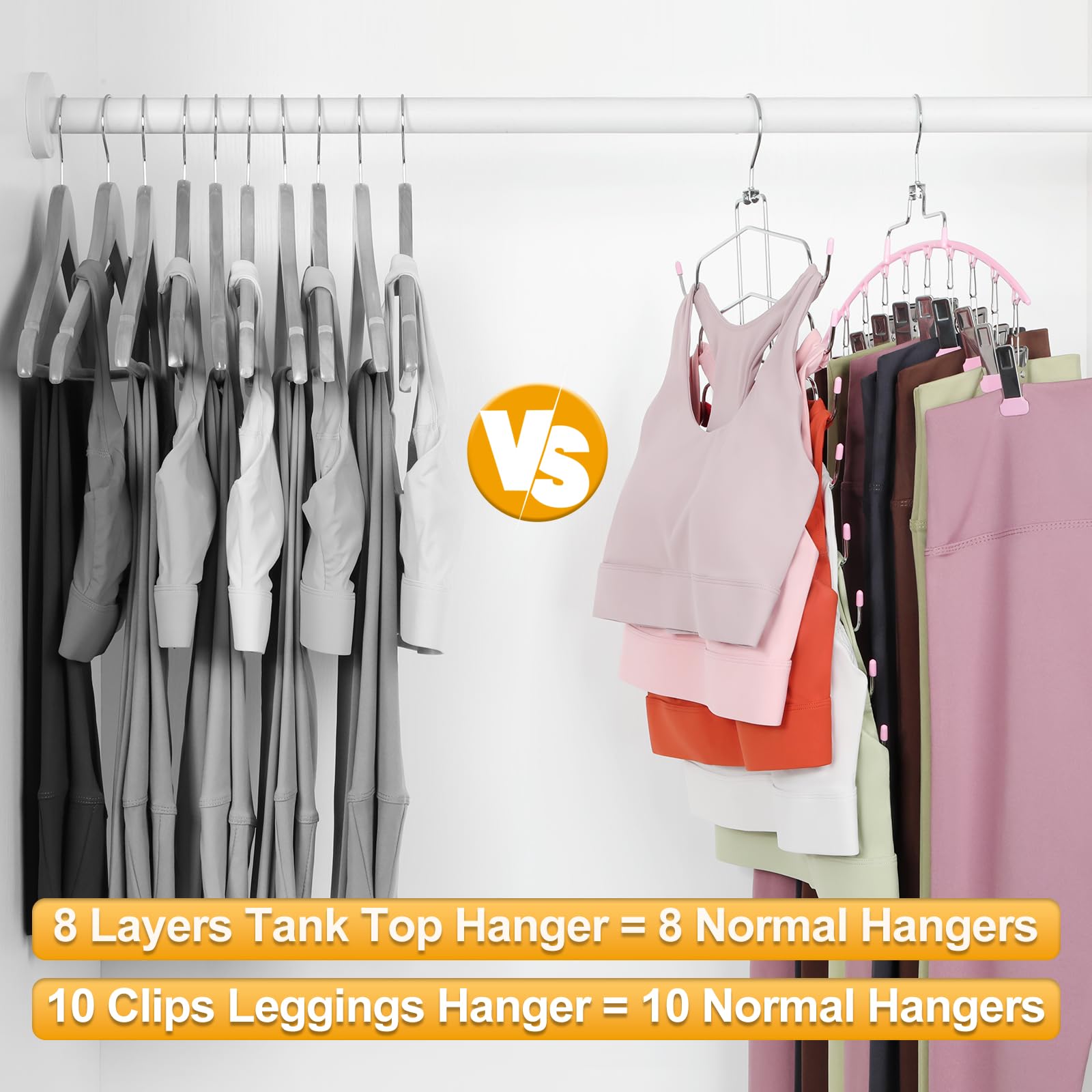
- Use hangers with hooks: Some hangers have extra hooks for strappy tops or bras. These prevent clothes from sliding off and losing shape.
Frequently Asked Questions
How Long Does It Take For Gym Clothes To Dry When Hanging?
Drying time varies by fabric, airflow, and humidity. In a well-ventilated room with a fan, synthetic gym clothes can dry in 2-4 hours. Cotton items may need 6-8 hours. Outdoors on a sunny day, drying is usually faster.
Should I Hang Sweaty Gym Clothes Before Washing Them?
Yes, always hang sweaty clothes to air out before washing. This prevents odors and bacteria from setting in. Never leave sweaty clothes in a closed bag or hamper.
Can I Hang Gym Clothes In The Bathroom?
You can, but make sure the bathroom is well-ventilated. Run the exhaust fan or open a window. Otherwise, moisture can linger, causing slow drying and musty smells.
Is It Okay To Hang Gym Clothes Outside In The Sun?
Yes, but avoid direct sunlight for colored clothes as it can fade them. Early morning or late afternoon sun is gentler. Sunlight helps kill bacteria and speed drying.
What If My Gym Clothes Still Smell After Hanging?
If your gym clothes still smell, wash them with a sports detergent or add a cup of white vinegar to the rinse. Persistent odors may mean bacteria are trapped in the fabric, and it could be time for a deeper clean or new gear.
For more insights on fabric care, you can visit Consumer Reports.
Learning how to hang gym clothes properly can transform your workout routine. Fresh, dry, and long-lasting clothes make every workout more enjoyable and help you get the most from your investment. With these tips and techniques, you’ll never dread laundry day again.
