

How to Hang Gym Clothes for Odor-Free, Quick Drying
How To Hang Gym Clothes
Caring for gym clothes is not just about washing them. How you dry and hang your gym clothes makes a big difference in how long they last, how fresh they smell, and how comfortable they feel. If you often find your workout shirts stretched out, your leggings losing shape, or your favorite gym shorts smelling odd even after washing, you are not alone.
Many people do not realize that hanging gym clothes the right way is as important as cleaning them. This guide will show you everything you need to know to hang gym clothes correctly, avoid common mistakes, and keep your activewear in top condition.
Why The Right Hanging Method Matters
Many gym clothes are made with synthetic fabrics like polyester, nylon, or spandex. These materials handle sweat and movement well, but they need special care. Hanging them the wrong way can cause:
- Stretching: Clothes lose their shape.
- Odor: Moisture gets trapped, causing bad smells.
- Damage: Fabric can tear, fade, or develop weak spots.
Also, the wrong drying method can lead to bacteria growth—especially if clothes stay damp for too long. This means your gym gear could smell bad, feel uncomfortable, and even cause skin problems.
Understand Your Gym Clothes Materials
Before you start hanging, look at what your gym clothes are made from. Different materials need different care.
Common Gym Clothing Fabrics
- Polyester and Nylon
- Quick-drying
- Strong and durable
- Prone to static and odor if not dried properly
- Spandex (Lycra, Elastane)
- Very stretchy
- Sensitive to heat and sunlight
- Cotton
- Breathable but holds moisture longer
- Can shrink if dried with high heat
- Blends
- Mix of synthetic and natural fibers
- Often used in sports bras, shorts, and shirts for comfort
Tip: Always check the care label for special instructions.
Preparing Gym Clothes For Hanging
Proper hanging starts before you even touch a hanger or rack.
- Shake Out the Clothes: After washing, gently shake each item. This helps remove wrinkles and separates stuck fabric layers so air can flow better.
- Turn Clothes Inside Out: Many gym clothes have bright colors or logos that fade in sunlight. Turning them inside out protects these details.
- Check for Stains or Odors: If you notice stains or smells, treat them before hanging. Drying will set them, making removal harder.
- Remove Excess Water: Press (do not wring) your clothes with a towel to remove extra moisture. This protects the fibers and speeds up drying.
Insight: Many beginners skip the inside-out step. It protects both fabric color and elastic bands from damage caused by sunlight.
Choosing The Right Hanging Method
The way you hang gym clothes depends on your space, the fabric, and how quickly you want them to dry. Here are the main options:
1. Clothes Hangers
Best for: Shirts, jackets, and tank tops
- Choose wide, rounded hangers (not thin wire ones) to avoid shoulder bumps.
- For delicate fabrics, use padded hangers.
- Hang each item with space between them for better airflow.
2. Drying Racks
Best for: Leggings, shorts, sports bras, and multiple items
- Lay clothes flat or drape them over bars.
- Use a rack with enough space between rows so nothing touches.
- Place the rack in a well-ventilated area.
3. Clotheslines
Best for: Outdoor drying and eco-friendly care
- Use plastic-coated lines to avoid rust stains.
- Hang with plastic or wooden clothespins—metal can stain or snag fabric.
- Avoid full sunlight for too long to protect colors and stretch.
Non-obvious insight: Hanging gym clothes outdoors for a short time can help kill odor-causing bacteria, but overexposure to sun can weaken elastic fibers.

Credit: www.amazon.com
Step-by-step: How To Hang Gym Clothes
Let’s break down the best way to hang different gym clothes.
Hanging Gym Shirts And Tank Tops
- Use a hanger with wide ends to support the shoulders.
- Hang by the shoulders, not the neck, to keep shape.
- If the shirt is heavy with water, lay it flat on a rack instead to prevent stretching.
Hanging Leggings And Shorts
- Fold in half at the waist and drape over a rack bar or clothesline.
- Do not hang by the waistband—it can stretch out the elastic.
- For extra support, use two clothespins at the legs.
Hanging Sports Bras
- Clip at the bottom band, not at the straps. Straps can stretch easily.
- Lay flat on a drying rack if possible.
- If you must hang by straps, use a padded hanger and avoid pulling them tight.
Hanging Socks
- Pin at the toes, not the opening, to keep elastic tight.
- Place socks side by side without overlapping for even drying.
Hanging Hoodies And Jackets
- Use a sturdy hanger or lay flat for heavier items.
- Zip up before hanging to keep shape.
- For thick jackets, dry the inside first, then turn outside out halfway through.
Where To Hang Gym Clothes
The drying location has a big impact.
Indoor Drying
- Choose a spot with good airflow—like near a window or fan.
- Avoid humid rooms (like bathrooms) where moisture stays trapped.
- Open windows or use a dehumidifier to speed up drying.
Outdoor Drying
- Hang in the shade to protect colors and elasticity.
- Bring clothes inside before night to avoid dew.
- Secure clothes well if it’s windy to prevent them from blowing away.
Practical example: If you live in a small apartment, use a foldable rack by an open window. This saves space and keeps air moving.

Credit: www.walmart.com
How To Avoid Common Hanging Mistakes
Many people make these mistakes without realizing:
- Overcrowding: Hanging too many clothes together slows drying and traps odors.
- Sun Overexposure: Sunlight kills germs but fades colors and weakens elastic.
- Hanging by Straps: Straps on bras, tanks, and tops stretch out easily.
- Using Metal Pins: These can rust and damage fabric.
- Drying in Humid Rooms: Clothes stay damp and may develop mildew.
Extra tip: Rotate your gym clothes on the rack halfway through drying. This ensures all areas get air and dry evenly.
Tools And Accessories For Hanging Gym Clothes
Small tools can make a big difference in caring for your activewear.
Essential Tools
- Wide hangers: Prevent stretching at shoulders.
- Padded hangers: For delicate or stretchy fabrics.
- Plastic or wooden clothespins: Protect fabric from rust and snags.
- Foldable drying rack: Saves space and allows flexible drying.
- Clip hangers: Hold shorts or sports bras without stretching.
Helpful Accessories
- Dehumidifier: Speeds up drying indoors.
- Fan: Improves air circulation in small spaces.
- Mesh drying mat: For laying flat items to dry, especially delicate bras.
Advanced tip: Some people use scent-absorbing hangers (with activated charcoal or cedar) to keep gym clothes fresh as they dry.
How To Hang Gym Clothes In Small Spaces
Not everyone has a laundry room or big backyard. Hanging gym clothes in a small space can be easy with these ideas:
- Over-the-door racks: Use the back of your bathroom or bedroom door.
- Shower rod: Hang items with clothespins after a workout.
- Foldable racks: Store when not in use, open when you need to dry clothes.
- Balcony railing: If allowed, use a portable line or rack outside.
Example: A student living in a dorm can hang shirts on a folding rack by the window and lay leggings flat on a towel over their desk chair.
Special Care For Smelly Or Wet Gym Clothes
Sometimes gym clothes are extra sweaty or start to smell even after washing. Hanging them right helps fight odors.
- Hang Immediately: Do not leave damp clothes in a gym bag. Hang them up as soon as you get home.
- Air Out Before Washing: Let clothes air dry for 30 minutes before tossing in the laundry basket. This stops bacteria from growing.
- Add Vinegar Rinse: If odors stay, rinse clothes in a mix of water and white vinegar before hanging.
- Sun for a Short Time: Hang in sunlight for 30 minutes to kill odor, then move to shade.
Non-obvious insight: Never use fabric softener on gym clothes—it coats fibers and traps smells.
How Hanging Compares To Other Drying Methods
Many people wonder if using a dryer or hanging is better. Here’s a quick comparison.
| Drying Method | Pros | Cons |
|---|---|---|
| Hanging (Air Drying) | No heat damage, saves energy, gentle on fabric | Slower, needs space, can cause stiffness in fabric |
| Machine Dryer (Low Heat) | Fast, convenient, softens fabric | Can shrink or weaken elastic, higher energy use |
| Machine Dryer (High Heat) | Very fast, kills bacteria | High risk of damage, fading, and odors sticking |
Key takeaway: Hanging is safest for most gym clothes, especially those with elastic or bright colors.
How Hanging Impacts Fabric Lifespan
Gym clothes are an investment. How you dry them affects how long they last.
| Drying Technique | Average Lifespan of Gym Clothes | Common Issues |
|---|---|---|
| Proper Hanging | 2-3 times longer | Minimal stretching, color stays bright |
| Machine Drying | Shorter by half | Elastic weakens, fading, shrinking |
| Poor Hanging (by straps, overcrowded) | Same as or worse than machine | Misshaped, smells linger, more wear |
Example: A good pair of leggings can last double the time if you hang them correctly instead of using a dryer.
Drying Time: How Long Does It Take?
Drying time depends on the fabric, airflow, and humidity.
- Polyester/nylon: 2–4 hours (good airflow)
- Cotton blends: 4–6 hours
- Heavier items (hoodies): 6–8 hours or overnight
Tips for faster drying:
- Increase airflow with a fan.
- Spread clothes out, do not overlap.
- Remove as much water as possible before hanging.
Common mistake: Leaving clothes in a pile before hanging. This adds hours to drying time and can lead to mildew.
Caring For Your Hanging Tools
Even hangers and racks need cleaning. Dust, sweat, and bacteria can build up.
- Wipe racks and hangers with a damp cloth every two weeks.
- Wash clothespins regularly, especially after outdoor use.
- For racks stored outdoors, check for rust and wipe with vinegar.
Practical example: If you use a bathroom shower rod, clean it with soap every week to prevent mold.
How To Hang Gym Clothes When Traveling
Travel can make caring for gym clothes harder. Here’s how to hang them when away from home:
- Pack a travel clothesline: Lightweight, fits in a bag, can stretch across a bathroom or balcony.
- Use hotel hangers: Hang clothes in the bathroom but leave the fan on.
- Lay on a towel: Place clothes flat on a clean towel in the sunniest spot in your hotel room.
- Air out in the car: On a road trip, hang damp clothes from car hooks or windows (while parked).
Extra tip: Always bring a few plastic clothespins and a small mesh bag for gym clothes on trips.
Gym Clothes Storage After Hanging
Once your gym clothes are dry, storing them correctly keeps them fresh for your next workout.
- Let Clothes Cool Down: Wait until clothes are fully dry and cool. Folding them while warm can trap moisture.
- Fold or Hang Loosely: Do not overstuff drawers or hangers. Give each piece space.
- Use Drawer Liners: Cedar or charcoal liners can keep odors away.
- Rotate Your Clothes: Use all your gym clothes in turn, not just your favorites. This prevents overuse and wear.
Storage mistake: Storing clothes in plastic bags or airtight bins can trap moisture and cause smells.
Eco-friendly Tips For Hanging Gym Clothes
Caring for your gym clothes can also be good for the environment.
- Air drying saves energy—reducing your carbon footprint.
- Use biodegradable or wooden clothespins.
- Reuse old towels under your drying rack to catch drips.
- Avoid single-use dryer sheets or chemical sprays.
Bonus: Sunlight is a natural disinfectant—30 minutes outside can help sanitize gym clothes without chemicals.
When To Replace Hanging Tools And Gym Clothes
Even the best hangers or racks wear out. Signs you need new ones:
- Hangers are bending or breaking.
- Racks are rusty or moldy.
- Clothespins no longer grip or are stained.
For gym clothes:
- Elastic is stretched out.
- Fabric feels rough or thin.
- Clothes smell even after washing and hanging.
Pro tip: Recycle old hangers and donate old gym clothes if still wearable.
Summary Of Key Steps For Hanging Gym Clothes
- Check the fabric and read care labels.
- Shake out, turn inside out, and remove extra water.
- Choose the right hanger, rack, or line.
- Hang with space for airflow.
- Avoid sun overexposure and high humidity.
- Rotate clothes and tools for best results.
- Store dry, cool clothes in a ventilated space.
Following these steps keeps your gym gear fresh, long-lasting, and comfortable.
Frequently Asked Questions
How Can I Dry Gym Clothes Quickly Without A Dryer?
The fastest way is to press out water with a towel, shake out the clothes, and hang them near a fan or open window. Spread items out for maximum airflow. Do not pile clothes together, as this slows drying.
Is It Safe To Dry Gym Clothes In Direct Sunlight?
Short sunlight exposure can kill bacteria and remove smells, but too much sun fades colors and weakens elastic. Try 30 minutes in the sun, then move clothes to the shade to finish drying.
Can I Hang Gym Clothes In The Bathroom?
It’s possible, but not ideal. Bathrooms are usually humid, which slows drying and can cause mildew. If you must, open the window or turn on the exhaust fan to improve airflow.
Why Do My Gym Clothes Still Smell After Hanging?
Odors may stay if clothes are not washed soon after use or if they are hung too close together. Try rinsing with vinegar, using extra airflow, and avoiding fabric softeners. Persistent smells may mean bacteria are trapped in the fabric.
What Is The Best Way To Hang Sports Bras?
Clip them at the bottom band, not the straps, or lay them flat on a drying rack. Avoid hanging by the straps as this stretches them out. Use padded hangers for delicate bras.
For more details on caring for sportswear, you can visit the Consumer Reports guide to sports clothing care.
Caring for gym clothes is not difficult, but the right hanging method makes all the difference. By using these tips, your activewear will stay comfortable, look good, and last much longer—making every workout a little bit better.
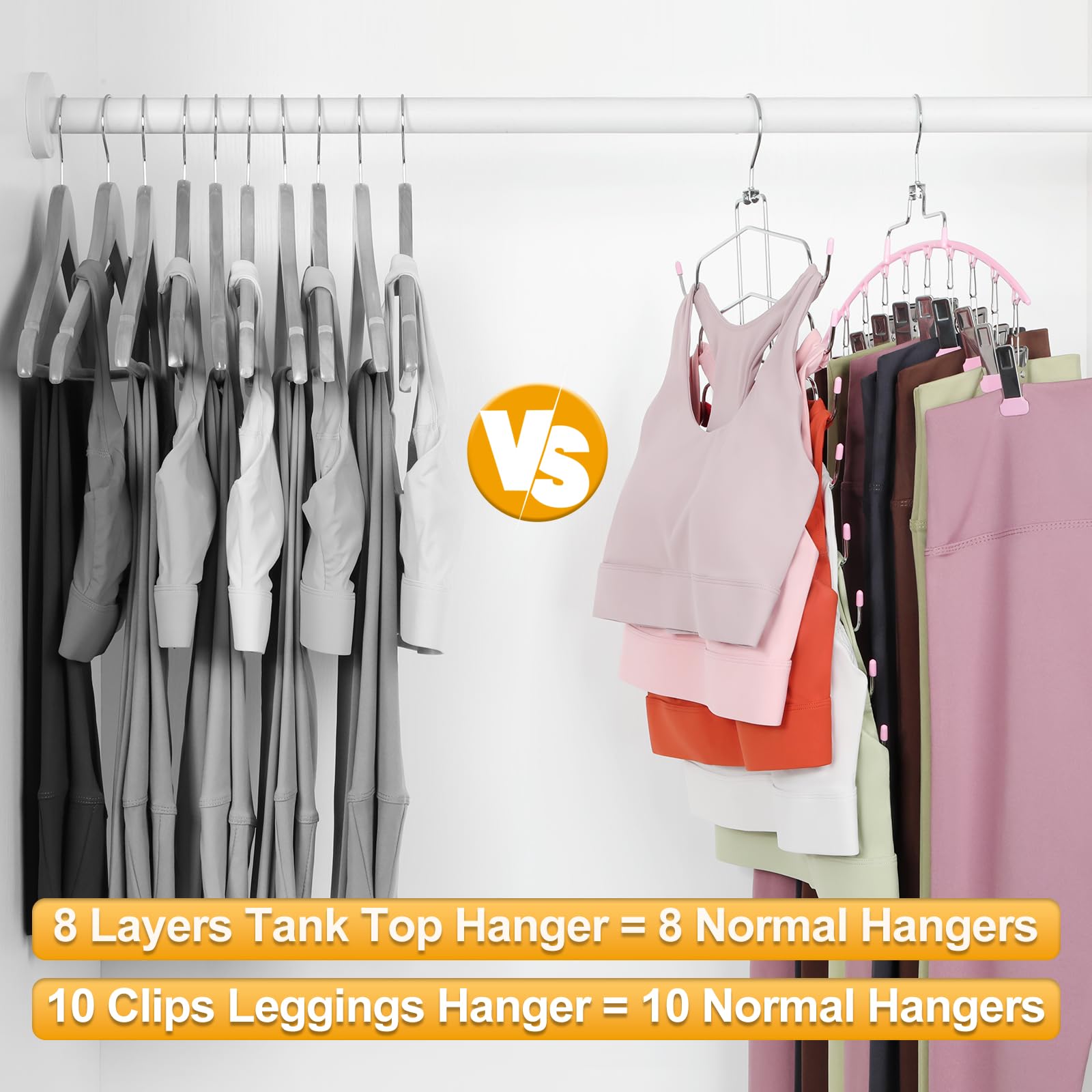
Credit: www.amazon.com
