

How to Gym Clothes: Style, Comfort, and Performance Tips
Stepping into a gym for the first time can be exciting, but it can also feel a bit confusing—especially when it comes to what you should wear. Many people underestimate the importance of gym clothes until they experience discomfort, chafing, or even injury. The right outfit not only helps you feel more confident, but it also supports your performance and safety. Whether you’re a beginner or someone looking to upgrade your workout wardrobe, understanding how to choose, care for, and style gym clothes can transform your exercise experience. This guide will break down everything you need to know in simple, clear language, so you can focus on your fitness goals without worrying about what’s on your back.
Why Gym Clothes Matter
Wearing the right clothes for exercise isn’t just about looking good—it’s about comfort, performance, and safety. Clothes made for the gym are designed to handle sweat, stretch, and the demands of movement.
Poor clothing choices can lead to:
- Chafing and irritation from rough seams or fabrics
- Overheating or feeling too cold
- Restricted movement, making exercises harder or unsafe
- Increased risk of slips or accidents
In contrast, the right gym wear can:
- Wick away sweat and keep you dry
- Support your body and prevent injuries
- Allow for full range of motion
- Boost your confidence and motivation
Many beginners don’t realize that everyday cotton t-shirts and pants are often poor choices for intense exercise. Cotton soaks up sweat and dries slowly, which can cause discomfort and even skin problems.
Understanding Gym Clothing Fabrics
Choosing the right fabric is the foundation of good gym wear. Each material has benefits and downsides, depending on your activity and preferences.
| Fabric Type | Main Features | Best Use |
|---|---|---|
| Polyester | Lightweight, durable, dries quickly, wicks moisture | All-purpose, cardio, weightlifting |
| Nylon | Soft, stretchy, quick-drying, resists mildew | Yoga, running, HIIT |
| Cotton | Soft, breathable, inexpensive, absorbs moisture | Light activity, casual wear |
| Spandex (Lycra/Elastane) | Highly stretchable, retains shape, usually blended | Tights, compression gear |
| Merino Wool | Wicks moisture, controls odor, regulates temperature | Outdoor workouts, cold weather |
Key Tips For Choosing Fabrics
- Moisture-wicking fabrics help pull sweat away from your skin, keeping you dry and comfortable.
- Stretch is important for flexibility, especially in activities like yoga or weightlifting.
- Breathability helps regulate your body temperature.
- Avoid 100% cotton for intense workouts—it soaks up sweat and can feel heavy and sticky.
Many new gym-goers think more expensive always means better quality, but fabric composition is more important than price. Check the label for polyester, nylon, or blended fabrics for better results.
Essential Gym Clothing Items
Building a gym wardrobe does not mean buying everything at once. Focus on core pieces that can handle most workouts. Here’s what you’ll need:
Tops
- T-shirts or tank tops: Look for breathable, moisture-wicking options that fit your body type. Looser tops allow more air flow, while fitted tops stay in place during movement.
- Long-sleeve shirts: Useful for warm-ups, outdoor workouts, or when the gym is cold.
Bottoms
- Shorts: Ideal for cardio and leg workouts. Choose pairs with liners for extra support.
- Leggings or tights: Offer compression and flexibility, great for yoga, Pilates, or running.
- Joggers or track pants: Comfortable for warm-ups, cool-downs, or less intense days.
Sports Bras (for Women)
Support is key. A good sports bra minimizes movement and discomfort. Choose based on your activity:
- High impact (running, HIIT): Maximum support, usually with thicker straps.
- Medium impact (cycling, weightlifting): Moderate support.
- Low impact (yoga, stretching): Light support, more comfort.
Underwear
Look for seamless, moisture-wicking underwear to avoid chafing. Cotton underwear is best avoided for high-sweat activities.
Socks
Choose athletic socks made from synthetic blends. They should fit snugly and offer cushioning, especially for running or high-impact classes. Avoid thick, loose socks that can bunch up.
Shoes
The right footwear can prevent injuries and improve performance. Running shoes, cross-trainers, and weightlifting shoes all offer different features. Make sure to pick shoes that match your primary activity.
Outerwear
- Lightweight jackets or hoodies: Good for outdoor workouts or going to and from the gym.
- Windbreakers or rain jackets: For running or cycling outdoors in unpredictable weather.
How To Choose The Right Gym Clothes For Your Body
Everybody is unique. Your gym clothes should make you feel comfortable and confident, not self-conscious.
Fit
- Clothes should be snug but not tight. You want to move freely without fabric getting in the way.
- Avoid clothes that are too loose, as they can catch on equipment or ride up.
- For weightlifting, fitted tops help you see your form and movements better.
Sizing
- Try on different sizes, as fitness brands may fit differently.
- If you’re between sizes, size up for comfort, especially if you’re doing lots of stretching or high-movement activities.
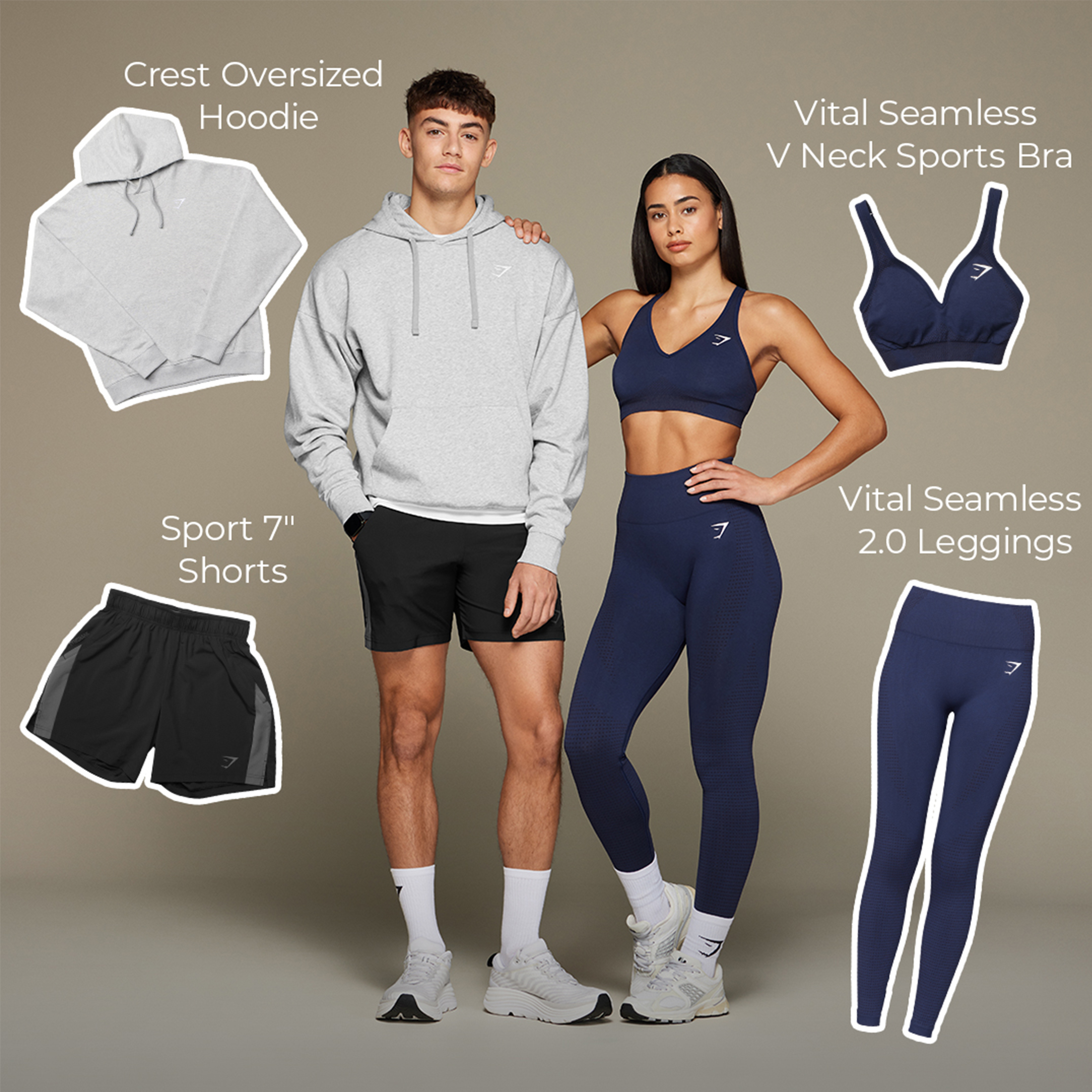
Body Shape Considerations
- If you have broader shoulders or chest, raglan sleeves (diagonal shoulder seams) can offer more room.
- Curvier hips or thighs? Opt for high-waisted leggings or shorts—they stay in place and provide extra support.
- For people with larger busts, high-impact sports bras and full-coverage tops give better support and coverage.
Credit: www.gymshark.com
Gym Clothes For Different Workouts
Not all exercises need the same gear. The best gym clothes match your workout style.
Cardio (running, Hiit, Spinning)
- Go for lightweight, breathable tops and shorts or leggings.
- High-impact sports bras and moisture-wicking socks are key.
- Avoid anything heavy or restrictive.
Weightlifting
- Fitted shirts or tanks help you monitor your form.
- Compression leggings or shorts give support and reduce muscle fatigue.
- Flat-soled shoes (like Converse or dedicated lifting shoes) provide stability.
Yoga And Pilates
- Stretchy, soft fabrics that move with you are best.
- High-waisted leggings prevent exposure during poses.
- Tank tops or fitted tees stay in place during movement.
Group Classes (dance, Zumba)
- Choose clothes that allow for lots of movement and wick away sweat.
- Breathable, flexible materials keep you comfortable as you move.
Outdoor Training
- Layering is important—start with a moisture-wicking base, add insulation (like fleece), and top with a windbreaker if needed.
- Choose UV-protective fabrics for sunny days.
Many people overlook the need to adapt their clothing to the workout. For example, wearing thick sweatpants for HIIT can cause overheating, while loose shorts for yoga may ride up during poses.
How To Build A Gym Wardrobe On A Budget
You don’t need to spend a fortune to get started. With smart choices, you can create a versatile workout wardrobe without breaking the bank.
- Buy essentials first: Start with 2–3 tops, 2 bottoms, a sports bra (if needed), a pair of socks, and good shoes.
- Look for sales or outlet stores: Major brands often have discounts on last season’s styles.
- Mix and match: Choose neutral colors so you can pair items in different ways.
- Check fabric quality: A cheap polyester shirt that feels soft and sturdy will last longer than a more expensive, trendy top that wears out fast.
- Buy multi-use items: Some clothes work for both the gym and casual outings. Joggers and fitted tees are a good example.
Here’s a quick comparison of what you might spend, depending on the brand:
| Item | Budget Brand (USD) | Mid-range Brand (USD) | Premium Brand (USD) |
|---|---|---|---|
| Top | $10–$20 | $25–$40 | $50–$75 |
| Bottom | $15–$30 | $35–$60 | $75–$120 |
| Sports Bra | $12–$20 | $35–$50 | $60–$100 |
| Socks (pair) | $2–$5 | $8–$15 | $20–$30 |
| Shoes | $35–$60 | $70–$120 | $120–$200 |
Remember, more expensive doesn't always mean better performance. Focus on comfort, fit, and durability.
Caring For Your Gym Clothes
Proper care can extend the life of your activewear and keep it fresh. Sweat, body oils, and bacteria can cause odors and damage fabrics if not washed out properly.
Washing Tips
- Wash soon after use: Don’t leave sweaty clothes sitting in your bag.
- Use cold water: It’s gentler on elastic fibers and helps colors last.
- Avoid fabric softeners: They can clog the fabric, reducing breathability and moisture-wicking abilities.
- Air dry when possible: High heat from dryers can damage stretchy fabrics and elastic bands.
Dealing With Odor
- Add a cup of white vinegar to the wash to neutralize stubborn smells.
- Turn clothes inside out before washing—this cleans sweat and bacteria better.
- Sun-dry your clothes occasionally; sunlight helps kill bacteria naturally.
Storage
- Store clean, dry gym clothes in a well-ventilated area.
- Avoid plastic bags or containers, which can trap moisture and cause mildew.
Many people forget that gym clothes need different care than regular clothes. Using too much detergent or hot water can break down performance fabrics quickly.
Style And Confidence In The Gym
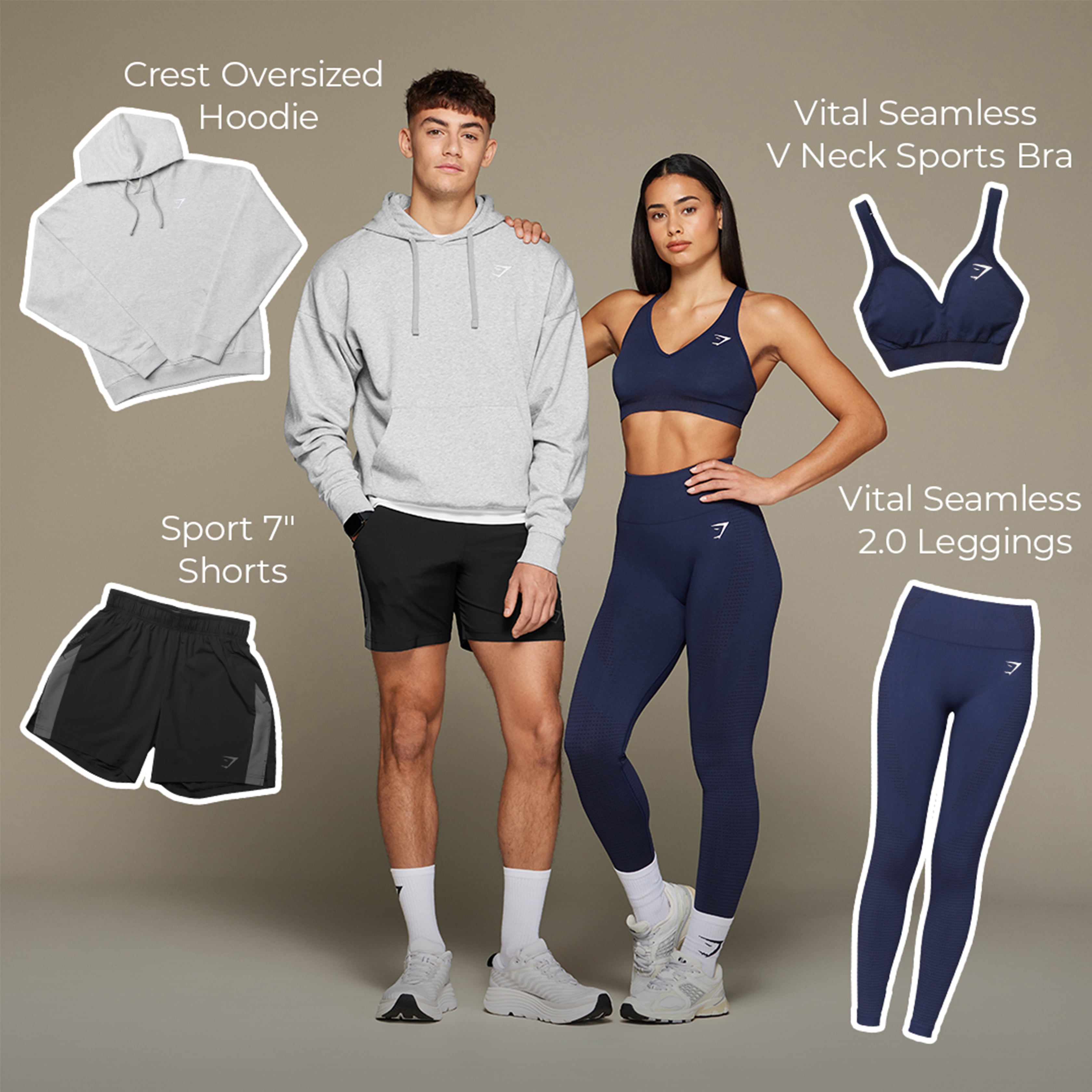
What you wear can affect how you feel about working out. When you feel good in your clothes, you’re more likely to stick with your fitness routine. Confidence isn’t about having the latest gear—it’s about wearing what makes you feel comfortable and ready.
Finding Your Style
- Try different brands and cuts until you find what suits your body and taste.
- Don’t be afraid of colors or prints if they boost your mood.
- Layer with jackets or vests if you feel shy or want to cover up before and after workouts.
Avoiding Common Style Mistakes
- Don’t wear see-through leggings—do a “squat test” in the mirror before buying.
- Avoid jewelry or accessories that can catch on equipment or distract you.
- Make sure your clothes aren’t too loose or too tight; both can affect performance and confidence.
Many beginners think everyone is watching or judging their outfit. In reality, most people are focused on their own workout. The right clothes help you focus on what really matters—your goals.
Credit: row.gymshark.com
Gym Clothes And Hygiene
Hygiene is not only about washing your clothes, but also about how you use and store them.
Tips For Staying Fresh
- Always bring a clean towel to wipe sweat off equipment and yourself.
- Change out of sweaty clothes as soon as possible after your workout.
- Store wet or dirty clothes in a breathable bag until you can wash them.
- Keep a small bottle of antibacterial spray for shoes or gear that can’t be washed easily.
Hidden Hygiene Dangers
- Reusing unwashed gym clothes can cause skin irritation, acne, and infections.
- Dirty shoes can track bacteria onto gym floors and mats.
- Using shared gym mats or equipment? Consider bringing your own mat cover or towel.
Environmental Impact Of Gym Clothes
Most gym clothes are made from synthetic materials, which can have a negative impact on the environment. But there are ways to make more responsible choices.
How To Be More Eco-friendly
- Buy fewer, higher-quality items that last longer.
- Look for brands that use recycled materials or have sustainability programs.
- Wash clothes only when needed—spot clean if possible.
- Avoid fast fashion and disposable trends.
Some brands offer recycling programs for old gym clothes. Consider donating or recycling rather than throwing away worn-out items.
Common Gym Clothing Mistakes And How To Avoid Them
Even experienced gym-goers make mistakes with their gear. Here are some of the most common, and how you can sidestep them:
- Wearing the wrong shoes: Using running shoes for weightlifting (or vice versa) can lead to poor support and injury risk. Choose shoes specific to your main activity.
- Ignoring fabric care: Washing gym clothes with fabric softener or hot water can break down performance fibers quickly.
- Neglecting fit: Baggy or overly tight clothes can make exercise harder and increase injury risk.
- Overlooking socks: The wrong socks can cause blisters or slip inside your shoes.
- Choosing style over function: Trendy outfits that restrict movement or don’t breathe well can ruin your workout.
- Not investing in a good sports bra (for women): Lack of support can lead to pain and even long-term damage.
- Forgetting a backup: Having an extra shirt or socks in your bag is helpful for unexpected situations.
- Wearing jewelry: Rings, necklaces, and bracelets can catch on equipment and cause injuries.
- Mixing gym and regular clothes: Street clothes are rarely designed for intense movement or sweat.
- Skipping the squat test: Always check leggings and shorts in different lighting to avoid see-through surprises.
Innovations In Gym Wear
Athletic wear is constantly evolving. Today’s gym clothes offer features that were once only available to professional athletes.
Popular Innovations
- Compression technology: Improves blood flow and reduces muscle fatigue.
- Seamless construction: Reduces chafing and irritation.
- Anti-odor treatments: Fabrics treated with silver ions or other anti-microbial agents to prevent smell.
- UV protection: Some clothing blocks harmful rays for outdoor workouts.
- Smart fabrics: Integrated sensors that track heart rate or muscle activity.
These features can be useful, but not everyone needs them. Focus on basics first, and add high-tech items as your needs grow.
Gym Clothes For Specific Needs
Everyone’s fitness journey is different. Some people have unique needs when it comes to gym wear.
Plus-size Gym Wear
- Look for brands with extended sizing and good return policies.
- High-waisted leggings and tops with more coverage can boost comfort and confidence.
Modest Gym Wear
- Long-sleeve, moisture-wicking tops and loose joggers are widely available.
- Layering lightweight pieces can help with coverage without overheating.
Sensitive Skin
- Choose tagless, seamless, and hypoallergenic fabrics.
- Avoid harsh detergents or scented laundry products.
Adaptive Activewear
- Some companies now offer gym clothes for people with disabilities, featuring easy closures or accessible designs.
How To Shop For Gym Clothes Online
Online shopping can be convenient but tricky. Here’s how to avoid common pitfalls:
- Check size guides: Every brand is different—always compare your measurements.
- Read reviews: Look for comments about fit, stretch, and durability.
- Check return policies: Make sure you can exchange or return if needed.
- Look for real photos: Customer photos can show how clothes look on different body types.
- Start with basics: Try one or two items before buying a full wardrobe from an unfamiliar brand.
Trusted Brands And Where To Buy
There are many reliable brands for gym clothes, from budget to premium. Some favorites include Nike, Adidas, Under Armour, Lululemon, Gymshark, and Old Navy. Local sports stores often carry good options, and online retailers like Amazon and Zappos have wide selections.
For more information on the science behind performance fabrics, visit NCBI.
Frequently Asked Questions
What Are The Best Fabrics For Gym Clothes?
The best fabrics are polyester, nylon, and spandex blends. They wick away sweat, dry quickly, and stretch with your movement. Avoid 100% cotton for high-sweat activities, as it absorbs moisture and dries slowly.
How Often Should I Wash My Gym Clothes?
Wash your gym clothes after every use to remove sweat, bacteria, and odors. If you do a very light workout and don’t sweat, you might wear them again, but this is not recommended for most people.
Can I Wear Regular Clothes To The Gym?
Regular clothes like jeans or cotton t-shirts are not designed for exercise. They can restrict movement, cause overheating, and lead to discomfort or injury. Always choose clothes made for athletic use.
How Do I Prevent My Gym Clothes From Smelling Bad?
Wash them soon after use, avoid fabric softeners, and air dry when possible. Turning clothes inside out before washing and using a cup of white vinegar in the wash can help remove odors.
Are Expensive Gym Clothes Worth The Price?
Not always. While some features (like better stitching, fit, or innovation) can be worth extra money, many budget brands offer quality basics. Focus on comfort, fit, and fabric quality rather than price or brand name.
Choosing the right gym clothes isn’t just about style or brand—it’s about feeling comfortable, confident, and ready for any workout. With the right information and a bit of planning, you can build a gym wardrobe that supports your fitness journey, no matter your goals or budget. The key is to focus on what works for you, stay open to trying new options, and remember that everyone starts somewhere. Your gym clothes are just the beginning—what really matters is taking that step and moving forward.

Credit: www.menshealth.com
