

How to Fix Long Flare Leggings: Easy Hemming Tips
How To Fix Long Flare Leggings
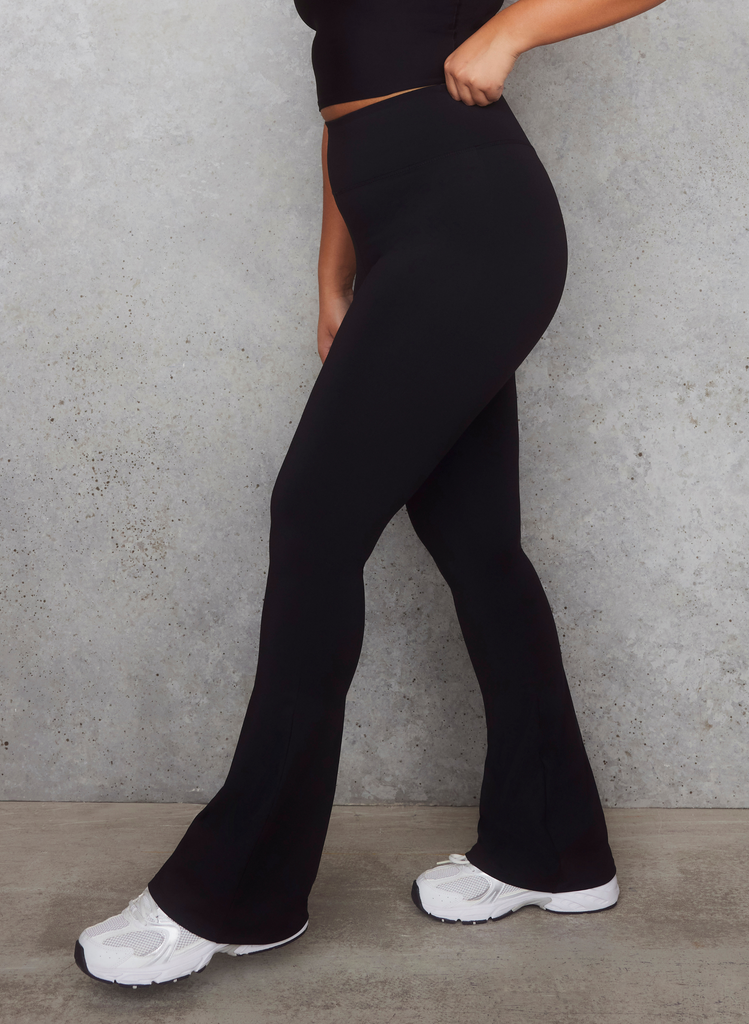
Flare leggings are stylish, comfortable, and popular for many reasons. They offer a retro vibe, suit different body shapes, and can be worn for workouts or casual days. But sometimes, flare leggings are simply too long. When the length isn’t right, you might trip, drag the fabric, or even ruin the look.
If you’ve bought a pair and discovered they sweep the floor, don’t worry. You don’t have to give up on them or pay for expensive tailoring. There are practical ways to fix long flare leggings at home—even if you’re not skilled with a needle and thread.
This guide will show you exactly how to adjust your leggings, make them fit your style, and keep them looking great.
Why Are Flare Leggings Often Too Long?
Understanding why flare leggings run long is helpful before you try to fix them. Many brands make leggings longer to fit a wider range of customers. This is especially true for flare styles, as the wide bottom needs extra length to fall correctly.
Some brands also assume people will wear them with heels, which adds more length. However, not everyone is tall or wants to wear platform shoes daily.
There’s also the issue of fabric shrinkage. Some leggings may shrink after a few washes, so brands add extra length. But this doesn’t help if they stay too long after washing.
A good fit can make you look taller and more put together. Ill-fitting leggings, especially if they bunch at the bottom, can make outfits look sloppy. Fixing the length ensures comfort and style.
Check Before You Cut: Important Steps
Before you start fixing your leggings, it’s smart to check a few key things. Skipping these steps can lead to mistakes that are hard to fix.
1. Try Them On With Different Shoes
Put on the flare leggings with the shoes you plan to wear most often. The right length may depend on whether you wear sneakers, sandals, or heels. Shoes with thick soles will lift your legs and make the leggings seem shorter.
2. Wash And Dry First
If your leggings are new, wash and dry them as you normally would. Some fabrics shrink after the first wash. By cleaning them first, you avoid making them too short later.
3. Measure The Ideal Length
Stand in front of a mirror and let the leggings fall naturally. Use a tape measure or ask a friend to help. Decide where you want the hem to end. Usually, the hem should just skim the top of your foot or shoe, not drag on the ground.
4. Mark The Spot
Use tailor’s chalk, pins, or a washable marker to note the new hemline. Do this while standing straight for the most accurate results.
Methods To Fix Long Flare Leggings
There are several methods to shorten flare leggings, depending on your skills, tools, and preferences. Each has its pros and cons. Let’s explore the best options.
1. Simple Hand Sewing
Hand sewing is a classic way to shorten leggings. It takes time but gives you control. You don’t need a sewing machine, just a needle and thread.
Steps For Hand Sewing
- Mark the new hem while wearing the leggings.
- Take them off and lay them flat.
- Cut off the excess fabric, leaving about 2 cm (about ¾ inch) below your mark for the new hem.
- Fold the extra fabric inside and pin it in place.
- Thread a needle and knot the end.
- Use a simple stitch (like a running stitch or backstitch) around the hem.
- Tie off the thread and trim any loose ends.
Tips
- Use a thread color that matches your leggings.
- Try to keep your stitches even and small.
- Don’t pull the thread too tight, or the hem might pucker.
2. Using A Sewing Machine
A sewing machine makes the process quicker and gives a professional finish. This is the best option if you have access to one.
Steps For Machine Hemming
- Follow the same marking and cutting steps as for hand sewing.
- Use a stretch needle and a stretch stitch or zigzag stitch on your machine. This helps the hem move with the fabric.
- Sew the folded hem in place, going slowly around the flare.
- Trim any loose threads and press the hem with an iron.
Tips
- Always test your stitch on a fabric scrap first.
- If your machine has a twin needle, use it for a neat double row of stitches.
3. No-sew Hemming Tape
For those who don’t sew, hemming tape is a quick solution. This special tape bonds fabric when heated with an iron.
Steps For Hemming Tape
- Mark and cut your leggings to the right length.
- Fold up the hem and place hemming tape inside the fold.
- Press with a hot iron (no steam) for the time suggested on the tape’s packaging.
- Let it cool before wearing.
Tips
- Hemming tape works best on synthetic fabrics.
- Don’t use too much tape, or the hem may feel stiff.
- If you need to undo the hem, most tapes can be removed with heat.
4. Fabric Glue
Fabric glue is another no-sew option. It is flexible and washable, but not as strong as sewing. It’s best for leggings you don’t wash too often.
Steps For Fabric Glue
- Mark and cut your leggings.
- Fold up the hem and apply a thin line of fabric glue inside.
- Press the fold together and hold for a few seconds.
- Let the glue dry completely (check the instructions—some glues take several hours).
Tips
- Wash glued hems gently and avoid high heat.
- Use only glue designed for fabric—other glues can damage or stain.
5. Using Safety Pins Or Decorative Clips
If you don’t want a permanent change, try safety pins or decorative clips to shorten leggings for a day. This is useful for events or if you want to resell the leggings later.
How To Use Pins Or Clips
- Fold up the extra length inside.
- Use safety pins or decorative clips to hold the fold in place on each side.
- Adjust so the fold is even and comfortable.
Tips
- Choose flat, strong pins to avoid discomfort.
- For a fun look, try clips or brooches that match your outfit.
6. Creating A Raw Edge Hem
Some flare leggings have a raw edge hem—the fabric is simply cut and left unfinished. This works well for leggings made of knit or spandex material that doesn't fray.
How To Make A Raw Edge
- Mark the desired length while wearing the leggings.
- Take them off and lay them flat.
- Cut carefully with sharp fabric scissors.
Tips
- Cut in small sections for a straight line.
- Test a scrap first to see if the fabric curls or frays.
- This method is trendy and quick, but not for every material.
7. Taking To A Professional Tailor
If you’re worried about ruining your leggings or want a perfect finish, a professional tailor can help. They have the right tools and skills to adjust flare leggings without changing the shape or flow.
What To Expect
- Tailors usually measure you while you wear the leggings.
- They can match the original hem style.
- Prices vary, but it’s often worth it for expensive or favorite pairs.
Tips
- Bring the shoes you’ll wear most often.
- If possible, ask for references or see samples of their work.
Comparing The Main Methods
To help you choose, here’s a comparison of the main ways to fix long flare leggings:
| Method | Skill Level | Durability | Cost | Time Needed |
|---|---|---|---|---|
| Hand Sewing | Beginner | High | Low | 30-60 min |
| Sewing Machine | Intermediate | Very High | Low (if own machine) | 15-30 min |
| Hemming Tape | Beginner | Medium | Low | 10-20 min |
| Fabric Glue | Beginner | Medium | Low | 10-15 min + drying |
| Safety Pins/Clips | Beginner | Low (temporary) | Very Low | 5-10 min |
| Raw Edge Hem | Beginner | Medium | Very Low | 5-10 min |
| Professional Tailor | — | Very High | Medium-High | 1-5 days |
Special Tips For Different Fabrics
The material of your leggings affects which method is best. Here are tips for common fabrics:
Cotton Or Cotton-blend
- Easy to sew by hand or machine.
- Raw edges may fray, so always hem or use glue/tape.
Spandex, Lycra, Or Elastane
- Stretches a lot, so use stretch stitches.
- Raw edge is often fine—these fabrics don’t fray.
Polyester
- Use a ballpoint needle to avoid snags.
- Hemming tape works well.
Thick Yoga Or Athletic Fabrics
- May need a stronger needle.
- Double-fold hems help prevent rolling or stretching.
Mistakes To Avoid
Many people make the same mistakes when shortening flare leggings. Here’s how to prevent problems:
1. Cutting Too Much Off
Always leave extra length when you cut. You can trim more, but you can’t add fabric back.
2. Not Accounting For Shoes
Try on leggings with your usual shoes before marking the length.
3. Using Regular Scissors
Dull scissors can leave uneven edges. Use sharp fabric scissors for a clean cut.
4. Skipping The Wash
Always wash leggings first to avoid shrinkage surprises.
5. Choosing The Wrong Stitch
If you sew, use a stretch stitch. Straight stitches can break when you pull on the leggings.
6. Rushing The Process
Take your time. Measure twice, cut once.
7. Ignoring Fabric Type
Some materials need special needles or thread. Match your supplies to the fabric.
Credit: lovall.com
How To Maintain The New Hem
After fixing the length, you want your leggings to stay looking good. Here are some care tips:
- Wash on gentle settings to avoid stressing the new hem.
- Air-dry when possible. High heat can damage fabric glue or hemming tape.
- Check the hem after each wash. If you notice loose threads or lifting tape, fix it early.
- Avoid rough activities like hiking or sports that can snag the hem.
Creative Ways To Style Fixed Flare Leggings
Once your leggings fit perfectly, you might want to try new looks. Here are ideas to keep your style fresh:
- Pair with chunky sneakers for a sporty vibe.
- Add platform sandals to show off the flare.
- Layer with long sweaters or tunics for a cozy outfit.
- Try bold socks peeking out under the flare.
- Use belts or cropped jackets to balance the wide leg.

Credit: americantall.com
Real-life Example: Fixing Flare Leggings At Home
Let’s look at a real example. Maya bought a pair of black flare leggings online. When they arrived, they were 8 cm too long. She didn’t want to pay for tailoring. Here’s how she fixed them:
- Maya washed and dried the leggings first.
- She put them on with her favorite sneakers and marked the new hem with chalk.
- She cut off the extra fabric, leaving 2 cm for the fold.
- Using hemming tape, Maya folded up the hem and ironed it in place.
- After cooling, she tried them on—the length was perfect, and the finish looked clean.
Maya’s story shows that you don’t need sewing skills to adjust leggings. With patience and the right materials, anyone can do it.
Long-term Benefits Of Fixing Leggings Yourself
Learning to fix your own clothing saves money and boosts confidence. Here’s why it’s worth the effort:
- Saves money: Tailoring costs add up, especially if you buy leggings often.
- Custom fit: You get the exact length you want.
- Sustainability: Adjusting clothes means you keep them longer, reducing waste.
- Skill building: Simple sewing or hemming is a useful life skill.
If you’re worried about making a mistake, start with an old or cheap pair before trying on your favorites.
When To Replace Instead Of Fix
Sometimes, fixing isn’t the best option. Here are signs it’s time to buy new leggings:
- The fabric is thin, see-through, or stretched out.
- There are holes or tears near the hem.
- The flare shape is lost after several fixes.
- The leggings no longer fit at the waist or hips.
In these cases, buying a new pair is better for comfort and style.
Data: Why Proper Fit Matters
Studies show that clothing fit affects not just appearance, but also confidence and movement. Poorly fitting leggings can cause trips or discomfort. According to a survey by a leading activewear brand, over 60% of women said they avoid wearing clothes that feel too long or bulky.
Properly fitted leggings help you move freely and look your best.
Common Questions About Flare Leggings
Curious about other issues related to flare leggings? Here are some frequent concerns:
| Problem | Possible Solution |
|---|---|
| Leggings slide down | Try a smaller size or look for a higher waistband |
| Fabric pills or snags | Wash inside out and avoid rough surfaces |
| Flare too wide | Consider having a tailor adjust the width |
| Color fades | Wash in cold water and air-dry |
| Leggings lose shape | Choose blends with high spandex content |
Frequently Asked Questions
How Much Should I Shorten Flare Leggings?
You should shorten flare leggings so the hem just touches the top of your foot or shoe. Avoid making them too short, as the flare looks best when it hangs over part of your shoe. Always measure while standing and wearing your usual shoes.
Can I Fix Flare Leggings Without Sewing?
Yes, you can use hemming tape or fabric glue for a no-sew fix. These methods are quick and easy, but may not last as long as sewing. For a temporary change, you can fold the extra fabric inside and use safety pins.
Will Cutting Flare Leggings Cause Them To Fray?
It depends on the material. Knit and spandex fabrics usually do not fray, so a raw edge hem is fine. Cotton or woven fabrics may fray, so it’s best to sew or glue the hem.
What If I Cut Too Much Off My Leggings?
If you cut too much, there’s no easy way to add fabric back. You can try sewing a similar fabric strip to the bottom, but it may not look the same. To avoid this, always cut less than you think and re-measure before cutting more.
Is It Worth Paying A Tailor To Fix Leggings?
If your leggings are expensive or you want a perfect finish, a professional tailor is a good option. Tailors can match the original hem and ensure the flare keeps its shape. For basic or cheap leggings, home fixes are usually enough.

Credit: www.youtube.com
More Resources
If you want to learn more about fabric care or sewing techniques, visit Craftsy for helpful guides and video classes.
Flare leggings are a wardrobe staple for many people. Fixing the length yourself is easier than you might think. With the right tools and a bit of patience, you can make any pair fit perfectly—so you look and feel your best every time you wear them.
