

How to Fix Flare Pants That are Too Long: Easy Hemming Guide
When you buy a new pair of flare pants, it’s exciting. The wide, dramatic shape can make your legs look longer and add a stylish touch to any outfit. But there’s a common problem: many flare pants are simply too long. The extra fabric can drag on the ground, get dirty, or even cause you to trip. You might feel frustrated, especially if you don’t want to ruin the shape or spend a lot on tailoring. Luckily, there are several ways to fix flare pants that are too long—some you can do at home, and others with a little professional help. This guide will walk you through all your options, share tips for the best results, and help you avoid common mistakes.
Why Flare Pants Are Often Too Long
Flare pants are usually designed with extra length to suit taller people or to be worn with high heels. Brands want to make sure the pants will fit most buyers, so they often make them longer than average. If you’re on the shorter side or prefer flats, this means you almost always need to adjust the length.
Knowing this can help you plan ahead before you buy or wear your new pants.
Understanding How Flare Pants Should Fit
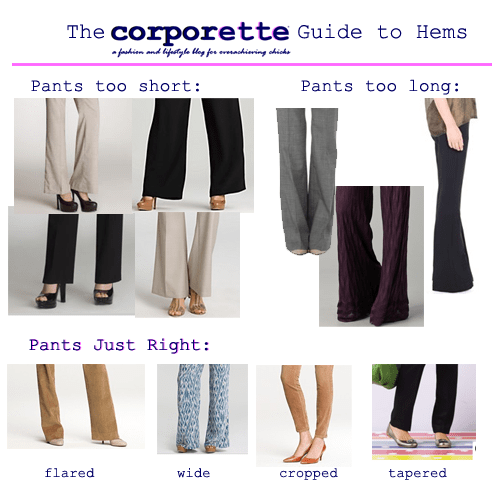
Before you start hemming or altering, it’s important to know how flare pants are supposed to look. The hem should just skim the top of your shoes, not puddle on the floor. For a classic look, the back of the hem can be about half an inch from the ground when you stand up straight. If you plan to wear heels, you might want the pants a bit longer, but never so long that they catch under your feet.
A common mistake is to cut too much or make the hem uneven. Always try on your pants with the shoes you plan to wear most often. This small step makes a big difference to the final result.

Credit: www.youtube.com
Quick Fixes: Temporary Solutions
Sometimes you need a fast solution before you can do a proper alteration. There are several temporary fixes you can try at home.
1. Double-sided Fashion Tape
This is a quick and easy option. Stick the tape inside the hem and fold the extra fabric under. Press firmly. It holds well for a day or two but may not last through washing.
2. Safety Pins
Fold the hem inside and use safety pins to secure it. Place pins every few inches to keep the fold even. This works in a pinch, but be careful not to prick yourself.
3. Iron-on Hem Tape
This tape melts when heated with an iron, sticking the folded hem in place. It lasts longer than fashion tape and creates a clean finish. Always check the care label first—some fabrics don’t react well to heat.
4. Fabric Glue
Apply a thin line of fabric glue inside the pant leg, fold the extra length up, and press. Let it dry fully before wearing. This is best for thicker fabrics and is mostly invisible from the outside.
These quick fixes are perfect if you’re in a hurry or want to test the new length before committing to a permanent change.
Permanent Solutions: Hemming Flare Pants
If you want a long-lasting fix, hemming is the best way to shorten flare pants. You can do this by hand, with a sewing machine, or have it done professionally.
Hand Sewing The Hem
Hand sewing lets you control every detail. Here’s how to do it:
- Try on your pants with shoes, and fold the hem to the desired length.
- Mark the new hem with tailor’s chalk or a washable marker.
- Take off the pants and measure the fold. Make sure both legs are even.
- Cut off excess fabric, leaving about 1 inch extra for the hem.
- Fold the edge under twice (each fold about half an inch) to hide raw edges.
- Pin the fold in place.
- Thread a needle with matching thread. Sew using a blind hem stitch—catch only a few threads on the outside to keep stitches invisible.
- Press the hem flat with an iron.
This method works for most fabrics. If your pants have a lining, make sure not to sew through it.
Using A Sewing Machine
A sewing machine makes the process faster and stronger. The steps are similar to hand sewing:
- Mark, cut, and fold the hem as above.
- Use a straight stitch or a blind hem stitch setting.
- Sew close to the folded edge, removing pins as you go.
- Press to finish.
A sewing machine is best for heavy denim or thick fabrics, which can be hard to sew by hand.
Getting Pants Professionally Hemmed
If you’re not confident with sewing, a tailor can help. Professional hemming costs more but ensures a perfect finish. Good tailors will match the original hem style, even keeping the decorative stitching some flare jeans have.
The main advantage is quality. A tailor can keep the flare shape, line up seams, and use special equipment for tricky fabrics. It’s also a good choice if your pants have unique details like embroidery or beading near the hem.
Keeping The Original Hem (euro Hem)
Some flare pants, especially jeans, have a faded or distressed hem that you want to keep. In this case, ask for a Euro hem. The tailor removes the original hem, shortens the pants, and reattaches the original hem at the new length. This keeps the factory finish, so no one can tell the pants were shortened.
No-sew Methods For Fixing Length
Not everyone owns a sewing machine or wants to sew. Here are some no-sew solutions that give a permanent or semi-permanent result.
Iron-on Hem Tape
Iron-on hem tape is easy to use and creates a clean edge. It works best on cotton, polyester, and blends. Just follow these steps:
- Turn the pants inside out and fold up the hem.
- Place the tape between the fabric layers.
- Press with a hot iron (no steam) for about 10 seconds.
- Let it cool, then check that it’s secure.
It doesn’t work well on silk or stretchy fabrics, and it’s not as strong as sewing, but it’s good for most flare pants.
Fabric Glue
Fabric glue is a stronger option than tape. Apply a thin line along the new hem and press firmly. Wait for it to dry completely before wearing or washing. Fabric glue works best on thicker fabrics and is almost invisible once dry.
Fusible Web
A fusible web is similar to hem tape but more flexible. It melts with heat to bond two pieces of fabric. You can find it in craft stores. Use it the same way as hem tape, but check the instructions for your web’s temperature and pressing time.
How To Measure And Mark The Correct Length
Measuring is the most important step. Even a small mistake can ruin the shape of your pants.
- Put on the shoes you plan to wear most with your flare pants.
- Stand straight, and have someone help measure from the waistband to the floor at the back of your leg.
- Mark the spot where you want the hem to fall.
- Repeat for the other leg to check for evenness.
- Add 1 inch for the hem allowance if you plan to sew or use tape.
Always measure twice before cutting. If you’re working alone, use a mirror and mark carefully.
Preserving The Flare Shape When Shortening
A big risk when hemming flare pants is losing the original flare shape. If you cut too much, the pants can look straight or awkward.
To avoid this:
- Fold the hem evenly all the way around.
- After cutting, pin the hem in place and try the pants on. Check that the flare still starts at the right place.
- If the pants are very wide, you may need to taper the sides slightly after shortening. This step is easier with a sewing machine.
- For pants with a strong flare, avoid cutting more than 2–3 inches off. More than that can change the look completely.
If you need to remove a lot of length, consider buying a pair made for your height or look for petite sizing.
Special Cases: Different Fabrics And Features
Not all flare pants are the same. Some materials and styles need special care.
Denim
Denim is thick and holds shape well. You can use most methods, but sewing is best for durability. Preserving the original hem is popular for jeans.
Lightweight Fabrics
Thin fabrics, like rayon or silk, need gentle handling. Use a very fine needle if sewing. Hem tape is a good choice, but always test on a scrap first.
Stretchy Fabrics
Stretchy flare pants, like yoga pants, can be tricky. Use a zigzag stitch or a stretch hem tape to avoid puckering. Never use a straight stitch—it can break when you move.
Embellishments And Lining
If your pants have beads, sequins, or a lining, be careful. Move or remove decorations before hemming, and sew the lining separately.
Comparing Different Methods
Here’s a simple guide to help you choose the right method for your pants:
| Method | Best For | Durability | Skill Level |
|---|---|---|---|
| Hand Sewing | All fabrics | High | Beginner/Intermediate |
| Sewing Machine | Denim, thick fabrics | Very High | Intermediate |
| Iron-On Hem Tape | Cotton, blends | Medium | Beginner |
| Fabric Glue | Thick fabrics | Medium | Beginner |
| Professional Tailor | All fabrics, complex pants | Very High | None required |
How To Avoid Common Mistakes
Many people make the same errors when fixing flare pants. Here’s how to avoid them:
- Don’t cut before you’re sure. Always fold and pin first, then try on with shoes.
- Avoid uneven hems by measuring both legs carefully.
- Don’t use high heat on delicate fabrics—it can scorch or melt them.
- Don’t skip finishing the raw edge. Unfinished edges will fray in the wash.
- Avoid hemming too short. Flare pants should cover most of your shoe.
Paying attention to these details saves time and stops you from ruining a favorite pair of pants.
Making Your Fix Last: Washing And Care Tips
After you hem your flare pants, taking care of them is important. Here’s how to keep the new hem looking good:
- Always wash pants inside out to protect the hem.
- Avoid very hot water, which can shrink the fabric or weaken glue/tape.
- Air dry or use low heat in the dryer.
- For iron-on tape or glue, wait at least 24 hours after fixing before washing.
If you see the hem coming loose, repair it right away to stop further damage.
When To Choose A Professional Tailor
Sometimes it’s best to let an expert handle your pants. Choose a tailor if:
- The fabric is expensive or delicate.
- The pants have a lining, beads, or decorations.
- You want to keep a special hem style.
- You need to shorten more than 3 inches.
A good tailor can match thread, finish the hem neatly, and keep the flare shape. The cost is usually reasonable compared to replacing the pants.
Diy Hemming: Step-by-step Example
Let’s walk through an example of hemming flare pants at home by hand:
- Try on the pants with your shoes and fold the hem to the right length.
- Pin the new hem all around. Make sure both legs are the same.
- Take off the pants. Use a measuring tape to check the fold—adjust if needed.
- Mark the new hem with chalk.
- Cut off excess fabric, leaving 1 inch for the new hem.
- Fold the edge under twice (½ inch each time), then pin.
- Thread a needle with matching thread.
- Use a blind hem stitch: Catch a few threads of the outer fabric, then sew through the folded hem.
- Continue all around. Knot the thread and trim.
- Press with an iron to finish.
This method works for most flare pants and needs only basic sewing skills.
Using Shoes To Fake A Shorter Length
If you don’t want to hem your pants, wearing platforms or high heels is a simple trick. The extra height lifts the hem off the ground. This works well for pants that are only an inch or two too long.
Another tip is to wear chunky sneakers or boots with a thick sole. These shoes pair well with flare pants and help avoid tripping.
Credit: corporette.com
Special Care For Vintage Or Designer Flare Pants
If your pants are vintage or designer, be extra careful. Don’t cut the original hem unless you’re sure. A professional can often preserve the details. If you plan to sell or donate the pants in the future, keeping the length original helps keep their value.
How Long Should Flare Pants Really Be?
The ideal length depends on your height and shoe choice, but here’s a quick reference:
| Shoe Type | Recommended Hem Position |
|---|---|
| Flats/Sneakers | ½ to 1 inch above the ground |
| High Heels | Just above the ground |
| Platforms/Chunky Shoes | Even with the top of the shoe |
Trying on with different shoes before you hem is the best way to get it right.
Practical Tips For The Best Results
- Use quality thread and sharp scissors for a clean hem.
- Always test any glue or tape on a scrap of fabric first.
- Double-check measurements before making cuts.
- Press the hem with an iron for a professional finish.
- If you make a mistake, don’t panic—many errors can be fixed or hidden.
When To Leave The Pants Long
Some people like the look of extra-long flare pants for a dramatic effect. If you only wear them for photos or special events, a quick fix like fashion tape is enough. But for daily wear, a proper hem is safer and keeps your pants looking neat.
Environmental Tip: Reuse Fabric Scraps
After shortening your pants, don’t throw away the leftover fabric. You can use it to patch holes, make headbands, or practice sewing. Reusing scraps helps reduce waste.
Where To Find More Help
If you want to see hemming in action, many online guides and videos can help. Sites like WikiHow have step-by-step instructions for beginners.

Credit: sewwhatgilly.wordpress.com
Frequently Asked Questions
How Much Does It Cost To Hem Flare Pants At A Tailor?
The price depends on where you live, the fabric, and how complex the job is. Simple hems usually cost less, while designer pants or special hems cost more. On average, you can expect to pay between $10 and $25 per pair.
Can I Hem Flare Pants Without Sewing?
Yes, you can use iron-on hem tape, fabric glue, or fusible web to shorten pants without sewing. These options work well for most fabrics but may not be as strong as sewing. Always follow the instructions on the product you use.
Will Hemming Change The Flare Shape?
If you take off only a small amount, the flare shape stays the same. Cutting off too much can make the pants look straight or less dramatic. Try to shorten just enough to stop the pants from dragging, and always pin and try on before cutting.
What If My Flare Pants Have A Special Hem Or Decoration?
If there are beads, embroidery, or a unique hem, it’s best to see a professional tailor. They can move or recreate decorations to keep the look. For jeans, ask about keeping the original hem.
How Do I Hem Stretchy Flare Pants?
Stretchy fabrics need special care. Use a zigzag stitch or stretch hem tape to keep the hem flexible. Never use a regular straight stitch, as it can snap when the fabric stretches.
Shortening flare pants doesn’t have to be stressful or expensive. With the right tools and a careful approach, you can get a perfect fit and keep your favorite pants looking their best. Take your time, measure carefully, and choose the method that suits your skills and your pants.
With a little effort, you’ll never have to worry about pants that are too long again.
