

How to Fix Flare Pants: Easy DIY Solutions for a Perfect Fit
Flare pants have a unique place in fashion. Their wide bottoms give a dramatic look, making legs look longer and adding movement to any outfit. But sometimes, flare pants need fixing—maybe they’re too long, too wide, dragging on the ground, or just not fitting right around the hips or thighs.
Whether your goal is a quick DIY adjustment or a professional-style finish, knowing how to fix flare pants is a valuable skill.
This guide will show you how to fix common flare pant problems, from hemming and tapering to handling rips, stretching, and more. You’ll also learn when to try DIY fixes and when it’s best to see a tailor. With practical tips and clear instructions, you can get your flare pants looking perfect—no sewing experience needed.
Understanding Flare Pants And Common Issues
Flare pants are designed with a narrow fit at the top and a flared opening at the bottom. This style comes in many fabrics, from denim to soft knits, and can be casual or formal. But because of their unique shape, flare pants often run into specific problems:
- Too long for your height, dragging on the ground
- Flare too wide for your taste or body type
- Waist too loose or tight
- Thigh or hip area not fitting well
- Seams rip or fabric stretches out
- Hems come undone
Beginners often miss that different fabrics react differently to fixes. For example, stretch denim can shrink more after sewing, while polyester blends are trickier to hem. Always check the fabric content before starting.
Also, many people overlook the importance of wearing the right shoes before making any changes. The length and flare can look very different with flats compared to heels.
Essential Tools And Materials For Fixing Flare Pants
Before making any changes, gather these essential tools:
- Sharp fabric scissors for clean cuts
- Measuring tape for accurate measurements
- Chalk or fabric marker to mark lines
- Pins or clips to hold fabric in place
- Sewing machine or needle and thread for hand sewing
- Iron to press seams
- Seam ripper to open old seams
- Hemming tape for no-sew fixes
Having the right tools will make your work easier and your results more professional.
How To Hem Flare Pants That Are Too Long
Long flares are common, especially for shorter people. Hemming them to the right length makes a huge difference. Here’s a step-by-step way to hem flare pants:
- Try on your pants with the shoes you’ll wear most. This prevents making them too short.
- Use chalk to mark the new length. It’s better to mark a little longer first—you can always cut more later.
- Take off the pants and lay them flat. Make sure both legs are even.
- Use a measuring tape to check from the crotch seam down to your chalk mark on each leg. Mark the same measurement on both sides.
- Cut off the extra fabric, leaving about 1 inch for the hem.
- Fold the fabric edge under twice (about ½ inch each time) to hide the raw edge.
- Pin the folded hem in place.
- Sew the hem by machine or by hand with a small, even stitch.
- Press the hem with an iron for a crisp finish.
Tip: For flare pants, always keep the flare shape when hemming. Don’t cut straight across—follow the curve of the leg opening.
If you want a no-sew option, use hemming tape. After folding the hem, place the tape inside and press with a hot iron. This is quick, but less durable than sewing.
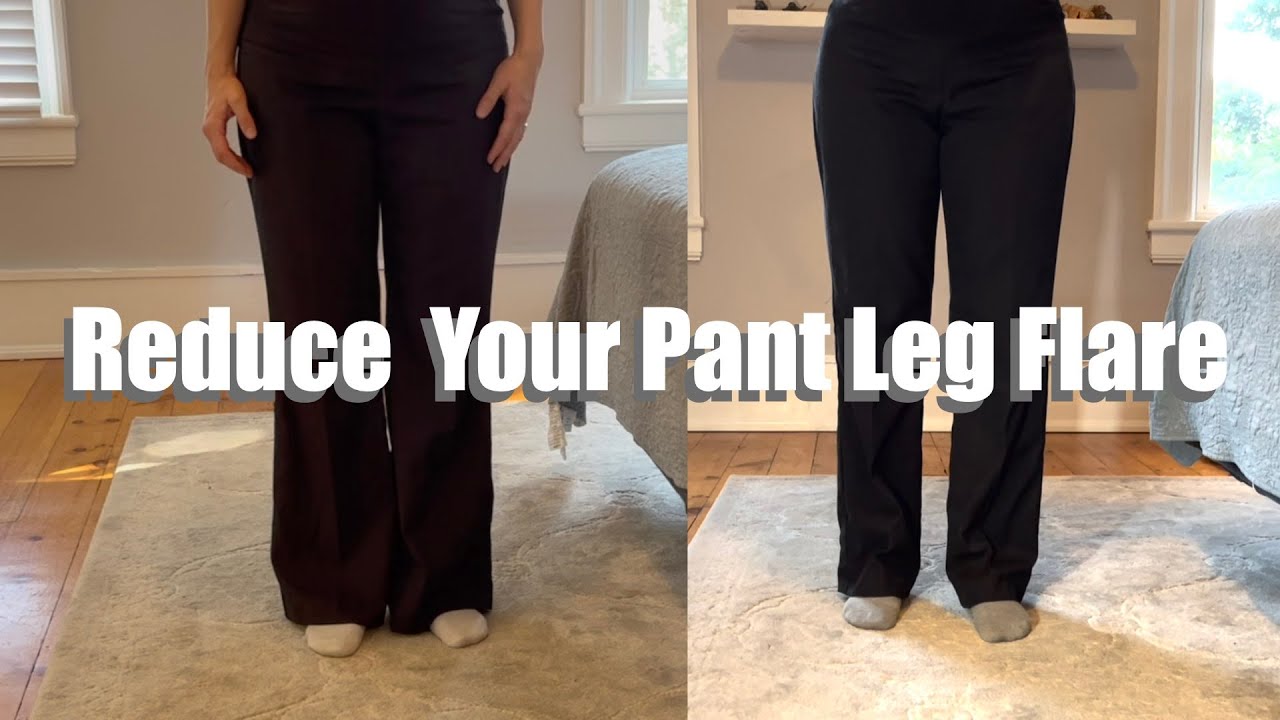
Adjusting The Flare: Making Pants Less Wide
Some flare pants feel too dramatic. You can make them slimmer by tapering the leg.
- Turn the pants inside out.
- Put them on and use pins to mark where you want the new, slimmer flare to start. Usually, this is just below the knee.
- Take the pants off and lay them flat.
- Draw a line from your pin mark to the bottom hem, following a gentle curve.
- Pin along the line to keep the fabric together.
- Sew along your line, then try the pants on again. Adjust if needed.
- Cut off the extra fabric, leaving a small edge.
- Finish the raw edge with a zigzag stitch or pinking shears to prevent fraying.
Caution: Don’t make both legs at once—work on one leg, try them on, then match the other. This prevents uneven flares.
Fixing Waist And Hip Fit Problems
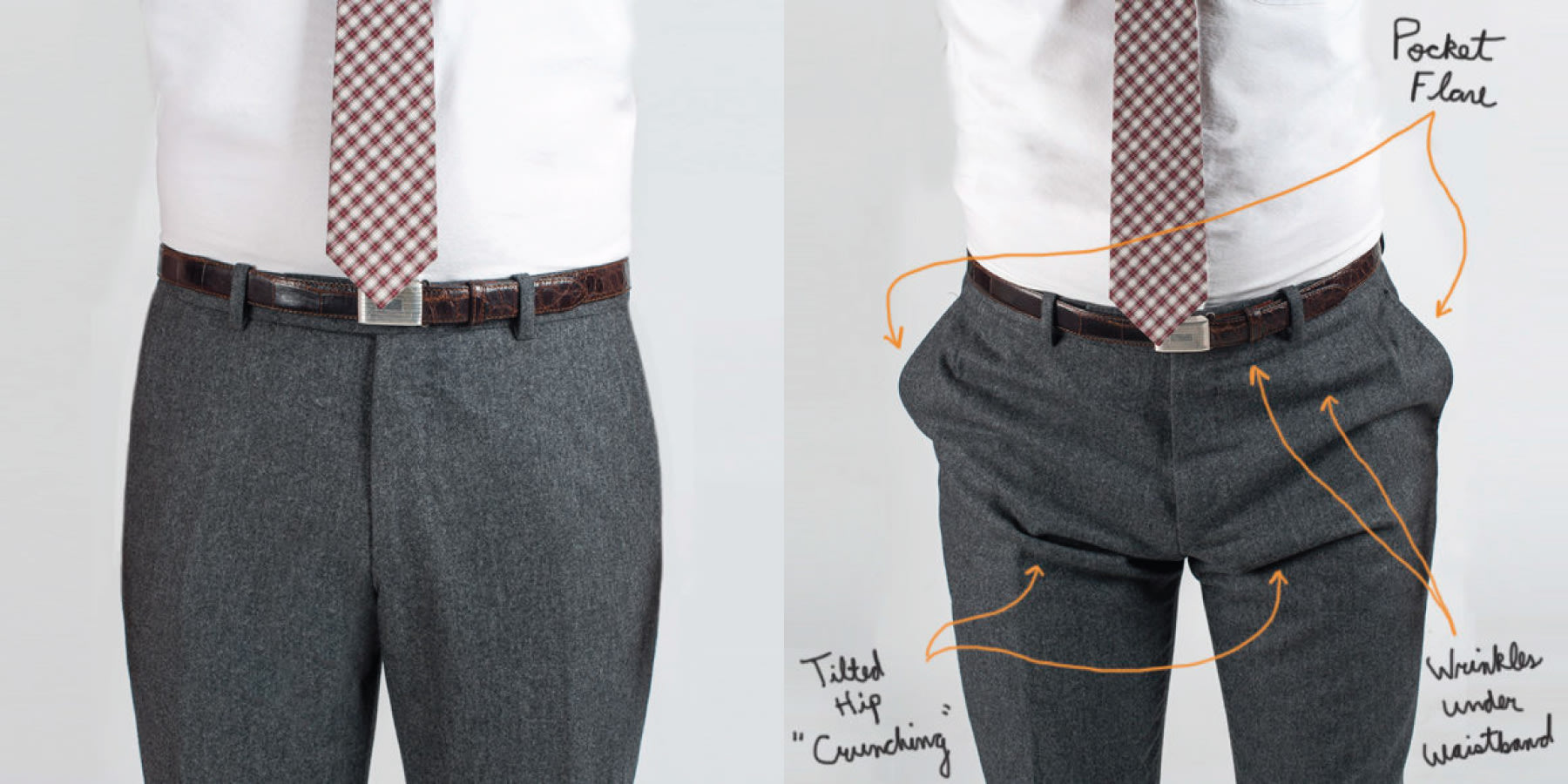
Ill-fitting waists are common with flare pants, especially for people with smaller waists and larger hips.
Taking In The Waist
- Put the pants on inside out.
- Pinch the extra fabric at the back or sides and pin it.
- Take the pants off, then use a measuring tape to check how much you need to take in.
- Open the waistband seam with a seam ripper.
- Sew a new seam, following the pinned line, then trim the extra fabric.
- Reattach the waistband.
Example: If you need to take in 2 inches, sew 1 inch from the original seam on both sides.
Letting Out The Waist
If the waist is too tight, check if there’s enough seam allowance inside. If there is:
- Open the waistband seam with the seam ripper.
- Carefully unpick the side seams.
- Sew the new seam a bit closer to the edge to give extra room.
- Reattach the waistband.
If there isn’t enough fabric, consider adding a small elastic insert at the back.
Shortening The Rise Or Adjusting The Thighs
Sometimes flare pants feel too baggy at the thighs or too long in the rise (the distance from the crotch to the waistband).
- To fix baggy thighs, turn the pants inside out, pin the fabric along the inner seam, and sew a new, slimmer line.
- For a long rise, take in the extra fabric at the center seam. This is a more advanced fix and might need a tailor.
Beginners often miss that changing the rise can affect how the pants sit on your hips. Always try on the pants after pinning but before sewing.

Credit: www.reddit.com
Repairing Rips, Tears, And Frayed Hems
Because the bottom of flare pants is wide, they often drag on the ground, causing frayed hems and rips.
Repairing Frayed Hems
- Trim away loose threads.
- Fold the hem up twice, hiding the frayed edge.
- Sew or use hemming tape to secure.
Fixing Rips
For small rips:
- Turn the pants inside out.
- Use a fabric patch or iron-on patch behind the rip.
- Sew around the edges for extra strength.
For larger rips at the flare, consider adding a decorative patch or even a triangle of fabric to create a “Godet” (extra flare panel).
Shortening Flare Pants Without Losing The Flare Shape
One challenge with flare pants is keeping the flare even after hemming. Cutting off too much fabric can make the bottom too narrow.
To keep the shape:
- When you cut the hem, cut along the flare, not straight across.
- If you need to shorten a lot, open the side seam a bit, then add a small triangle of matching fabric to widen the flare again.
- Sew the seam and finish the raw edges.
How To Fix Flare Pants Without Sewing
Not everyone has a sewing machine, and sometimes you need a quick fix. Here are no-sew options:
- Hemming tape for shortening
- Fabric glue for small repairs
- Iron-on patches for rips
These methods are fast but less durable. For a long-lasting fix, sewing is best.
Professional Alteration Vs. Diy: When To See A Tailor
Some fixes are easy at home, while others need a pro. Consider a tailor for:
- Complex waist or rise adjustments
- Changing the flare shape a lot
- Expensive or delicate fabrics (like silk or wool)
- Pants with lining or special trims
DIY works well for simple hemming, small rips, and minor adjustments. If you’re unsure, ask a tailor for advice. Paying for a good alteration can make flare pants look custom-made.
Credit: articlesofstyle.com
Comparing Flare Pant Fixes: Time, Cost, And Difficulty
Here is a quick comparison of the most common fixes:
| Fix | Time Needed | Cost (DIY) | Difficulty Level |
|---|---|---|---|
| Hemming | 30-60 min | Low | Easy |
| Tapering Flare | 45-90 min | Low | Medium |
| Waist Adjustment | 60-120 min | Low | Medium |
| Patch Repair | 20-30 min | Very Low | Easy |
| Professional Tailor | 1-7 days | Medium/High | Expert |
Caring For Flare Pants After Fixes
After fixing your pants, proper care will keep them looking great:
- Wash on gentle cycle or by hand, especially after repairs
- Avoid high heat in the dryer, which can shrink or distort fabric
- Iron on low heat, using a pressing cloth for delicate fabrics
- Check repaired areas after washing to make sure the fix is holding
Styling Flare Pants After Alterations
Once your flare pants are fixed, styling makes a big difference. Some ideas:
- Pair with platform shoes or heels to show off the flare
- Tuck in tops to highlight a newly-fitted waist
- Try a belt if you’ve adjusted the waist
- For cropped flares, ankle boots look chic
Pro tip: If you have shortened the pants a lot, use statement shoes to draw attention to the flare.
Flare Pants Fixing Mistakes To Avoid
Many people make these common mistakes:
- Cutting too much fabric when hemming—always mark and try on first.
- Not matching both legs’ length or flare—measure carefully.
- Using the wrong thread color or stitch style—always match your fabric.
- Skipping ironing—pressing makes the finished look cleaner.
- Trying to fix delicate fabrics without practice—always test on a scrap first.
Credit: www.youtube.com
When To Upcycle Or Repurpose Old Flare Pants
Sometimes, a pair of flare pants is too damaged or out of style to fix. You can turn them into:
- Cropped pants or shorts
- Flare culottes
- A denim or fabric tote bag
- Headbands or fabric patches
Upcycling is a creative way to give new life to old clothes and reduce waste.
Flare Pants: Diy Vs. Professional Results Comparison
Let’s compare outcomes from DIY and professional fixes:
| Type of Alteration | DIY Result | Professional Result |
|---|---|---|
| Hemming | Good with practice; may be uneven first time | Even, durable, matches original look |
| Tapering/Reshaping | Works for small changes; may lose flare symmetry | Smooth lines, keeps flare balance |
| Waist/Thigh Fit | Can be tricky, especially with thick seams | Precise, comfortable, invisible changes |
| Patch Repair | Visible but strong; creative possibilities | Discreet, blends with original fabric |
Professional help usually gives a more polished look, but DIY is satisfying and budget-friendly.
Real-world Example: Transforming Thrift Store Flare Pants
Imagine you find a pair of flare pants at a thrift shop for a low price. They’re two inches too long and a bit too wide at the bottom, but the fabric is good.
- You try them on with your favorite shoes, mark the new length, and hem them by hand.
- Next, you pin the legs to make the flare a bit slimmer and sew along the new line.
- After ironing, the pants look custom-made—for a fraction of the cost of new ones.
This approach saves money and lets you personalize your style.
How To Choose The Right Fix For Your Flare Pants
Choosing the right fix depends on:
- Fabric type: Thick denim is easier to hem than slippery polyester.
- Amount of change needed: Small fixes are easier at home.
- Your skill level: Start simple and build up.
- Value of the pants: Don’t risk expensive pants if you’re new to sewing.
If you’re unsure, start with hemming or patching. These are safe for beginners.
Sustainability And Flare Pants: Why Fix, Not Throw Away
Repairing clothes is good for the environment. The fashion industry is a major source of waste. Fixing and reusing flare pants:
- Reduces landfill waste
- Saves water and energy used in making new clothes
- Supports a more sustainable wardrobe
For more on sustainable fashion, visit Fashion Revolution.
Quick Reference: Flare Pant Fixes At A Glance
Here’s a handy summary for your next flare pant project:
| Problem | Best Fix | DIY or Tailor? |
|---|---|---|
| Too long | Hemming | DIY |
| Too wide | Taper flare | DIY/Tailor |
| Waist too loose/tight | Adjust waistband | Tailor/DIY (simple) |
| Rips/tears | Patch repair | DIY |
| Frayed hem | Re-hem | DIY |
| Odd fit at thighs/hips | Reshape seams | Tailor/Experienced DIY |
Frequently Asked Questions
How Do I Hem Flare Pants Without Losing The Flare Shape?
When hemming, always follow the original curve of the pant leg. Don’t cut straight across. Try the pants on before sewing to check the look. If you have to remove a lot of length, consider opening the side seam and adding a small triangle of fabric to keep the flare.
Can I Fix Flare Pants Without A Sewing Machine?
Yes, you can use hemming tape, fabric glue, or iron-on patches for simple fixes. Hand sewing works for most repairs, though it takes more time. For best results, use strong thread and small, tight stitches.
How Do I Make My Flare Pants Less Wide At The Bottom?
Turn the pants inside out, pin along a new, slimmer line starting below the knee, and sew along the pins. Always try on before cutting off any fabric. Work on one leg at a time for even results.
What If My Flare Pants Are Too Tight At The Waist?
Check if there’s enough seam allowance inside to let out the waist. If not, add a small elastic insert at the back or sides. For major changes, a tailor can add matching fabric or adjust the waistband professionally.
Is It Worth Fixing Old Flare Pants, Or Should I Buy New Ones?
If the fabric is good and the style suits you, fixing old flare pants is often more affordable and sustainable than buying new. You can personalize the fit and keep your favorite pair in rotation. If the pants are worn out beyond repair, consider upcycling them into something new.
Fixing flare pants is both practical and creative. With a little time and the right techniques, you can save money, reduce waste, and get the perfect fit. Whether you’re adjusting the length, fixing the waist, or repairing a tear, these tips will help you enjoy your favorite flares for years to come.
