

How to Dress to Impress at Work: Expert Tips for Success
You know the power of first impressions at work—how your outfit can speak before you do. But how exactly do you dress to impress without overdoing it or feeling uncomfortable?
Whether you’re aiming for a promotion, trying to build confidence, or just want to stand out in the right way, mastering your work wardrobe can make all the difference. This guide will walk you through simple, practical tips to help you dress smart, look professional, and boost your presence every day.
Ready to transform your style and command respect? Let’s dive in.
Workplace Dress Codes
Workplace dress codes set the tone for professionalism and help create a positive impression. Understanding these codes guides your clothing choices. Dressing appropriately shows respect for your role and company culture.
Many workplaces have specific dress expectations. These vary by industry, company size, and work environment. Adapting to these codes boosts confidence and builds trust with colleagues and clients.
Traditional Business Attire
Traditional business attire suits formal office settings. Men usually wear dark suits, white dress shirts, and ties. Women often choose tailored suits or conservative dresses. Clothes should be clean, pressed, and well-fitted.
Colors like navy, black, and gray work best. Avoid flashy patterns or bright colors. Classic shoes, such as leather oxfords or pumps, complete the look. This style communicates seriousness and professionalism.
Business Casual Options
Business casual offers a relaxed yet polished appearance. Men might wear dress pants or chinos with collared shirts. Women can select blouses, skirts, or dress pants. Sweaters and blazers add a neat touch.
Casual shoes like loafers or flats are acceptable. Avoid jeans, sneakers, and overly casual clothes. Business casual fits many modern offices and helps employees feel comfortable while staying professional.
Industry-specific Styles
Different industries demand unique dress styles. Creative fields like advertising allow more casual or trendy clothes. Tech companies often prefer casual or smart casual attire. Healthcare workers wear uniforms or scrubs.
Understanding your industry’s expectations helps you dress suitably. Research your field and observe colleagues’ styles. Dressing in line with industry norms shows you belong and respect your profession.
Credit: www.arloren.com
Building A Professional Wardrobe
Building a professional wardrobe creates the foundation for dressing to impress at work. It shapes how others see you and boosts your confidence daily. A well-chosen wardrobe reflects your role and ambitions in the workplace.
Focus on selecting clothing that fits your job environment and personal style. Quality and fit matter more than quantity. Invest in pieces that last and make you feel ready for any professional challenge.
Investing In Quality Pieces
Choose materials that hold their shape and color. Quality fabrics like wool, cotton, and silk look sharp and feel comfortable. Spending more on durable items saves money over time. Avoid cheap fabrics that wrinkle or fade quickly. Quality shoes and accessories complete your look and show attention to detail.
Tailoring For The Perfect Fit
Clothes that fit well look polished and professional. Tailoring adjusts your garments to your body shape. Simple changes like hemming pants or taking in a shirt make a big difference. Avoid baggy or tight clothing. A good fit boosts your confidence and makes dressing easier every day.
Essential Clothing Items
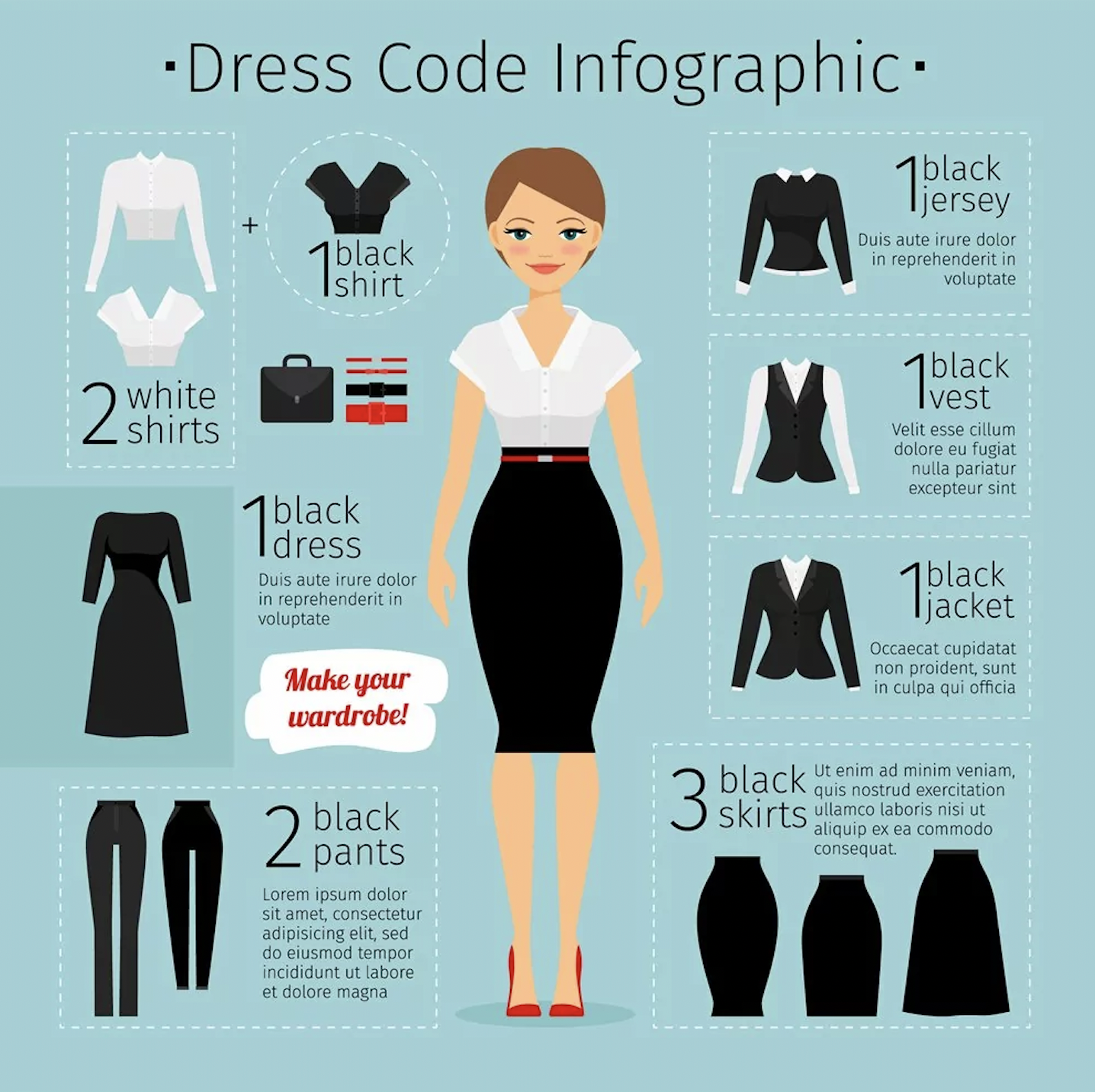
Start with classic staples that suit any occasion. A navy or gray blazer pairs well with many outfits. Crisp white shirts always look clean and professional. Well-fitted trousers or skirts in neutral colors offer versatility. Add a few ties or scarves for personality. Keep your shoes polished and simple for a neat finish.
Dressing For Leadership
Dressing for leadership means showing confidence and control through your outfit. Leaders set the tone at work with their appearance. Your clothing can signal authority and inspire trust. Choosing the right clothes helps you stand out and command respect. Focus on styles that highlight professionalism and poise. Simple choices can make a big difference in how others see you.
Power Suits And Colors
Power suits are a classic choice for leaders. Dark colors like navy, black, or charcoal show seriousness. A well-fitted suit adds sharpness to your look. Avoid loud patterns or overly bright colors. Stick to solid or subtle patterns for a clean image. These colors help project strength and reliability in the workplace.
Incorporating Confidence Boosters
Confidence boosters include accessories and details that make you feel good. A quality watch or simple cufflinks add polish. Choose shoes that are clean and professional. Make sure your clothes are pressed and neat. Small touches show you care about your appearance. When you feel confident, others notice your positive energy.
Balancing Authority And Approachability
Leadership style varies, so balance is key. Combine strong pieces with softer elements to stay approachable. A tailored blazer with a light-colored shirt can soften your look. Avoid overly rigid or stiff outfits that may seem uninviting. Smile and keep your posture open to complement your attire. This balance helps you lead with respect and warmth.
Accessorizing Smartly
Accessorizing smartly enhances your professional look without overwhelming it. The right accessories add polish and confidence. They show attention to detail and good taste. Keep accessories simple and purposeful to maintain a sharp appearance.
Choosing Subtle Jewelry
Select jewelry that complements your outfit quietly. Small stud earrings or thin chains work well. Avoid large, flashy pieces that distract from your work. Choose metals like silver, gold, or rose gold for a classic look. Keep the number of pieces minimal to stay professional.
Selecting Professional Footwear
Pick shoes that match your outfit and workplace style. Closed-toe shoes are usually best for formal settings. Choose clean, polished shoes without excessive decoration. Comfortable footwear helps you stay confident throughout the day. Stick to neutral colors like black, brown, or navy for versatility.
Using Watches And Belts Effectively
A simple watch can add sophistication to your attire. Opt for classic designs with leather or metal bands. Match your belt color with your shoes for a cohesive look. Keep belts slim and avoid overly large buckles. These small details complete your polished work outfit.
Grooming And Personal Care
Grooming and personal care play a crucial role in making a strong impression at work. Cleanliness and neatness show respect for yourself and others. They boost confidence and help maintain professionalism throughout the day.
Simple grooming habits create a polished, well-put-together look. Small details can make a big difference in how others perceive you. Prioritize these habits to enhance your workplace appearance.
Maintaining A Polished Appearance
Keep your clothes clean and wrinkle-free. Choose outfits that fit well and suit your body type. Regularly trim nails and keep hands moisturized. Wear minimal jewelry that complements your attire. Replace worn-out shoes with clean, polished ones. These steps maintain a tidy and professional image.
Hair And Makeup Tips
Style your hair neatly and keep it fresh. Avoid extreme hairstyles that may distract colleagues. For makeup, opt for natural tones that enhance features subtly. Use minimal products to avoid a heavy look. Regularly wash and condition hair to keep it healthy. These habits help present a confident and approachable appearance.
Scent And Hygiene Considerations
Daily showers and clean clothes prevent body odor. Use deodorant or antiperspirant to stay fresh. Choose light fragrances or colognes that are not overpowering. Avoid strong scents that may disturb coworkers. Brush teeth and carry mints to maintain fresh breath. Good hygiene creates a pleasant and professional environment.
Adapting To Workplace Culture
Adapting to workplace culture is essential for dressing to impress at work. Each company has its own style and expectations. Understanding these norms helps you fit in while showing professionalism. Your clothing should reflect the environment without standing out in a negative way. Paying attention to the workplace culture builds respect and confidence.
Observing Colleagues’ Styles
Start by watching what your colleagues wear daily. Notice the colors, fabrics, and accessories they choose. See if most wear formal suits or casual clothes. This observation guides your choices and prevents overdressing or underdressing. Copying successful colleagues’ style subtly shows you understand the culture. It also helps you blend in smoothly.
Respecting Company Norms
Every workplace has dress codes or unspoken rules. Some require business formal, others business casual or smart casual. Follow these rules strictly to avoid standing out negatively. Avoid loud prints or extreme fashion unless the culture allows it. Respecting dress codes shows professionalism and respect for the company. It also builds your reputation as a reliable team member.
Updating Looks For Different Occasions
Different work events call for varied attire. Meetings with clients may need more formal wear than daily office hours. Casual Fridays allow relaxed clothing but keep it neat and tidy. Special presentations or company parties may need a polished or festive look. Adjust your outfit based on the occasion to stay appropriate and impressive. This flexibility shows you understand the workplace culture deeply.
Seasonal Dressing Tips
Adapting your work wardrobe to the seasons helps maintain a polished and comfortable look. Dressing appropriately for the weather shows attention to detail and professionalism. Seasonal dressing also allows you to express style while staying practical throughout the year.
Layering For Cooler Months
Layering keeps you warm and stylish during cold days. Start with a fitted shirt or blouse as your base. Add a smart sweater or cardigan for extra warmth. Top it with a tailored blazer or coat to complete the look. Choose neutral colors like gray, navy, or black for easy mixing. Use scarves or gloves to add texture without bulk.
Light Fabrics For Warm Weather
Choose breathable fabrics to stay cool in heat. Cotton, linen, and lightweight blends work best. Opt for short sleeves or sleeveless tops that look neat and professional. Light colors reflect sunlight and keep you comfortable. Avoid heavy materials like wool or thick knits. Keep accessories minimal to avoid feeling weighed down.
Transition Pieces For In-between Seasons
Spring and fall require flexible dressing options. Use pieces like light jackets, trench coats, or blazers that are easy to add or remove. Pair long-sleeve shirts with lighter pants or skirts. Shoes like loafers or ankle boots fit well with these seasons. Layer thin scarves or cardigans for changing temperatures. Choose versatile items to mix and match effortlessly.
Avoiding Common Dress Mistakes
Dressing well at work sends a powerful message. Avoiding common dress mistakes helps you look confident and professional. Simple errors can distract from your skills and reduce your impact. Pay attention to key areas to ensure your outfit works for you.
Overdressing Vs. Underdressing
Wearing too formal clothes may create distance with coworkers. It can make you seem out of place or unapproachable. On the other hand, dressing too casually may look careless or unprepared. Aim for a balance that fits your company culture and role.
Ignoring Fit And Comfort
Clothes that do not fit well hurt your appearance instantly. Baggy or tight items distract from your professionalism. Comfortable clothing helps you stay focused and move easily. Tailor your clothes or choose the right size for a sharp look.
Neglecting Details
Small details matter a lot in work attire. Wrinkled shirts, scuffed shoes, or missing buttons send the wrong message. Clean, pressed, and well-maintained clothing shows you care. Pay attention to grooming, accessories, and neatness for a polished finish.
Capsule Wardrobe Strategies
Building a capsule wardrobe helps you dress well with less stress. It focuses on a small set of essential, high-quality pieces. These pieces work together to create many professional looks. This strategy saves time and money. It also keeps your style consistent and polished at work.
Simplifying Outfit Choices
A capsule wardrobe reduces daily outfit decisions. It limits your clothes to versatile basics and a few statement items. This approach makes dressing faster and easier. You avoid feeling overwhelmed by too many options. Each item is chosen for quality and fit, not quantity.
Mixing And Matching Pieces
Each piece in a capsule wardrobe pairs well with others. You can combine tops, bottoms, and layers in many ways. This creates fresh looks without buying more clothes. Neutral colors and classic styles help pieces blend seamlessly. You can dress up or down with simple swaps.
Maximizing Versatility
Choose items that serve multiple purposes. For example, a blazer can work for meetings or casual days. Shoes and accessories should complement various outfits. Fabrics that resist wrinkles and stains keep you looking sharp. Versatile pieces stretch your wardrobe and reduce clutter.

Credit: www.thehrdigest.com

Credit: www.bishopco.net
Frequently Asked Questions
What To Wear To Impress At Work?
Wear a tailored suit or blazer with a crisp, pressed shirt. Choose neutral, professional colors like navy, gray, or white. Ensure clothes fit well and are clean. Keep accessories minimal and polished. Dress confidently to convey professionalism and competence at work.
How To Dress To Impress Code Work?
To redeem Dress to Impress codes, open the game, click the pink handbag icon, enter the code accurately, and press enter. Free items appear in the dressing room’s code section for customization. Check spelling, capitalization, and redeem codes before they expire.
What Is The 3-3-3 Rule For Outfits?
The 3-3-3 rule for outfits means wearing three colors: three neutral shades, three complementary tones, and three accent pieces for balance and style.
How Does Dress To Impress Work?
Dress to Impress works by entering special codes in the game’s code menu. Launch the game, click the pink handbag icon, type the code carefully, and confirm to claim free items for customization. Codes are case-sensitive and may expire, so redeem them promptly.
Conclusion
Dressing well at work boosts your confidence and professionalism. Choose clothes that fit and suit your workplace style. Simple, neat outfits make a strong impression every day. Remember, your appearance speaks before you do. Small details like clean shoes and pressed shirts matter.
Build a wardrobe that helps you feel ready and respected. Dress smartly, and you show you take your job seriously. Consistency in your look creates trust and respect. Start dressing to impress and watch your work life improve.
