

How to Dress Business Casual Women: Style Tips for Success
How To Dress Business Casual Women
Finding the right balance between professional and comfortable is not always easy, especially for women aiming to dress business casual. The workplace has changed a lot, with office environments becoming more flexible and diverse. Business casual is no longer just about khaki pants and button-down shirts.
It’s a mix of style, confidence, and practicality. For many, dressing business casual can feel confusing—what is too formal, too relaxed, or just right? This guide explains exactly how women can build a business casual wardrobe, avoid common mistakes, and express personal style while looking professional.
What Does Business Casual Mean For Women?
The term business casual is often misunderstood. It’s not a strict dress code, but it does have clear boundaries. For women, business casual means blending professional pieces with comfortable, less formal items. It’s about looking polished without being overdressed.
Business casual usually includes:
- Blouses, shirts, or smart tops
- Slacks, trousers, or neat skirts
- Closed-toe shoes, low heels, or flats
- Optional blazers or cardigans
- Minimal accessories
Business casual excludes:
- Jeans (unless allowed)
- Athletic wear, shorts, or leggings
- Flip-flops or very casual sandals
- T-shirts with logos or graphics
Many offices have their own rules. When starting a new job, observe what others wear and check the company policy. If unsure, it’s better to dress a little more formal.
Some companies also have "casual Fridays," where the dress code may be more relaxed. Even then, keep your look neat and avoid anything you would wear to the gym or beach. When in doubt, dress one step above the most casual outfits you see.
Key Elements Of Business Casual Wardrobe
A business casual wardrobe is built on foundation pieces. These items work together, making it easy to mix and match.
Essential Tops
The right top sets the tone for your outfit. Choose blouses made from quality fabrics like cotton, silk, or polyester blends. Avoid sheer materials unless layered under a jacket or sweater.
- Button-down shirts: Classic and versatile.
- Knit tops: Comfortable, usually less formal but still neat.
- Shells or sleeveless blouses: Good for layering under blazers.
- Printed blouses: Subtle patterns are fine; avoid loud designs.
A common beginner mistake is choosing tops that are either too casual (like basic tees) or too dressy (like evening blouses). Stick to clean lines and neutral colors.
Another detail to watch is the neckline. High necklines or modest v-necks are safest. Avoid plunging necklines or tops with too much embellishment. A neat collar or subtle detail can add interest without overpowering your look.
If you want to add variety, try tops with different sleeve lengths—three-quarter sleeves or cap sleeves can change the look while still fitting the dress code. Roll-tab sleeves on shirts also give you options for changing the style mid-day.
Bottoms: Pants, Skirts, And Dresses
Pants should be tailored but comfortable. Trousers are ideal; chinos and ankle pants also fit the business casual look.
- Straight-leg or slim-fit pants: Avoid baggy styles.
- Pencil skirts: Knee-length is safe; avoid mini-skirts.
- A-line skirts: Flattering for many body types.
- Dresses: Simple sheath or wrap dresses work well.
Always check the fit. Ill-fitting pants or skirts can make an outfit look sloppy. Fabrics should not be too tight or too loose.
If you want to add a bit of personality, try pants with subtle details, such as a small check pattern or a fine pinstripe. These add visual interest while staying professional. For skirts, make sure they don’t ride up when you sit or walk.
A skirt with a small slit in the back can offer more movement without being too revealing.
With dresses, choose styles with sleeves for formal offices, or add a cardigan or blazer if your dress is sleeveless. Dresses with pockets can also be both stylish and practical, giving you a place to keep small items.
Layering Pieces
Layering adds polish and flexibility. Blazers, cardigans, and jackets help transition between seasons and give a professional touch.
- Blazers: Structured or unstructured, in neutral colors.
- Cardigans: Fine knits; avoid chunky or oversized styles.
- Lightweight jackets: For colder months or air-conditioned offices.
Layering also helps women express personal style. Choose pieces that complement your shape and height.
Don’t be afraid to try blazers in soft fabrics or with subtle patterns. Herringbone or small checks add texture. For cardigans, choose ones that button or have a tie at the waist—they can help define your shape and look less casual than open, loose styles.
If you work in a very creative or relaxed office, you might add a cropped jacket or a moto-style jacket in a neutral color. These can still look polished when paired with classic pants or skirts.
Shoes
Shoes matter more than many people realize. They finish the outfit and affect comfort throughout the day.
- Flats: Ballet, loafers, or pointed-toe.
- Low to mid heels: Comfortable and professional.
- Closed-toe pumps: Always safe for business casual.
- Boots: Ankle or knee-high, in leather or suede.
Avoid shoes that are too casual (sneakers, flip-flops) or too formal (evening sandals). Make sure shoes are clean and in good condition.
Consider your daily routine—if you walk a lot, choose shoes with padded insoles. Block heels often provide more support than stilettos. In rainy or snowy weather, keep a pair of sturdy boots at your desk and change when you arrive.
A non-obvious tip: Match your shoe color to your belt or bag for a put-together look. Even simple, neutral shoes appear more intentional when coordinated with another accessory.
Accessories
Accessories should be simple and tasteful. Too many or too flashy can distract from your professional look.
- Small earrings or studs
- Simple necklaces
- Classic watches
- Slim belts
Scarves can add personality, but choose subtle patterns and colors. Bags should be structured and not too large.
If you wear a statement piece, like a chunky necklace or a bold watch, keep other accessories very minimal. Hair accessories—like a simple barrette or headband—are fine, but avoid anything glittery or childish.
A silk scarf can be draped over the shoulders or tied at the neck for a pop of color. In colder weather, a wool scarf in a solid color looks sophisticated and keeps you warm.

Credit: www.youtube.com
How To Build A Business Casual Outfit
Putting together a business casual outfit is easier when you follow a few simple steps.
- Start with a base: Choose trousers, a skirt, or a dress.
- Add a top: Pick a blouse or shirt that matches the base.
- Layer: Add a blazer or cardigan if needed.
- Choose shoes: Go for flats or low heels.
- Add accessories: Keep them minimal.
Example:
- Navy tailored pants + white blouse + gray cardigan + black flats + small silver earrings.
The key is balance. If your top is patterned, keep the bottom simple. If wearing a bold accessory, keep other pieces neutral.
Experiment with textures too—a silk blouse with wool trousers or a cotton shirt with a crepe skirt. Mixing textures makes an outfit look richer and more interesting. If you’re new to business casual, try laying out your outfit the night before.
This small habit reduces stress in the morning and helps you spot any mismatched items or missing accessories.
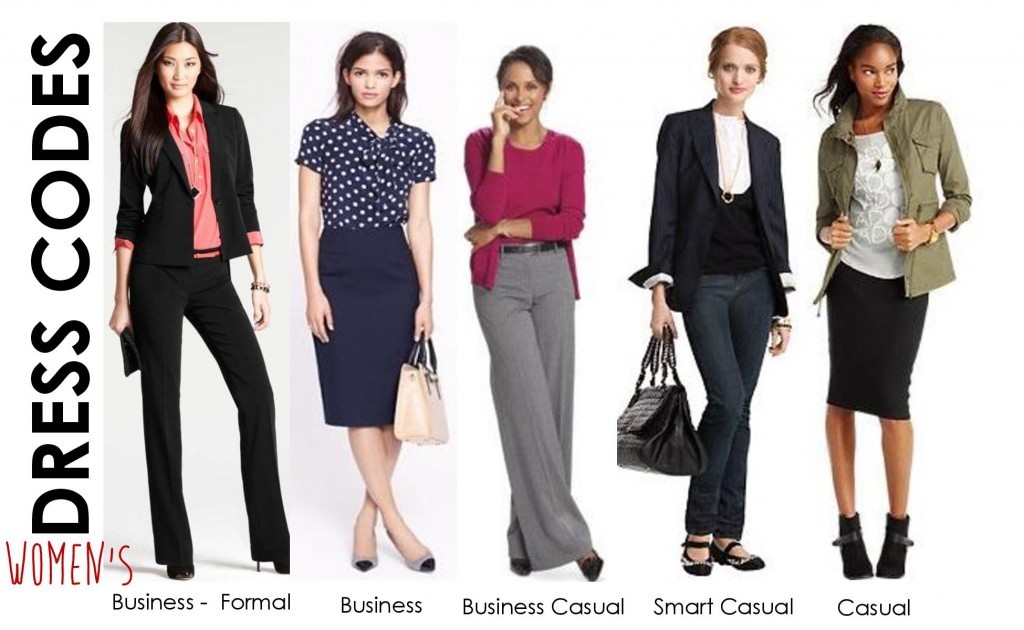
Business Casual Vs. Other Dress Codes
Understanding the difference between business casual and other dress codes helps avoid mistakes. Here’s a comparison:
| Dress Code | Allowed Items | Not Allowed |
|---|---|---|
| Business Casual | Blouses, trousers, skirts, flats, blazers | Jeans, athletic wear, flip-flops |
| Formal Business | Suits, tailored dresses, high heels | Casual tops, sandals, short skirts |
| Casual | Jeans, t-shirts, sneakers | Business attire, formal shoes |
Business casual sits between formal business and casual. If you are unsure, lean towards more professional items.
For client meetings or events, always check the expected dress code. Some business events might say “business casual,” but expect a more polished version—think blazers, darker colors, and classic shoes.
Common Mistakes Women Make In Business Casual
Even experienced professionals can make mistakes. Here are some frequent errors and how to avoid them.
- Choosing clothes that are too casual. Yoga pants, graphic tees, or sneakers are never business casual.
- Wearing outfits that are too formal. A full suit or evening dress may look out of place.
- Poor fit. Baggy pants, tight skirts, or oversized sweaters appear sloppy.
- Ignoring company culture. Some offices allow jeans, others don’t. Always observe and ask.
- Over-accessorizing. Too many accessories can distract from your professional image.
- Neglecting shoes. Scuffed or dirty shoes ruin an otherwise polished outfit.
A non-obvious insight: Some women focus only on tops and bottoms, forgetting that shoes and bags are part of the whole look. Another is neglecting hair and makeup. Simple, neat hair and subtle makeup finish the business casual style.
Also, beware of seasonal mistakes—wearing heavy sweaters in summer or open-toed shoes in winter can look out of place. Avoid visible undergarments or straps, which can distract and look unprofessional.
Another error is wearing wrinkled or stained clothes. Even the best outfit can look sloppy if it’s not clean and pressed. Take a few minutes to check your clothes before leaving the house.
Choosing Colors And Patterns
Color choices can change how others see you at work. Neutral colors—like black, gray, navy, beige—are safe and easy to match. Soft pastels or muted tones also fit the business casual style.
Patterns are acceptable, but avoid anything too bold. Small florals, stripes, or polka dots work well. If you want to wear a patterned piece, balance it with solid colors.
Some women make the mistake of wearing all black or all gray. This can look dull. Add a touch of color with a scarf or jewelry for personality.
For more variety, try mixing two neutrals—like navy and beige—or adding a soft pastel blouse under a gray cardigan. Monochrome looks (different shades of the same color) are also stylish and easy to pull off.
When using patterns, keep scale in mind. Smaller prints look more professional. If you’re new to patterns, start with a striped shirt or a blouse with tiny polka dots.
Credit: gardner-webb.edu
Business Casual For Different Body Types
Women come in many shapes and sizes. Business casual should make you feel comfortable and confident. Here are tips for different body types:
Petite Women
- Choose vertical stripes or high-waisted pants to elongate your frame.
- Avoid oversized blazers or long skirts.
- Aim for fitted tops and ankle-length pants.
Look for cropped jackets and small patterns. Petite women often do well with simple, uncluttered outfits that don’t overwhelm their frame.
Plus Size Women
- Structured blazers flatter curves.
- A-line skirts and dresses are comfortable and professional.
- Avoid clingy fabrics; choose materials that drape well.
V-necks can elongate the neck, and wrap styles highlight the waist. Don’t shy away from belts—they can define your shape.
Tall Women
- Midi skirts and dresses look balanced.
- Wide-leg trousers fit well.
- Avoid cropped tops; go for longer blouses.
Tall women can pull off bold prints or color blocking. Make sure sleeves and pant legs are long enough to avoid looking like clothes are too small.
Athletic Build
- Wrap dresses add shape.
- Peplum tops or skirts create curves.
- Trousers with a slight flare work well.
Try layering with cardigans or jackets that nip at the waist for added definition. Accessories like belts help create a more hourglass silhouette.
The most important advice is to try pieces on and find what suits your body. Comfort and confidence matter more than following strict rules.
Seasonal Business Casual Outfits
Business casual changes with the seasons. Adjust your wardrobe to stay comfortable and professional.
Spring
- Light fabrics: Cotton, linen blends.
- Pastel colors: Soft pinks, blues, or greens.
- Light cardigans and flats.
Add a floral scarf or a colorful necklace for a fresh look. Layering is key for unpredictable weather.
Summer
- Sleeveless blouses (with wide straps).
- Knee-length skirts or dresses.
- Closed-toe sandals or low heels.
Choose breathable fabrics to stay cool. A linen blazer is great for warm weather, and lighter shades reflect sunlight.
Fall
- Layers: Blazers, sweaters.
- Rich colors: Burgundy, mustard, forest green.
- Ankle boots.
Try layering a turtleneck under a dress or wearing tights with skirts. Add a wool scarf or a tailored coat for warmth.
Winter
- Wool trousers, thicker dresses.
- Structured jackets or coats.
- Scarves and gloves (for outdoors).
Dark colors like charcoal or deep green look polished. Thermal tops can be worn under blouses for extra warmth without bulk.
Always check your office’s air-conditioning or heating. Some offices are cold year-round, so keep a cardigan or blazer handy.

Credit: wonder-wardrobe.com
Business Casual For Remote Work
Remote work has changed how women dress. Even at home, business casual is important for video meetings and feeling professional.
Tips:
- Choose tops that look good on camera: Bright colors, simple patterns.
- Avoid pajamas or workout clothes.
- Comfortable pants or skirts are fine, but don’t forget shoes if you stand up during calls.
- Keep accessories minimal.
A practical tip: Keep a blazer or sweater nearby. You can quickly put it on for meetings.
Lighting matters too—wear colors that pop against your background. Avoid busy prints that might look strange on camera. Simple jewelry can make you look more polished in virtual meetings.
Staying in a routine with business casual clothes, even at home, boosts productivity and separates work time from relaxation time.
How To Shop For Business Casual Clothes
Shopping for business casual clothes can be overwhelming. Here’s how to make smart choices:
- Set a budget. Business casual does not mean expensive.
- Buy basics first. Invest in trousers, blouses, and comfortable shoes.
- Choose quality over quantity. Well-made clothes last longer.
- Shop sales and outlet stores. Many brands offer discounts.
- Try before you buy. Fit is more important than price.
Brands like Banana Republic, Ann Taylor, and Loft are popular for business casual. But many stores offer affordable options.
| Brand | Price Range | Style Focus |
|---|---|---|
| Banana Republic | $$$ | Classic, tailored |
| Ann Taylor | $$ | Feminine, versatile |
| Loft | $$ | Casual, comfortable |
| H&M | $ | Trendy, budget-friendly |
| Nordstrom | $$$ | Wide range, quality |
Don’t forget thrift stores and online marketplaces. You can find quality items at lower prices.
A non-obvious shopping tip: Try shopping at the end of each season for the best deals. Stores mark down business casual items to make room for new arrivals, so you can pick up quality pieces at a fraction of the original price.
How To Care For Business Casual Clothes
Proper care keeps your wardrobe looking fresh. Here are some tips:
- Read care labels. Some fabrics need dry cleaning; others can be machine washed.
- Hang blazers and trousers to prevent wrinkles.
- Use gentle detergents for delicate fabrics.
- Iron or steam blouses for a crisp look.
- Store shoes properly; clean them regularly.
A non-obvious tip: Air out clothes after wearing, even if you don’t wash them every time. This keeps them smelling fresh and looking good.
Rotate your shoes to let them air out and last longer. For sweaters, fold them instead of hanging to prevent stretching. Invest in a small fabric shaver to remove pills from knits and keep them looking new.
Business Casual For Interviews And Presentations
Job interviews and presentations require special attention. Business casual is usually safe, but you may need to adjust for important events.
- Wear darker colors for interviews: Navy, black, or gray.
- Avoid distracting patterns or accessories.
- Choose closed-toe shoes and a structured bag.
- Add a blazer for extra polish.
Confidence comes from preparation. Plan your outfit the night before and check for wrinkles or stains.
For presentations, choose clothes that allow movement but won’t shift out of place. Avoid jangly jewelry or anything that makes noise when you move. If you’re presenting online, test your outfit on camera to see how it appears.
Business Casual For Different Industries
Business casual looks different in various industries. Here’s a quick overview:
| Industry | Business Casual Example | Notes |
|---|---|---|
| Finance | Pantsuit, blouse, low heels | More formal, conservative |
| Tech | Jeans (if allowed), smart top, flats | Casual, flexible |
| Education | Knee-length dress, cardigan, boots | Comfortable, approachable |
| Creative | Patterned skirt, bold accessories | Expressive, relaxed |
| Healthcare Admin | Trousers, simple blouse, loafers | Practical, easy to move |
Always check your company’s guidelines. Creative fields allow more personality; finance and law prefer more conservative styles.
If you change industries, update your wardrobe to match the new expectations. Subtle changes—like swapping a blazer for a creative jacket—can make a big difference in how you’re seen.
Tips For Expressing Personal Style
Business casual doesn’t mean boring. You can express your personality in subtle ways:
- Choose jewelry that reflects your taste.
- Wear a scarf in your favorite color.
- Try patterned shoes or bags.
- Layer with a colorful cardigan or blazer.
A common mistake is trying to stand out with bold prints or bright colors. Instead, start with neutral basics and add one statement piece. This keeps your look professional but unique.
You can also experiment with textures—suede shoes, a leather belt, or a silk scarf add interest. Don’t be afraid to show your culture through small touches, like a brooch or a traditional pattern, as long as it fits the overall dress code.
Business Casual For Plus Size And Petite Women
Many stores now offer business casual clothes for all body types. Look for brands with dedicated lines for plus size and petite women.
Tips for plus size:
- Choose structured fabrics.
- Avoid clingy or shiny materials.
- Try wrap dresses and A-line skirts.
Tips for petite:
- Look for cropped pants and fitted blazers.
- Avoid long skirts or oversized tops.
- Choose vertical patterns to add height.
Don’t settle for ill-fitting clothes. Tailoring makes a big difference, even for inexpensive items.
A non-obvious insight: Petite women can shop in the “regular” section and have pants or sleeves hemmed. Plus size women should look for brands that design for curves, not just make bigger sizes. Fit, not the number on the label, is what matters.
Sustainable Business Casual Choices
Sustainability is becoming important. You can build a business casual wardrobe that is good for the planet.
- Buy fewer, better-quality pieces.
- Choose natural fabrics like cotton or linen.
- Support brands with ethical practices.
- Shop second-hand or vintage stores.
A practical tip: Build a capsule wardrobe—a small collection of versatile pieces. This saves money and reduces waste.
Look for items that can be worn in different ways—a black dress that works with a blazer or cardigan, trousers that match several tops. This approach means you buy less but wear your clothes more often.
When you no longer need an item, donate or recycle it instead of throwing it away. Many brands now offer recycling programs for old workwear.
Frequently Asked Questions
What Is The Difference Between Business Casual And Smart Casual?
Business casual is more formal than smart casual. It includes tailored pants, blouses, and structured shoes. Smart casual allows jeans, trendy tops, and more relaxed shoes. If unsure, choose business casual for work settings.
Can Women Wear Jeans For Business Casual?
Some offices allow jeans, but they must be dark, fitted, and without rips. Always check your company’s policy. Pair jeans with a smart blouse and blazer for a business casual look.
Are Open-toe Shoes Acceptable In Business Casual?
Open-toe shoes are sometimes allowed, but closed-toe is safer. If you wear open-toe, choose low-heeled sandals in neutral colors. Avoid flip-flops or overly casual shoes.
How Can I Build A Business Casual Wardrobe On A Budget?
Start with basics: trousers, blouses, and comfortable flats. Shop sales, outlet stores, and second-hand shops. Choose quality over quantity—well-made items last longer and look better.
What Accessories Are Best For Business Casual?
Simple accessories work best. Choose small earrings, classic watches, slim belts, and structured bags. Avoid anything too flashy or distracting.
Dressing business casual is about balance—professional, comfortable, and personal. With the right pieces and a little planning, women can create outfits that look polished and feel good every day. Remember, confidence is the best accessory. For more ideas, visit Vogue.
