

How to Choose the Right Size Leggings: Ultimate Fit Guide
Finding the perfect pair of leggings isn’t just about grabbing your usual size off the rack. If your leggings feel too tight, they can dig in and become uncomfortable.
If they’re too loose, they might slip down or look baggy. You want leggings that feel like a second skin—supportive, flattering, and comfortable no matter your body type or activity. But how do you know which size is right for you?
In this guide, you’ll discover simple tips to choose leggings that fit perfectly, boost your confidence, and move with you throughout the day. Keep reading to learn how to pick the right size so your leggings feel just right every time.
Choosing Between Sizes
Choosing between sizes can be tricky when buying leggings. The right fit depends on your body shape, the fabric, and the type of activity. Knowing when to size up or down helps you find leggings that feel comfortable and look great. This guide explains when to pick a bigger or smaller size for the best fit.
When To Size Up
- You are between sizes to avoid leggings that are too tight or see-through.
- Your body has curves that need extra room for comfort.
- You want leggings for low-impact activities like walking or lounging.
- Your current leggings dig into your skin or feel too tight.
- You prefer a relaxed fit that does not squeeze your body.
When To Size Down
- You want strong compression for high-intensity workouts or running.
- Your leggings often slip down and need a tighter fit to stay in place.
- Your body is slender and the current leggings feel loose or baggy.
- You need leggings that hold your muscles firmly during exercise.
- You want a sleek look with no extra fabric or wrinkles.
Fabric And Fit Factors
Choosing the right leggings involves more than size numbers. Fabric and fit play a huge role in comfort and performance. The material affects how leggings stretch and hold your shape. Fit types change how leggings feel on your body. Understanding these factors helps you pick leggings that look great and feel good.
Material Stretch And Compression
Leggings come in different fabrics with unique stretch levels. Spandex or elastane blends offer good stretch and shape retention. Nylon or polyester adds durability and moisture-wicking properties. Stretchy fabrics allow easy movement and keep leggings snug without cutting in.
Compression fabrics provide extra support to muscles. They reduce muscle fatigue during workouts. Compression leggings fit tighter and feel like a second skin. Choose less compressive fabrics for casual wear or light activities. Pick higher compression for running or high-intensity training.
Seamless Vs. Compressive Styles
Seamless leggings have no or very few seams. This design reduces irritation and chafing. They offer a smooth look and often feel softer on the skin. Seamless styles work well for yoga or lounging.
Compressive leggings have structured seams and panels. These help shape the body and improve support. They often include reinforced stitching for durability. Compressive styles suit active workouts and provide a sculpted fit. Choose based on your comfort needs and activity type.
Measuring For Leggings
Measuring for leggings ensures a perfect fit that feels comfortable all day. Proper measurements help avoid leggings that are too tight or too loose. Taking accurate body measurements is the first step to finding the right size. Use a soft measuring tape and follow these simple steps.
Waist Measurement
Wrap the measuring tape around your natural waistline. This is usually the narrowest part of your torso, just above your belly button. Keep the tape snug but not tight. Breathe normally to get a natural measurement.
Hip Measurement
Measure around the fullest part of your hips and buttocks. Stand with your feet together for the most accurate result. The tape should be parallel to the floor and not twisted. This measurement helps find leggings that fit well around the hips.
Inseam Measurement
Measure from the top of your inner thigh to the bottom of your ankle. Stand straight and use a friend to help if needed. This length determines how long your leggings will be. Accurate inseam measurement prevents leggings from being too short or long.
Testing Leggings Fit
Testing the fit of leggings is essential to find the perfect pair. The right size feels like a second skin without tightness or looseness. Trying them on and moving around reveals how they perform during daily activities or workouts. Three simple tests help you check fit, comfort, and coverage before buying.
Squat And Stretch Test
Bend, squat, and stretch while wearing the leggings. This shows how the fabric moves with your body. Good leggings should stretch without losing shape or digging into your skin. Watch for any tight spots or slipping during these movements. The leggings must stay in place and feel flexible.
Transparency Check
Hold the leggings up to light or wear them and bend down. See if the fabric becomes see-through. Thin or overly stretched leggings often show skin in these positions. Choose leggings with thicker or quality fabric to avoid transparency. This ensures confidence and proper coverage.
Comfort And Coverage
Check the waistband and leg openings for comfort. They should not pinch or roll down. The leggings must cover your body fully without gaps or riding up. Comfortable leggings allow easy movement and feel soft against the skin. Proper coverage means no flashing during activity.
Leggings For Body Types
Choosing leggings that suit your body type makes a big difference in comfort and style. Leggings should highlight your best features and feel good all day. Understanding your shape helps pick the perfect fit and design.
Each body type benefits from specific leggings cuts and patterns. This guide helps you find leggings that flatter your figure and boost your confidence.
Pear And Triangle Shapes
Pear shapes have wider hips and narrower shoulders. Leggings with high waistbands balance your hips and define your waist. Darker colors or simple designs on the lower half slim the hips. Look for stretchy fabrics that move with you without squeezing too tight.
Apple Shape Options
Apple shapes carry weight around the midsection. Choose leggings with a firm, high waist to support your tummy. Patterns or bright colors on the legs draw attention away from the waist. Avoid low-rise styles that can dig in or roll down.
Hourglass Enhancements
Hourglass bodies have balanced hips and bust with a defined waist. Leggings that hug your curves highlight your shape beautifully. Opt for mid to high-rise leggings to accentuate your waist. Stretchy, soft fabrics provide comfort and style.
Rectangle And Athletic Frames
Rectangle shapes have a straight silhouette with little waist definition. Leggings with bold prints or textured fabrics add curves. High-waisted styles create a waistline illusion. Look for leggings with side panels or ruching to enhance shape.
Petite And Tall Considerations
Petite frames benefit from leggings that elongate the legs. Choose ankle-length or cropped leggings to avoid overwhelming your stature. Tall bodies can wear full-length leggings confidently. Look for extra-long inseams and supportive waistbands for comfort.
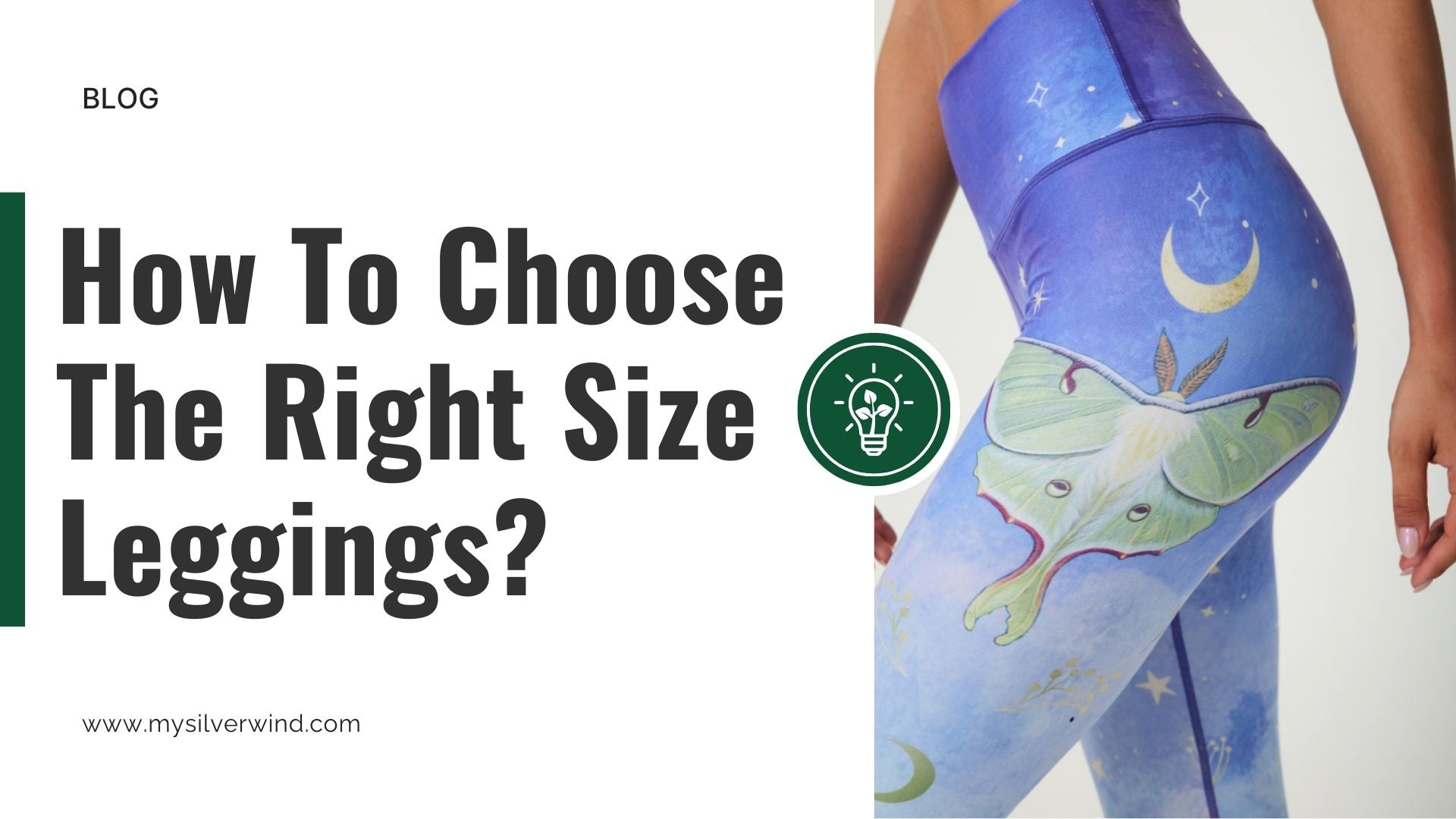
Credit: www.mysilverwind.com
Purpose-based Selection
Choosing leggings based on their purpose helps ensure the best fit and comfort. Different activities demand different fits and fabric behaviors. Picking the right size depends on whether you wear leggings for daily use or intense exercise. Understanding your needs guides you to a pair that feels like a second skin without discomfort.
Everyday Comfort
Leggings for daily wear should prioritize comfort over tightness. A slightly looser fit prevents fabric from digging into your skin. Soft, stretchy materials allow easy movement during chores or lounging. Sizing up can help avoid leggings becoming see-through after some wear. Choose leggings that offer breathability and a relaxed feel for all-day use.
High-intensity Workouts
Workout leggings require a snug, compressive fit to support muscles. Compression helps reduce fatigue and keeps leggings from slipping. Sizing down provides a locked-in feeling that stays firm during jumps or runs. Look for fabrics with strong elasticity like spandex blends. Always test the fit by squatting or stretching to ensure no gaps or transparency appear.
Using Brand Size Guides
Using brand size guides helps find leggings that fit well. Each brand has its own sizing chart. These charts show measurements for waist, hips, and sometimes inseam. Following them improves your chances of a perfect fit. It reduces guessing and returns.
Check the size guide before buying leggings. Compare your body measurements with the chart. Use a soft tape to measure your waist and hips. Match these numbers with the brand’s recommended sizes. This step is key to avoid leggings that are too tight or loose.
How To Read Brand Size Guides
Look for waist and hip measurements first. These two numbers decide the best fit. Some brands also include inseam length. This helps with the leggings’ overall length. Note if the guide lists sizes in inches or centimeters. Convert your measurements to the same unit for accuracy.
Why Brand Size Guides Differ
Brands use different patterns and materials. One brand’s medium may be another’s small. Fabric stretchiness affects how leggings fit too. Firm compression leggings fit tighter than soft, stretchy ones. Always trust the specific brand’s guide over general sizing.
Tips For Using Brand Size Guides
Measure yourself standing straight without bulky clothes. Take measurements twice to ensure accuracy. Use the larger number if you fall between sizes. Read customer reviews for fit advice. Some brands note if leggings run small or large.
Credit: loonylegs.com

Credit: vakandiapparel.com
How Magick Can Help You with How to Choose the Right Size Leggings
Putting Legging Sizing Into Practice
Now that you’ve wrestled with the fabric and fit factors, and maybe even dusted off your tape measure to take some real measurements, it’s time to channel that knowledge into real-world savvy. Leggings aren’t just about numbers; they’re about how they move with your body, especially when you’re breaking free from the daily grind—whether you’re smashing a workout, flowing through yoga, or just embracing your inner wild child.
Remember, when you’re between sizes, sizing up can save you from the dreaded see-through moment or the constant need to hike your leggings back up. But if you’re chasing that high-intensity, locked-in compression to push your limits, sizing down might be your secret weapon.
- Use brand size guides as your trusted sidekick—they’re like the GPS for your legging journey.
- Test the fit by moving, stretching, and squatting; if they hold up without digging in or sagging, you’re golden.
- Consider your body type and purpose to tailor your choice—there’s no one-size-fits-all in the leggings universe.
If you ever feel stuck in the legging labyrinth, don’t hesitate to reach out to folks who get the struggle—like the team at Magick, who blend humor and radical honesty with practical advice for those ready to transcend the mundane. They can be reached at support@magickactive.com for some friendly, no-nonsense guidance.
Frequently Asked Questions
Is It Better To Size Up Or Down In Leggings?
Size up in leggings for comfort and coverage if between sizes or for casual wear. Size down for tighter compression during intense workouts. Always check the brand’s size guide and consider fabric stretch and your body shape for the best fit.
How Do I Know What Size Leggings To Buy?
Measure your waist, hips, and inseam accurately. Compare with the brand’s size chart. Choose size up for comfort or down for compression. Test fit by squatting and stretching to ensure no gaps or sheerness. Select fabric and style based on activity and body shape.
Is It Better For Leggings To Be Tight Or Loose?
Leggings should fit snugly for support and comfort without digging into skin. Avoid overly tight or loose fits to prevent discomfort and transparency. Choose based on activity and fabric stretch for the best "second-skin" feel.
What Body Type Looks Best In Leggings?
Leggings flatter all body types. Choose styles like high-waisted or wide waistbands to enhance your shape and boost confidence.
Conclusion
Choosing the right size leggings improves comfort and confidence. Always check your measurements before buying. Consider how you will use the leggings daily. Pick a size that feels snug but not too tight. Stretch and squat to test the fit fully.
Remember, fabric type affects stretch and support. Good leggings move with your body easily. Feeling comfortable helps you enjoy wearing leggings more. Keep these tips in mind for the perfect fit. Your ideal leggings support both style and function.
