

How to Choose the Right Gym Clothes for Maximum Comfort
How To Choose The Right Gym Clothes
Stepping into the gym for the first time, or even after a break, can feel challenging. The right gym clothes make a big difference—not just for style, but for performance, comfort, and confidence. Clothing that fits your body, supports your movements, and manages sweat can help you focus on your workout, not on adjusting your shirt or worrying about embarrassing sweat patches.
But with so many options, fabrics, and styles, choosing gym clothes can be confusing.
This guide will help you understand everything you need to know about picking the best gym clothes for your needs. Whether you are a beginner, a regular gym-goer, or someone looking to improve your fitness wardrobe, you’ll find clear advice and practical tips here.
Let's break down the most important factors, common mistakes, and smart choices for every type of workout.
Why Gym Clothes Matter
Many people think any t-shirt and shorts will do for exercise. But the right gym clothes can actually improve your workouts. Here’s how:
- Better comfort: Well-chosen gym clothes reduce irritation and let you move freely.
- Improved performance: Fabrics that manage sweat help you stay cool and focused.
- Injury prevention: Supportive shoes and proper fit reduce the risk of strains or slips.
- Confidence boost: When you feel good in your gear, you’re more motivated to exercise.
Wearing street clothes or old cotton shirts may seem fine at first, but you’ll quickly notice the difference in comfort and function with the right gear.
Understanding Your Workout Needs
Not all workouts are the same. The right clothing for weightlifting isn’t always right for running, yoga, or cycling. Before you buy, think about:
- Type of Exercise: Cardio, weightlifting, yoga, HIIT, or sports.
- Intensity Level: Light stretching vs. heavy sweating.
- Indoor or Outdoor: Weather impacts your choices.
- Duration: Longer workouts need better sweat management.
- Personal Comfort: Some people prefer loose fits, others want compression.
Take a moment to list your main activities. This will guide your choices for materials, fit, and style.
Key Factors When Choosing Gym Clothes
Let’s look at the most important factors you should consider for every piece of gym clothing.
Fabric Types And Their Benefits
Fabric is more than just style—it's about performance. Here are common materials you’ll find:
| Fabric | Main Benefit | Best For | Drawback |
|---|---|---|---|
| Polyester | Wicks sweat, dries fast | Most workouts | Can hold odor |
| Nylon | Soft, stretchy, durable | Yoga, cardio | Less breathable than cotton |
| Cotton blends | Soft, comfortable | Light exercise | Holds moisture |
| Spandex (Lycra) | High stretch | Compression wear | Can feel tight |
| Merino wool | Regulates temp, resists odor | Outdoor, cold weather | More expensive |
Moisture-wicking fabrics are usually best for high-sweat workouts. Cotton is great for comfort but can feel heavy when wet.
Fit: Loose Vs. Tight
Fit affects both comfort and function.
- Loose Fit: Good for walking, light cardio, or if you prefer more airflow.
- Fitted/Compression: Supports muscles, reduces chafing, and is ideal for running, HIIT, or lifting.
- Layering: In colder weather, layer a fitted base with a looser top.
Try different fits to see what allows you to move easily without constant adjusting.
Breathability And Sweat Management
When you exercise, your body heats up. Clothes that help moisture evaporate keep you cooler and drier. Look for:
- Mesh panels or laser-cut holes in key areas
- Moisture-wicking labels
- Quick-drying claims
Avoid heavy cotton for intense workouts—it absorbs sweat and gets heavy.
Durability
Gym clothes go through a lot of movement and washing. Durable fabrics like polyester or nylon blends last longer and keep their shape. Check for:
- Strong seams
- Reinforced stitching
- Quality zippers
Spending a bit more on quality often saves money in the long run.
Flexibility And Range Of Motion
Can you squat, stretch, or lift your arms without restriction? Test the clothes by moving in the store, or check if the product is designed for your activity. Look for:
- Four-way stretch fabrics
- Gusseted crotch in pants or shorts for flexibility
- Raglan sleeves for shoulder movement
Small details make a big difference during exercise.
Odor Resistance
Sweaty clothes can smell bad, especially synthetic fabrics. Some brands add antimicrobial treatments to reduce odor. Merino wool is naturally odor-resistant. If you sweat a lot or share close spaces, this is worth considering.
Easy Care And Maintenance
You’ll wash gym clothes often. Check the tags for care instructions. Most synthetic blends are machine-washable and quick to dry. Avoid clothes that need special washing, as you may skip wearing them.
Essential Gym Clothes For Men And Women
Everyone’s gym wardrobe will be a bit different, but there are some essentials you should have. Here’s a breakdown for both men and women.
Tops
- T-shirts: Look for moisture-wicking, fitted but not tight, and soft seams.
- Tank tops: Allow better airflow, good for hot gyms.
- Long sleeves: For cool weather, or warm-up.
Bottoms
- Shorts: Choose length based on activity (shorter for running, longer for lifting).
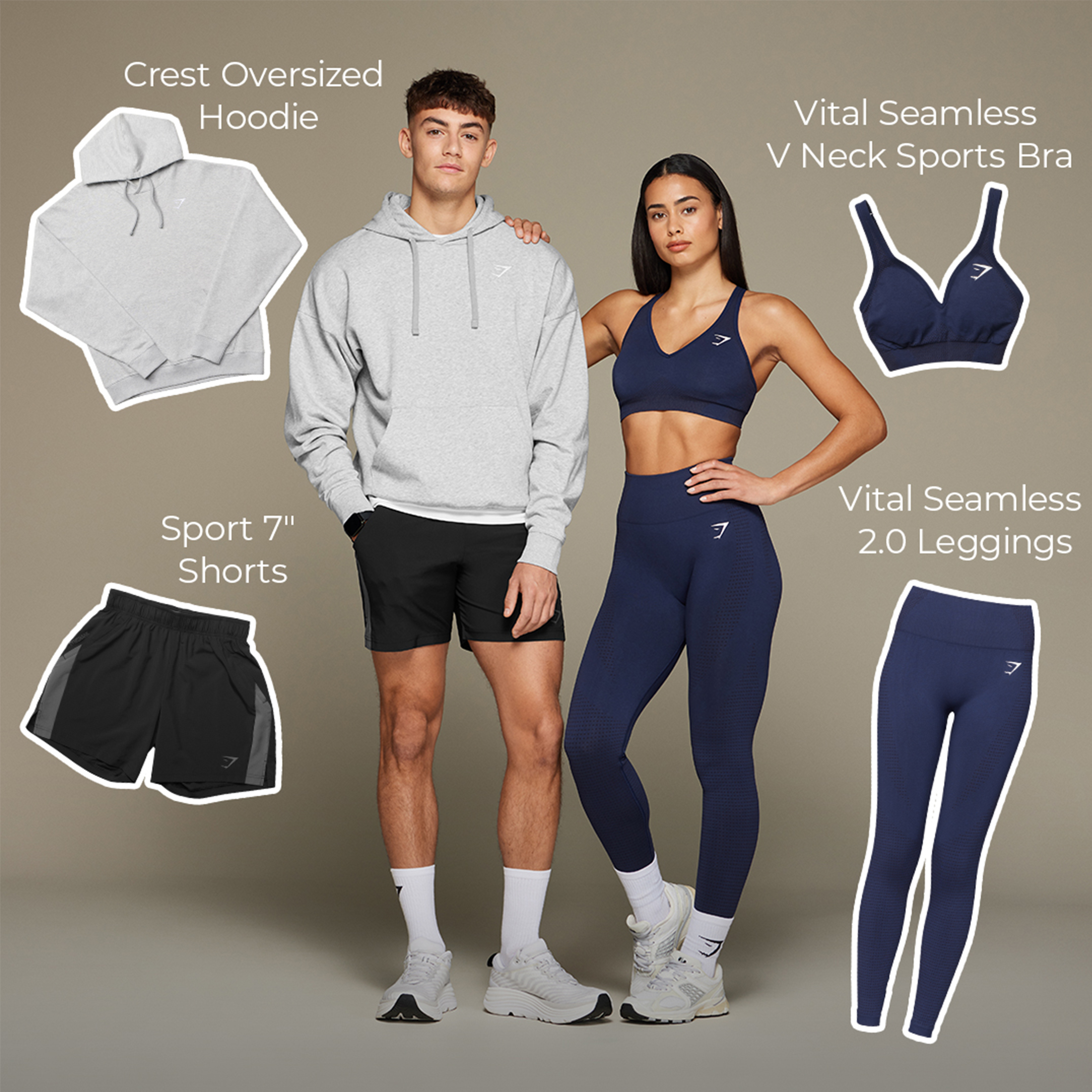
- Leggings/tights: Great for flexibility and muscle support. For women, high-waisted options add comfort.
- Sweatpants: Good for warm-up or cold days.
Sports Bras (women)
A must-have for support and comfort. Choose based on:
- Impact level: Low for yoga, high for running.
- Adjustability: Straps and bands for custom fit.
- Breathability: Mesh panels or moisture-wicking fabric.
Underwear
- Moisture-wicking: Cotton holds sweat, so try synthetic blends.
- Seamless designs: Reduce chafing.
Socks
- Cushioned: Protect feet during impact.
- Breathable: Prevent blisters.
- Ankle or crew: Personal preference, but make sure they stay in place.
Shoes
Your shoes are the most important item. Choose based on activity:
| Shoe Type | Best For | Main Feature | Common Mistake |
|---|---|---|---|
| Running shoes | Treadmill, running | Cushion, shock absorption | Too little arch support |
| Training shoes | HIIT, gym classes | Stability, multi-directional grip | Using for heavy lifting |
| Lifting shoes | Weightlifting | Flat sole, solid base | Using for running |
| Cross-trainers | General gym use | Versatile, balanced support | Not specialized for any one activity |
Wearing the wrong shoe is a common cause of discomfort and injury.
Accessories
- Headbands or sweatbands: Keep sweat out of your eyes.
- Gloves: For lifting, to protect hands.
- Hats: For outdoor workouts.
Outer Layers
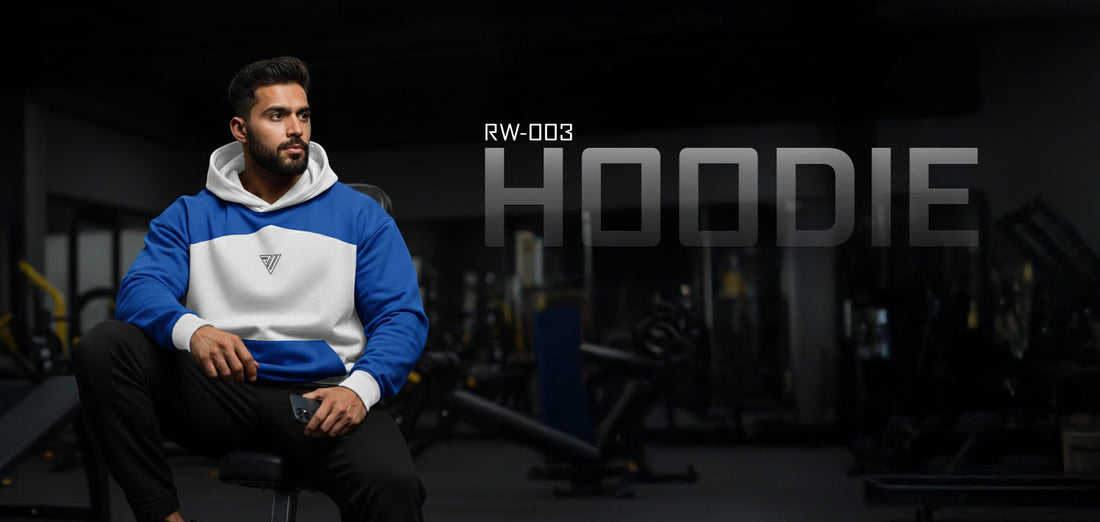
- Jackets or hoodies: For warming up or outdoor training.
- Windbreakers: If running outside in windy or light rain conditions.
How To Choose Gym Clothes For Your Body Type
Everyone’s body is different. The right gym clothes should make you feel comfortable and confident. Here’s how to match your clothes to your shape:
For Men
- Broad shoulders: Raglan sleeves or sleeveless shirts.
- Slim build: Fitted shirts and tapered joggers add shape.
- Bigger build: Avoid clothes that are too tight; look for athletic cuts.
For Women
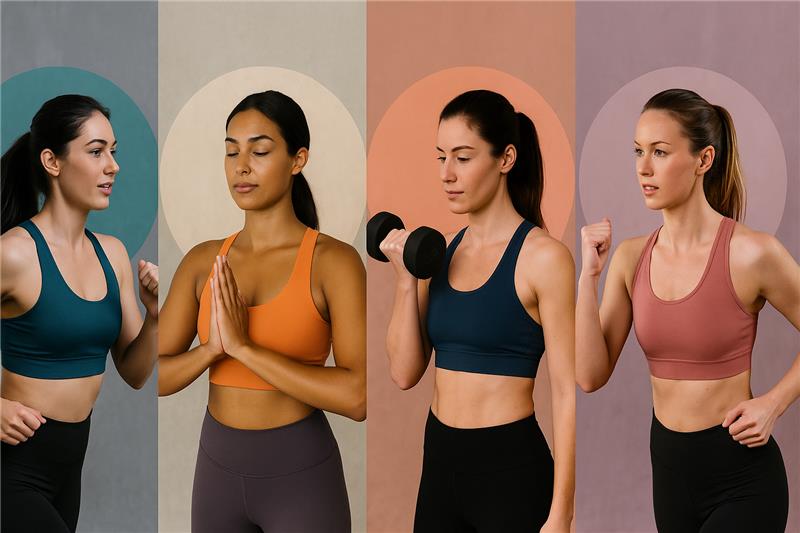
- Curvy: High-waisted leggings, supportive bras, longer tops.
- Petite: Cropped leggings, fitted tops, avoid oversized clothing.
- Tall: Look for “tall” sizes or longer inseams.
Trying on different brands and styles is the best way to see what works for you. Don’t be afraid to mix and match until you find your favorites.
Seasonal Considerations: Dressing For Weather
Your gym might be air-conditioned, but outdoor workouts require a different approach.
Hot Weather
- Lightweight fabrics: Polyester, mesh.
- Light colors: Reflect sunlight.
- Breathable styles: Tanks, shorts.
Cold Weather
- Layering: Base layer (moisture-wicking), middle (insulation), outer (wind/rain protection).
- Thermal leggings: For warmth.
- Gloves and hats: Prevent heat loss.
Rainy Or Windy Days
- Water-resistant jackets
- Quick-drying clothes
- Avoid heavy cotton
Layering lets you adjust as your body heats up during exercise.
Credit: softskinlingerie.com
Style And Personal Preference
While function is important, style also matters. When you like how you look, you’re more likely to hit the gym. Consider:
- Color: Dark colors hide sweat, bright colors add energy.
- Patterns: Camouflage, color-blocking, or simple solids.
- Brand logos: Some prefer subtle, others like bold.
But don’t let style override comfort and function. Try different looks to see what matches your personality and motivates you.
Common Mistakes To Avoid
Even experienced gym-goers make errors when choosing gym clothes. Here are mistakes to watch out for:
- Ignoring fabric: Choosing cotton for HIIT or cardio leads to discomfort.
- Wrong fit: Too tight restricts movement, too loose catches on equipment.
- Using old shoes: Worn-out soles lose support and increase injury risk.
- Choosing fashion over function: Trendy is nice, but not if it’s uncomfortable.
- Skipping support: Not wearing a proper sports bra can lead to pain.
- Forgetting socks: Cheap socks cause blisters.
- Not testing range of motion: Try moving in the clothes before buying.
- Not considering washing needs: Delicate fabrics are hard to care for.
- Ignoring odor control: Some fabrics hold sweat smells.
- Overlooking accessories: Sweatbands and gloves can make a big difference.
Avoiding these mistakes saves money and frustration.
How To Build A Gym Wardrobe On A Budget
You don’t need to spend a fortune to look and feel good at the gym. Here’s how to build your gym wardrobe smartly:
- Start with basics: A few good tops, bottoms, socks, and shoes.
- Shop sales or outlets: Many brands offer high quality at lower prices if you wait for discounts.
- Mix and match: Neutral colors work with everything.
- Buy multi-use pieces: Some shorts or shirts work for both gym and casual wear.
- Check local brands: Sometimes they offer similar quality for less.
- Read reviews: Make sure clothes last after washing.
- Upgrade slowly: Replace worn-out items one at a time with better quality.
Remember, a few quality pieces are better than a closet full of uncomfortable clothes.
Special Considerations For Plus Size And Petite Gym-goers
Finding gym clothes that fit well can be tough if you’re not “average” size. Here’s what to look for:
Plus Size
- Stretch fabrics: For comfort and movement.
- Wide waistbands: Prevent rolling down.
- Supportive sports bras: With wider straps.
- Longer tops: For extra coverage.
- Brands with inclusive sizing: More options now exist than ever.
Petite
- Cropped pants: Avoid bunching at ankles.
- Shorter tops: Proportionate to your body.
- Adjustable features: Drawstrings, adjustable straps.
Never settle for ill-fitting clothes—comfortable gym wear exists for all shapes.
Sustainability And Eco-friendly Gym Clothes
More people want to reduce their impact on the planet. If this matters to you, consider:
- Recycled materials: Many brands use plastic bottles for polyester.
- Organic cotton: Grown without harmful chemicals.
- Durability: Long-lasting clothes reduce waste.
- Ethical brands: Fair labor practices.
Check for certifications or read brand stories. Sustainable gym clothes are becoming easier to find, and often feel just as good as traditional options.
Shopping Tips: Online Vs. In-store
Both online and in-person shopping have their pros and cons.
Online
- Wide selection
- Easy price comparison
- Read reviews for fit and quality
- Check return policies
In-store
- Try before you buy
- Feel fabrics
- Immediate purchase, no waiting
If you shop online, order from stores with free returns. Try items on at home and move around to test fit and comfort.
Credit: proultimatesports.com
How To Care For Your Gym Clothes
Taking care of your gym clothes extends their life. Here’s how:
- Wash after every use: Sweat can damage fabrics if left.
- Use cold water: Hot water breaks down elastic.
- Skip fabric softener: It clogs moisture-wicking fibers.
- Air dry: High heat damages stretch fabrics.
- Wash inside out: Protects outer surface.
- Don’t overload the machine: Clothes clean better with space.
With proper care, your gym clothes will stay fresh, fit, and functional longer.
Two Non-obvious Insights Most Beginners Miss
- Pay attention to seams and tags. Many people focus only on fabric and fit, but rough seams or itchy tags can cause irritation during repetitive movements. Some activewear brands use flatlock seams or tagless designs, which are much more comfortable during long workouts.
- Neutral colors are more practical. It’s tempting to buy colorful, trendy gym wear, but sweat stains and laundry sorting can become a headache. Dark or neutral colors are easier to care for and less likely to show sweat, making them a smarter long-term choice for most people.
Real-world Example: Comparing Two Outfits
Here’s a quick comparison of two gym outfits—one chosen for function, one for fashion.
| Outfit | Top | Bottom | Shoes | Result |
|---|---|---|---|---|
| Functional | Polyester tee (moisture-wicking) | Nylon/spandex leggings | Cross-trainers | Stays dry, moves well, comfortable |
| Fashion-First | Cotton crop top | Loose sweatpants | Old running shoes | Gets heavy/sweaty, poor support, distracted workout |
Choosing function doesn’t mean you have to ignore style—just make sure your clothes help, not hurt, your performance.
Where To Find More Guidance
If you want to dive deeper into technical fabrics or compare popular brands, you can explore resources like Wikipedia’s Sportswear (Activewear) page for more information.
Credit: www.gymshark.com
Final Thoughts
Choosing the right gym clothes is about more than looking good. It's about picking the right fabrics, fits, and features for your workout style, body shape, and comfort. Take your time to try different brands and styles, pay attention to what works for your needs, and don’t be afraid to invest in quality basics.
The right gym clothes will not only help you move better but also keep you motivated to stick with your fitness routine.
Remember, your gym journey is personal. Find clothes that make you feel strong, confident, and ready to achieve your goals.
Frequently Asked Questions
What Are The Best Fabrics For Gym Clothes?
The best fabrics are moisture-wicking materials like polyester, nylon, or spandex blends. These keep you dry and comfortable during workouts. Avoid 100% cotton for sweaty activities, as it absorbs moisture and can feel heavy.
How Do I Know If My Gym Clothes Fit Correctly?
Your gym clothes should allow a full range of motion without being too loose or tight. For tops, you should be able to raise your arms without the shirt riding up. For bottoms, squat or lunge in the fitting room to test comfort and coverage.
Can I Wear Regular Clothes For The Gym?
You can, but it’s not recommended for intense workouts. Regular clothes may restrict movement, soak up sweat, and cause chafing. Activewear is designed to handle exercise and will improve your comfort and performance.
How Many Gym Outfits Do I Need?
Most people do well with 2-3 tops and 2-3 bottoms to start. This allows you to rotate clothes between workouts and wash them regularly. If you exercise daily, you may need more.
What Is The Difference Between Running Shoes And Training Shoes?
Running shoes are made for forward motion and have extra cushioning for impact. Training shoes offer more side-to-side support for activities like gym classes or HIIT. It’s best to choose shoes based on your main activity to reduce the risk of injury.
