

How to Choose a Shirt: Expert Tips for Perfect Fit and Style
Choosing the right shirt can feel simple, but when you want to look your best, the process becomes more detailed. A shirt is not just about covering your body; it shows your style, personality, and sometimes your professionalism. Whether you are buying for work, a special event, or casual outings, knowing how to choose a shirt that fits your needs, body, and taste is important.
Many people focus only on color or price, but there are other details that matter just as much, if not more. This guide will walk you through the key points you should consider, share practical tips, and help you understand what makes a shirt truly suit you.
Understanding Shirt Types
Before you choose a shirt, it helps to know the main types you will find in stores. Each type is designed for a different purpose, style, and level of formality.
- Dress shirts are classic and usually worn with suits or formal trousers. They have a structured collar, long sleeves, and are made from smooth fabrics like cotton or poplin.
- Casual shirts include options like Oxford shirts, denim shirts, flannel, and linen. These are less formal and often have patterns or softer collars.
- Polo shirts have a collar and a few buttons but are made from knit fabric. They bridge the gap between t-shirts and formal shirts.
- T-shirts are the most relaxed, with no collar, and are usually made from stretchy cotton.
Knowing the difference will help you pick the right shirt for the right occasion. For example, wearing a dress shirt to a picnic will feel out of place, just as a t-shirt will not work for a job interview.
The Importance Of Fit
Fit is the most important factor when choosing a shirt. Even the most expensive shirt will look bad if it does not fit your body well. There are several types of fits to know:
| Fit Type | Body Type | When to Wear |
|---|---|---|
| Regular Fit | All body types | Everyday, work, casual |
| Slim Fit | Lean or athletic | Modern office, parties |
| Relaxed Fit | Broad or heavier builds | Casual, comfort-focused |
| Tailored Fit | Average to muscular | Business, events |
A common mistake is picking a size that is too loose or too tight. For a proper fit:
- Shoulder seams should sit at the edge of your shoulder bone.
- Sleeves should end at your wrist (for long sleeves) without extra fabric bunching.
- The shirt should not pull at the buttons when closed.
- If you can fit two fingers between your neck and the collar, it’s usually right.
Trying shirts on before buying, or knowing your measurements, is the best way to avoid fit issues.
Fabric Choices And Their Impact
The fabric of a shirt changes how it looks, feels, and performs. Some fabrics are better for formal settings, while others work for casual or hot weather.
| Fabric | Main Qualities | Best For |
|---|---|---|
| Cotton | Breathable, soft, durable | All occasions |
| Linen | Lightweight, cool, wrinkles easily | Summer, casual |
| Polyester | Wrinkle-resistant, dries fast | Travel, active wear |
| Flannel | Warm, soft, thicker | Winter, casual |
| Denim | Durable, heavy, casual look | Casual, layering |
Two details beginners often miss are the weave and the weight of the fabric. For example, poplin is a tight, smooth weave found in dress shirts, while oxford is thicker and more casual. Lighter fabrics are better for hot climates, while heavier ones add warmth and structure.
Collar Styles And Why They Matter
The collar is a small part but makes a big difference in your look. There are many collar styles, but here are the most common:
- Point collar: Narrow, classic, works well with ties.
- Spread collar: Wider angle, modern, good for bigger tie knots.
- Button-down collar: Has small buttons to hold the tips down, casual.
- Mandarin collar: Short, no fold, very casual and trendy.
The right collar depends on your face shape and the occasion. A spread collar can help a narrow face look wider, while a point collar suits rounder faces. Always check if the collar sits flat on your neck and does not gape.

Credit: www.wikihow.com
Cuff Types And Their Role
The cuffs are the end of the shirt sleeves. Simple, but they change the style of the shirt.
- Button cuffs (barrel cuffs): Most common, with one or two buttons, good for daily wear.
- French cuffs: Fold back and need cufflinks, best for formal events.
- Convertible cuffs: Can be buttoned or used with cufflinks.
If you want a shirt for business or formal events, consider French cuffs. For daily use, button cuffs are easier and more practical.
Color Selection: More Than Just Preference
Color is not only about what you like. The right color can improve your skin tone, make you look younger, or show confidence. When choosing a shirt color, think about:
- Skin tone: Lighter skin often looks good with dark or rich colors. Darker skin can handle bright or light colors.
- Occasion: White, light blue, and pale pink are safe for business. Bright patterns or bold colors are better for casual wear.
- Wardrobe matching: Choose colors that work with your pants, jackets, or ties.
A good tip is to start with basic colors like white, light blue, and gray if you are building a new wardrobe. Add more colors and patterns as you get comfortable with your style.

Credit: gossby.com
Patterns: Subtle Or Statement?
Patterns add interest to shirts, but can be tricky to wear. The most common patterns are:
- Stripes: Vertical stripes make you look taller and slimmer. Pinstripes are formal, while wider stripes are casual.
- Checks: Small checks (gingham) are more formal than large checks (plaid).
- Solids: No pattern, very versatile.
- Prints: Small or large motifs, usually casual.
If you are new to patterns, start with small, simple ones. Too many bold patterns can be hard to match with other clothes and may not suit all occasions.
Button Details: Small Choices, Big Effects
Buttons are easy to ignore, but they affect how a shirt looks and lasts.
- Mother of pearl buttons are shiny and strong, found on high-end shirts.
- Plastic buttons are common, practical, and cost less.
- Contrast buttons (different color from the shirt) add a casual or playful touch.
Check the stitching on the buttons. Good shirts have tight, cross-stitched buttons that don’t fall off easily. Also, look at the button placket (the fabric where buttons sit). A plain placket is formal, while a hidden placket is very dressy.
Sleeve Length: Long Or Short?
Choosing between long sleeves and short sleeves is not just about weather.
- Long sleeves are more formal, work with ties and jackets, and give a classic look.
- Short sleeves are cooler and casual but not suitable for business or formal events.
If you only want one shirt, pick long sleeves. You can always roll them up for a casual feel.
Pocket Or No Pocket?
Some shirts have a chest pocket, some do not.
- No pocket: Clean, formal, ideal for wearing with suits or ties.
- One pocket: Useful for casual shirts, sometimes holds pens or glasses.
- Double pockets: Seen on work shirts or outdoors styles, very casual.
If you want a shirt for formal use, skip the pocket. For casual or practical use, one pocket is helpful.
Length And Tucking: Getting It Right
Shirt length matters more than many people realize.
- Dress shirts are longer, designed to be tucked in.
- Casual shirts are shorter, can be worn untucked without looking sloppy.
A shirt that is too short will come out of your pants when you move. Too long, and it looks messy when untucked. For untucked wear, the shirt should end around the middle of your zipper or just below the belt.
Construction Quality: What To Check
A well-made shirt feels better and lasts longer. Here’s what to look for:
- Stitching: Should be even, tight, with no loose threads. High-quality shirts may have 14 stitches per inch or more.
- Seams: Flat-felled seams (two rows of stitching) are strong and lie flat.
- Yoke: The piece across the upper back. Split yokes (two pieces) allow better movement.
- Gussets: Small triangles at the bottom of side seams. They stop tearing.
These details are not always obvious but make a difference in comfort and durability.
Price Vs. Value: Spending Wisely
Price is not always a sign of quality, but very cheap shirts often cut corners on fit, fabric, or construction. Think about cost per wear. A $60 shirt you wear 30 times is a better buy than a $20 shirt you wear twice.
However, you do not need to buy the most expensive option. If you are on a budget, focus on fit and fabric before brand names or extra features.
Ready-to-wear, Made-to-measure, Or Bespoke?
There are three main ways to buy a shirt:
| Type | Pros | Cons |
|---|---|---|
| Ready-to-wear | Easy to buy, wide choice, cheaper | May not fit perfectly, limited options |
| Made-to-measure | Customized fit, choose fabric & details | Costs more, takes time to make |
| Bespoke | Fully custom, perfect fit, unique | Most expensive, slowest |
Most people buy ready-to-wear shirts, but if you have a hard-to-fit body or want something special, consider made-to-measure.
Matching Shirts With Your Wardrobe
A shirt does not stand alone. It should work with your pants, jackets, and even shoes.
- For business, pair light shirts with dark suits for contrast.
- For casual, denim shirts go with chinos or shorts.
- Avoid matching shirt and pants color exactly; it looks flat.
Having a few versatile shirts helps you mix and match more outfits without buying many clothes.
Seasonal Considerations
Some fabrics and colors are better for certain seasons.
- Summer: Linen, lightweight cotton, lighter colors.
- Winter: Flannel, heavier cotton, darker tones.
- Rainy season: Quick-drying fabrics like polyester blends.
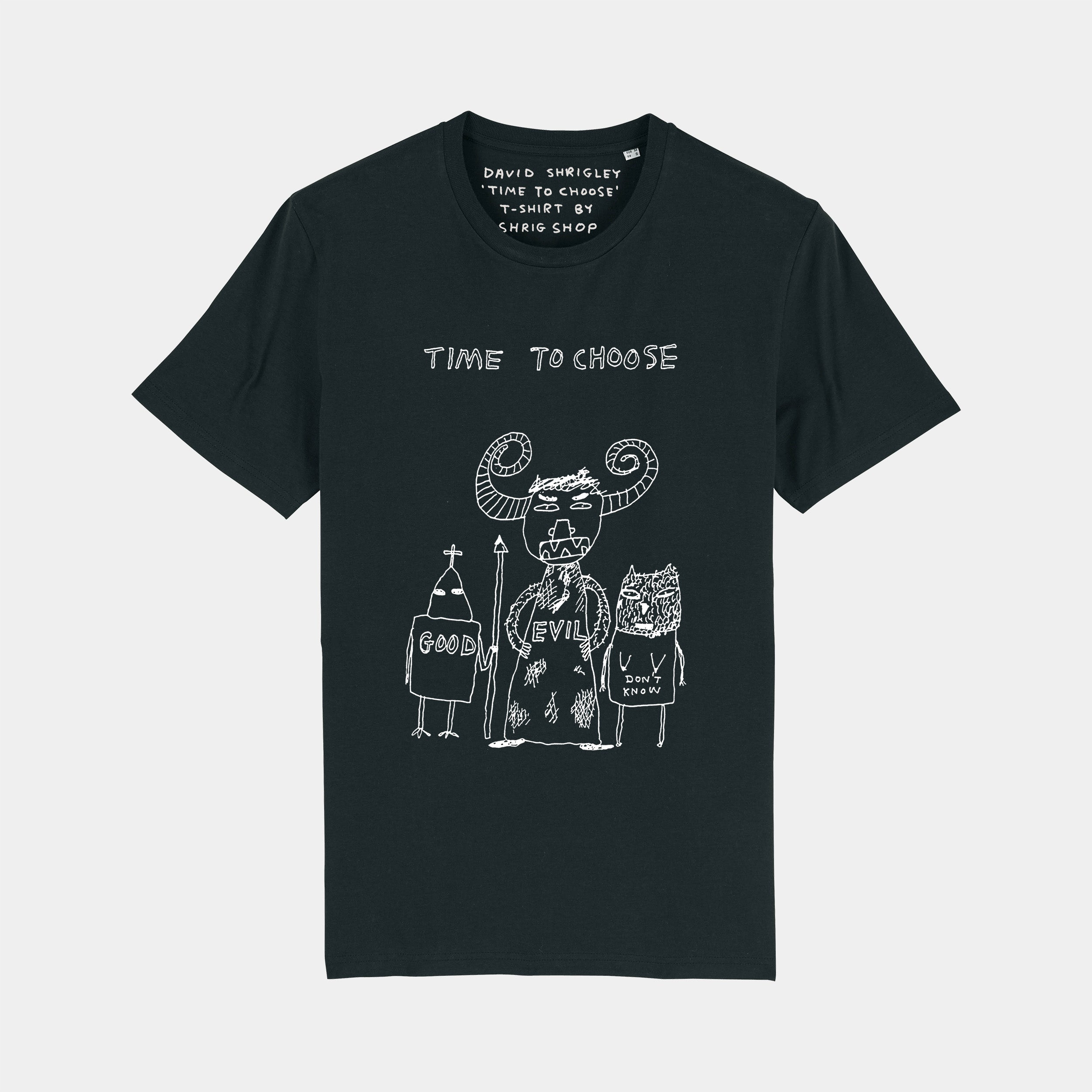
Buying with the season in mind will keep you comfortable and looking good.
Credit: shrigshop.com
Shirt Care: Longevity And Appearance
A shirt that looks good in the store can lose its shape or color if not cared for.
- Follow the washing instructions on the tag.
- Use gentle detergent for delicate fabrics.
- Hang shirts to dry instead of machine drying to avoid shrinking.
- Iron or steam for a crisp look.
Well-cared-for shirts last longer and keep their shape.
Common Mistakes When Choosing A Shirt
Even experienced shoppers can make errors. Some common mistakes are:
- Ignoring fit and buying based only on size label.
- Choosing trendy patterns that do not suit your body or age.
- Forgetting to check how a shirt looks untucked.
- Picking shirts that are uncomfortable after a few hours of wear.
- Not considering how the shirt works with the rest of your wardrobe.
Avoid these, and you will build a smarter, more useful shirt collection.
Non-obvious Insights For Better Shirt Choices
- Try shirts on with the clothes you plan to wear them with. A shirt may look different with jeans versus a suit.
- Check the armhole size. High armholes give more movement and a cleaner look but are often missed by beginners.
- Look at the side seam placement. If the seam pulls toward the front or back, the shirt will twist as you move.
- Test the placket strength. If you pull gently on the placket and it stretches out, the shirt may lose shape over time.
- Notice button spacing. Closer buttons mean less chance of gaping at the chest or stomach.
Paying attention to these smaller details will set you apart from most buyers.
Sustainable And Ethical Choices
Today, many buyers care about how their clothes are made. Look for:
- Organic cotton or recycled fabrics.
- Brands with clear labor practices.
- Durable shirts that last longer, reducing waste.
Research shows that sustainable fashion is growing, and buying better shirts helps both you and the planet. For more details, you can check the Sustainable fashion page.
Shopping Online Vs. In-store
Online shopping gives you more choice and often better prices, but you lose the chance to try on before buying.
Tips for online shirt shopping:
- Always check the size chart (every brand is different).
- Read customer reviews for real-life fit advice.
- Start with basic colors and styles until you learn your size with a brand.
If you are shopping in-store, try several brands and styles. Do not rush; what feels good in the fitting room often feels good all day.
When To Invest In A Custom Shirt
A custom shirt is not for everyone, but there are moments when it makes sense:
- You have a hard-to-fit body shape (very tall, short, large neck, etc. ).
- You need a shirt for a once-in-a-lifetime event (wedding, big presentation).
- You want a unique pattern, fabric, or color.
Custom shirts cost more and take time but offer the best fit and personal style.
Frequently Asked Questions
What Are The Best Fabrics For Sensitive Skin?
If you have sensitive skin, choose 100% cotton or bamboo fabrics. These are soft, breathable, and less likely to irritate. Avoid synthetic blends, which can cause itching or sweating.
How Do I Know If A Shirt Fits Well?
A well-fitting shirt sits flat on your shoulders, the collar allows two fingers inside, the sleeves end at your wrist bone, and there is no pulling at the buttons. Try moving your arms and bending forward; the shirt should not feel tight or come untucked.
Can I Wear A Patterned Shirt With A Patterned Tie?
Yes, but it is tricky. Make sure the patterns are different sizes (small stripes with large checks, for example). Keep one pattern subtle, and the colors should not clash. If you are unsure, stick to a solid tie with a patterned shirt.
How Often Should I Replace My Shirts?
Replace shirts when they look worn out, have stains that do not come out, or lose their shape. With regular wear, a good shirt lasts about 50–100 washes if cared for properly.
What Is The Difference Between A Dress Shirt And A Casual Shirt?
Dress shirts are made with finer fabrics, have a stiff collar, and are designed to be tucked in. They are for formal or business wear. Casual shirts use softer or textured fabrics, may have relaxed collars or pockets, and can be worn untucked.
Finding the perfect shirt is more than picking a color or following a trend. When you know what to look for in fit, fabric, style, and construction, you will build a wardrobe that works for every occasion. Pay attention to the small details, try new options, and always keep comfort in mind.
With these tips, choosing a shirt becomes less of a guess and more of a confident, personal choice.
