

How to Buy Gym Clothes: Expert Tips for the Perfect Fit
How To Buy Gym Clothes
Finding the right gym clothes is not just about looking good. The right gear can boost your confidence, improve performance, and help you stick with your workouts. Many people don’t realize how much their activewear affects their comfort, safety, and motivation. Shopping for gym clothes can feel overwhelming, with so many brands, materials, and styles. Whether you are a beginner, a home workout fan, or a regular gym-goer, understanding what to buy makes a big difference.
You don’t need to be a fashion expert or spend a fortune to find the best gym clothes. But you do need to know what matters for your body, your workout routine, and your budget. In this guide, you’ll learn what to look for, mistakes to avoid, and how to find gym clothing that fits your goals and lifestyle.
Let’s break down what really matters when choosing gym clothes and how to make smart decisions for your fitness journey.
Why Gym Clothes Matter
Most people think gym clothes are just about style. In reality, your workout clothing plays a key role in safety, comfort, and performance.
First, gym clothes help regulate your body temperature. Proper fabrics can wick away sweat, keeping you dry and preventing chafing or skin irritation. Second, the right fit reduces the risk of injury by supporting your muscles and joints. Compression gear, for example, can improve blood flow and reduce muscle fatigue during and after exercise.
Wearing appropriate clothing also gives you the confidence to move freely, so you can focus on your workout instead of adjusting your shirt or pants. Studies show that people who feel comfortable in their gym clothes are more likely to stick with their exercise plans.
Finally, good gym clothes are durable—they can withstand frequent washing and intense movement without losing shape or support.
Key Factors When Buying Gym Clothes
Choosing gym clothes is not just about picking what looks good. Here are the most important things to consider:
1. Fabric And Material
The material of your gym clothes affects everything from comfort to performance. Popular fabrics include:
- Cotton: Soft and breathable but absorbs sweat, so it’s not great for intense workouts.
- Polyester: Lightweight, strong, and quick-drying. It’s often blended with other fibers.
- Nylon: Smooth, stretchy, and moisture-wicking. Good for leggings and sports bras.
- Spandex (Lycra/Elastane): Offers stretch and flexibility, often blended into other fabrics.
- Bamboo: Soft, eco-friendly, and breathable. Suitable for those with sensitive skin.
Look for moisture-wicking and breathable fabrics. These help draw sweat away from your skin and let air circulate, which keeps you cool and dry.
Non-obvious Insight
Some brands use special coatings or weaves for odor control and UV protection. If you sweat heavily or exercise outdoors, these can make a big difference. Always check the label for these extra features.
2. Fit And Comfort
Your gym clothes should fit well—not too tight, not too loose. Tight clothes can restrict movement, while loose clothes may get caught on equipment. Try moving your arms, squatting, or jogging in place when trying on items. The right fit lets you move freely and supports your body’s natural motion.
Seam placement is a detail beginners often miss. Flat seams or seamless designs reduce rubbing and irritation, especially during repetitive movements.
3. Type Of Workout
Different exercises require different clothes. For example:
- Running: Lightweight tops, fitted shorts or leggings, and sweat-wicking socks.
- Yoga/Pilates: Flexible, stretchable leggings and fitted tops that stay in place.
- Weightlifting: Supportive tops, shorts or pants with good range of motion.
- HIIT/Cardio: Breathable, quick-drying fabrics and supportive sports bras.
Wearing the right gear for your activity helps you perform better and prevents distractions.
4. Support And Functionality
For women, a supportive sports bra is essential. The level of support you need depends on your bust size and exercise type. High-impact workouts require more support.
Look for features like pockets for your phone or keys, adjustable waistbands, and reflective details for outdoor workouts. These small touches can make your gym routine easier and safer.
5. Durability And Care
Gym clothes are washed often and put under stress. Look for reinforced stitching, quality zippers, and fabrics that hold their shape. Check washing instructions—some athletic gear can’t be tumble-dried or needs special care.
A common mistake is choosing delicate items that look nice but wear out quickly. Investing in durable pieces saves money and hassle over time.
6. Price Vs. Value
High price does not always mean high quality. Compare the cost with the features, durability, and comfort. Sometimes, mid-range brands offer better value than expensive designer names.
Try to buy one or two high-quality pieces (like a sports bra or shoes) and fill the rest with affordable basics. This way, you get the benefits where it matters most without overspending.
Comparing Materials: What Works Best?
Understanding fabric choices helps you avoid common mistakes. Here is a simple comparison of the most popular gym clothing materials.
| Material | Breathability | Moisture-Wicking | Stretch | Durability | Best For |
|---|---|---|---|---|---|
| Cotton | High | Low | Low | Medium | Light exercise, yoga |
| Polyester | Medium | High | Medium | High | Cardio, HIIT |
| Nylon | High | High | High | High | Running, all activities |
| Spandex | Medium | Medium | Very High | Medium | Yoga, stretching |
| Bamboo | High | Medium | Medium | Medium | Light to moderate exercise |
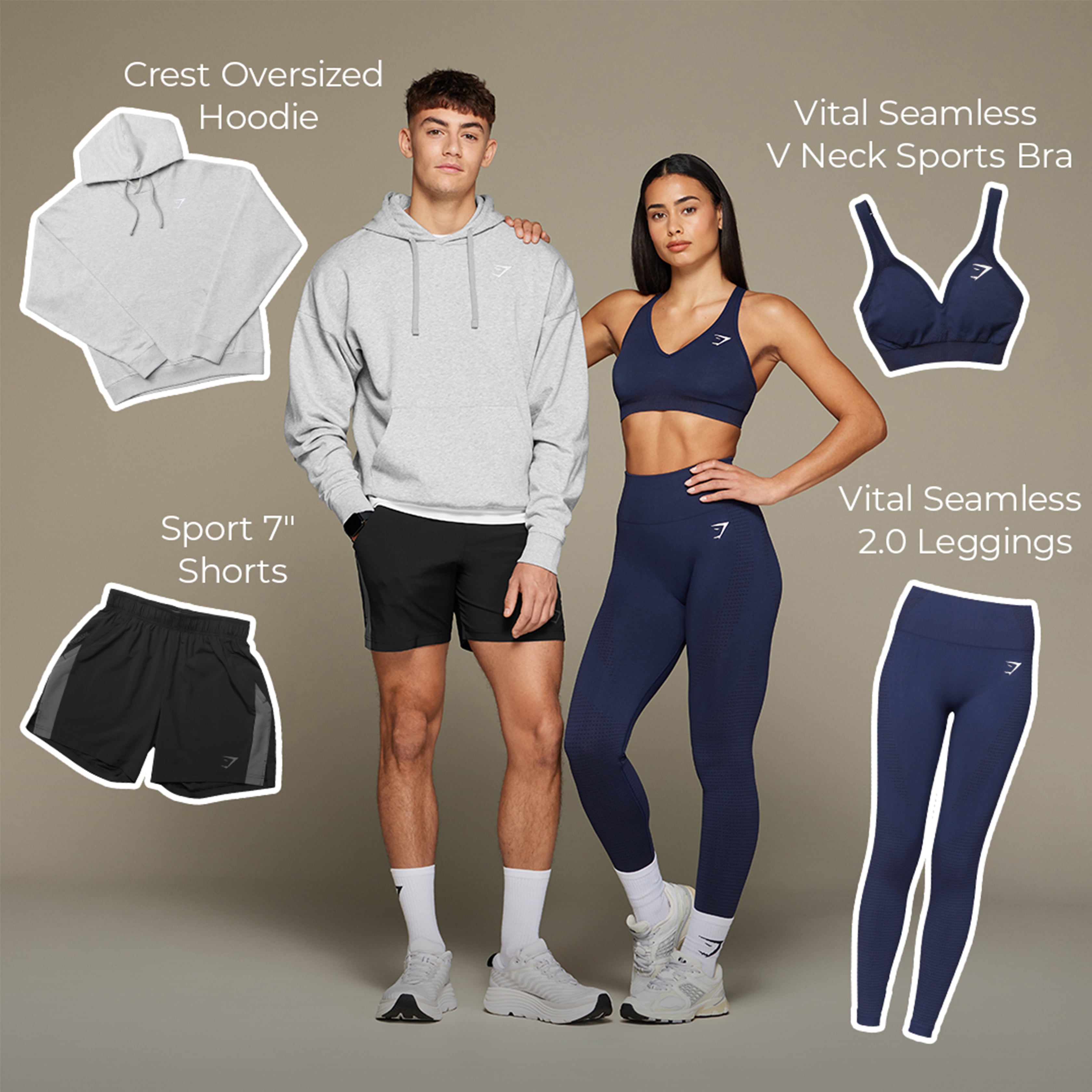
Essential Gym Clothes For Men And Women
Let’s look at what you actually need. Start with these basics before adding extras.
For Women
- Sports bras: Choose at least two, with different support levels for different workouts.
- Workout tops: Breathable T-shirts or tank tops. Avoid heavy cotton for cardio.
- Leggings or shorts: Look for stretch, a secure waistband, and opaque fabric.
- Jackets or hoodies: For warm-ups or outdoor activities.
- Socks: Moisture-wicking to prevent blisters.
For Men
- Workout shirts: Lightweight, sweat-wicking T-shirts or tanks.
- Shorts or joggers: Flexible and not too baggy.
- Compression shorts: Optional, for support and to avoid chafing.
- Hoodies or pullovers: For cooler weather or post-workout.
- Socks: Breathable and cushioned.
Unisex Items
- Gym shoes: Choose based on your main activity (running, lifting, etc. ).
- Headbands or hats: For sweat control or sun protection.
- Gloves: For weightlifting or cycling.
Non-obvious Insight
You don’t need a huge wardrobe. Most people can get by with 3-5 outfits, washing them regularly. Focus on quality and versatility.
Credit: row.gymshark.com
How To Choose The Right Size
Choosing the right size is more important than most people think. Ill-fitting gym clothes can distract you, cause discomfort, or even lead to injury. Here’s how to get it right:
- Check sizing charts: Every brand has its own sizing. Use the brand’s chart and measure yourself accurately.
- Try before you buy: Move around in the fitting room. Squat, stretch, and raise your arms.
- Read reviews: Other buyers often mention if items run large or small.
- Consider shrinkage: Some fabrics shrink after washing. If in doubt, size up.
- Look for adjustable features: Waistbands, straps, and drawstrings help customize the fit.
If you buy online, check the return policy. Don’t keep clothes that feel uncomfortable—return or exchange them.
Style And Color: Does It Matter?
Style is personal, but it can affect your confidence and motivation. Many people feel more excited to exercise in gym clothes they like. Here’s what to consider:
- Dark colors: Hide sweat marks and are easy to mix and match.
- Bright colors and prints: Boost mood and visibility, especially outdoors.
- Reflective details: Important for early morning or night workouts.
Pick styles that match your personality and needs, but don’t sacrifice function for fashion. If you’re self-conscious, start with neutral colors and simple designs, then try bolder choices as you feel more comfortable.
Comparing Gym Clothes Brands
There are many brands, from budget to premium. Here’s a quick comparison to help you decide.
| Brand | Price Range | Quality | Main Features | Best For |
|---|---|---|---|---|
| Nike | $$ | High | Wide variety, durable | All workouts |
| Adidas | $$ | High | Eco-friendly options | Running, team sports |
| Under Armour | $$ | High | Compression, tech fabrics | HIIT, weightlifting |
| Lululemon | $$$ | Very High | Comfort, style | Yoga, athleisure |
| Old Navy | $ | Medium | Affordable basics | Beginners, everyday |
| Gymshark | $$ | High | Trendy, functional | Strength training |
Non-obvious Insight
Many mid-range brands use the same factories as high-end brands. Sometimes the difference is the logo, not the quality. Try different brands and focus on material and fit.
Shopping Tips: Online Vs. In-store
Both online and in-store shopping have pros and cons. Here’s how to get the best results:
In-store Shopping
- Try on clothes to check fit and comfort.
- Ask staff for advice about sizing and material.
- See the colors and fabrics in person.
Online Shopping
- More choices, including brands not in local stores.
- Check reviews for real-life fit and quality info.
- Watch for sales and discount codes.
- Understand the return policy—free returns make it easier to try different sizes.
Online shopping requires a little more planning. Measure yourself and read product descriptions carefully. Some websites offer virtual fitting rooms or size quizzes.
How To Build A Gym Wardrobe On A Budget
You don’t need to spend a lot to get good gym clothes. Here’s how to save money:
- Buy basics first: Start with a few tops, bottoms, and a good pair of shoes.
- Shop sales: End-of-season sales can offer big discounts on quality brands.
- Mix and match: Choose neutral colors so you can create more outfits with fewer pieces.
- Look for outlet stores: Many brands have outlet versions with last season’s styles at a lower price.
- Check secondhand options: Some platforms offer barely used, high-quality gym clothes.
Resist the urge to buy trendy items you don’t need. Focus on what you’ll actually wear and what works for your workouts.
Common Mistakes When Buying Gym Clothes
Even experienced gym-goers can make mistakes. Here are some to avoid:
- Choosing style over function: Flashy designs are fun but may not offer the support or durability you need.
- Ignoring fabric care: Some items need special washing. If you prefer easy care, check labels before you buy.
- Buying the wrong size: Hoping to “grow into” smaller sizes usually leads to discomfort.
- Not testing movement: If you can’t squat or lift your arms comfortably, it’s not the right fit.
- Overlooking return policies: Especially important when shopping online.

Credit: www.reddit.com
How To Care For Your Gym Clothes
Taking care of gym clothes keeps them looking and performing like new. Here’s how:
- Wash after every workout: Sweat can damage fabric and cause odor.
- Use cold water: Hot water can break down stretchy fibers.
- Avoid fabric softeners: They can block moisture-wicking properties.
- Air dry when possible: High heat from dryers can shrink and damage clothes.
- Turn clothes inside out: This keeps colors bright and protects prints or logos.
If you invest in a few high-quality pieces, proper care will help them last much longer.
Sustainability: Eco-friendly Gym Clothes
Interest in sustainable gym wear is growing. Many brands now offer clothes made from recycled materials or organic fibers. Eco-friendly options are often just as durable and comfortable as traditional ones.
- Recycled polyester: Made from plastic bottles or fishing nets.
- Organic cotton: Grown without harmful chemicals.
- Bamboo: Fast-growing and renewable.
Look for certifications like Global Organic Textile Standard (GOTS) or Oeko-Tex. These guarantee safer, more sustainable production.
Some brands also use less water in manufacturing or offer recycling programs for old gym clothes. Supporting these options helps the planet and often gives you a unique product.
Credit: nilds.gov.ng
Special Features To Look For
Beyond basic comfort and fit, certain features can make your workouts easier.
- Zippered pockets: Keep your phone or keys safe during movement.
- Mesh panels: Add breathability where you sweat most.
- Anti-odor technology: Uses silver or bamboo to fight bacteria.
- Reflective strips: Important for night running or cycling.
- Adjustable waistbands or straps: Let you customize the fit.
Not every feature is necessary for every person. Consider what will make your workout routine smoother.
Gym Shoes: The Most Important Purchase
While this guide focuses on clothes, shoes are just as important. The wrong shoes can cause pain or injury.
- Running: Look for cushioning and support.
- Weightlifting: Flat, stable soles are best.
- Cross-training: Choose flexible, lightweight shoes with some support.
Try shoes on with the socks you plan to wear. Walk, jump, and squat in them before buying. Replace shoes every 300–500 miles or when they lose support.
For more details about how athletic shoes impact health, check the athletic shoe entry on Wikipedia.
How Often Should You Replace Gym Clothes?
Activewear doesn’t last forever. Here are signs it’s time for a replacement:
- Loss of stretch: Leggings or sports bras that feel loose.
- Fading or holes: Damaged fabric can lead to injury.
- Permanent odor: Some smells just don’t wash out.
- Worn-out shoes: Loss of cushioning or uneven soles.
Most gym clothes last 6–18 months with regular use and proper care. Shoes may need replacing more often, depending on your activity level.
Gym Clothes For Different Body Types
Everyone’s body is different. Choose clothes that flatter your shape and make you feel confident.
- Curvy figures: High-waisted leggings, supportive bras, and longer tops.
- Petite frames: Cropped pants and fitted tops.
- Tall athletes: Look for brands with “tall” sizing and extra-long inseams.
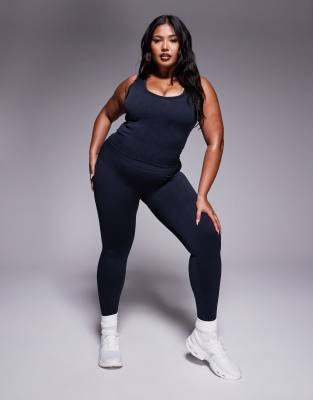
- Plus-size: Many brands now offer extended sizes with the same performance features.
Don’t settle for uncomfortable or unflattering clothes. There are more options than ever for every body type.
Gym Clothes For Special Needs
If you have sensitive skin, look for seamless designs and soft, hypoallergenic materials like bamboo. For people with mobility issues, adaptive gym clothing with easy-open closures, magnetic zippers, or extra stretch can make dressing easier. Some brands create lines specifically for these needs—don’t be afraid to seek them out.
When To Splurge And When To Save
Not every piece needs to be expensive. Here’s where to put your money:
- Splurge: Sports bras, shoes, and any item you’ll wear most often. Fit, support, and durability matter most here.
- Save: Basic tops, shorts, and accessories. These can be replaced more often.
Remember, expensive doesn’t always mean better. Try different brands and focus on how you feel during your workout.
Frequently Asked Questions
What Is The Best Fabric For Gym Clothes?
The best fabric depends on your workout. Polyester and nylon are top choices for sweat-wicking and durability. For yoga or low-intensity exercise, soft blends with spandex or bamboo work well. Always look for “moisture-wicking” on the label.
How Many Gym Outfits Do I Really Need?
Most people need three to five complete outfits if they wash clothes weekly. Focus on versatile pieces you can mix and match. Quality matters more than quantity.
Should I Wear Compression Clothing?
Compression gear can help with support and muscle recovery, especially for running or high-impact sports. For most people, it’s optional but can add comfort and performance benefits.
How Do I Know If My Gym Clothes Fit Properly?
Your gym clothes should let you move freely without riding up or slipping down. Test by squatting, stretching, or jogging in place. If you feel restricted or uncomfortable, try a different size or style.
Are Expensive Gym Clothes Worth It?
Sometimes yes, sometimes no. Pay more for sports bras, shoes, and high-use pieces. For basics, many affordable brands offer great quality. Focus on fit, comfort, and durability rather than price alone.
Choosing the right gym clothes is a smart investment in your health and motivation. With the right knowledge, you’ll find gear that keeps you comfortable, confident, and ready to tackle any workout.
