

How to Buy Gym Clothes: Expert Tips for the Perfect Fit
Buying gym clothes can feel simple at first. You just pick a T-shirt, shorts, and go. But if you want to perform better, feel comfortable, and stay safe during your workouts, the right gym wear matters much more than many people think.
Good gym clothes can help you avoid skin problems, stay cool or warm, and even boost your confidence. Whether you’re new to working out or have been exercising for years, making smart choices about gym clothing is a skill anyone can learn.
This guide will walk you through everything you need to know to buy gym clothes that actually work for you.
Why Gym Clothes Matter
Many people believe any old shirt or pair of shorts will do for the gym. But when you wear clothes designed for exercise, you notice the difference. Gym clothes are made to handle sweat, stretching, and movement. They keep you dry and comfortable, reduce irritation, and often make you feel more confident.
Wearing proper gym wear can also help prevent injuries. For example, shoes designed for running support your feet differently from those made for lifting weights. Some materials help your skin breathe and avoid rashes, while others protect you from the weather.
In short, gym clothes aren’t just about looking good—they play a real role in your health and performance.
Factors To Consider Before You Buy
Choosing gym clothes isn’t just about style or price. Several factors can make a big difference in your workout experience.
1. Type Of Exercise
Think about the main activity you’ll do. Running, yoga, weightlifting, cycling, and team sports all need different features. For example, running clothes are usually light and sweat-wicking, while yoga clothes focus on stretch and comfort. If you mix activities, look for versatile pieces.
2. Fabric And Material
The fabric can affect comfort, performance, and even your skin health. Cotton feels soft, but it holds sweat and becomes heavy. Synthetics like polyester and nylon are light, dry fast, and often stretch. Some blends add spandex for more movement. Always check if the clothes are labeled as moisture-wicking or breathable.
3. Fit And Comfort
The right fit is key. Clothes that are too tight can limit movement and cut into your skin. Too loose, and they may get in the way or catch on equipment. Try to move in the clothes before buying—raise your arms, squat, or stretch.
If you work out outside, think about layering for warmth or sun protection.
4. Durability
Quality gym clothes should last many workouts. Look for strong stitching, reinforced seams, and durable fabrics. Pay attention to details like zippers, drawstrings, and elastic bands. Sometimes, spending a bit more up front saves money in the long run.
5. Price And Value
You don’t need to buy the most expensive brands, but very cheap clothes may wear out fast or feel uncomfortable. Set a budget, but be open to investing a little more in items you’ll use most often, like shoes or sports bras.
6. Care And Maintenance
Some gym clothes need special washing or drying to keep their shape and performance. Check the labels. Clothes that are easy to wash and dry are often more practical, especially if you exercise often.
7. Style And Confidence
While function is most important, looking good can give you a mental boost. Choose colors and styles that make you feel confident. This doesn’t mean flashy logos—it’s about what suits you.
Main Types Of Gym Clothes
Understanding the basic types of gym clothes helps you build a wardrobe that covers all your needs.
Tops
- T-shirts: Look for lightweight, breathable, and sweat-wicking options. Avoid cotton for heavy workouts.
- Tank tops: Good for activities where you need more arm movement and cooling.
- Long-sleeve shirts: Useful for outdoor workouts, warm-ups, or when you want sun protection.
Bottoms
- Shorts: Ideal for running, cardio, and most gym exercises. Choose flexible, moisture-wicking materials.
- Leggings: Often preferred for yoga, pilates, and weightlifting. They provide compression and reduce chafing.
- Track pants/joggers: Good for warm-ups, cool-downs, or outdoor training.
Sports Bras
Women need proper support to avoid discomfort and injury. Choose based on impact—yoga needs less support than running.
Underwear
Seamless, sweat-wicking underwear helps prevent chafing and irritation.
Socks
Look for socks that cushion and wick sweat. Avoid cotton, which holds moisture and can cause blisters.
Shoes
The most important piece for many. Shoes should match your main activity—running shoes for running, flat shoes for lifting, etc.
Accessories
- Headbands or sweatbands: Keep sweat out of your eyes.
- Gloves: Useful for weightlifting to protect your hands.
- Compression sleeves: Can help with blood flow and reduce muscle fatigue.
How To Choose The Right Fit
Fit is more than just your usual clothing size. Gym clothes should allow full movement without sliding or pinching. Here’s how to get it right:
- Tops: Should be snug but not tight. When you move your arms, the shirt shouldn’t ride up.
- Bottoms: For leggings, check if the waistband stays in place during squats. Shorts shouldn’t bunch or restrict movement.
- Sports bras: Try jumping or running in place—if there’s too much movement, try a different size or style.
- Shoes: Leave about a thumb’s width between your longest toe and the front. The heel should stay in place when you walk.
If you’re between sizes, consider the fabric. Stretchy materials can fit a bit tighter, while non-stretchy ones need more room.
Comparing Gym Clothing Materials
Not all materials are equal. Here’s a helpful comparison:
| Material | Pros | Cons | Best For |
|---|---|---|---|
| Polyester | Durable, sweat-wicking, quick-drying | Can hold odor, less soft | General workouts, running |
| Nylon | Soft, stretchy, dries fast | Less durable over time | Yoga, pilates, stretching |
| Spandex/Lycra | Very stretchy, keeps shape | Not very breathable alone | Leggings, compression wear |
| Cotton | Soft, natural, affordable | Holds sweat, heavy when wet | Light exercise, casual wear |
| Wool | Warm, odor-resistant | Can be itchy, expensive | Outdoor winter workouts |
A non-obvious tip: Synthetic fabrics often last longer if you avoid using fabric softener, which can block the sweat-wicking ability.
How To Shop For Gym Clothes: Step-by-step
Navigating stores or online shops can be confusing. Here’s a clear process to make smart choices:
1. Define Your Needs
List your main activities. Do you run outside? Attend group classes? Lift weights? This helps you focus on what matters.
2. Set A Budget
Decide how much you’re willing to spend. Remember, shoes and sports bras are worth more investment.
3. Research Brands And Stores
Some brands are known for quality sportswear. Read reviews and check for sales, but don’t be fooled by big logos. Sometimes, lesser-known brands offer similar quality for less.
4. Check Size Guides
Each brand’s sizing can be different. Use their charts and, if possible, try items in-store. For online shopping, check return policies.
5. Test For Comfort And Movement
If you can, try on clothes and move around—do a squat, stretch, or jog in place. For online buys, look for free returns.
6. Look For Key Features
- Moisture-wicking
- Stretch
- Flat seams (prevent chafing)
- Pockets (for keys, cards)
- Reflective details (for night running)
7. Buy In Multiples
If you find something that fits well and feels great, consider buying more than one. Basic colors are easy to mix and match.
8. Care Instructions
Check how to wash and dry. Avoid clothes that need special care unless you’re willing to spend the time.
Mistakes To Avoid When Buying Gym Clothes
New buyers often make the same errors. Avoid these to save money and frustration:
- Buying Only by Looks: Don’t pick clothes based only on color or style. Function should come first.
- Ignoring Fabric Labels: Cheap cotton looks good but feels bad after a sweaty workout.
- Forgetting Support Needs: Skipping a good sports bra or proper shoes can lead to pain or injury.
- Choosing the Wrong Size: “Close enough” doesn’t work. Try before you buy, or check return options.
- Not Considering Weather: If you train outside, you’ll need layers, sun protection, or waterproof gear.
- Underestimating Sock Quality: Bad socks cause blisters. Good ones prevent them.
- Not Trying Movements: Clothes that feel good standing still may not work during exercise.
- Ignoring Odor Control: Some materials trap smells. Look for odor-resistant technology if you sweat a lot.
- Falling for Hype: Expensive doesn’t always mean better. Read real user reviews.
How To Build A Basic Gym Wardrobe
You don’t need a closet full of gear to get started. Here’s a sample wardrobe for most people:
| Item | How Many | Notes |
|---|---|---|
| Workout tops | 3-4 | Mix sleeveless and short sleeves |
| Workout bottoms | 2-3 | Combination of shorts and leggings |
| Sports bras | 2-3 | Rotate for washing |
| Workout socks | 4-5 pairs | Breathable, cushioned |
| Gym shoes | 1-2 pairs | Based on main activity |
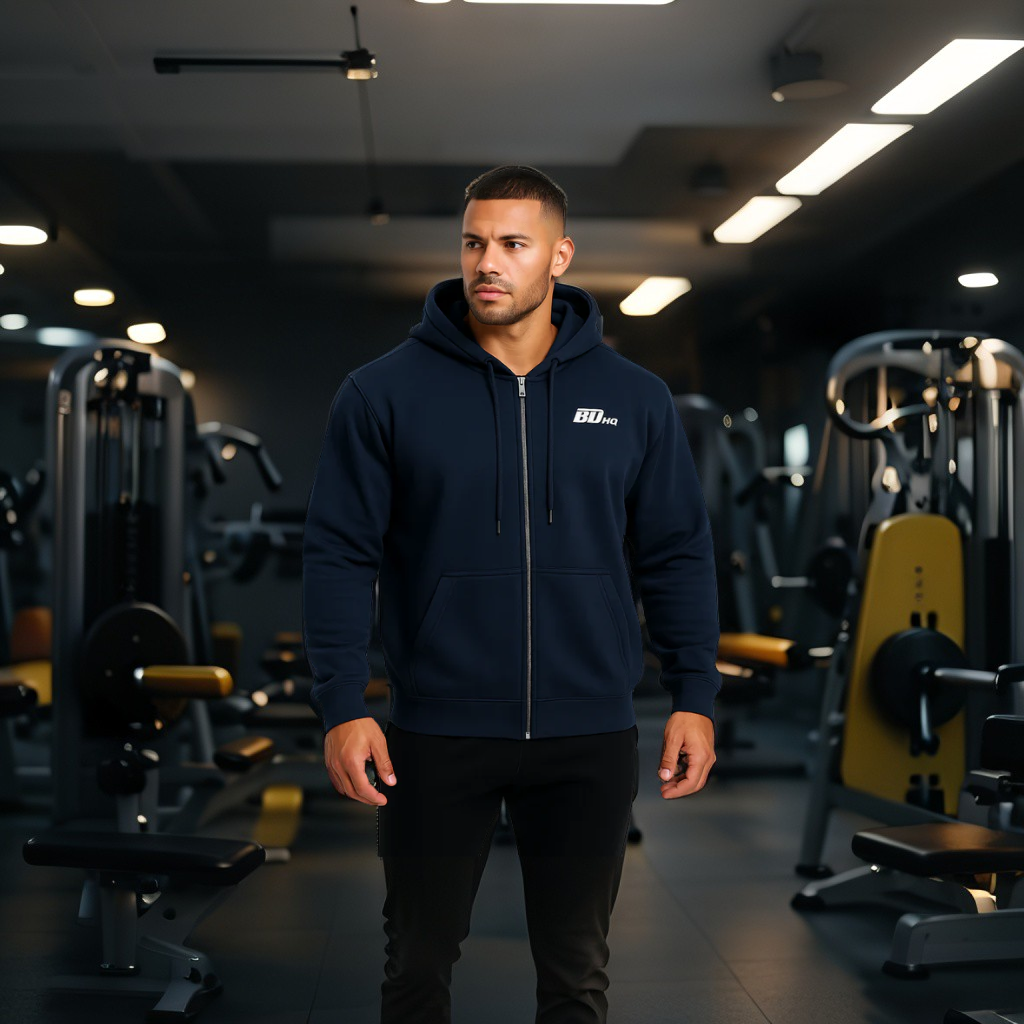
| Hoodie/jacket | 1 | For warm-ups/cool-downs |
| Accessories | Optional | Headbands, gloves, etc. |
This set allows for laundry every few days and covers most gym routines.
Credit: campgreenwood.org
Special Considerations For Different Body Types
One size does not fit all. Here are extra tips for different body shapes:
- Petite: Look for brands with shorter inseams. Cropped leggings or adjustable waists work well.
- Tall: Search for “tall” sizes or longer inseams. Full-length leggings may fit like capris otherwise.
- Curvy: High-rise leggings offer more coverage and stay in place better. Some brands offer plus sizes with more stretch.
- Broad shoulders: Raglan sleeves or stretchy fabrics give more room for movement.
- Sensitive skin: Choose seamless or flat-seamed clothes and avoid itchy tags.
Trying several brands helps you learn which ones suit your body best.
Caring For Your Gym Clothes
Good care keeps your clothes working longer. Here are some practical tips:
- Wash soon after use: Don’t let sweat stay long—it causes odors and fabric damage.
- Use cold water: Hot water can break down stretchy fibers.
- Avoid fabric softener: It blocks moisture-wicking technology.
- Air dry: High heat in dryers can shrink or damage elastic materials.
- Turn clothes inside out: This protects logos and helps remove sweat and oils.
A non-obvious insight: Adding a bit of white vinegar to the wash can help remove sweat smells without harming the fabric.
Shopping Online Vs. In-store
Both methods have pros and cons.
Online Shopping
- Pros: More variety, better deals, shop anytime.
- Cons: Hard to try on, returns may be slow.
- Tip: Check if the store offers free shipping and returns. Read real customer reviews, not just ratings.
In-store Shopping
- Pros: Try before you buy, instant feedback on fit and feel, staff help.
- Cons: Limited selection, often higher prices.
- Tip: Try on several sizes and styles. Move around in the changing room to check comfort.
Sustainability And Ethical Choices
More people now care about where and how their gym clothes are made. Sustainable gym wear uses recycled materials, less water, and fair labor. Look for brands with eco-friendly certifications or who share details about their factories. You might pay a bit more, but the impact is real.
A practical tip: Clothes made from recycled polyester or natural fibers like organic cotton are becoming easier to find.

Credit: www.reddit.com
When To Replace Your Gym Clothes
Even the best gym clothes wear out. Signs it’s time to buy new items include:
- Loose elastic: Waistbands or cuffs don’t stay up.
- Faded or see-through fabric: Especially in leggings or shorts.
- Odors that don’t wash out: Bacteria builds up over time.
- Soles wearing thin: For shoes, this increases injury risk.
- Seams coming undone: Time to replace.
On average, running shoes last for about 300–500 miles of use. Other clothes vary, but if they lose their shape or comfort, it’s time to upgrade.
Advanced Tips For Experienced Gym-goers
If you’ve been training for a while, you might want to try:
- Compression gear: Helps with muscle recovery and reduces soreness.
- Smart fabrics: Some clothes now track heart rate or adjust temperature.
- Specialized shoes: For example, weightlifting shoes have a raised heel for better squats.
Also, experiment with layering for outdoor workouts—start with a sweat-wicking base, add warmth, and finish with a windproof shell if needed.

Credit: www.woolyyarn.com
Shopping For Gym Clothes On A Budget
You don’t have to spend a fortune. Here’s how to save:
- Buy during sales or off-season.
- Use outlet stores or online discount shops.
- Mix high-quality basics with cheaper trendy items.
- Take care of your clothes so they last longer.
Some people also swap or sell gently used gear online.
Where To Find Reliable Information
If you’re unsure, read reviews from real users. Forums and fitness websites often compare brands and styles honestly. For technical details about fabrics, check sources like Wikipedia.
Frequently Asked Questions
How Do I Know If Gym Clothes Fit Properly?
Gym clothes should allow full movement without pinching or sagging. Try squatting, stretching, or jumping in place. If the waistband stays up, the shirt doesn’t ride, and nothing restricts movement, you’ve found a good fit.
What Is The Best Fabric For Gym Clothes?
Polyester and nylon blends are best for most workouts because they wick sweat and dry quickly. For low-sweat activities, cotton blends can work, but avoid 100% cotton for intense exercise.
How Often Should I Replace My Gym Shoes?
Replace gym shoes when the soles wear thin, the tread disappears, or you feel less support. For runners, shoes usually last 300–500 miles. For weightlifting or general use, check for comfort and stability.
Is It Necessary To Buy Expensive Gym Clothes?
Expensive doesn’t always mean better. Focus on fit, function, and comfort. Some affordable brands offer excellent quality. Invest more in items you use daily, like shoes or sports bras.
Can I Wear Regular Clothes To The Gym?
You can, but regular clothes often hold sweat, restrict movement, and may cause chafing. Gym clothes are designed to prevent these problems and support your performance.
Buying gym clothes is more than just a shopping trip—it’s an investment in your health, comfort, and confidence. The right choices help you move better, avoid injuries, and enjoy your workouts more. Take time to learn your preferences, read labels, and don’t be afraid to try new brands or styles.
With the tips above, you’re ready to build a gym wardrobe that works for you, no matter your goals or budget.
