

How to Business Casual: Master Effortless Office Style Today
How To Business Casual
Business casual is a dress code that sits between formal business wear and everyday casual clothes. It’s popular in offices, meetings, and professional events where you want to look polished but not overdressed. Many people feel confused about what “business casual” really means.
Does it allow jeans? Are sneakers okay? How do you mix style with professionalism? This guide answers all those questions and more. You’ll learn how to dress business casual for men and women, what items work best, common mistakes, and tips to look confident.
Whether you’re new to the workplace or want to refresh your wardrobe, this guide will help you master business casual with clarity and ease.
What Is Business Casual?
Business casual is a dress code used in many workplaces, especially in offices and professional environments. It combines elements of traditional business attire with more relaxed, comfortable pieces. The goal is to look professional but not stiff.
Unlike formal business wear—like suits, ties, and dress shoes—business casual allows more freedom. For example, you can wear chinos, polo shirts, and blouses instead of always choosing suits. However, it is not the same as casual wear like t-shirts, shorts, or flip-flops.
Key features of business casual:
- Professional appearance
- Comfortable fabrics
- No need for full suit and tie
- Avoids overly casual items (like ripped jeans or athletic wear)
Business casual can look different depending on the company, industry, or country. Some places are stricter, while others are more relaxed. Always check your workplace guidelines and observe what others wear.
Essential Elements Of Business Casual
Understanding which clothing pieces count as business casual is the first step. Here’s a breakdown for both men and women.
Business Casual For Men
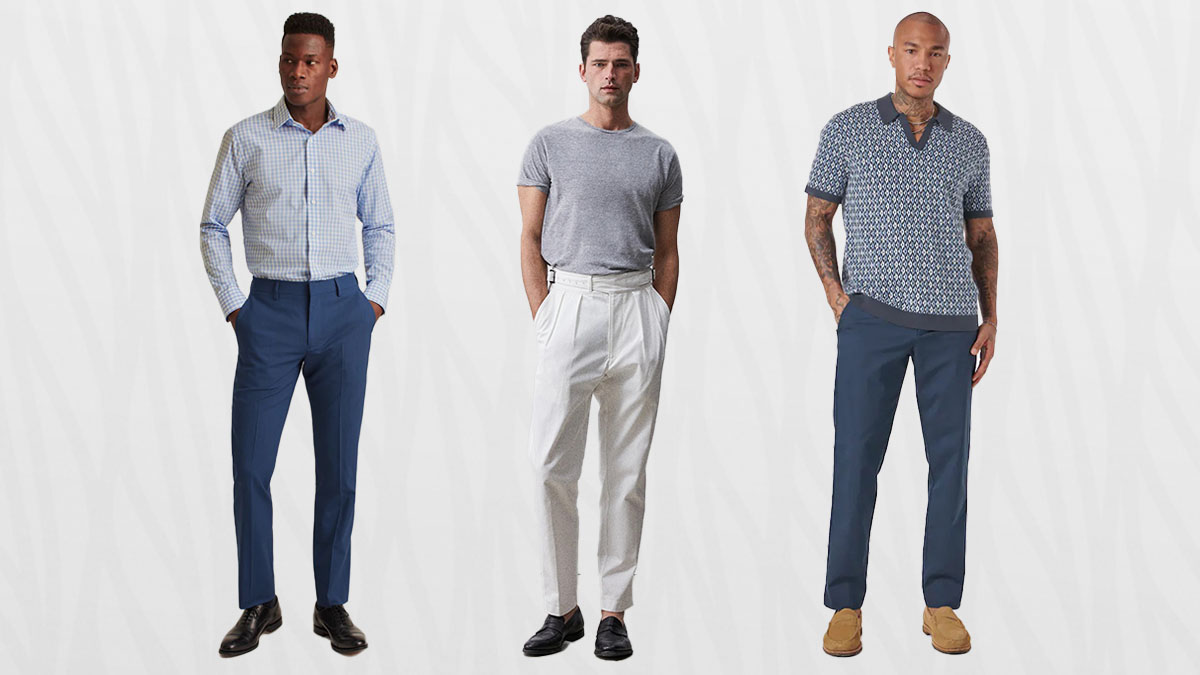
- Dress shirts: Long-sleeve or short-sleeve, solid colors or subtle patterns
- Polo shirts: Good for warmer days or casual offices
- Chinos or dress pants: Avoid jeans unless your company allows
- Blazers: Optional, but adds polish
- Sweaters: Plain or with minimal design, worn over a shirt
- Leather shoes or loafers: Avoid sneakers
- Belts: Match with shoes for a coordinated look
Business Casual For Women
- Blouses or tops: Solid colors, small prints, or simple patterns
- Dress pants or tailored trousers: Comfortable and professional
- Skirts: Knee-length or longer; avoid mini skirts
- Cardigans or blazers: Adds structure
- Dresses: Simple styles, not too short or revealing
- Closed-toe flats or low heels: Avoid sandals and athletic shoes
- Minimal accessories: Simple jewelry, structured handbags
Items To Avoid
- T-shirts
- Shorts
- Flip-flops
- Ripped jeans
- Athletic wear
- Bright neon colors
- Heavy logos or slogans
These items usually don’t fit business casual. If unsure, choose the more professional option.
Comparing Business Casual To Other Dress Codes
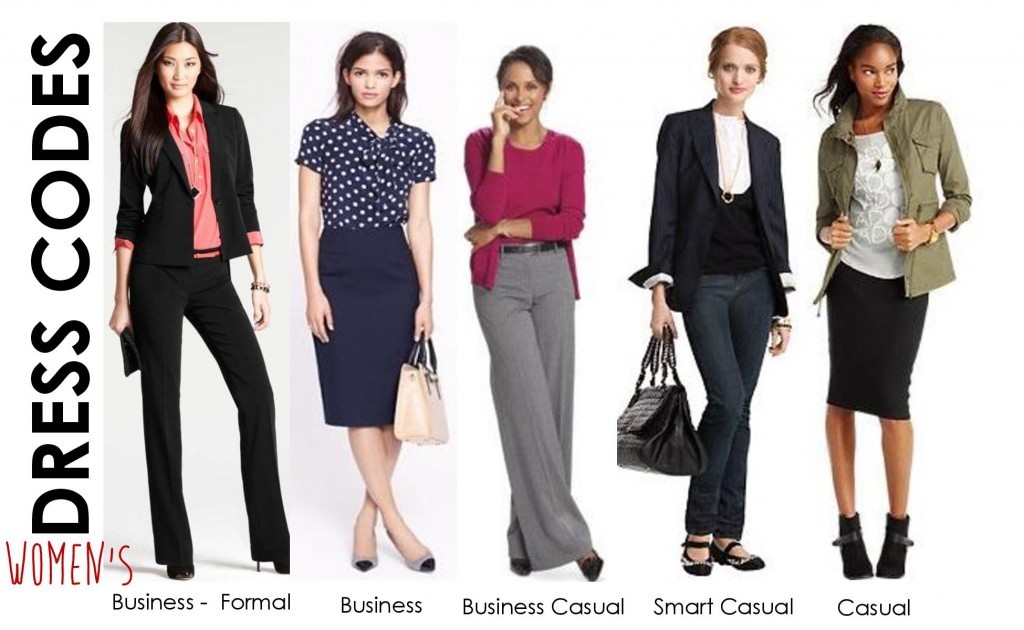
Understanding how business casual fits between other dress codes helps avoid mistakes. Here’s a clear comparison:
| Dress Code | Typical Clothing | Occasions |
|---|---|---|
| Formal Business | Suits, ties, dress shoes | Board meetings, interviews |
| Business Casual | Chinos, blouses, polos, loafers | Office, conferences, networking |
| Casual | Jeans, t-shirts, sneakers | Casual Fridays, after-hours |
Business casual bridges the gap between formal and casual. It’s less strict than formal business but more polished than everyday casual wear.
Why Business Casual Matters
Business casual is more than a dress code. It impacts how people see you at work. Dressing right makes you look professional, trustworthy, and ready for responsibility. Here’s why it matters:
- First impressions: People notice your clothes before anything else
- Confidence: Wearing the right outfit boosts self-esteem
- Team culture: Consistent dress codes help everyone feel part of the group
- Career growth: Good appearance often leads to better opportunities
A survey from the Society for Human Resource Management shows that 60% of companies use business casual as their main dress code. Companies value the balance of professionalism and comfort.
Building A Business Casual Wardrobe
Starting a business casual wardrobe doesn’t mean buying everything at once. Focus on quality basics you can mix and match.
Must-have Pieces For Men
- Two dress shirts: White and light blue are versatile.
- Two pairs of chinos: Navy and khaki work in most offices.
- One blazer: Dark gray or navy fits many looks.
- One pair of leather shoes: Brown or black.
- One sweater: V-neck or crewneck, neutral color.
Must-have Pieces For Women
- Two blouses: White and soft pastel.
- Two pairs of tailored trousers: Black and beige.
- One blazer or cardigan: Navy or black.
- One skirt: Knee-length, simple pattern.
- One pair of closed-toe flats: Neutral color.
Smart Shopping Tips
- Buy neutral colors for easy matching
- Choose quality fabrics for durability
- Look for classic styles that won’t go out of fashion
- Try clothes on before buying, especially for fit
You can build your wardrobe over time. Start with basics and add pieces as you need them.
How To Style Business Casual Outfits
Styling is about combining pieces to create a complete look. Here are practical examples.
Men’s Outfit Examples
Classic look: Navy chinos, white dress shirt, brown belt, brown loafers
Polished look: Gray blazer, light blue shirt, khaki pants, black shoes
Casual Friday: Polo shirt, dark chinos, leather shoes
Women’s Outfit Examples
Professional look: Black trousers, white blouse, navy blazer, black flats
Comfortable look: Beige pants, pastel top, cardigan, nude flats
Summer look: Knee-length skirt, simple blouse, closed-toe sandals
Non-obvious insight: Accessories can make or break your outfit. A watch, belt, or scarf adds interest without being flashy. Avoid large, distracting items.
Business Casual For Different Seasons
Your business casual choices change with the weather. Here’s how to adapt:
Spring
- Light fabrics like cotton and linen
- Pastel colors for shirts and blouses
- Layer with cardigans
Summer
- Short-sleeve shirts and lightweight trousers
- Avoid heavy materials like wool
- Closed-toe sandals (if allowed)
Fall
- Sweaters and long-sleeve shirts
- Earth tones like brown and olive
- Layer with blazers
Winter
- Wool pants and thick sweaters
- Darker colors
- Layering for warmth
Practical tip: Keep a spare sweater or blazer at work for unexpected weather changes.
Business Casual For Remote Work
Many people work from home but still need to dress business casual for video meetings. Here’s how to look professional online:
- Wear a collared shirt or blouse (even if you’re in shorts)
- Choose solid colors, as patterns can look distracting on camera
- Keep backgrounds tidy to match your appearance
- Avoid wearing pajamas or overly casual clothes, even if only your top is visible
Remote work doesn’t mean ignoring business casual. You still represent your company and yourself.
Business Casual For Interviews
Job interviews often request business casual. You want to look polished but not too formal.
Key tips:
- Choose neutral colors (like navy, white, gray)
- Avoid flashy accessories
- Make sure clothes fit well and are clean
- Polished shoes make a strong impression
- Arrive looking confident, not stressed
Non-obvious insight: Fit is more important than brand. Well-fitting clothes show you care about details.
Common Business Casual Mistakes
Many people make simple mistakes when trying to dress business casual. Avoid these to look your best:
- Wearing jeans when not allowed: Some offices accept dark, neat jeans; others don’t.
- Too many accessories: Keep it minimal.
- Ignoring fit: Baggy or tight clothes look unprofessional.
- Dirty or wrinkled clothes: Clean, pressed outfits matter.
- Wrong footwear: Avoid sneakers unless your office allows.
- Overly casual items: T-shirts, shorts, hoodies rarely fit business casual.
Pro tip: Always check your company’s dress code. If unsure, ask HR or observe what others wear.
Credit: gardner-webb.edu
Business Casual For Special Events
Sometimes, you need business casual for work parties, networking events, or after-hours gatherings. Here’s how to adjust:
- Choose one dressier item (like a blazer or stylish skirt)
- Add simple jewelry or a watch
- Keep shoes comfortable but professional
- Don’t overdress—avoid full suits or formal gowns
Example: For a networking event, men can wear chinos, a dress shirt, and a blazer; women can try a knee-length dress with flats and a cardigan.
How To Maintain Your Business Casual Wardrobe
Taking care of your clothes helps them last longer and look better.
Laundry And Care
- Follow label instructions for washing
- Hang shirts and pants to avoid wrinkles
- Use a steamer or iron for crisp lines
- Polish leather shoes regularly
Storage
- Use hangers for shirts, blouses, and pants
- Keep shoes in a cool, dry place
- Avoid stuffing clothes in drawers
Clothing Rotation
- Rotate your outfits to reduce wear and tear
- Air out blazers and sweaters between uses
Non-obvious insight: Investing in quality hangers protects your clothes from stretching.
Business Casual Around The World
Business casual is not the same everywhere. Different cultures and countries have unique expectations.
| Country | Men's Business Casual | Women's Business Casual |
|---|---|---|
| United States | Chinos, polos, blazers | Trousers, blouses, cardigans |
| United Kingdom | Dress shirts, wool trousers | Knee-length skirts, sweaters |
| Japan | Dark slacks, simple shirts | Pantsuits, minimal accessories |
| Germany | Button-down shirts, dark jeans (sometimes) | Blouses, tailored pants |
If you travel or work with international teams, research local business casual norms. This shows respect and helps you fit in.
Business Casual For Different Body Types
Everyone’s body is unique. The right fit can boost confidence and comfort.
For Men
- If you’re tall, look for longer shirts and pants
- If you’re shorter, avoid baggy clothes; choose slim cuts
- Athletic builds: Try tailored shirts and jackets
For Women
- Petite: Knee-length skirts and fitted jackets work well
- Curvy: Look for structured blouses and pants with stretch
- Tall: Try midi skirts and longer blazers
Pro tip: Alterations are often worth the cost. A small adjustment can turn an average outfit into a great one.

Credit: www.rd.com
Layering For Business Casual
Layering is practical and stylish. It helps you adjust to changing temperatures and looks more polished.
How To Layer
- Start with a base layer: Shirt or blouse
- Add a middle layer: Sweater or cardigan
- Finish with a top layer: Blazer or jacket
Mix colors and textures for interest. For example, a white shirt under a navy sweater and gray blazer.
Common mistake: Wearing bulky layers. Choose slim, light pieces for comfort.
Accessories For Business Casual
Accessories complete your look. Choose wisely.
Men
- Leather belt: Matches shoes
- Watch: Simple, classic style
- Tie: Optional; if you wear one, choose subtle colors
Women
- Simple jewelry: Stud earrings, small necklaces
- Handbag: Structured, neutral color
- Scarf: Adds color but avoid bright patterns
Non-obvious insight: Less is more. One accessory can make you stand out; too many distract.
Business Casual On A Budget
Looking polished doesn’t mean spending a lot. Here’s how to save:
- Shop during sales or at outlet stores
- Buy basics in neutral colors
- Invest in key pieces, like a blazer or good shoes
- Use online marketplaces for gently used clothes
You can find quality items without breaking the bank. Focus on fit and durability.
Adjusting Business Casual As You Advance
Your role in the company may change. As you move up, your wardrobe should reflect your new responsibilities.
- Add more structured pieces, like blazers or dress pants
- Choose higher-quality fabrics
- Update accessories for a more polished look
Pro tip: Observe leaders in your company. Their style often sets the standard.
Business Casual For Different Ages
Business casual works for all ages. Here’s how to adapt:
- Young professionals: Choose classic pieces, avoid trends that fade quickly
- Mid-career: Focus on quality and fit, add statement pieces
- Senior professionals: Use tailored styles, invest in durable fabrics
Age doesn’t limit style. Choose clothes that feel comfortable and suit your personality.
Sustainability In Business Casual
Sustainable fashion is growing. You can be stylish and eco-friendly.
- Buy from brands using ethical practices
- Choose natural fabrics like cotton or wool
- Avoid fast fashion; buy fewer, better items
- Recycle or donate clothes you no longer wear
For more on sustainable workplace fashion, check resources like Green America.
How To Handle Dress Code Changes
Workplaces sometimes shift dress codes. If business casual changes, here’s what to do:
- Ask HR for clear guidelines
- Observe leaders and adapt your style
- Gradually update your wardrobe, not all at once
Stay flexible. Adapting to new dress codes shows professionalism.
Business Casual For Plus Sizes
Finding business casual clothes in plus sizes can be challenging. Look for brands that specialize in inclusive sizing.
- Choose structured blouses and jackets for a polished look
- Pants with stretch offer comfort
- Avoid oversized clothes; fit matters
A well-fitting outfit makes a strong impression.
Credit: www.insidehook.com
Quick Business Casual Checklist
Use this checklist before leaving home:
- Are your clothes clean and pressed?
- Do they fit well?
- Are you wearing professional shoes?
- Are accessories simple?
- Do you look polished but comfortable?
A quick check avoids last-minute mistakes.
Business Casual For Hot And Cold Climates
If you work in extreme climates, adjust your wardrobe.
Hot Climates
- Light fabrics like linen and cotton
- Short-sleeve shirts (if allowed)
- Avoid heavy layers
Cold Climates
- Wool trousers and sweaters
- Layer with jackets and scarves
- Closed-toe shoes for warmth
Pro tip: Keep an extra layer at work for temperature changes.
Data On Business Casual Popularity
Business casual is now the most common office dress code. According to a survey by LinkedIn, 63% of professionals say their company uses business casual. This trend is driven by employee comfort and changing work styles.
| Dress Code | Percentage of Companies |
|---|---|
| Business Casual | 63% |
| Formal Business | 21% |
| Casual | 16% |
Business casual is likely to stay popular as offices focus on flexibility.
Frequently Asked Questions
What Is The Main Difference Between Business Casual And Formal Business?
Business casual allows more comfortable and relaxed clothing, like chinos, blouses, and loafers. Formal business requires suits, ties, and dress shoes.
Can I Wear Jeans For Business Casual?
It depends on your company. Some offices allow dark, neat jeans; others don’t. Always check your workplace dress code.
Are Sneakers Allowed In Business Casual?
Usually, sneakers are not considered business casual. Stick to leather shoes, loafers, or closed-toe flats unless your company says otherwise.
How Do I Know If My Outfit Is Business Casual?
Ask yourself: Is it professional? Is it comfortable? Does it avoid overly casual items like t-shirts or flip-flops? If yes, it’s likely business casual.
What Should I Do If I’m Unsure About Business Casual At My Workplace?
Observe what others wear, ask HR for guidelines, or start with more professional pieces and adjust as needed.
Dressing business casual helps you look professional, feel confident, and fit into your workplace culture. With these tips, you can create outfits that work for any office or event. Remember: business casual is about balance—looking polished, staying comfortable, and showing respect for your environment.
