

How to Bring Gym Clothes to Work: Smart Tips for Busy Professionals
Many people want to fit a workout into their busy day, but bringing gym clothes to work can feel tricky. Maybe you’re worried about smelling up the office, forgetting something important, or looking unprofessional. The good news? With the right approach, you can pack smart, stay organized, and make exercising before, during, or after work much easier.
This guide will help you bring gym clothes to work without stress or embarrassment. You’ll learn what to pack, how to store your items, ways to avoid common mistakes, and clever strategies even seasoned gym-goers often overlook. Whether you prefer morning workouts, lunchtime runs, or evening sessions, these tips will keep you prepared and confident—so you can focus on your fitness and your career.
Why Bringing Gym Clothes To Work Matters
Bringing your gym gear to work is about more than just convenience. It’s a commitment to your health and your routine. Having your clothes ready at the office makes it much less likely that you’ll skip a workout. You won’t have the excuse of going home first, and you’ll save time.
Regular exercise also boosts energy, focus, and mood—all important for doing your best at work. If you’re consistent, you’ll see benefits in both your physical health and job performance.
Choosing The Right Gym Clothes For Work
The first step is picking gym clothes that are practical, comfortable, and easy to carry. Not all workout gear works well for bringing to the office. Here’s what to consider:
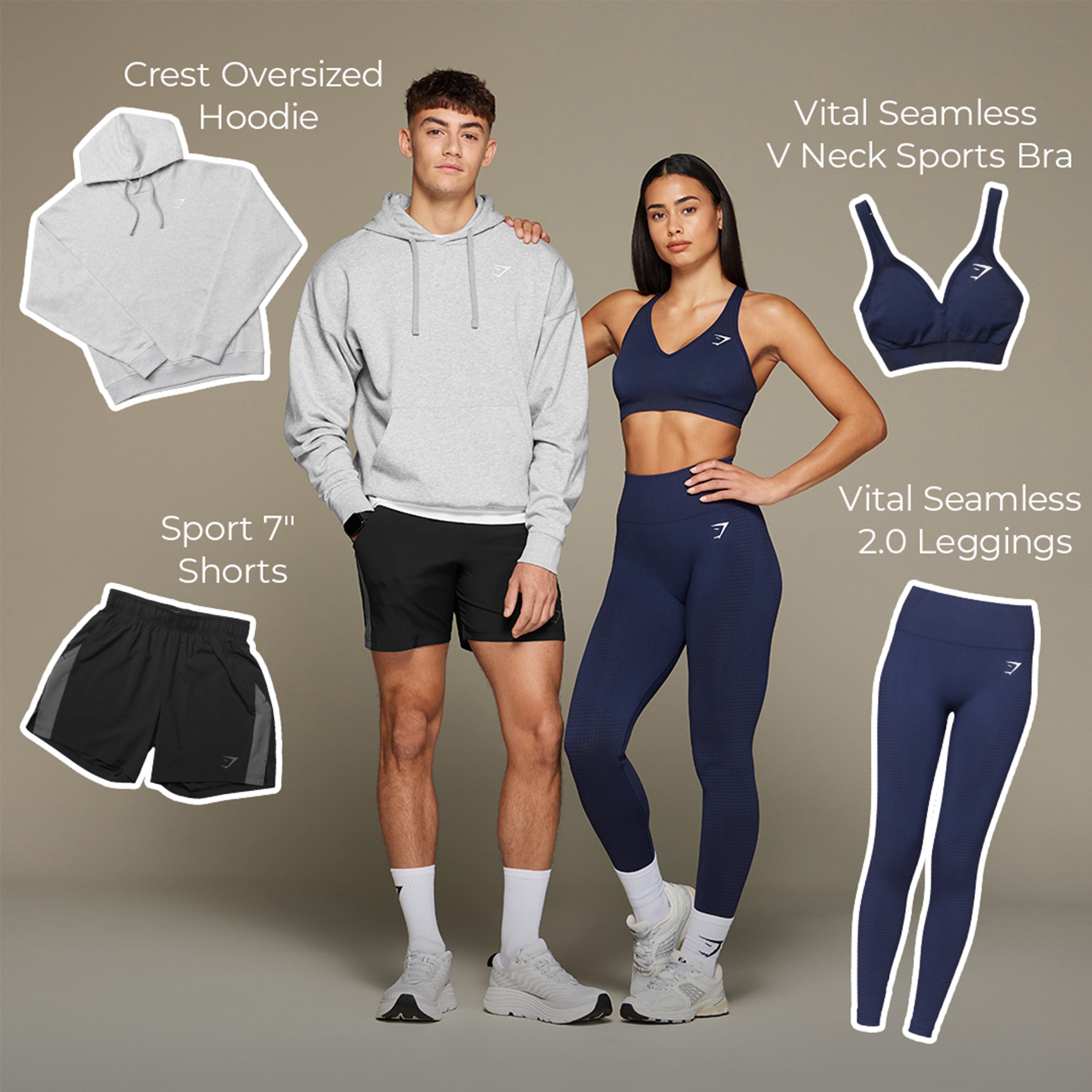
- Fabric: Choose clothes made from quick-drying, sweat-wicking material. This keeps you comfortable, prevents odor, and makes them easier to pack away after use.
- Fit: Go for a fit that’s snug but not too tight. Loose clothes can take up more space and may wrinkle or look messy.
- Colors: Dark colors hide sweat and stains better. They also look more professional if you need to walk through the office before changing.
- Layers: If you plan to exercise outside, bring layers like a lightweight jacket or leggings.
- Shoes: Pack a pair of lightweight trainers that are easy to slip on and off.
Example: Compact Packing
Let’s say you like to run at lunch. Choose a thin, moisture-wicking shirt, shorts, and foldable shoes. These fit easily into a small bag and dry quickly after use.
Packing The Perfect Gym Bag
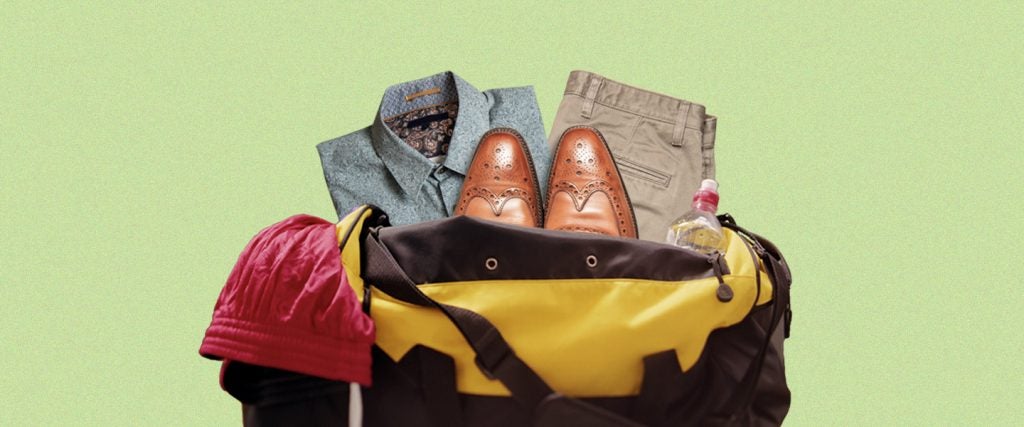
A well-packed gym bag makes everything easier. If you forget something, your workout may suffer. If you overpack, your bag will be heavy and messy. Here’s how to get it right:
Essentials Checklist
- Workout clothes (top, bottom, socks, sports bra/undergarments)
- Gym shoes
- Small towel
- Travel-size deodorant
- Body wipes or cleansing cloths
- Padlock (for gym locker)
- Reusable water bottle
- Plastic or waterproof bag (for dirty clothes)
- Earphones
- Hair ties or headband
You might also need:
- Shower sandals
- Toiletries (shampoo, soap, etc.)
- Makeup or grooming products
Smart Packing Techniques
- Roll, don’t fold: Rolling your clothes saves space and prevents wrinkles.
- Use packing cubes: Small zippered bags help you organize and separate clean/dirty items.
- Keep liquids sealed: Place deodorant, shampoo, or other liquids in a sealed pouch to avoid leaks.
- Designate a shoe compartment: If your bag doesn’t have one, use a cloth tote for your shoes.
Comparison: Gym Bag Types
Here’s how three common bags compare for the office:
| Bag Type | Pros | Cons |
|---|---|---|
| Backpack | Easy to carry, fits laptop and gym gear, organized pockets | May look casual in a formal office |
| Duffel | Spacious, often has separate shoe pocket | Bulky, harder to carry on public transport |
| Tote | Stylish, lightweight, fits under desk easily | Less structure, few compartments |
Pick what matches your commute, office culture, and the amount of gear you need.
Keeping Your Gym Clothes Fresh At Work
No one wants their desk or locker to smell like a gym bag. Keeping your workout clothes fresh and discreet is important for your own confidence and your coworkers’ comfort.
Preventing Odor
- Change quickly after your workout to avoid sweat soaking into clothes.
- Air out your gear as soon as possible—don’t leave damp clothes in a sealed bag all day.
- Use a deodorizing spray or a sachet of baking soda in your bag.
- Bring a plastic or waterproof pouch for sweaty clothes.
Washing Tips
- Wash gym clothes after every use to prevent bacteria and odor.
- Use sport-specific detergent for better results.
- Let shoes air out at home overnight.
Example: Discreet Storage
If you don’t have time to go home, store dirty clothes in a sealed pouch, then place it in your bag’s side pocket. This keeps odors contained and separates sweaty items from your other belongings.
Where To Store Gym Clothes At Work
Finding a place for your workout gear is key. You want it out of sight but easy to access.
Under Your Desk
Most bags fit under a desk or in a drawer. Keep a small silica gel packet in your bag to absorb moisture.
Office Locker Or Cabinet
If your workplace has lockers, use one to store your gym bag during the day. Bring a padlock for security.
Gym At Work
Some offices have a gym or changing room. You can leave your bag there, but don’t forget to take it home regularly to wash your clothes.
Shared Spaces
If you need to leave your bag in a shared area, keep valuables in your personal bag and only store clothes and shoes.
How To Change Into Gym Clothes At Work
Changing at work can be awkward, especially if you’re worried about privacy or time. Here’s how to do it smoothly:
Use The Right Space
- Restrooms: Most people change here. Choose a stall for privacy.
- Locker rooms: If your building has one, this is ideal.
- Private office: If you have your own office, close the door and use it as a changing room.
Quick-change Tips
- Wear easy-off shoes and clothes.
- Choose gym gear with simple fastenings.
- Lay out your workout clothes on top in your bag for fast access.
- If you’re shy, wear a base layer under your work clothes for faster changing.
Time-saving Example
If you only have 10 minutes to change, skip the shower until after your workout. Use body wipes and deodorant before and after.
Managing Clean And Dirty Clothes
A common mistake is mixing sweaty clothes with clean items, which can spread odor and bacteria. Here’s how to keep things sanitary:
Separation Strategies
- Always use a waterproof pouch for dirty clothes.
- Pack a small dry bag or plastic shopping bag just in case.
- Store clean clothes in a separate compartment or packing cube.
Washing Routine
- Empty your gym bag every night, even if you didn’t use everything.
- Let all gear air dry after use.
- Wash your bag once a week, or wipe it down with antibacterial wipes.
How To Avoid Forgetting Gym Clothes
Forgetting workout gear is a common problem, but you can avoid it with a few habits:
Preparation Habits
- Pack your bag the night before. Make it part of your bedtime routine.
- Keep a checklist in your gym bag or phone.
- Set a reminder on your phone to bring your bag in the morning.
- Have a backup set of gym clothes at work if possible.
Example: Digital Checklist
Use your phone’s notes app to create a checklist:
- Shirt
- Shorts/leggings
- Socks
- Shoes
- Towel
Check the list before leaving home.
Credit: www.gymshark.com
Dressing For Different Types Of Workouts
Not all exercise is the same. The gear you bring depends on your activity.
Cardio (running, Cycling)
- Bring clothes that breathe and wick away sweat.
- Choose lightweight, fast-drying socks and a sweatband.
Strength Training
- Wear snug, flexible clothing for easy movement.
- Bring lifting gloves if you use them.
Yoga Or Pilates
- Pack fitted, stretchable clothes.
- Bring a small towel for your mat.
Group Classes
- Choose clothes that are easy to layer and remove.
- Bring deodorant and a headband.
What To Wear After Working Out
If you’re going back to work, you’ll need to look professional. Here’s how to freshen up quickly:
Quick Clean-up Tips
- Use body wipes and deodorant.
- Change into a fresh shirt or blouse.
- If you have time, rinse your face and brush your teeth.
Hair Management
- Bring a comb or dry shampoo.
- For long hair, use a hair tie or clip to keep it neat.
Makeup Or Grooming
- Pack a small makeup kit or grooming essentials.
- Focus on essentials: Powder, lip balm, and a fresh scent.
Packing For Different Seasons
Seasons affect what you need to bring.
Warm Weather
- Lightweight, breathable clothes.
- Extra deodorant.
- Reusable water bottle.
Cold Weather
- Layered clothes: Jacket, leggings, gloves.
- Pack a hat or headband.
- Bring a plastic bag for muddy shoes.
Rainy Days
- Water-resistant bag or pouch.
- Extra socks.
- Quick-dry towel.
Managing Your Gym Clothes On Public Transport
Commuting with gym gear can be challenging. Here’s how to make it easier:
- Use a compact bag that fits on your lap or between your feet.
- Store shoes at the bottom to balance the weight.
- Avoid using bags that are too wide or have loose straps.
- If you’re worried about odor, use a double-sealed pouch for used clothes.
Keeping Your Routine Consistent
Bringing gym clothes to work only helps if you actually use them. Here’s how to stay consistent:
- Set a workout schedule and block time on your calendar.
- Find a workout buddy at work for accountability.
- Reward yourself for sticking to your routine.
Common Mistakes And How To Avoid Them
Even experienced gym-goers make mistakes. Here are some to watch out for:
- Forgetting essentials: Always double-check your bag before leaving.
- Leaving wet clothes in your bag: Always unpack and air out after use.
- Packing too much: Only bring what you need to save space and weight.
- Ignoring office culture: Some workplaces may not like gym bags in shared spaces. Check before storing your gear.
- Not cleaning your bag: A dirty bag breeds odor and bacteria.
Credit: melmagazine.com
Advanced Tips For Seasoned Gym-goers
If you’ve been bringing gym clothes to work for a while, here are some pro-level strategies:
- Invest in a second set of basics (shoes, towel, toiletries) to keep at the office.
- Use a collapsible laundry bag to make carrying dirty clothes home easier.
- Rotate your gym clothes: Bring in fresh sets each week and take used ones home on Fridays.
- Leave a spare phone charger in your gym bag so you don’t run out of power.
Table: Essential Gym Clothes Vs. Nice-to-have Extras
If you want to streamline your packing, focus on essentials first. Here’s a comparison:
| Essential Items | Nice-to-Have Extras |
|---|---|
| Workout top and bottom | Flip-flops for shower |
| Socks and underwear | Body wipes |
| Gym shoes | Extra deodorant |
| Small towel | Makeup or hair products |
| Reusable water bottle | Protein snack |
Table: Quick Reference For Packing By Workout Time
Some people prefer to exercise before work, some at lunch, and some after. Here’s a quick guide:
| Workout Time | Special Packing Tips |
|---|---|
| Before Work | Pack work clothes, makeup/grooming kit, and shower essentials |
| Lunchtime | Quick-dry gear, body wipes, deodorant, easy-off shoes |
| After Work | Store gym bag under desk, pack a snack, bring a waterproof pouch for used clothes |
How To Handle Special Situations
Sometimes, you’ll run into unique challenges—like after-work events or sudden meetings. Here’s what to do:
Last-minute Meetings
- Keep a spare shirt or blouse at the office.
- If you get sweaty, use body wipes and deodorant, and change quickly.
Social Events After Work
- Pack a smart-casual outfit you can change into.
- Use a wrinkle-free garment bag for nicer clothes.
No Time To Shower
- Focus on a “dry clean” routine: Wipes, deodorant, and a fresh layer of clothes.
- Use dry shampoo for your hair.
Credit: everestkitchennc.com
Environmental Tips For Gym-goers
It’s easy to create waste with plastic bags and single-use wipes. Here’s how to stay eco-friendly:
- Use reusable pouches for dirty clothes.
- Choose a fabric water bottle instead of plastic.
- Pick biodegradable wipes and eco-friendly toiletries.
What Most People Forget
Even experienced gym bag packers sometimes miss these non-obvious details:
- Earphones or charger: Without them, your workout may feel less enjoyable.
- Band-aids or blister pads: Especially useful for breaking in new shoes.
- Small snack: If your energy drops, a granola bar or fruit can help.
- Extra socks: Wet feet are uncomfortable and can cause blisters.
Real-world Example: A Week Of Packing
Imagine you work in an office and want to exercise three times a week. Here’s a sample routine:
- Sunday Night: Pack three sets of gym clothes and store in your work locker.
- Each workout day: Take one set, change at lunchtime, and store sweaty gear in a pouch.
- Friday: Bring all used clothes home to wash and restock for next week.
This method saves time and keeps you consistent.
Useful Resources
If you need more ideas for gym bags, packing lists, or fitness tips, check out Verywell Fit for expert advice.
Frequently Asked Questions
How Can I Keep My Gym Clothes From Smelling At Work?
Change out of sweaty clothes as soon as possible, store them in a sealed pouch, and use deodorizing sprays or baking soda in your bag. Always wash your gear after each use and let your bag air out overnight.
What’s The Best Type Of Bag To Bring Gym Clothes To Work?
Choose a bag that fits your commute and office. Backpacks are practical, duffels offer more space, and totes look more professional. Make sure the bag has separate compartments for shoes and dirty clothes.
How Do I Avoid Forgetting Something Important?
Pack your bag the night before and use a checklist. Keep a backup set of essentials at work if you can. Set a phone reminder to double-check your bag before leaving home.
What Should I Do If I Don’t Have Time To Shower After My Workout?
Use body wipes, deodorant, and dry shampoo. Change into fresh clothes and focus on your face and hair to look clean. You can shower at home later if needed.
Is It Okay To Leave My Gym Bag At The Office Overnight?
Yes, if you have a secure place like a locker. Just make sure to take dirty clothes home each day to avoid odor and bacteria. Don’t leave valuables or electronics in your bag.
Bringing gym clothes to work doesn’t need to be stressful or embarrassing. With smart packing, a little planning, and some pro tips, you can fit fitness into your busy routine and feel confident all day—at the gym and at your desk.
