

How Should Tank Tops Fit for Maximum Comfort and Style?
How Should Tank Tops Fit
Tank tops are a summer staple, gym essential, and fashion favorite for all genders. But while they look easy to wear, getting the right fit is trickier than many people think. A tank top that fits well can make you look confident, stylish, and comfortable.
A poor fit, on the other hand, can make you feel awkward or underdressed—even if the tank is expensive or trendy.
Many people buy tank tops online or grab one off the rack without much thought. But the way a tank top fits your body affects not only your look, but also your comfort and confidence. From chest to straps, length to armholes, every detail matters.
Let’s break down everything you need to know about how tank tops should fit and how to choose the right one for your body type and style.
Why Fit Matters For Tank Tops
A tank top is a simple piece of clothing, but its simplicity means that every part is visible. Unlike shirts or jackets, a tank top leaves your arms and shoulders exposed. This makes the fit even more important, because there’s nowhere to hide.
A well-fitted tank top highlights your shape, while a poor fit can make you look sloppy or uncomfortable.
Confidence is often linked to how your clothes fit. If a tank top feels too tight, you might worry about movement or sweat marks. If it’s too loose, you risk looking untidy. The right fit helps you move freely, look good, and enjoy any activity, from workouts to casual outings.
Key Areas Of Fit: What To Check
When trying on or buying a tank top, pay close attention to these main areas:
- Shoulders
- Chest
- Armholes
- Straps
- Waist
- Length
- Neckline
- Back
- Side Seams
Let’s look at each one and what the ideal fit should feel and look like.
Shoulders
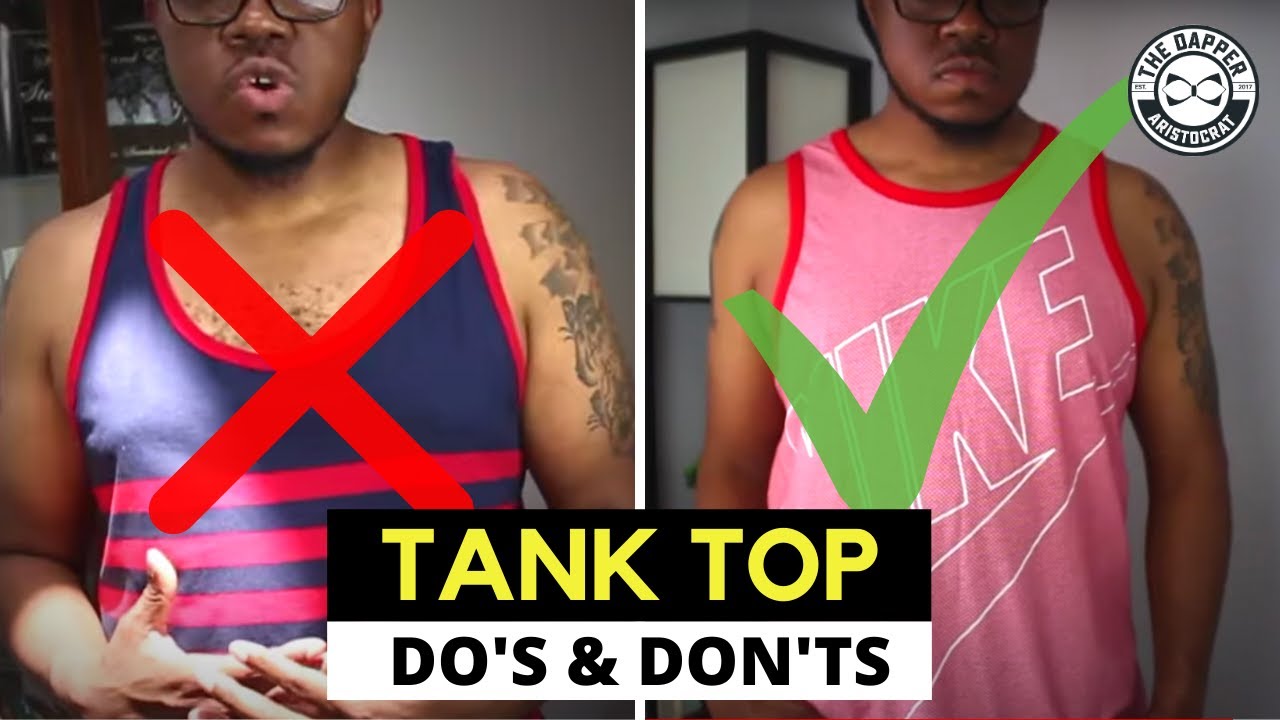
The shoulder area is where a tank top should “sit” naturally. The seam or edge should rest at the very top of your shoulder, not drooping off or pulling inward. If the tank is too wide here, your straps may slide down and look messy.
Too narrow, and the tank can dig in, creating an unflattering look and possible discomfort.
A well-fitted tank top will hug the shoulders without pressure, following the line of your body. For those with broader or narrower shoulders, look for tanks designed for your build.
Chest
The chest is often the most noticeable part of the fit, especially for men. The fabric should lie flat across your chest without stretching too much or hanging loosely. For women, the chest fit is even more important, as it affects support and comfort.
A tight fit across the chest can restrict movement and accentuate sweat. A loose fit can create awkward folds or gaps. If you see the fabric pulling or sagging, try a different size or cut.
Armholes
Armholes should be large enough to allow freedom of movement, but not so big that your chest or bra is exposed from the side. For men, large armholes can show too much side torso or nipples. For women, big armholes can reveal undergarments.
Look for armholes that sit comfortably under the arms, without pinching or gaping. If you raise your arms and the tank stays in place without pulling up too much, the armholes are likely correct.
Straps
Straps may seem simple, but they play a big role in comfort and style. Thin straps look more feminine or delicate, while thick straps offer more coverage and support. Regardless, the straps should stay on your shoulders without digging in or sliding off.
Adjustable straps are great for customization. For sports or activities, thicker straps can help distribute weight and prevent discomfort.
Waist
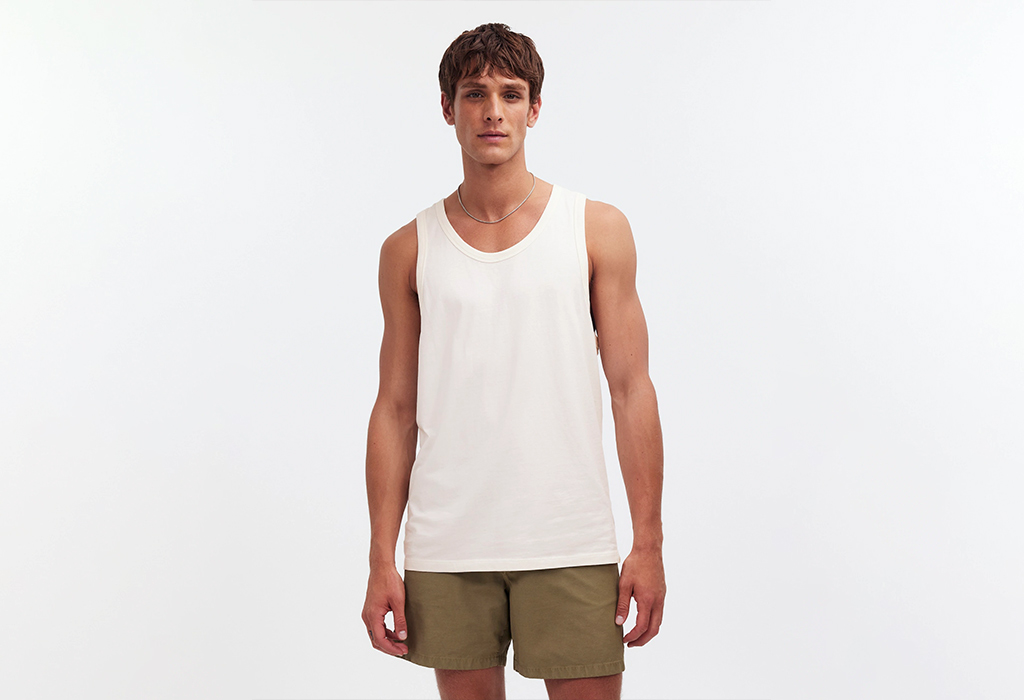
A tank top should skim your waist without clinging tightly or billowing out. The fit here depends on your style and comfort. Some people prefer a relaxed, loose fit, while others want a body-hugging look.
If you tuck your tank top into pants or shorts, a closer fit works better. If you wear it out, make sure it doesn’t balloon around your waist.
Length
The length of a tank top is often overlooked. Too short, and you risk exposing your stomach when you raise your arms. Too long, and it can look sloppy or bunch up at the hips.
The ideal length is usually just below the belt line, covering the waistband of your pants but not going too far past your hips. For gym wear, you might want a slightly longer tank for extra coverage during movement.
Neckline
Necklines vary from high crew necks to deep scoops or v-necks. The right fit depends on your preference and body shape.
- Crew necks offer more coverage and a classic look.
- Scoop necks show off more chest and are popular for hot weather or layering.
- V-necks can make the neck look longer and are flattering for many face shapes.
Make sure the neckline lies flat and doesn’t gape or choke.
Back
The back of the tank top should sit smoothly against your shoulder blades. Racerback styles are popular for sports and gym wear, as they allow for more movement. Traditional backs cover more and look casual.
If the back sags or rides up, the fit is off. A tank top should follow the curve of your back without being restrictive.
Side Seams
The side seams should run straight down from the armhole to the hem. If the seams twist or curve, the fit is not balanced. Check for bunching or tightness along the sides.
Common Tank Top Styles And Their Fits
Not all tank tops are created equal. Each style has a different fit and purpose. Here are the most common types and how they should fit:
Classic Or Basic Tank Top
This is the standard tank top, often used for layering or casual wear. It usually has medium-width straps and a straight cut.
- Fit: Should skim the body, not too tight or too loose.
- Best for: Everyday wear, layering under shirts.
Athletic Or Muscle Tank
Designed for workouts, this style has deeper armholes and sometimes a wider chest.
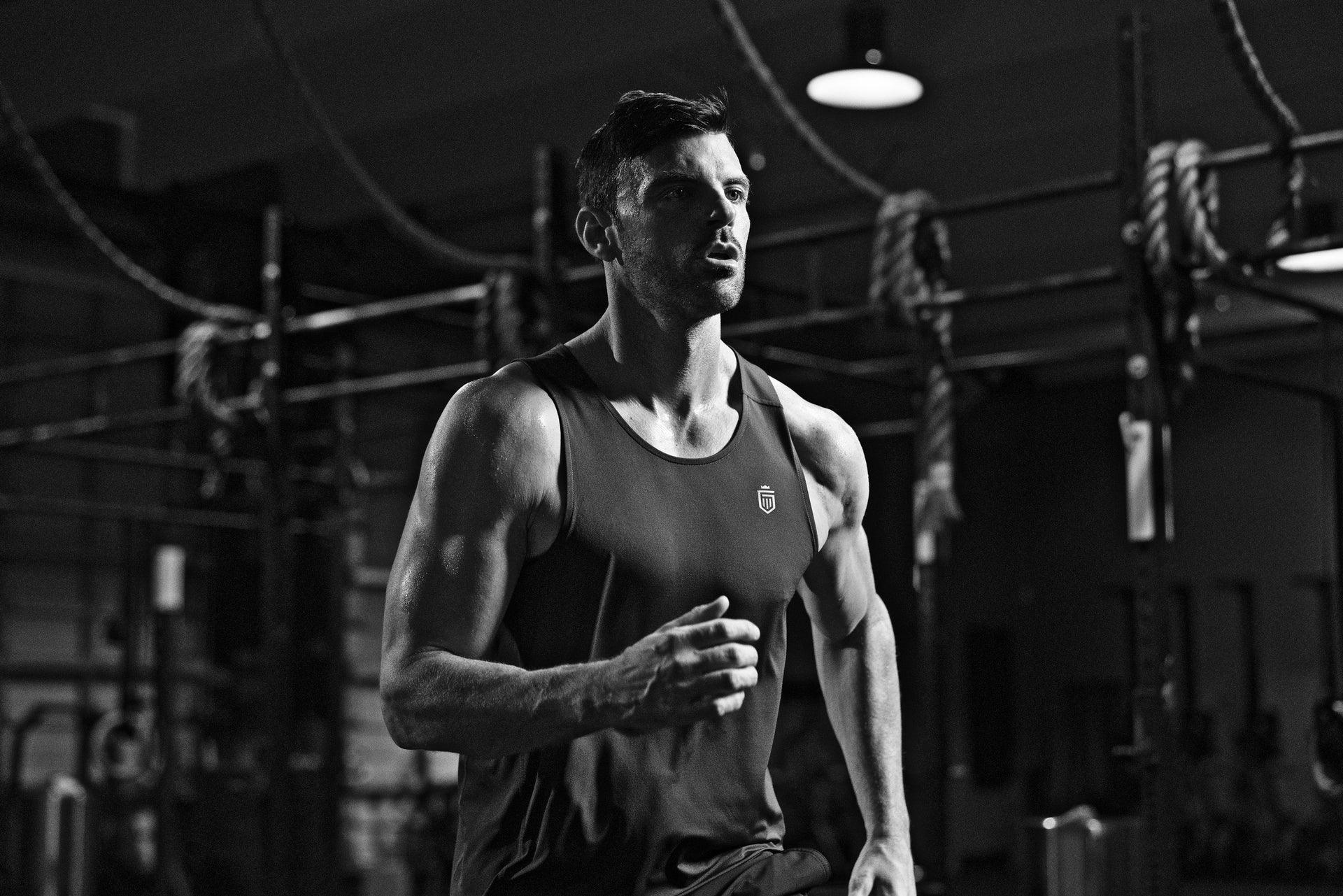
- Fit: Close to the body but allows for movement. Armholes are larger, but not so big that the chest is exposed.
- Best for: Gym, running, sports.
Racerback Tank
The straps meet in the middle of the back, forming a “racer” shape. This allows more freedom for the shoulders.
- Fit: Snug at the back, with armholes that don’t gap.
- Best for: Sports, yoga, layering.
Crop Tank
This is a shorter tank top, ending above the waist.
- Fit: Should not ride up too high, even when you move. The hem should sit flat against your body.
- Best for: Fashion, summer, high-waisted bottoms.
Fitted Or Compression Tank
Made from stretchy fabric, this style hugs the body closely.
- Fit: Very close to the body, but not uncomfortable or restrictive.
- Best for: Underwear, performance sports, base layers.
Relaxed Or Oversized Tank
Looser all over, sometimes with dropped armholes and a longer hem.
- Fit: Should look intentional, not just too big. Armholes and neckline should still sit comfortably.
- Best for: Casual wear, lounging, street style.
How To Choose The Right Size
Finding your size is not just about picking small, medium, or large. Sizes can vary between brands, countries, and styles. Here’s how to get it right:
- Measure Yourself: Use a tape measure around your chest, waist, and hips. Write down the numbers.
- Check Size Charts: Every brand has different measurements for each size. Compare your numbers to their chart.
- Try Different Styles: Some tank tops are designed for a closer fit, while others are loose. Try a few to see what feels best.
- Read Reviews: Many online shoppers share if a tank runs large, small, or true to size.
- Understand Stretch: Cotton tanks stretch less than those with spandex or elastane.
Below is a comparison of typical size measurements for men’s and women’s tank tops from popular brands:
| Size | Men's Chest (inches) | Women's Bust (inches) | Waist (inches) |
|---|---|---|---|
| XS | 32-34 | 30-32 | 24-26 |
| S | 35-37 | 33-35 | 27-29 |
| M | 38-40 | 36-38 | 30-32 |
| L | 41-43 | 39-41 | 33-35 |
| XL | 44-46 | 42-44 | 36-38 |
Remember, these numbers are averages. Always check the specific brand’s chart and consider your body shape.
Credit: www.youtube.com
Tank Top Fit For Different Body Types
Everyone’s body is unique, and the best tank top for you may not look the same as it does on someone else. Here’s how to find a fit that flatters your shape:
For Athletic Or Muscular Builds
- Choose tanks that follow your natural lines without being too tight.
- Avoid oversized tanks, which can make you look boxy.
- Muscle tanks and racerbacks usually fit best.
For Slim Builds
- Look for fitted or classic tanks that add shape.
- Avoid loose, oversized tanks which may look baggy.
- Horizontal patterns or details can add the illusion of width.
For Curvy Or Plus Sizes
- Choose tanks with wider straps for support.
- A-line or relaxed cuts can be flattering.
- Avoid tanks that cling too tightly to the midsection.
For Petite Builds
- Crop tanks or shorter lengths prevent overwhelming your frame.
- Straps should not be too wide.
- Avoid tanks with too much fabric or long hemlines.
For Tall Builds
- Longer tanks prevent accidental exposure.
- Consider brands that offer “tall” sizes.
- Avoid crop tanks unless you want a shorter look.
Fabric And Fit: Why Material Matters
The fabric of a tank top affects how it fits, feels, and looks. Some materials drape naturally, while others cling or hold their shape. The most common fabrics are:
- Cotton: Breathable and soft, but can shrink in the wash. Offers a classic fit.
- Polyester: Lightweight, dries quickly, often used in sports tanks.
- Spandex/Elastane: Adds stretch, making tanks fit closer to the body.
- Blends: Many tanks use a mix for the best properties of each fiber.
A cotton tank may feel relaxed and casual, while a spandex blend tank hugs your body for sports. If you want a fitted look, choose fabric with some stretch. For a relaxed fit, pure cotton works well.
Credit: www.realmenrealstyle.com
How To Test The Fit: At Home Or In-store
Trying on a tank top can be quick, but a few simple tests help you know if it fits well:
- Raise Your Arms: The hem should not ride up too much.
- Move Your Shoulders: Straps should stay in place.
- Check the Armholes: No pinching, no gaping.
- Look in the Mirror: The tank should follow your shape without pulling or bunching.
- Sit Down: The tank should not pull uncomfortably at the chest or waist.
If buying online, check the return policy in case the fit isn’t right.
Style Tips: How To Wear Tank Tops Well
Wearing a tank top well is about more than just fit. Here are some key style tips:
- Layering: Tanks work well under shirts, jackets, or open button-downs.
- Accessorize: Add necklaces, hats, or sunglasses for a complete look.
- Choose the Right Undergarments: For women, a racerback or strapless bra can prevent visible straps. For men, make sure nothing bulky shows underneath.
- Pair with the Right Bottoms: Tanks look great with shorts, jeans, or joggers. For a cleaner look, tuck in the tank or do a half-tuck.
- Color Choices: Neutral colors are versatile. Bright colors or patterns add personality.
Common Fit Problems And How To Fix Them
Even experienced shoppers can run into fit issues. Here are some of the most common problems, with solutions:
Straps Slide Off Shoulders
- Try a tank with adjustable straps or a racerback cut.
- Make sure the tank is not too wide at the shoulders.
Armholes Too Large
- Size down, or choose a style with smaller armholes.
- Layer with a sports bra or bralette if needed.
Tank Feels Too Tight
- Check for fabric content—switch to a tank with more stretch.
- Try a larger size or a relaxed-fit style.
Tank Rides Up
- Choose a longer length or a size up.
- Check if the waist is too tight; a looser fit may help.
See-through Fabric
- Choose thicker fabrics or double-layered tanks.
- Wear a nude or matching undergarment.
Tank Top Fit For Specific Activities
The right fit depends on what you’re doing. Here’s how to choose for different activities:
| Activity | Best Fit | Recommended Features |
|---|---|---|
| Gym/Sports | Snug, not restrictive | Moisture-wicking, racerback, stretch fabric |
| Casual Wear | Relaxed or classic | Cotton, simple design, comfortable length |
| Beach/Pool | Loose or oversized | Quick-dry, bright colors, longer hem |
| Layering | Fitted | Thin, soft fabric, neutral color |
How Tank Tops Should Fit: Men Vs. Women
While many fit principles are the same, there are a few differences between men’s and women’s tank tops.
Men’s Tank Tops
- Usually have wider straps and higher armholes.
- Fit should show off the shoulders and chest without being tight.
- Longer lengths are common, especially for athletic wear.
Women’s Tank Tops
- More variety in neckline and strap width.
- Fit should support the chest and flatter the waist.
- Cropped and fitted styles are more common.
Below is a side-by-side comparison:
| Feature | Men's Tank Top | Women's Tank Top |
|---|---|---|
| Strap Width | Medium to wide | Thin to wide |
| Neckline | High or scoop | Scoop, v-neck, or high |
| Fit | Straight or athletic | Fitted, relaxed, or cropped |
| Length | Hip or longer | Hip, cropped, or longer |
Non-obvious Insights For Better Tank Top Fit
- Shoulder Slope Matters: The angle of your shoulders affects how straps sit. People with sloped shoulders may need tanks with wider straps or racerback styles to prevent slipping.
- Armhole Height and Movement: A tank may feel fine when standing still, but armholes that are too high can cause rubbing or chafing during active use. Always test movement, not just the look.
- Fabric Weight Affects Drape: Heavier fabric hangs straighter and can hide body lines, while lighter fabric shows every curve or bump. Choose based on your comfort.
- Underarm Seams: Some tanks have seams or stitching under the arm. If you have sensitive skin, look for seamless or flat-stitched tanks to prevent irritation.
- Color and Transparency: Light colors in thin fabric can be see-through. Always check in natural light before wearing outside.
Caring For Your Tank Tops To Maintain Fit
Even the best-fitting tank top can lose its shape if not cared for properly. Here’s how to keep them looking good:
- Wash in Cold Water: Hot water can shrink cotton tanks.
- Avoid Over-Drying: High heat in the dryer can damage elastic and shrink fabric.
- Fold, Don’t Hang: Hanging tanks can stretch out the straps over time.
- Iron on Low Heat: If needed, use a cool iron to avoid burning fabric.
Regular care will keep your tank tops fitting like new.
When To Replace Your Tank Top
No tank top lasts forever. Here are signs it’s time for a new one:
- Fabric has stretched out or lost shape.
- Straps won’t stay up.
- Armholes have become too large.
- Color has faded or fabric is see-through.
- Seams are coming apart.
Most tanks last through many washes with good care, but pay attention to these signs to keep your style sharp.
Credit: greatnesswins.com
Frequently Asked Questions
What Is The Ideal Fit For A Tank Top?
The ideal fit is when the tank top follows your body’s natural lines without being too tight or too loose. The shoulder seams should rest on top of your shoulders, the chest and waist should be comfortable, and the armholes should not expose too much or pinch your skin.
How Do I Know If My Tank Top Is Too Tight?
A tank top is too tight if you see the fabric stretching, if the armholes cut into your skin, or if you feel restricted in your movements. You should be able to move your arms and shoulders freely without discomfort.
Can I Wear A Tank Top If I Have A Larger Or Smaller Build?
Absolutely. The key is to choose the right style and size for your body type. For larger builds, look for tanks with wider straps and relaxed fits. For smaller builds, fitted tanks or styles with horizontal details can add shape.
Confidence is more important than body size.
Are There Specific Tank Tops For Sports Or Gym Activities?
Yes, athletic tanks are made from moisture-wicking, stretchy fabrics and often have racerback styles for better movement. Choose a snug fit that still allows you to move freely. For more tips, check expert advice from Shape.
How Can I Prevent Straps From Slipping Off My Shoulders?
Try tanks with racerback designs or adjustable straps. Make sure the tank is the correct size and that the shoulder width matches your body. If you have sloped shoulders, these features are especially helpful.
Tank tops are simple, but the right fit makes all the difference. Taking time to choose a well-fitted tank top will help you look and feel your best, whether you’re working out, relaxing, or dressing up for a sunny day.
With these tips, you’ll always know exactly how your tank top should fit.
