

How Should Gym Shorts Fit for Maximum Comfort and Performance
How Should Gym Shorts Fit
Choosing the right gym shorts is not just about style—it's about comfort, movement, and making your workout more effective. If your gym shorts don’t fit well, you might feel distracted, uncomfortable, or even risk injury. Many people buy gym shorts without knowing what makes a good fit.
Sometimes, even expensive brands can feel wrong if you don't understand your own needs.
This article will guide you step by step on how gym shorts should fit, why it matters for your body and activity, and how to find the best pair for you. We’ll look at different materials, lengths, waistbands, and special features.
You’ll also learn how to avoid common mistakes and read a gym short’s fit like a pro. Whether you’re new to fitness or a regular at the gym, you’ll find useful tips that go beyond the basics.
Why Fit Matters For Gym Shorts
When gym shorts fit properly, you move better and feel more confident. The right fit prevents chafing, keeps you cool, and supports your workout goals. Poorly fitting shorts can cause a number of problems:
- Restricted movement: Tight shorts limit how far you can stretch or squat.
- Chafing or irritation: Loose or rough seams can rub against your skin.
- Distraction: Shorts that ride up or fall down make it hard to focus.
- Injury risk: Bad fit may throw off your balance or posture.
A well-fitted pair of gym shorts should support your body without squeezing or sagging. This helps you get the most out of every workout, from running to weightlifting.
Key Factors That Decide Gym Short Fit
Let’s break down what really affects how gym shorts fit, so you can make smart choices.
Waistband Design
The waistband should hold the shorts in place without digging into your skin. There are three main types:
- Elastic waistband: Most common; stretches to fit your waist. Best for comfort and adjustability.
- Drawstring: Lets you tighten or loosen the fit. Great for people between sizes.
- Elastic + drawstring: Combines both for extra security.
If your shorts slide down during movement, the waistband is likely too loose. If you feel pinching or marks on your skin, it’s too tight.
Length: How Long Should Gym Shorts Be?
Length changes how your gym shorts look and feel. Here’s what different lengths offer:
| Length Type | Inseam (approx.) | Best For |
|---|---|---|
| Short | 3-5 inches | Running, sprints, HIIT |
| Medium | 6-7 inches | General workouts, weightlifting |
| Long | 8-10+ inches | Basketball, casual wear |
Shorter shorts mean more freedom and ventilation. Longer shorts offer more coverage and protection. Medium is a safe choice for most gym workouts.
Leg Opening And Taper
The leg opening—how wide the shorts are at the bottom—changes fit and movement. Tapered shorts follow your thigh shape; wide openings give extra space. If you have muscular thighs, avoid very tapered shorts. If you want a modern look, a slight taper works well.
Material And Fabric Stretch
The fabric makes a huge difference. Most gym shorts use:
- Polyester: Lightweight, dries fast, holds shape.
- Spandex/elastane: Adds stretch. Look for at least 5% for flexibility.
- Cotton blends: Soft but can hold sweat.
Choose moisture-wicking materials for intense workouts. For yoga or stretching, prioritize high stretch (spandex). For outdoor runs, quick-dry is a must.
Liner Or No Liner?
Many gym shorts come with a built-in liner. This acts as underwear and keeps you comfortable. Liners should fit close but not tight. If they ride up or chafe, try linerless shorts and wear your own workout underwear.
Rise: Where The Shorts Sit
The rise is the distance from the crotch to the waistband. A medium rise is best for most people. High-rise shorts are rare in men’s gym shorts but common in women’s. Low-rise can slip during exercise.
How To Find Your Best Gym Short Fit
Everyone’s body is different, so the best fit for you may not match your friend’s. Here’s how to test gym shorts before you commit.
1. Measure Your Waist And Hips
Use a tape measure to get your true waist (above your hip bones) and hips (widest part). Check the brand’s size chart—sizes change between companies.
2. Try The Squat Test
Put on the shorts and do a deep squat. If you feel pulling at the thighs or seat, they’re too tight. If you have to pull them up after, they’re too loose.
3. Move In Every Direction
Lift your knees, touch your toes, jump, and twist. There should be no pinching or riding up. The fabric should move with you, not against you.
4. Check For Gaps And Bunching
Look for gaps around the waist or bunching at the crotch. Good gym shorts stay close to your body but don’t squeeze.
5. Walk And Jog Test
Walk quickly and jog in place for a minute. If the shorts twist, slide, or bounce, try a different style or size.
Gym Shorts Fit For Different Activities
Some exercises need more room, others need more support. Here’s how fit changes by activity:
Running
Running shorts should be lightweight and not restrict stride. Choose shorter inseams (3-5 inches) and a loose fit through the thigh. A snug waistband keeps them in place. Built-in liners help prevent chafing.
Weightlifting
For lifting, shorts should stay in place when you squat or deadlift. Medium inseam (6-7 inches) is ideal—long enough for coverage, short enough for movement. Look for a little stretch in the fabric.
Cycling
Cycling shorts are a special case. They should fit close to the skin, almost like a second layer. Look for padded options if you do long rides. Regular gym shorts can catch on the seat, so tighter is better here.
Basketball
Basketball shorts are usually longer (9-11 inches) and looser. This protects your legs from floor burns and gives freedom for jumping.
Yoga And Stretching
Yoga shorts need maximum stretch. Slim but not tight, with a wide waistband to avoid rolling. Some people prefer compression shorts under looser gym shorts for extra coverage.
Crossfit And Hiit
For high-intensity workouts, choose shorts with a secure waistband and a bit of stretch. Short to medium length works best for fast movements.

Credit: www.youtube.com
Men’s Vs Women’s Gym Shorts: Fit Differences
Men’s and women’s gym shorts have different shapes and needs.
Men’s Gym Shorts
- More straight cut
- Longer inseams on average
- Roomier crotch area
- Often no padding or minimal liner
Women’s Gym Shorts
- More shaped at hips and thighs
- Shorter inseams are common
- Wider waistband to prevent rolling
- Built-in liner or compression shorts more common
Try on different styles even if they are marketed for a different gender. Sometimes a unisex or “men’s” short fits women with straight hips better, and vice versa.
Common Fit Problems And How To Fix Them
Sometimes, even after picking the right size, shorts just don’t feel right. Here are some common issues:
Shorts Ride Up
This happens when the inseam is too short or the leg opening is too tight for your thighs. Try a longer inseam or more relaxed fit. Moisture-wicking underwear can help reduce friction.
Waistband Rolls Down
Often caused by a narrow waistband or too tight a fit. Look for a wider waistband or one with a drawstring.
Too Baggy In The Seat
If there’s extra fabric at the back, it can look sloppy and feel uncomfortable. Try sizing down, or pick a style with a more tapered seat.
Crotch Bunching
Usually means the rise is too high, or the shorts are too big. Try a lower rise or a smaller size.
Shorts Fall Down
If your shorts slide down, the waistband is too loose or has lost elasticity. Choose a pair with both elastic and a drawstring for best results.
What To Look For When Shopping For Gym Shorts
Buying gym shorts isn’t just about color or brand. Here’s a checklist to help you find the perfect fit:
- Waistband: Wide, elastic, and adjustable is best.
- Inseam length: Match to your activity and comfort.
- Leg opening: Not too tight or loose.
- Fabric: Breathable, moisture-wicking, and stretchy.
- Liner: Personal preference; try both with and without.
- Rise: Medium rise suits most people.
- Pockets: Zippered pockets help keep items secure but can add bulk.
- Seams: Flat seams reduce irritation and chafing.
- Brand size chart: Always check, as sizing varies.
Gym Shorts And Body Types
The perfect fit can depend on your unique body shape. Here’s how to adjust for different builds:
Muscular Thighs
Look for shorts with a wider leg opening and some stretch. Avoid skinny or very tapered styles.
Slim Build
Medium to short inseam with a slimmer cut looks modern and won’t look baggy. Avoid overly long or wide shorts.
Plus Size
Choose shorts with a generous waistband and high-stretch fabric. Look for brands that offer extended sizing.
Tall
Longer inseams (8+ inches) will offer coverage without looking too short. Try on different brands, as inseam lengths can vary.
Petite
Shorter inseams (3-5 inches) help your legs look longer and prevent bunching at the knees.
Style Vs. Function: Balancing Looks And Fit
It’s easy to be tempted by trendy designs, but remember that function always comes first in the gym. However, you don’t have to sacrifice style:
- Pick neutral colors (black, navy, grey) for versatility.
- Bold patterns or colors are great for motivation if you like to stand out.
- Minimal branding and clean lines look modern and work in most gyms.
Try different styles to see what suits your body and personality.
How To Care For Gym Shorts So They Stay Fitting Well
Even the best gym shorts lose their fit if you don’t care for them. Here are some proven tips:
- Wash in cold water: Hot water can damage elastic and shrink fabric.
- Avoid fabric softener: It can block moisture-wicking properties.
- Hang dry: Heat from dryers can ruin stretch and cause shrinking.
- Separate from rough fabrics: Wash with other workout clothes, not jeans or towels.
- Check care label: Always follow brand instructions.
A well-cared pair lasts longer and keeps its shape.
Mistakes Beginners Make When Choosing Gym Shorts
Most first-time buyers make simple mistakes. Here are some to watch for:
- Choosing by price only: Cheap shorts often lose shape fast.
- Ignoring fabric quality: Cotton may feel soft but gets heavy with sweat.
- Buying the wrong size: Always check the size chart and try on.
- Forgetting about pockets: Too many or poorly placed pockets can bounce during runs.
- Not considering liners: Try both types—liner or linerless—to see what feels best.
- Overlooking seam placement: Bad seams can cause skin irritation.
- Buying trendy but impractical styles: Focus on comfort and movement first.
Comparing Gym Shorts: Popular Brands And Their Fits
Here’s a quick look at how different brands approach fit:
| Brand | Fit Style | Main Features |
|---|---|---|
| Nike | Athletic, tapered | Moisture-wicking, Dri-FIT, variety of lengths |
| Adidas | Regular, relaxed | Climalite fabric, deep pockets, classic look |
| Under Armour | Slim, stretchy | HeatGear fabric, high stretch, modern fit |
| Lululemon | Tailored, hybrid | Quick-dry, liner options, luxury feel |
| Puma | Sporty, casual | Bold colors, relaxed fit, budget-friendly |
Trying shorts from different brands can help you discover the best fit for your body and activity.
Non-obvious Insights For The Perfect Fit
Many people focus only on size and length, but here are two things most beginners miss:
- Rise is more important than you think. If your shorts feel good standing but bunch when you sit or squat, the rise may be too long. Try a lower rise if you feel extra fabric in the crotch, or a higher rise if the waistband sits too low.
- Seam placement can make or break comfort. Look for flat seams or seamless designs, especially if you have sensitive skin or do a lot of movement. Raised seams can cause irritation over time.
When To Replace Your Gym Shorts
Even top-quality gym shorts don’t last forever. Replace them if you notice:
- Lost elasticity in the waistband
- Permanent odor even after washing
- Thin spots or holes in the fabric
- Shape changes—if they sag or twist, it’s time for a new pair
Good shorts can last months or even years with proper care, but always prioritize comfort and support.

Credit: www.gymshark.com
Expert Tips For Buying Online
Buying online is convenient, but you can’t try shorts on first. Here’s how to improve your chances:
- Read reviews about fit, not just style.
- Check the return policy—look for free returns.
- Order two sizes if you’re unsure, and send one back.
- Watch for model info—if the model is your height/weight, that helps compare.
- Stick to trusted brands for your first pair.
Sites like REI offer guides and fit help for buyers.
Frequently Asked Questions
How Tight Should Gym Shorts Be?
Gym shorts should be fitted but not tight. You should be able to slide two fingers into the waistband comfortably. The fabric should move with you but not cling or squeeze. If you notice pinching, red marks, or difficulty moving, go for a looser fit.
Are Liners In Gym Shorts Necessary?
Liners help prevent chafing and offer support, especially for running or high-movement workouts. But they’re not required for everyone. If you prefer wearing your own underwear, choose linerless shorts.
Can I Wear Regular Shorts For The Gym?
You can, but regular shorts may not stretch or wick sweat as well as gym-specific shorts. They might restrict movement or cause irritation during intense workouts. For best results, pick shorts made for athletic use.
How Do I Know If My Gym Shorts Are Too Short?
If you feel uncomfortable or exposed, they may be too short. When you squat or bend over, your shorts should cover your thighs and not ride up excessively. Some people prefer short shorts for running, but for general workouts, medium length is safest.
What’s The Best Way To Wash Gym Shorts?
Wash gym shorts in cold water with similar fabrics. Avoid bleach and fabric softeners. Hang dry if possible to keep the elastic strong and the fit consistent. Check the care label for any special instructions.
Finding the perfect gym shorts fit takes a little effort, but it’s worth it for better comfort and performance. Remember to focus on your unique needs, test before buying, and don’t settle for less than a perfect fit. The right pair of gym shorts will keep you moving strong in every workout.
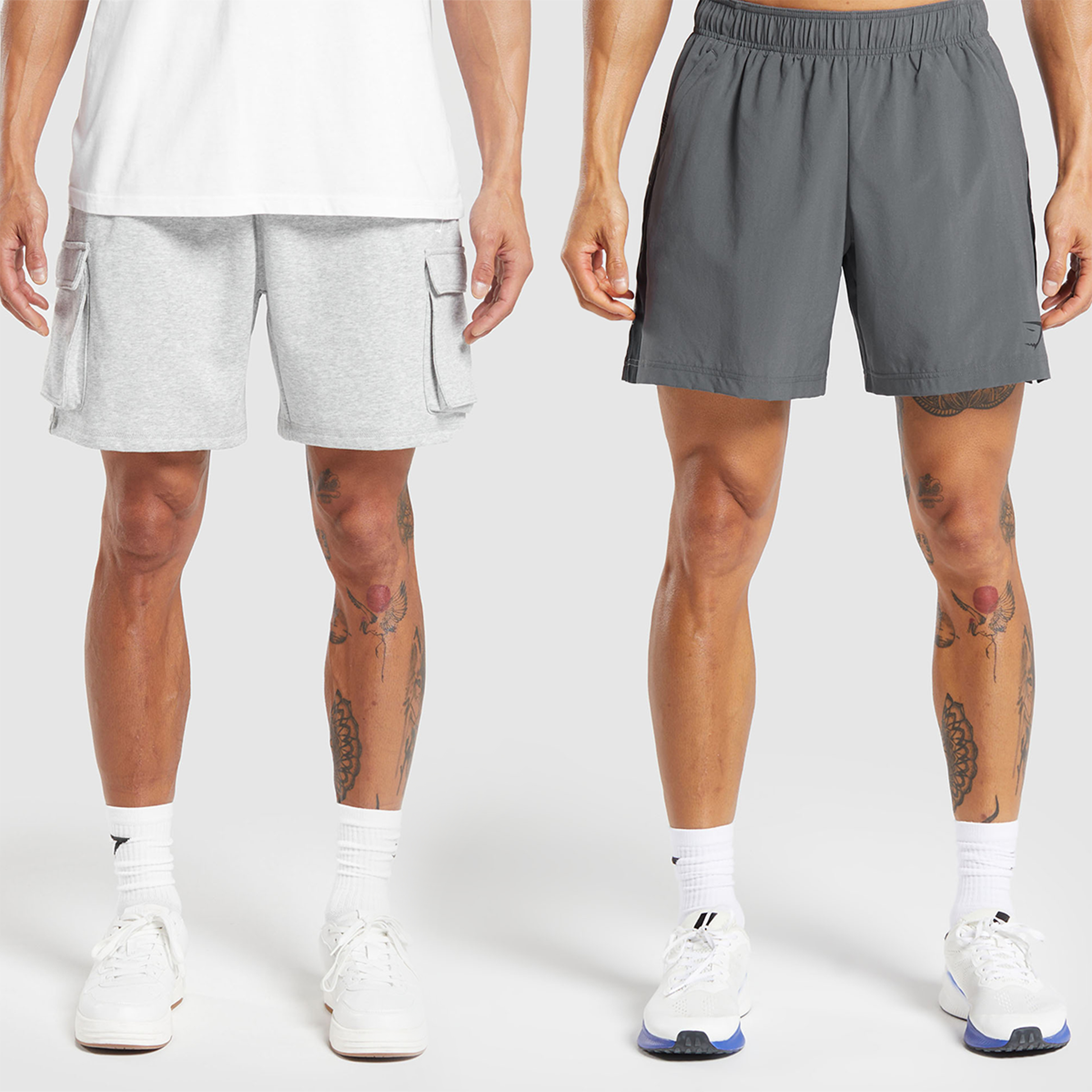
Credit: row.gymshark.com
