

How Should Gym Shorts Fit for Maximum Comfort and Performance
How Should Gym Shorts Fit
If you want to enjoy your workout, the fit of your gym shorts is more important than you might think. A good pair of gym shorts feels comfortable, moves with your body, and gives you confidence during any exercise. But many people are unsure about what “good fit” really means.
Some buy shorts that are too tight and restrict movement. Others wear loose shorts that look sloppy and cause distractions. Finding the right fit can improve your performance and help you focus on your fitness goals.
In this guide, you’ll learn how gym shorts should fit for different activities, body types, and personal preferences. You’ll discover what to look for in fabric, waistband, length, and more. If you’ve ever felt uncomfortable in your gym shorts, or if you want to avoid common mistakes, you’ll find clear answers here.
Whether you’re new to working out or looking to upgrade your gym wardrobe, this article will help you make smart, confident choices.
Why Fit Matters For Gym Shorts
The fit of your gym shorts affects more than just your appearance. It impacts your comfort, performance, and even your safety during workouts. When shorts fit well:
- You can move freely and complete exercises with correct form.
- You avoid chafing and irritation caused by fabric rubbing your skin.
- You stay focused, without adjusting your clothes every few minutes.
- You feel confident, which can motivate you to push harder.
On the other hand, poor-fitting shorts can lead to distractions, discomfort, and even minor injuries. For example, shorts that ride up may cause skin irritation, while too-loose shorts might expose more than you want during certain moves. That’s why choosing the right fit is not just about style; it’s about enjoying your workout and getting the best results.
Key Elements Of Proper Gym Shorts Fit
To find gym shorts that fit well, you should pay attention to several important factors. These include the waistband, length, cut, fabric, and overall comfort. Here’s what you need to know about each:
Waistband
The waistband is the anchor of your shorts. It should sit comfortably around your waist—snug but not tight. A good waistband:
- Stays in place during movement (no slipping or rolling down).
- Does not dig into your skin or cause marks.
- Often has a drawstring for extra security.
Some shorts have an elastic waistband, while others use a fixed band or even a combination of both. Try to find one that feels secure but lets you breathe easily.
Length
Gym shorts come in different lengths, usually measured by the inseam (the length from the crotch to the bottom of the shorts). Common inseam lengths are:
- 5-inch: Shorter, good for running and maximum movement.
- 7-inch: Medium length, versatile for most workouts.
- 9-inch: Longer, offers more coverage, popular for basketball or taller people.
Choose the length that matches your activity and comfort. Shorter shorts are better for running, jumping, or leg workouts, while longer shorts give more coverage for activities like cycling.
Cut
The cut refers to how the shorts are shaped. Some gym shorts are slim and hug your thighs, while others are loose for more airflow. The right cut depends on your body type and exercise. For example:
- Slim cut: Good for running or HIIT, prevents fabric from catching.
- Regular cut: Works for most people and activities.
- Loose cut: Offers maximum comfort but can look baggy.
Be aware that loose shorts can sometimes ride up or cause chafing if the material is rough.
Fabric
Fabric matters because it affects breathability, stretch, and moisture control. Good gym shorts use materials like:
- Polyester: Lightweight, quick-drying, and durable.
- Nylon: Soft, strong, and moisture-wicking.
- Spandex/Elastane: Adds stretch for flexibility.
Look for moisture-wicking fabrics that pull sweat away from your skin. Avoid 100% cotton, as it holds moisture and can feel heavy.
Overall Comfort
At the end of the day, your gym shorts should feel so comfortable that you barely notice them. Comfort comes from:
- Flat seams that don’t rub your skin.
- Linings or built-in briefs for support (especially for men’s shorts).
- Pockets that don’t bulge or get in the way.
If you can squat, stretch, or run without adjusting your shorts, you’ve found a good fit.

Credit: www.youtube.com
Gym Shorts Fit For Different Activities
Not all workouts are the same, and your shorts should match your activity. Here’s how gym shorts should fit for different types of exercises:
Running
For running, your shorts should be lightweight and allow your legs to move freely. The ideal fit:
- Sits above the knee for less restriction.
- Has a snug waistband that doesn’t slip.
- Offers a liner for support.
- Uses quick-dry, breathable fabric.
Avoid shorts that are too long or heavy, as they can cause overheating and slow you down.
Weightlifting
Weightlifting involves squats, lunges, and other moves that require flexibility. Choose shorts that:
- Have some stretch (spandex or elastane).
- Are not too tight around the thighs.
- Sit just above or at the knee.
- Stay in place during deep bends.
A gusseted crotch (extra panel of fabric) can improve comfort during wide movements.
Crossfit/hiit
High-intensity workouts involve jumping, sprinting, and fast movements. The best shorts:
- Stay snug but not restrictive.
- Have a secure waistband and drawstring.
- Use flexible, moisture-wicking fabric.
- Don’t ride up or bunch during burpees or jumps.
Shorts with split sides or slits help you move freely.
Basketball
Basketball shorts are usually longer for coverage during jumps and quick moves. Look for shorts that:
- Reach just above the knee.
- Have a loose but secure fit.
- Use lightweight, breathable mesh fabric.
- Include pockets (if you want to carry small items off the court).
Avoid shorts that are too baggy, as they can catch on your knees or slow you down.
Cycling/spinning
For cycling, fit and fabric are very important. Good gym shorts for cycling:
- Are fitted to reduce friction.
- May include padding for comfort.
- Use stretchy, sweat-wicking material.
- Have a snug waistband that doesn’t dig in.
Loose shorts can get caught in the bike or cause discomfort during long rides.
Yoga And Pilates
Yoga requires flexibility and comfort. Shorts should:
- Sit high or mid-rise to prevent sliding down.
- Be form-fitting without squeezing.
- Use soft, stretchy fabric.
- Avoid bulky seams or pockets.
Shorts that move with your body help you focus on your poses, not your clothing.
Team Sports
For team sports like soccer or volleyball, you need shorts that balance movement and durability. Good fit means:
- Not too tight or too loose.
- Enough room for running and jumping.
- Breathable fabric to keep you cool.
- Secure waistband for fast moves.
Shorts that match your team’s style are a bonus, but always put comfort first.
Choosing Gym Shorts For Your Body Type
Everyone’s body is different, and the best fit may not be the same for everyone. Here’s how to choose gym shorts for your shape:
Athletic Build
If you have a muscular or athletic build:
- Look for shorts with a little extra room in the thighs.
- Choose stretchy fabric to avoid restriction.
- Avoid slim cuts if your legs are large.
A regular fit with an adjustable waistband works best.
Slim Build
For a slimmer body:
- Try slim or regular-fit shorts.
- Avoid very loose shorts—they can look baggy and unflattering.
- Mid-length shorts often look best.
Drawstrings help keep the waistband secure.
Larger Thighs
If you have larger thighs:
- Choose shorts with wider leg openings.
- Look for gusseted or split-hem designs.
- Avoid shorts that taper too much.
Stretchy material will help prevent chafing.
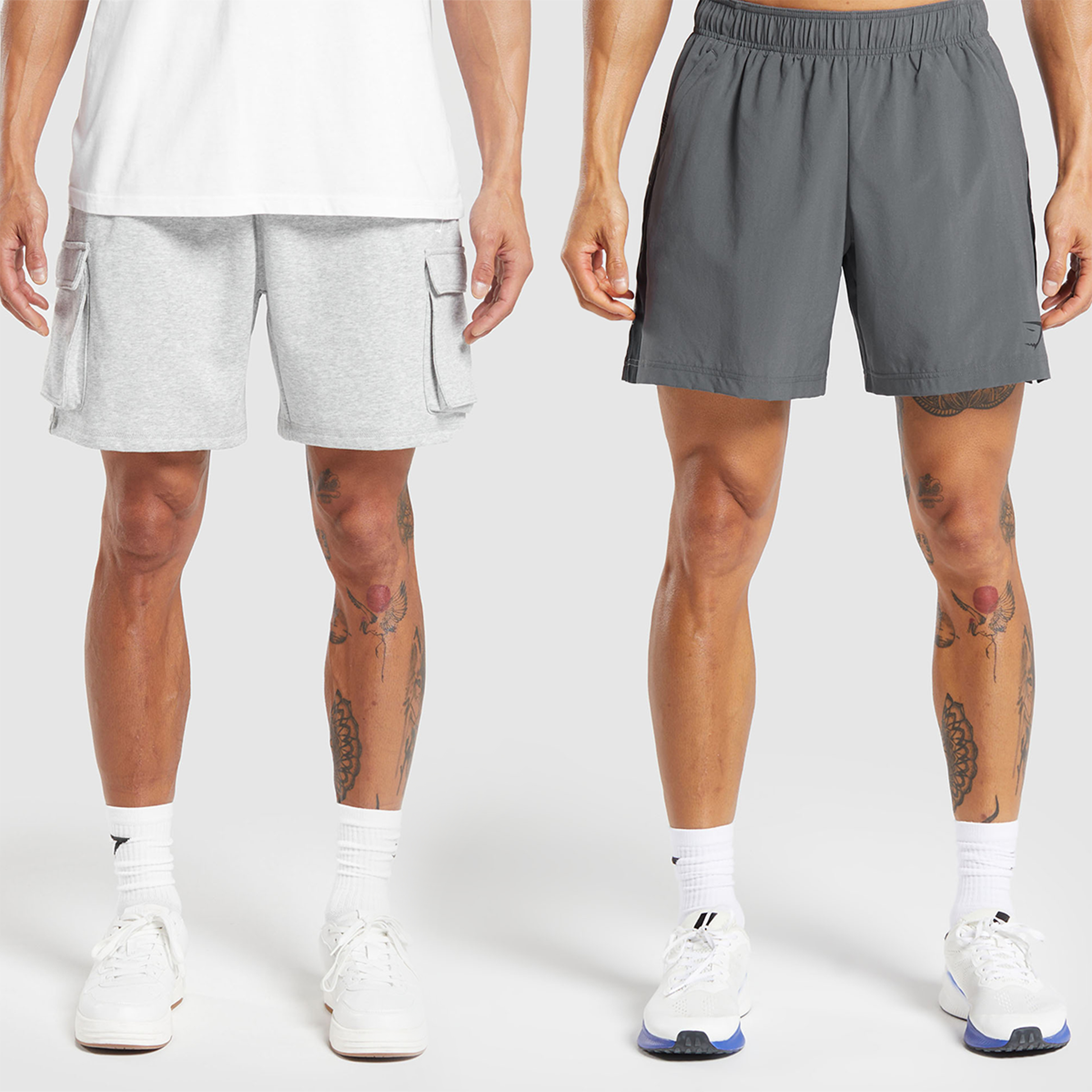
Tall Or Short Height
If you’re tall:
- Longer inseams (7-inch or 9-inch) offer better coverage.
- Make sure shorts don’t ride up during movement.
If you’re shorter:
- 5-inch inseams avoid a baggy look.
- Choose shorts that end above the knee.
The right length makes your legs look more balanced.
Credit: row.gymshark.com
How To Measure Yourself For The Perfect Fit
Measuring yourself is the best way to find gym shorts that fit well. Here’s how:
- Waist: Use a soft tape measure around your natural waistline (just above your hips). Don’t pull too tight.
- Hips: Measure the widest part of your hips, keeping the tape straight.
- Inseam: Stand straight, measure from the top of your inner thigh to where you want the shorts to end.
- Thigh: Measure around the fullest part of your thigh.
Always check the size chart for the brand you’re buying. Sizes can be different between companies.
Here’s a simple comparison between three popular inseam lengths:
| Inseam Length | Appearance | Best For |
|---|---|---|
| 5-inch | Above mid-thigh | Running, HIIT, short athletes |
| 7-inch | Mid-thigh to above knee | Weightlifting, general gym, average height |
| 9-inch | At or just below the knee | Basketball, tall athletes |
Common Fit Issues And How To Fix Them
Even with careful shopping, you might face some fit problems. Here are common issues and what you can do:
Shorts Ride Up
If your shorts keep riding up during exercise:
- Try a different cut, like a split hem.
- Look for shorts with a bit of spandex for stretch.
- Use shorts with a built-in liner for support.
Waistband Rolls Down
If the waistband keeps rolling or slipping:
- Choose a wider waistband for more grip.
- Use the drawstring to adjust the fit.
- Avoid shorts that are too loose at the waist.
Shorts Feel Too Tight
Tight shorts can restrict movement and cause discomfort:
- Size up if you’re between sizes.
- Look for shorts with a higher percentage of spandex or elastane.
- Avoid slim cuts if you have muscular thighs.
Shorts Are Too Loose
Loose shorts can be distracting or fall down:
- Go down a size or try a different brand.
- Use the drawstring for a tighter fit.
- Pick shorts with a regular or slim cut.
Chafing And Irritation
Chafing is common if the fabric rubs your skin:
- Choose moisture-wicking, smooth fabrics.
- Look for shorts with flat seams.
- Try shorts with a built-in liner.
Comparing Different Gym Shorts Styles
With so many styles, it’s important to know the differences. Here’s a quick comparison:
| Style | Fit | Activity | Pros | Cons |
|---|---|---|---|---|
| Compression Shorts | Very tight | Running, HIIT | Reduces muscle fatigue, prevents chafing | May feel restrictive, less coverage |
| Loose-Fit Shorts | Baggy | Basketball, casual wear | Maximum airflow, comfort | Can look sloppy, may ride up |
| Regular-Fit Shorts | Balanced | General gym, weightlifting | Versatile, comfortable | Less specialized |
| Split-Leg Shorts | Snug, with side split | HIIT, running | Increased mobility | Less coverage |
Practical Tips For Shopping Gym Shorts
Buying the right gym shorts is easier if you know what to look for. Here are some practical tips:
- Try before you buy: If possible, move around in the shorts—squat, jump, and stretch.
- Check the return policy: Sizes can vary. Make sure you can exchange if needed.
- Read reviews: Look for comments about fit and comfort from people with a similar body type.
- Look for adjustable features: Drawstrings, elastic waists, and stretch panels help get a better fit.
- Test the pockets: If you like to carry your phone or keys, make sure the pockets hold them securely.
- Pay attention to seams: Flat seams are less likely to cause irritation.
- Pick the right color and style: Dark colors are less likely to show sweat.
Non-obvious Insights Most Beginners Miss
Many beginners focus only on the size and style, but miss these important details:
- Liner Importance: Built-in liners can replace underwear, prevent chafing, and provide support—especially for men. But some people find them uncomfortable. Try both lined and unlined shorts to see which you prefer.
- Movement Test: The best way to check fit is not just standing still. Do a deep squat, lunge, or high knee. If the shorts shift, pinch, or pull, they’re not the right fit—even if the size “looks” correct.
- Rise Matters: The rise (distance from crotch to waistband) changes how shorts sit on your body. High-rise shorts stay up better during cardio, while mid-rise is usually better for weight training. Low-rise shorts can slip during movement.
- Fabric Weight: Some shorts look great but are made with heavy fabric that traps heat. Lightweight, airy fabrics improve comfort—especially for intense workouts.
How To Care For Gym Shorts (to Keep The Fit)
Even the best-fitting shorts can lose shape if you don’t care for them properly. Follow these tips:
- Wash in cold water to prevent shrinking or stretching.
- Avoid bleach or fabric softeners—they can damage moisture-wicking fibers.
- Hang dry when possible; dryers can weaken elastic and cause pilling.
- Store flat or folded, not hung, to maintain shape.
- Check care instructions on the label—some brands have special requirements.
When To Replace Your Gym Shorts
Even quality gym shorts don’t last forever. Watch for these signs that it’s time for a new pair:
- The waistband is loose or won’t stay up.
- The fabric is stretched out or has holes.
- The shorts smell, even after washing (odor buildup in synthetic fabrics).
- Seams are coming apart or the liner is damaged.
- The fit has changed and no longer supports your workouts.
Replacing worn-out shorts keeps you comfortable and safe during exercise.
Popular Brands And Fit Differences
Some popular gym short brands fit differently, even if the size is the same. Here’s a quick look:
| Brand | Fit Tendency | Best For |
|---|---|---|
| Nike | Athletic, slim | Running, HIIT |
| Adidas | Regular, slightly loose | Soccer, basketball |
| Under Armour | Compression and relaxed | Weightlifting, all-purpose |
| Lululemon | Modern, fitted | Yoga, cross-training |
Always check reviews and try on different brands to find your personal fit.
Mistakes To Avoid When Choosing Gym Shorts
Making the wrong choice can lead to discomfort or wasted money. Avoid these common mistakes:
- Ignoring your main activity: Shorts for running may not work for weightlifting or cycling.
- Choosing by look only: Style matters, but comfort and function are more important.
- Not checking the rise: The wrong rise can cause slipping or bunching.
- Overlooking fabric: Not all fabrics handle sweat and movement equally.
- Guessing your size: Always measure yourself and use the brand’s size chart.
- Forgetting about liners: Liners can help or irritate—know your preference.
Confidence And Personal Style
Gym shorts that fit well boost your confidence. When you feel good in your clothes, you’re more likely to stay active and enjoy exercise. Don’t be afraid to try new styles or colors. Fitness is personal, and your gear should match your energy and goals.

Credit: www.gymshark.com
Where To Learn More
If you want to explore more about gym short materials and design, you can check resources like this Wikipedia article on shorts.
Frequently Asked Questions
How Tight Should Gym Shorts Be?
Gym shorts should be snug enough to stay in place, but not so tight that they restrict your movement or cause discomfort. You should be able to move, squat, and stretch without feeling squeezed or having to adjust your shorts.
Are Liners In Gym Shorts Necessary?
Liners add support and help prevent chafing, especially during high-impact activities or running. Some people find them uncomfortable, so it’s a personal choice. Try both lined and unlined shorts to see which feels best for you.
Can I Wear Regular Shorts For The Gym?
You can, but regular shorts may not have features like moisture-wicking fabric, stretch, or secure waistbands. Gym shorts are designed for exercise, so they are usually more comfortable and practical for working out.
How Do I Know If My Gym Shorts Are Too Long Or Too Short?
If your shorts limit your movement or get caught on your knees, they’re likely too long. If they ride up and feel uncomfortable or expose too much, they may be too short. The right length depends on your activity, body type, and comfort.
How Often Should I Replace My Gym Shorts?
Replace your gym shorts when the waistband loses elasticity, the fabric stretches out, seams come apart, or they develop odors that won’t wash out. Well-cared-for shorts can last many months, but intense use will wear them faster.
Choosing gym shorts that fit well isn’t just about looks—it’s about performance, comfort, and confidence. The right fit will help you get the most from every workout, feel good in your body, and stay motivated to reach your fitness goals.
