

How Often Should You Wear Gym Clothes? Expert Tips Revealed
How Often Should You Wear Gym Clothes
Staying active is a big part of a healthy life. Whether you are a regular gym-goer, a runner, or just starting your fitness journey, the right clothing makes a big difference. But when it comes to gym clothes, many people have the same question: how often should you wear them before washing? Is it okay to wear the same shirt twice? Can you reuse leggings? Should you change after every single workout?
The answer is not always simple. Sweat, fabric type, activity level, and personal hygiene all play a role. Some rules seem obvious, but there are also a few details most beginners miss. Wearing gym clothes the wrong way can lead to skin problems, bad smells, and even damage to your clothing.
In this guide, you’ll learn how often you should really wear gym clothes, what factors matter most, and how to keep your workout gear fresh, clean, and long-lasting.
What Affects How Often You Should Wear Gym Clothes
Understanding the key factors helps you make smart choices. Not everyone sweats the same, and not all workouts are equal. Let’s look at what really matters.
Sweat Level
How much you sweat during exercise is the most important factor. If you sweat a lot, your clothes become damp quickly. Bacteria love wet fabric. This leads to strong odors and can cause skin irritation or acne. If you barely sweat during light activities like stretching or slow yoga, your clothes stay cleaner for longer.
Type Of Workout
High-intensity workouts like running, cycling, or HIIT usually mean heavy sweating. Clothes used for these should not be worn again without washing. For gentle workouts (like walking, pilates, or stretching), you might get away with a second wear if the clothing still feels and smells fresh.
Fabric Type
Not all gym clothes are the same. Materials like polyester and nylon wick moisture away but can hold onto smells. Cotton absorbs sweat but takes longer to dry, often leading to a musty smell if not washed soon. Some high-tech fabrics are treated to resist odor, but even these have their limits.
Skin Sensitivity
People with sensitive skin or conditions like eczema need to be extra careful. Rewearing sweaty or dirty clothes increases the risk of irritation, rashes, or fungal infections.
Climate And Weather
Hot, humid weather means more sweat and less time before your clothes need a wash. Cold or dry climates might allow more reuse, especially if you sweat less.
Duration Of Wear
Wearing gym clothes for a quick 15-minute stretch is very different from wearing them through a 90-minute spin class. The longer you wear the clothes, the more sweat and bacteria build up.
How Often To Wear Each Type Of Gym Clothing
Not all workout clothes are equal. Some items can be worn more than once, while others should be changed every time. Here’s a breakdown for each major type.
T-shirts And Tank Tops
- After every workout: Most people sweat most from their upper body during exercise. Shirts and tanks soak up sweat and quickly collect bacteria. Rewearing them can lead to strong odors and skin issues.
- Exception: If you did a very light workout with almost no sweat, you might wear it again, but check for smell and stains first.
Sports Bras
- After every workout: Sports bras fit tightly and stay close to your skin, especially in areas prone to sweat. Bacteria can multiply fast. Washing after each use is best for hygiene and to prevent skin problems.
- Extra tip: If you have sensitive skin or are prone to breakouts, never reuse a sports bra.
Leggings And Shorts
- Most workouts: After every session, especially if it was intense or sweaty.
- Exception: If you only did stretching or yoga and barely sweated, you might wear them a second time. Always check for odor and stains.
Socks
- Every single use: Never rewear socks without washing, even for low-intensity workouts. Socks absorb sweat and create a perfect place for fungus and bacteria. This can lead to athlete’s foot or other infections.
Underwear
- After every workout: Like socks, underwear should always be changed and washed after each use. Sweat and friction can irritate the skin and cause infections.
Sweatshirts, Hoodies, And Outer Layers
- Depends on sweat level: If the outer layer did not get wet or dirty, you can wear it a few times before washing. But if you sweated through it, wash it after each use.
Headbands, Hats, And Gloves
- Wash after every 1-2 uses: These items touch your skin and absorb sweat. Washing often helps prevent acne and bad smells.
Shoes
- Rotate and air out: You don’t need to wash gym shoes after every workout. Let them dry out completely and clean them regularly. Replace socks after every use.
Here’s a quick comparison to help you remember:
| Item | Wear Before Wash | Special Notes |
|---|---|---|
| T-shirts/Tanks | 1 | Can rewear if no sweat |
| Sports Bras | 1 | Always wash after use |
| Leggings/Shorts | 1-2 | Depends on sweat level |
| Socks | 1 | Never rewear |
| Underwear | 1 | Never rewear |
| Sweatshirts/Hoodies | 2-5 | Wash if sweaty |
| Headbands/Hats | 1-2 | Wash often |
| Shoes | Rotate/Air Out | Let dry between uses |
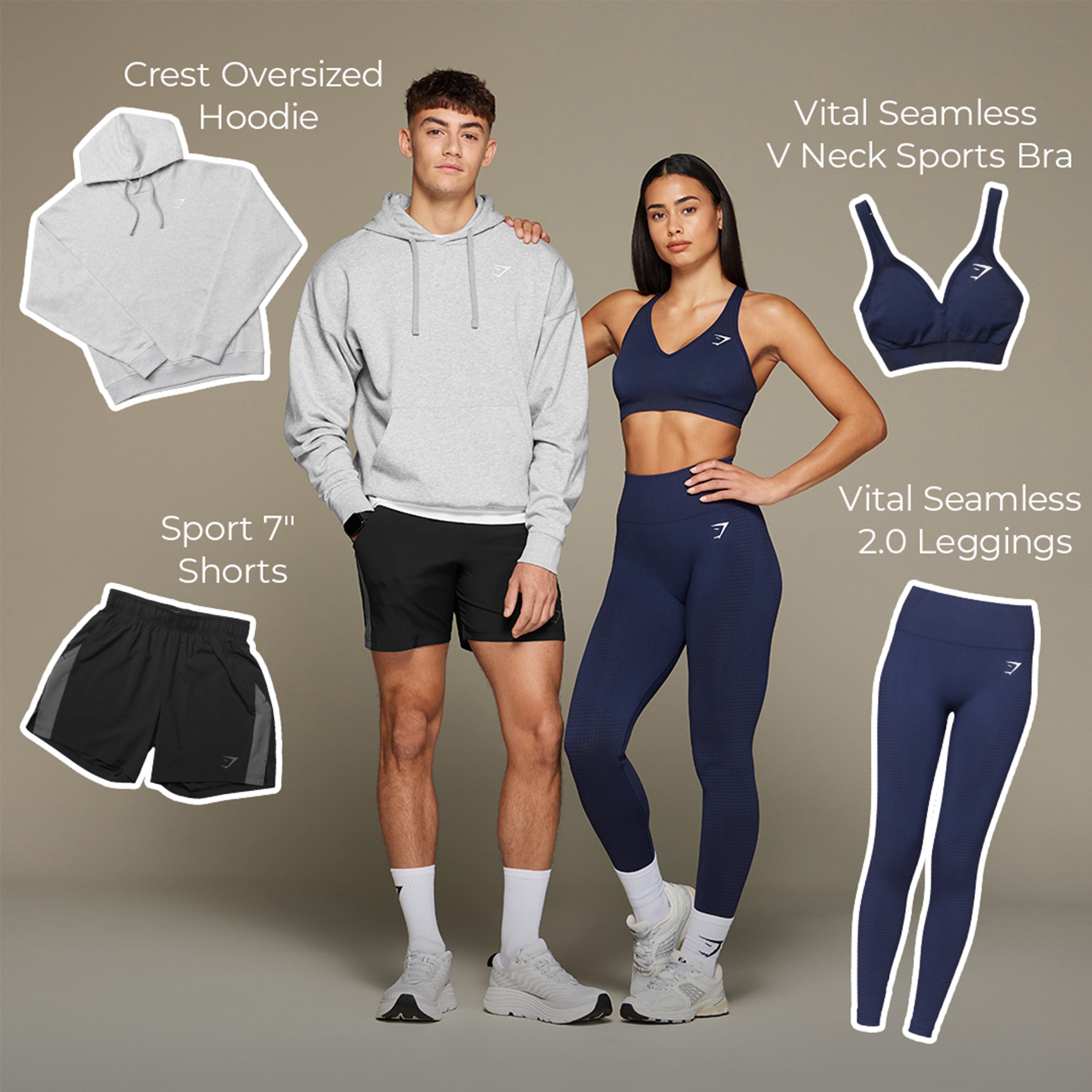
Credit: www.gymshark.com
Why You Should Not Rewear Dirty Gym Clothes
It’s tempting to grab yesterday’s shirt or leggings for today’s workout, especially if you’re in a hurry. But there are some important reasons to avoid this habit.
Odor And Bacteria
Sweat itself doesn’t smell, but bacteria that break down sweat do. When you rewear gym clothes, you give these bacteria more time to multiply. This leads to strong, hard-to-remove odors. Even expensive detergents can struggle to get rid of this smell if it builds up over time.
Skin Health
Dirty workout clothes can cause skin irritation, acne, or even infections. The combination of sweat, dead skin cells, and bacteria creates the perfect environment for breakouts. Areas where clothing rubs the skin (like under sports bras or behind knees in leggings) are especially at risk.
Fungal Infections
Fungi thrive in warm, moist environments. Rewearing socks or underwear, in particular, can lead to conditions like athlete’s foot or yeast infections.
Clothing Damage
Sweat contains salt and oils that break down fabric fibers. Wearing clothes repeatedly without washing can make them wear out faster, lose their shape, and fade.
How To Keep Gym Clothes Fresh Between Washes
Sometimes, you need to rewear gym clothes—maybe you travel often, or you don’t have enough workout gear. Here are some tips for keeping things fresh:
- Air out immediately: Don’t leave sweaty clothes in your bag or a pile. Hang them in a well-ventilated area to dry.
- Use fabric sprays: Some sprays neutralize bacteria and odor. These are not a replacement for washing but can help in a pinch.
- Wear moisture-wicking fabric: These dry faster and keep bacteria growth lower.
- Rotate outfits: Don’t wear the same set two days in a row if you can avoid it.
- Use antibacterial detergent: This can help kill bacteria that normal detergent might miss.
- Wash as soon as possible: The sooner you wash, the less likely smells and bacteria will stick.
- Try vinegar soaks: For stubborn smells, soak clothes in a mix of water and vinegar before washing.
Credit: www.reddit.com
How Many Sets Of Gym Clothes Do You Need?
The answer depends on how often you exercise and how often you do laundry. Here’s a simple way to estimate:
- Daily exercisers (5-7 days/week): At least 5-7 sets of tops, sports bras, socks, and underwear. 2-3 pairs of shorts or leggings can be rotated.
- Three times a week: 3-4 sets of essentials.
- Once a week: 1-2 sets are enough.
If you work out twice in one day (for example, morning cardio and evening yoga), you need enough clothes to change between sessions.
A common mistake is owning too few sets. This forces you to rewear dirty clothes or skip workouts. It’s better to have a few extra, even if they are basic and not expensive.
How To Build A Simple Gym Wardrobe
You don’t need a closet full of fancy brands. Here’s what most people find useful:
- Tops: 4-7 basic tees or tanks
- Sports bras: At least 3-5
- Bottoms (shorts/leggings): 2-4 pairs
- Socks: 7 pairs (one for each day)
- Underwear: 7 sets
- Outer layers: 1-2 sweatshirts or hoodies
- Optional: A few headbands or hats
Choose moisture-wicking fabrics for most items. You can add a couple of fun or colorful pieces, but focus on comfort and easy washing.
When Is It Okay To Rewear Gym Clothes?
There are a few situations where rewearing might be safe:
- Very low-sweat activities: If you did gentle yoga or stretching and didn’t sweat at all, you can rewear the clothes if they still smell fresh.
- No visible stains or odors: If the clothing looks and smells clean after airing out, it’s probably safe for another short session.
- Emergency situations: If you forgot to do laundry and have no other choice, air out the clothes and use a fabric spray before rewearing. Change as soon as you can.
A non-obvious tip: Always trust your nose and skin. If your clothes smell even a little off or feel sticky, wash them before using again. Don’t rely only on how they look.
Special Cases: Shared Gym Equipment And Public Gyms
If you use public gym equipment, you are exposed to more germs. Sweat and bacteria from other people can transfer to your clothes, especially on benches and mats. In these situations, it’s even more important to change and wash your gym clothes after each session.
Some gyms provide disinfectant wipes, but clothing still picks up germs. Bring a clean towel to put on benches. Avoid sitting around in sweaty clothes after your workout—change as soon as possible.
How To Wash Gym Clothes For Best Results
Washing gym clothes the right way helps keep them fresh, remove odors, and extend their life.
Step-by-step Guide
- Separate gym clothes: Wash them apart from towels and heavy clothes like jeans. This prevents extra friction and pilling.
- Turn inside out: This exposes the sweatier side to the detergent.
- Use cold water: Hot water can damage elastic and break down performance fabrics.
- Choose the right detergent: Look for one with odor-fighting or antibacterial properties.
- Skip fabric softener: It can coat fibers and trap odors.
- Air dry if possible: High heat from dryers can ruin elastic and shrink clothes. Hang or lay flat to dry.
- Wash soon: Don’t let sweaty clothes sit for days. The longer bacteria stay, the harder it is to remove odors.
Here’s a quick comparison for washing tips:
| Step | Why It Matters |
|---|---|
| Wash separately | Reduces wear, keeps fabrics clean |
| Cold water | Protects fibers and elasticity |
| No fabric softener | Prevents odor trapping |
| Air dry | Extends life of clothes |
Common Mistakes With Gym Clothes
Beginners often make these errors:
- Wearing clothes too many times: Even if they look clean, bacteria grow quickly.
- Using too much detergent: This can leave residue and actually trap smells.
- Not airing out clothes: Leaving them in a gym bag leads to mold and strong odors.
- Ignoring skin problems: If you get breakouts or rashes, change your washing or wearing habits.
- Using high heat in dryers: This damages performance fabrics.
- Not buying enough basics: Running out of clean clothes is the top reason people skip workouts.
Credit: www.reddit.com
How Gym Clothes Impact Your Workout
Wearing clean, well-fitting gym clothes does more than keep you healthy. It can actually improve your performance. Fresh clothes are more comfortable and less distracting. You’re less likely to adjust your shirt or leggings during exercise if they fit well and feel good.
Psychologically, putting on clean gym clothes signals your brain that it’s time for activity. It’s a simple way to boost motivation. Dirty or smelly clothes can make you feel less confident and less likely to push yourself.
Expert Opinions And Research
Studies show that bacteria on gym clothes can double in just a few hours if left damp. Dermatologists recommend changing and washing all items that directly touch your skin after every workout. According to the Mayo Clinic, keeping workout gear clean is key to preventing body odor and skin infections.
Another non-obvious insight: Performance fabrics need different care than regular cotton. Fabric softeners and dryer sheets can reduce their sweat-wicking abilities. Always read the care label.
Gym Clothes For Special Needs
Some people need to be even more careful:
- People with sensitive skin: Always change and wash after every workout.
- Those with skin conditions: Use fragrance-free detergent and rinse clothes well.
- Teens and young adults: This group sweats more and is prone to body acne. Never rewear without washing.
Sustainable Gym Clothing Habits
Washing clothes often can seem wasteful, but hygiene comes first. You can reduce impact by:
- Washing full loads: Wait until you have enough clothes to fill the machine.
- Choosing quick-dry fabrics: These require less drying time and energy.
- Line drying: Saves electricity and extends fabric life.
- Buying quality over quantity: Good gym clothes last longer, even with frequent washing.
When To Replace Gym Clothes
Even with good care, all gym clothes wear out. Signs it’s time to replace them:
- Persistent odor: Smell doesn’t go away after washing.
- Loss of stretch: Clothes no longer fit snugly.
- Visible wear: Holes, thinning, or pilling.
- Irritation: Fabric feels rough or causes itchiness.
Replace basics like sports bras and socks more often, as they take the most wear.
Frequently Asked Questions
How Many Times Can I Wear Gym Clothes Before Washing?
Most gym clothes should be washed after every use, especially if you sweat a lot. Outer layers like hoodies can sometimes be worn a few times if they don’t get sweaty or dirty.
Is It Safe To Rewear Gym Leggings?
It depends on your workout. If you did a light, sweat-free session, you might wear them again. But after intense or sweaty workouts, always wash before rewearing to avoid skin problems and odors.
Can I Air Out Gym Clothes And Wear Them Again?
Airing out can help if you didn’t sweat much and the clothes don’t smell. However, it’s not a substitute for washing. Always check for odors and stains before rewearing.
What Happens If I Rewear Sweaty Gym Clothes?
Rewearing sweaty clothes increases the risk of odor, skin irritation, and infections. Sweat and bacteria build up fast, especially in tight-fitting clothes like sports bras and leggings.
How Do I Get Rid Of Stubborn Smells In Gym Clothes?
Soak clothes in a mix of water and vinegar before washing, use a sports detergent, and always air dry. Avoid fabric softener, as it can trap odors in the fabric.
Keeping your gym clothes clean is a simple step that can make your workouts safer, more comfortable, and more enjoyable. Choose smart habits, pay attention to your body, and invest in enough gear to support your active life.
