

How Often Should You Replace Workout Clothes for Peak Performance
How Often Should You Replace Workout Clothes
Staying active feels great, but there’s a hidden side to fitness people often ignore—what happens to your workout clothes over time? You might have a favorite pair of leggings or a lucky T-shirt, but wearing old or worn-out workout gear can affect more than just your style. It can impact your comfort, hygiene, and even your exercise results. Many people wonder, how often should you replace workout clothes? The answer isn’t as simple as marking a date on the calendar. The right time to swap out your gym gear depends on several factors: the material, frequency of use, workout intensity, and even how you wash and store your clothes.
This guide digs deep into the real reasons to replace your workout clothes, warning signs you shouldn’t ignore, and smart tips for making your gear last longer. You’ll also discover what can happen if you hang on to old clothes too long, and how to build a fitness wardrobe that keeps up with your goals.
Whether you’re a beginner or a regular at the gym, understanding when—and why—to refresh your workout wear can make a big difference in your fitness journey.
Why Replacing Workout Clothes Matters
Choosing when to replace your workout clothes is not just about looking good. Your performance, comfort, and health all depend on the quality of what you wear.
Hygiene And Bacteria
During exercise, your body sweats, and sweat creates the perfect environment for bacteria and even fungus to grow. Over time, even with regular washing, some microbes can stay trapped in the fibers of your clothes. This is especially true for synthetic fabrics like polyester or nylon, which are common in athletic wear because they dry fast and wick away sweat. If these bacteria build up, they can cause bad odors, skin irritation, and even infections.
Comfort And Performance
Workout clothes are designed to stretch, move with your body, and support you during exercise. As fabric breaks down, it loses its shape, elasticity, and support. Old leggings might start to sag, or compression tops may feel loose. This can make your workout less comfortable and even distract you from your goals. In some cases, worn-out gear can increase the risk of chafing, blisters, or muscle strain.
Appearance And Motivation
Fresh, well-fitted workout clothes can give you a boost of confidence. They often make you feel more motivated to exercise. When clothes fade, pill, or lose their shape, they can make you feel less excited about working out. While looks aren’t everything, motivation matters.
How Long Do Different Types Of Workout Clothes Last?
Not all workout gear wears out at the same speed. The lifespan of your clothes depends on the type of item, material, and how you care for it.
| Item | Average Lifespan (Regular Use) | Common Signs of Wear |
|---|---|---|
| Sports Bras | 6-12 months | Loss of stretch, loose straps, fading |
| Leggings | 1-2 years | Thinning fabric, sagging, see-through spots |
| Workout T-Shirts | 1-2 years | Stains, odor, stretched necklines |
| Socks | 6-12 months | Holes, loss of cushion, odor |
| Shorts | 1-2 years | Fading, stretching, loose waistband |
Note: These are averages for people who work out 3-5 times per week and wash their clothes after every use. If you exercise more or take part in high-intensity sports, expect to replace items more often.
Credit: www.thighsociety.com
What Affects The Lifespan Of Workout Clothes?
Several factors decide how fast your workout gear wears out. Being aware of these can help you plan when to replace them—and how to stretch their life a little longer.
Frequency Of Use
The more often you wear and wash an item, the faster it will wear out. Clothes used for daily running or intense gym sessions will need replacing sooner than those used for light yoga or stretching once a week.
Fabric And Material
- Synthetic fabrics (like polyester, nylon, spandex): Great for moisture-wicking, but can trap odor and lose stretch over time.
- Natural fibers (like cotton, bamboo): Softer on skin, but may hold sweat longer and lose shape after repeated washes.
Some brands blend materials for better durability, but even the best fabrics break down with heavy use.
Washing And Care Habits
How you wash and dry your workout clothes has a big impact. Hot water, strong detergents, and tumble drying can speed up fabric damage. Skipping special care instructions—like washing in cold water or air drying—can shorten lifespan.
Type Of Exercise
High-impact activities, such as HIIT, CrossFit, or running, put more strain on seams and fabric. Yoga or Pilates, which involve more stretching, can cause leggings and tops to lose elasticity faster.
Body Chemistry
Your sweat is unique. Some people’s sweat is more acidic, which can break down fabric faster. If your gear starts to smell or lose shape quickly, your body chemistry might be a factor.
Clear Signs It’s Time To Replace Workout Clothes
Instead of sticking to a strict schedule, watch for these warning signs:
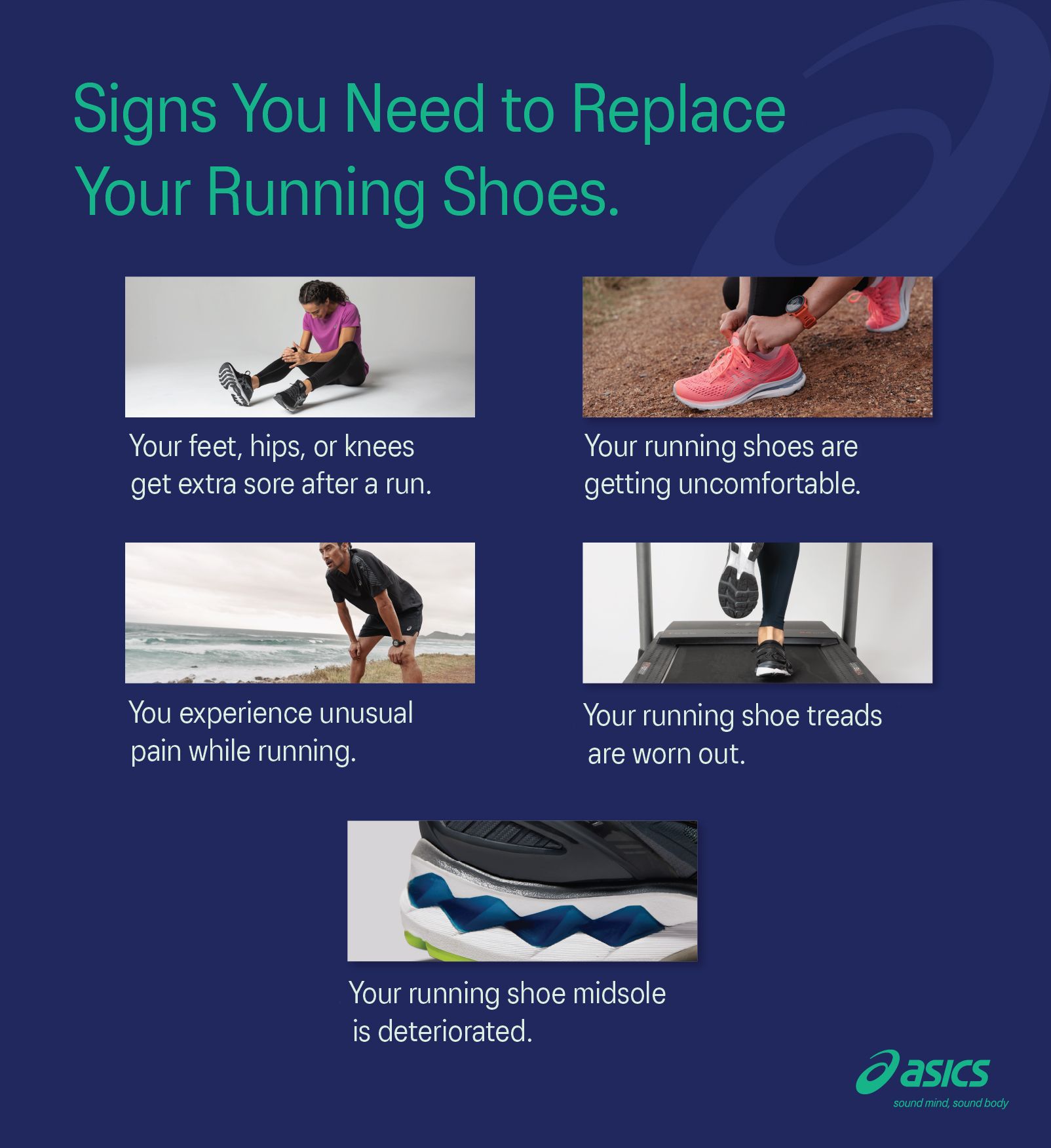
- Persistent odor even after washing.
- Stretched out fabric that won’t snap back.
- See-through spots in leggings or shorts.
- Loose seams or holes in any item.
- Loss of support in sports bras or compression wear.
- Itching or skin irritation when you wear the item.
- Fading color or pilling that makes clothes look old.
Ignoring these signals can mean less comfort, poor hygiene, or even injury.
Special Considerations For Different Items
Each type of workout clothing has its own replacement rules and reasons.
Sports Bras
A sports bra’s main job is support. Over time, the elastic weakens, straps stretch, and padding shifts. If you start to feel bounce or discomfort, or if you adjust your bra during a workout, it’s a sign to replace it.
Women with larger busts or those who do high-impact sports may need to change bras more often.
Leggings And Shorts
Leggings and shorts face a lot of movement, stretching, and sometimes friction. When the fabric thins—especially in key areas—they can become see-through. Sagging waistbands or loose legs mean it’s time for a new pair.
Workout Shirts And Tanks
Shirts get sweaty and are washed often. Look for stretched collars, faded colors, and fabric that feels rough or thin. Odor that won’t wash out is a strong signal to replace.
Socks
Active feet sweat a lot. Socks can develop holes, lose their cushion, or start to smell. Damaged socks increase the risk of blisters and fungal infections.
Specialty Items (compression Gear, Thermal Wear)
Compression sleeves, tights, or tops lose their benefits when they stretch out. Thermal wear for cold weather can thin over time, reducing warmth.
How To Make Your Workout Clothes Last Longer
While you can’t make your gear last forever, some smart habits extend their usable life.
Wash Smarter
- Wash in cold water to protect fibers.
- Use a gentle cycle and mild detergent.
- Avoid fabric softener, as it can damage moisture-wicking materials.
- Turn clothes inside out before washing.
- Air dry when possible, as heat breaks down elastic.
Rotate Your Gear
Having more than one set spreads out wear and tear. If you exercise often, aim for at least two to three sets of each item.
Store Properly
Store clothes in a dry, cool place. Don’t leave sweaty gear in a gym bag for hours—this can cause stains and smells that never wash out.
Treat Stains And Odors Early
Soak items with stubborn stains or odors in a mixture of water and white vinegar before washing. This helps break down bacteria and prevent permanent smells.
The Risks Of Wearing Old Workout Clothes
Hanging on to old, worn-out workout clothes can cause more problems than you might think.
Skin Problems And Infection
Old clothes trap bacteria, sweat, and dead skin. This can cause rashes, acne, or fungal infections like athlete’s foot. Some synthetic fabrics, when old, can even irritate sensitive skin.
Poor Performance
Loose or stretched-out gear won’t give the support you need. This can lead to muscle fatigue, especially if you rely on compression wear or sports bras for support.
Higher Risk Of Injury
Worn-out socks can cause blisters. Sagging leggings can make you trip or move awkwardly. Even small problems can lead to bigger issues during intense activity.
Damaged Confidence
If you don’t feel good in your clothes, you might avoid the gym. Confidence is a big part of sticking to a fitness plan.
How Often Should You Replace Workout Clothes? A Practical Guide
There’s no one-size-fits-all answer, but here’s a practical schedule based on common use:
| Workout Frequency | Leggings/Shorts | Sports Bras | T-Shirts/Tanks | Socks |
|---|---|---|---|---|
| 1-2 times/week | Every 2-3 years | Every 1.5-2 years | Every 2-3 years | Every 1.5-2 years |
| 3-5 times/week | Every 1-2 years | Every 6-12 months | Every 1-2 years | Every 6-12 months |
| Daily | Every 9-12 months | Every 4-8 months | Every 9-12 months | Every 4-8 months |
Remember: These are guidelines. If you notice any of the warning signs earlier, replace your gear sooner.
Non-obvious Insights Most People Miss
Many beginners focus only on looks when choosing or replacing workout clothes. But there are two important factors that often go unnoticed:
- Microfiber Buildup: Over time, tiny fibers from synthetic clothing break off and can make fabric less effective at wicking sweat. This buildup is hard to see but can lead to more odor and less comfort, even if the clothes look fine.
- Invisible Loss of Support: Compression gear, sports bras, and even socks can lose their supportive properties before you notice any visible change. You might not feel a difference until you experience muscle fatigue or discomfort. Regular testing—like stretching straps or waistbands—can help catch these problems early.
How To Build A Sustainable Workout Wardrobe
Replacing clothes often doesn’t mean you have to waste resources or spend a fortune. Building a smart, sustainable wardrobe is possible.
Choose Quality Over Quantity
Invest in a few high-quality pieces rather than many cheap ones. Quality fabrics and stitching last longer and perform better.
Stick To Versatile Colors And Styles
Neutral colors and classic cuts can be mixed and matched, so you need fewer items overall.
Donate Or Recycle Old Gear
If your workout clothes are still in good shape, donate them to local charities or organizations. Some brands offer recycling programs for worn-out athletic wear.
Buy From Responsible Brands
Some athletic brands focus on sustainability, using recycled materials or eco-friendly processes. Supporting these companies can help reduce waste.
Credit: www.asics.com
How To Test If Your Workout Clothes Still Perform
Not sure if your favorite leggings or sports bra still work? Here’s how to check:
- Stretch Test: Gently pull on seams and waistbands. If they don’t snap back, it’s time to replace.
- Light Test: Hold fabric up to the light. If you see lots of tiny holes or it’s see-through, it’s worn out.
- Support Test: For sports bras, jump or jog in place. If you feel bouncing or movement, the support is gone.
- Odor Test: After washing, smell the item. If odor remains, bacteria are trapped inside.
- Comfort Test: Listen to your body. If you itch, chafe, or feel uncomfortable, trust your instincts.
Mistakes To Avoid When Replacing Workout Clothes
Many people make the same errors when it’s time to refresh their workout gear. Avoid these common mistakes:
- Waiting too long to replace: Don’t wait for holes or major damage. Replace at the first sign of persistent odor, lost support, or discomfort.
- Ignoring care instructions: Every brand has different washing rules. Check the label before tossing items in the machine.
- Focusing only on style: Choose function over fashion. The best workout clothes fit well, wick sweat, and support your body.
- Buying in bulk: It’s tempting to buy lots of cheap items, but these often wear out faster and cost more in the long run.
- Not rotating gear: Using the same set every day wears it out quickly. Rotate between at least two or three sets.
Expert Tips For Choosing Durable Workout Clothes
Choosing the right workout gear at purchase can help delay replacement.
- Check the seams. Flatlock seams are less likely to chafe or break.
- Look for reinforced stitching in high-stress areas, like waistbands or underarms.
- Stretch the fabric before buying. It should snap back easily and not feel thin.
- Read reviews about long-term durability.
- Try before you buy if possible. Move around in the fitting room to check fit and comfort.
How Sweat And Detergents Affect Fabrics
Many people don’t realize how sweat and laundry products can slowly damage their workout gear.
Sweat contains salt, oils, and acids. When left in clothes, these elements break down fibers and elastic. Washing removes most of the sweat, but if you use too much detergent, it can leave a residue that weakens fabric and traps odors.
Fabric softeners, while making clothes feel soft, can coat fibers and stop sweat from evaporating.
A smart washing routine is just as important as buying good clothes.
Environmental Impact Of Replacing Workout Clothes
Fast fashion and frequent replacement of athletic wear have an impact on the environment. Most workout clothes are made from synthetic materials, which can take hundreds of years to break down in landfills. Here’s how you can reduce your impact:
- Buy less, choose well. Pick versatile, durable pieces.
- Recycle old clothes. Some stores and brands accept old workout gear for recycling.
- Wash less often. If you haven’t sweated much, consider airing out clothes instead of washing after each use.
- Support eco-friendly brands. Look for companies using recycled materials or ethical production methods.
This approach saves money and helps the planet.
The Role Of Technology In Modern Athletic Wear
Modern workout clothes often feature high-tech fabrics designed to last longer and keep you comfortable. Some brands use antimicrobial treatments to prevent odor, or special weaves to improve stretch and durability.
However, these technologies wear off over time—usually after 20 to 50 washes. Even with tech improvements, regular replacement is still necessary. Always check the care instructions, as some features need special handling to last.
If you want to learn more about how advanced textiles work in sportswear, check out this detailed guide from the Wikipedia - Sportswear (activewear).
Frequently Asked Questions
How Can I Tell If My Workout Clothes Are Too Old Even If They Look Fine?
Sometimes, problems aren’t visible. If your clothes have a persistent odor after washing, feel less supportive, or cause itching, it’s time to replace them—even if they look okay. Do a stretch test or a light test to check for hidden damage.
Credit: www.reddit.com
Does Washing Workout Clothes After Every Use Make Them Wear Out Faster?
Frequent washing can wear down fabrics, but not washing increases bacteria and odor. Use gentle cycles, cold water, and avoid harsh detergents to reduce wear while keeping clothes clean.
Can I Use Old Workout Clothes For Other Activities?
Yes. Old workout gear can be used for activities like gardening, cleaning, or lounging at home. Just avoid using very worn items for intense exercise, as they may not provide proper support or hygiene.
Are Expensive Workout Clothes Worth It?
Quality usually means better materials and construction, which last longer and perform better. However, price isn’t everything—some affordable brands also offer durable options. Check reviews and materials before buying.
How Many Sets Of Workout Clothes Do I Need?
It depends on how often you exercise and how often you do laundry. Most people need at least 2–3 sets for regular activity. If you work out daily, having 4–5 sets helps you rotate items and reduces wear.
Keeping your workout wardrobe fresh isn’t just about style—it’s about performance, comfort, and health. By paying attention to the signs, practicing good care habits, and choosing quality gear, you’ll get the most from every workout and protect your well-being. Remember, your fitness journey is always changing, and your workout clothes should keep up with you every step of the way.
