

How Often Should You Replace Workout Clothes for Peak Performance
How Often Should You Replace Workout Clothes
Wearing the right workout clothes can help you feel comfortable, move better, and even boost your confidence at the gym. But many people hold onto their favorite activewear for too long, not realizing it might actually be hurting their performance or even their health.
Clothes that were once soft, supportive, and odor-free can become stretched, faded, or smelly over time. So, how often should you replace workout clothes? The answer is not as simple as a number. It depends on several factors—how you train, what materials you wear, and even how you care for your gear.
This guide will help you understand when it’s time to say goodbye to your old sports bras, leggings, shirts, and more. We’ll look at the signs of wear, how different fabrics age, and how your workout habits affect clothing lifespan.
You’ll also find practical tips to make your activewear last longer and avoid some common mistakes that many gym-goers make. If you want to stay comfortable, avoid skin problems, and get the most from your workouts, understanding when to replace your workout clothes is essential.
Why Replacing Workout Clothes Matters
Workout clothes are more than just fashion. They’re designed to support your body and wick away sweat. Over time, their performance drops. Here’s why replacing them is important:
- Hygiene: Old workout clothes can trap bacteria and fungus, leading to skin irritation, body acne, or even infections.
- Comfort: Worn-out fabrics lose their stretch and can cause chafing or discomfort.
- Performance: Clothes that are too loose or too tight can restrict movement, making exercise harder.
- Odor: Persistent smells can build up and become impossible to remove, even after washing.
Many people don’t notice these problems right away, but over time, they can affect both your workout results and your motivation.
Key Factors That Affect How Long Workout Clothes Last
Not all workout clothes have the same lifespan. Several factors can make a big difference:
1. Fabric Type
The material is one of the most important factors. Here’s a quick comparison of common workout fabrics:
| Fabric | Pros | Cons | Average Lifespan |
|---|---|---|---|
| Polyester/Polyamide | Lightweight, dries fast, holds shape | Can hold odors, pills over time | 6-12 months |
| Cotton | Soft, breathable, affordable | Absorbs sweat, stretches out | 3-6 months (frequent use) |
| Nylon/Spandex (Lycra/Elastane) | Great stretch, fits snugly | Breaks down with heat/chemicals | 6-12 months |
| Merino Wool | Odor-resistant, regulates temperature | Expensive, delicate | 12-18 months |
Synthetic blends (polyester, nylon, spandex) are common in gym clothes for their stretch and sweat-wicking power. But they can degrade from washing and body oils. Cotton feels soft, but it absorbs moisture and breaks down quickly. Merino wool is naturally odor-resistant and lasts longer but needs gentle care.
2. Frequency Of Use
How often you wear your workout clothes has a big impact. If you exercise every day and rotate only a few outfits, they’ll wear out faster. People who work out 2-3 times per week and own more gym clothes will see slower wear and tear.
3. Washing And Drying Habits
Washing workout clothes after every use is important for hygiene. But aggressive washing, hot water, and tumble drying can break down fabric fibers faster.
- Harsh detergents and fabric softeners damage stretch and moisture-wicking properties.
- High heat in dryers can cause shrinkage or make elastic lose its shape.
Air drying and using gentle detergent can extend the life of your clothes.
4. Type Of Workout
Intense workouts—like running, HIIT, or CrossFit—put more stress on your clothes. Movements that involve stretching, friction, or high sweat will wear out fabric faster compared to light yoga or walking.
5. Fit And Construction Quality
High-quality seams, flatlock stitching, and reinforced areas (like knees or seat) usually last longer. Cheaper workout clothes may not survive many washes or hard workouts.
Signs It’s Time To Replace Workout Clothes
You don’t need to keep track of the exact date you bought each item. Instead, watch for clear signs that your workout clothes have reached the end of their useful life:
1. Persistent Odor
If your clothes smell bad even after washing, bacteria and sweat may be trapped in the fibers. This is common with synthetics. Deep cleaning might help a few times, but if the smell keeps coming back, it’s time to replace them.
2. Loss Of Stretch Or Shape
Leggings or shirts that sag, bag, or have stretched-out waistbands will not support your body the way they should. If your clothes don’t bounce back to their original shape, the elastic fibers are broken down.
3. Visible Wear And Tear
Look for holes, fraying seams, loose threads, or fabric pilling (small balls of fuzz). Clothes with these issues may not perform well and can be uncomfortable or embarrassing.
4. Fading Or Staining
Faded colors and permanent stains are not just a cosmetic issue. Sometimes, fading means the fabric is breaking down, especially with repeated washing.
5. Chafing Or Skin Irritation
If you start getting red marks, blisters, or rashes in places you didn’t before, the fabric might be too rough or stretched out.
6. Poor Fit
If your shirt rides up, your sports bra feels loose, or your leggings slip down, the garment isn’t doing its job anymore.
7. Reduced Support
For items like sports bras, loss of support is a key reason to replace them. If you notice more bounce during activity, it’s time for a new one.
How Often Should You Replace Each Type Of Workout Clothing?
Every item in your gym bag has a different lifespan. Here’s a practical guide:
Sports Bras
Sports bras have one of the shortest lifespans. The elastic and support materials break down quickly, especially if you sweat a lot or wash them often.
- Replace every 6-12 months if you exercise 3-5 times a week.
- If you do high-impact sports (like running), you might need to replace them even sooner.
- Signs to watch: Straps that slip, band that rides up, or reduced support.
Leggings And Shorts
These often get the most wear and tear, especially if you do squats, yoga, or cycling.
- Replace every 6-12 months for regular use.
- If you notice sagging, see-through patches, or holes, don’t wait—replace them right away.
Workout Tops And T-shirts
Tops usually last a bit longer than bottoms, but sweat, deodorant, and stretching can wear them out.
- Replace every 12-18 months for average use.
- Persistent odors, fading, and loss of shape are signs it’s time for a new one.
Socks
Socks are easy to overlook but can break down quickly and cause blisters if they lose their cushioning.
- Replace every 6-12 months or sooner if you notice holes or reduced comfort.
- Synthetic running socks often last longer than basic cotton socks.
Compression Gear
Compression shirts, shorts, or sleeves rely on tight fit for their benefits. Once they lose their elasticity, they’re no longer effective.
- Replace every 6-12 months for regular use.
- If you notice any sagging or lack of compression, replace them even if there’s no visible damage.
Specialized Items (gloves, Headbands, Etc.)
Items like gym gloves or headbands can last longer, but they still need to be replaced when they lose their grip, stretch out, or start to smell.
- Replace every 12-18 months or as soon as they stop working as intended.
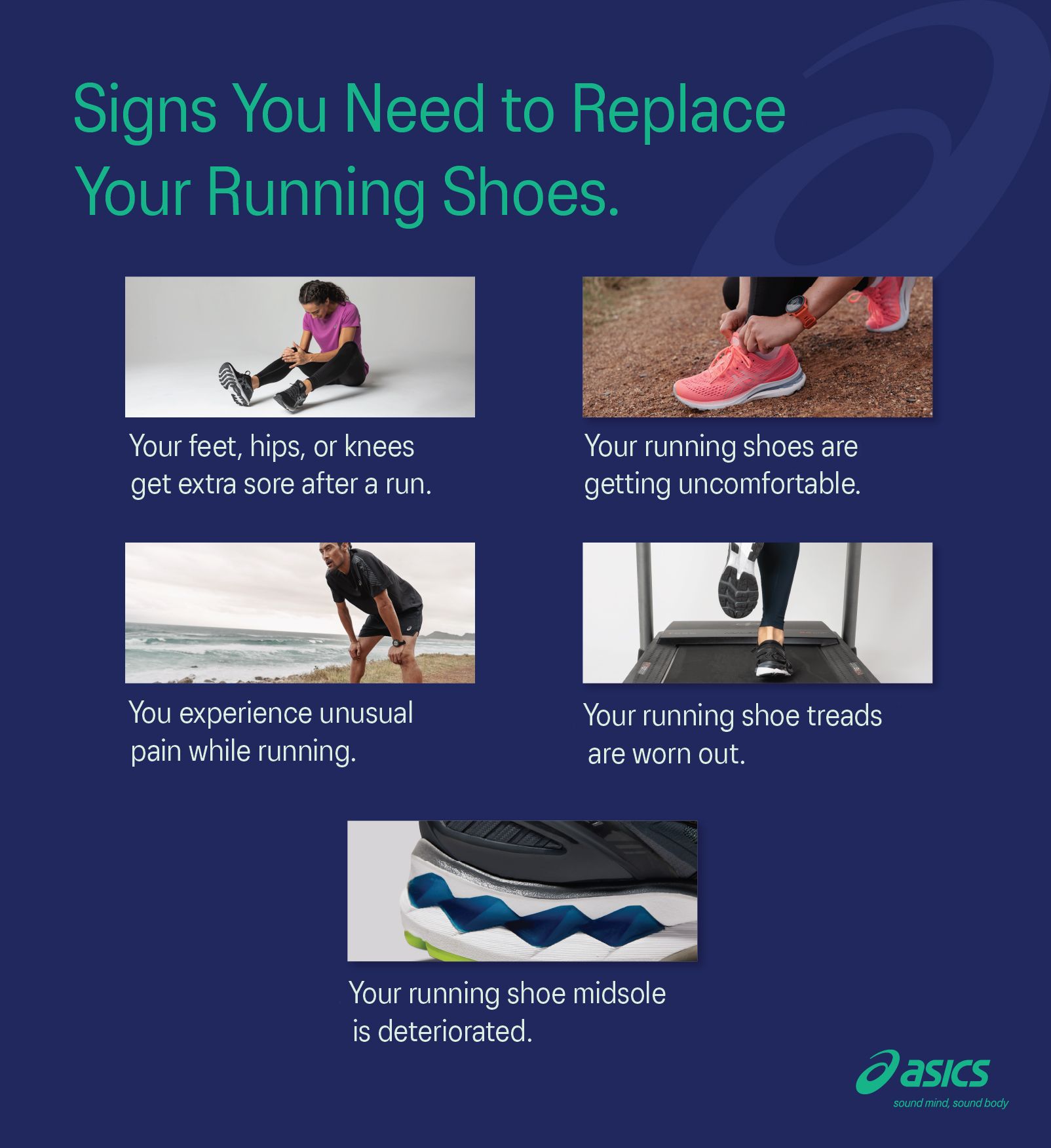
Credit: www.asics.com
How To Make Workout Clothes Last Longer
You can get the most from your workout clothes by taking care of them properly. Here are some tips that really work:
1. Rotate Your Clothing
Having several sets means each item gets used less often. This reduces wear and allows elastic fibers to rest.
2. Wash Gently And Quickly
Don’t let sweaty clothes sit in your gym bag for hours. Wash them as soon as possible to prevent bacteria buildup.
- Use cold water and mild detergent.
- Avoid fabric softeners—they coat fibers and make clothes less breathable.
- Turn clothes inside out before washing to protect colors and prints.
3. Air Dry Whenever Possible
Heat from dryers is tough on elastic and synthetic fibers. Hang your clothes to dry in a well-ventilated area.
4. Store Properly
Keep clothes in a dry, cool place. Avoid stuffing them in tight drawers or gym bags for long periods.
5. Skip The Iron
High heat can break down technical fabrics. Most workout clothes don’t need ironing. If you must, use a very low setting.
6. Handle Stains Promptly
Deal with sweat stains or deodorant marks right away. Use gentle stain removers that won’t break down fabric.
7. Use Garment Bags
For delicate items like sports bras, a mesh laundry bag can prevent tangling and stretching in the wash.
The Cost Of Waiting Too Long
Keeping workout clothes past their prime can have real downsides:
- Increased Risk of Infection: Bacteria and fungus love damp, worn-out fabrics.
- Reduced Workout Enjoyment: Uncomfortable clothes can ruin your focus and make you less likely to exercise.
- Wasted Money: Stretching out the lifespan of cheap clothes can lead to more frequent replacements over time. Quality items, well cared for, can be a better investment.
How Workout Clothes Impact Performance
You might not think your old t-shirt or stretched leggings make a big difference, but they do. Here’s why:
- Proper fit and stretch allow for a full range of motion.
- Moisture-wicking fabrics help keep skin dry and prevent rashes.
- Supportive sports bras prevent pain and discomfort during high-impact workouts.
- Good socks reduce the risk of blisters and support foot health.
If you ever feel distracted by your clothing during a workout, it’s a sign that something isn’t right.
Common Mistakes When Replacing Workout Clothes
Many people make simple mistakes that cost time and money. Here are some to avoid:
1. Waiting For Holes To Appear
You don’t need to wait until you can see your skin through your leggings. Replace items at the first signs of lost support, stretch, or odor.
2. Not Replacing Sports Bras Often Enough
Sports bras are often the most “forgotten” item. They lose support long before they look worn out.
3. Ignoring Odors
No amount of washing will fix clothes that are permanently smelly. Odors mean bacteria are trapped and the fabric is breaking down.
4. Buying Too Few Items
Rotating between just one or two outfits wears them out quickly. Investing in a few extra sets pays off in the long run.
5. Using Regular Detergent Or Fabric Softener
Some detergents and softeners can damage synthetic fabrics. Look for products made for activewear.
When To Invest In New Workout Clothes
It’s easy to see buying new gym clothes as a luxury, but it’s really an investment in your health and comfort. Consider replacing your workout clothes when:
- You start a new fitness routine or increase workout intensity.
- You notice any of the warning signs mentioned earlier.
- Your clothes no longer make you feel confident or motivated.
It’s also smart to check for sales or look for quality brands that offer durability. Sometimes, spending a bit more upfront saves money in the long run.
How To Dispose Of Old Workout Clothes Responsibly
Throwing old clothes in the trash is bad for the environment. Here are some better options:
- Donate: Some charities accept gently used activewear.
- Recycle: Look for textile recycling programs in your area.
- Repurpose: Use old shirts as cleaning rags or turn leggings into headbands.
- Brand Take-Back Programs: Some brands offer recycling for their old products.
A little research can help you find eco-friendly ways to give your old gear a second life.
Quick Guide: Lifespan Of Common Workout Clothes
Here’s a summary for quick reference:
| Item | Average Replacement Time | Key Warning Signs |
|---|---|---|
| Sports Bra | 6-12 months | Loss of support, stretched straps/band |
| Leggings/Shorts | 6-12 months | Sagging, see-through, holes |
| Tops/Shirts | 12-18 months | Odor, fading, loss of shape |
| Socks | 6-12 months | Holes, loss of cushioning |
| Compression Gear | 6-12 months | Loose fit, no compression |
| Accessories | 12-18 months | Stretching, loss of grip |
Remember, these are average time frames. If you work out more often, your gear may need to be replaced sooner.
Non-obvious Insights Most People Miss
- Fabric technology ages: Even advanced fabrics with “anti-odor” or “moisture management” coatings lose their effectiveness over time. These features break down faster with frequent washing and heavy sweat, so don’t expect them to last forever.
- Fit can change subtly: You may not notice gradual loss of support or stretch, especially in sports bras or compression gear. Take a “fit check” every few months—if your clothes aren’t snug or supportive, it’s time for new ones.
- Washing frequency matters: Washing after every wear is good for hygiene, but frequent washing accelerates wear. Owning more sets and rotating them can help extend the life of each piece.
- Workout surface matters: If you exercise outdoors or on rough surfaces, your clothes (especially leggings and socks) will wear out faster than if you work out indoors on smooth gym floors.
Credit: www.thighsociety.ca
Frequently Asked Questions
What Is The Best Way To Wash Workout Clothes To Extend Their Life?
Wash your workout clothes in cold water with a gentle, sports-specific detergent. Avoid fabric softeners and bleach, as they damage fibers and reduce moisture-wicking ability. Turn clothes inside out, and air dry them instead of using a dryer. These steps keep elastic and fabric strong for longer.
How Can I Tell If My Sports Bra Needs Replacing If It Still Looks Okay?
Looks can be deceiving. Try the “stretch test”—pull the band and straps gently. If they don’t snap back, the elastic is worn out. Also, if you notice more bounce or discomfort during workouts, it’s time for a new sports bra, even if there are no visible signs of wear.
Can I Use Workout Clothes For Multiple Sports Or Activities?
Yes, but keep in mind that different activities put stress on different areas. For example, cycling shorts are padded and designed for sitting, while running leggings need more stretch. Using one set of clothes for many types of workouts might make them wear out faster.
Credit: www.reddit.com
What Should I Do With Old Workout Clothes That Can’t Be Donated?
If your clothes are too worn to donate, look for textile recycling programs in your area. Some sports brands offer take-back or recycling initiatives. You can also repurpose old clothes as cleaning rags or crafts. This helps reduce waste and is better for the environment.
Are Expensive Workout Clothes Worth The Investment?
Higher-priced workout clothes often use better materials and construction, which can mean a longer lifespan. But price isn’t everything—check for strong seams, good fit, and technical features. Sometimes, a mid-range brand offers great durability. For more on fabric performance, visit the Moisture Management page.
Choosing when to replace your workout clothes is a personal decision, but paying attention to signs of wear, caring for your gear, and rotating your wardrobe can keep you feeling fresh, comfortable, and ready to tackle every workout. With a little attention, you’ll get the most from every piece and avoid the pitfalls that come with worn-out activewear.
