

How Often Should You Change Gym Clothes for Optimal Hygiene?
How Often Should You Change Gym Clothes
Going to the gym is about more than just working out. Hygiene and how you take care of your gym clothes is just as important as your fitness routine. Many people wonder, “How often should I change my gym clothes?” The answer isn’t as simple as “after every workout.” It depends on different factors: how much you sweat, the type of workout, the material of your clothes, and even your skin type. If you get this wrong, you may end up with skin problems, strong smells, or even ruined clothes.
This article explains everything you need to know about changing gym clothes. You’ll learn not just how often to change, but why it matters, what happens if you don’t, and how to keep your gear fresh and long-lasting. Whether you’re a gym beginner or a regular, understanding these basics will help you stay healthy, confident, and comfortable.
Why Changing Gym Clothes Matters
Wearing dirty gym clothes is more than just unpleasant. When you sweat, bacteria and fungus can grow on the fabric. If you put on the same clothes for your next workout, these germs stay close to your skin. This can lead to:
- Body odor that doesn’t wash away easily
- Skin rashes and irritation
- Acne and folliculitis (infected hair follicles)
- Fungal infections like ringworm or athlete’s foot
Besides, sweat left on clothing can break down the fabric, making it lose shape and smell bad permanently.
Many gym-goers don’t realize how much sweat and bacteria stay in clothes even after a short workout. Even if you don’t notice a smell, your clothes can still hold germs. Changing gym clothes regularly is a simple but powerful way to protect your health.
Factors That Affect How Often You Should Change Gym Clothes
There isn’t one rule for everyone. How often you need to change your gym clothes depends on a few important factors.
1. Type Of Workout
Not all workouts are the same. The intensity and duration affect how much you sweat.
- High-intensity workouts: Running, HIIT, spinning, and CrossFit make you sweat a lot. Clothes are soaked and should be changed after every session.
- Low-intensity workouts: Yoga, Pilates, or light stretching may leave you less sweaty. You might be able to wear these clothes twice, but only if they’re still fresh and dry.
2. Amount You Sweat
Everyone’s body is different. Some people sweat a lot, even during light activity, while others barely sweat. If you sweat heavily, change after every session. If you’re a light sweater, you might stretch to two wears, but always check for smell or dampness.
3. Material Of Gym Clothes
Gym clothes come in different fabrics:
- Synthetic fabrics (polyester, nylon): Designed to wick away moisture but can trap bacteria and odor if not washed often.
- Cotton: Absorbs sweat but stays wet longer and is a breeding ground for bacteria.
- Blends: Some clothes mix fabrics for comfort and performance.
Synthetic fabrics can sometimes be worn twice if they dry out completely, but cotton should be changed after each wear.
4. Body Area
Not all gym clothes touch your skin the same way. Some items need more frequent changes.
- Tops and sports bras: These absorb the most sweat and bacteria. Change after every workout.
- Shorts and leggings: Usually, these need changing after each sweaty workout, but for light activity, you might get a second wear.
- Socks and underwear: These must be changed after every single workout. They trap moisture and bacteria, which can cause infections.
5. Skin Sensitivity
If you have sensitive skin or are prone to acne, change clothes more often. Sweat and bacteria left on skin can trigger breakouts and rashes.
6. Weather And Climate
Hot and humid climates make you sweat more, so change clothes after every session. In cooler weather, you might get away with a second wear for outer layers like jackets.
7. Access To Laundry
Sometimes, you don’t have laundry facilities every day. In this case, try to air out clothes, but never push past two wears, especially for items that touch skin directly.
8. Personal Comfort
If you feel uncomfortable or notice any smell, that’s a sign to change your gym clothes. Trust your nose and your skin.
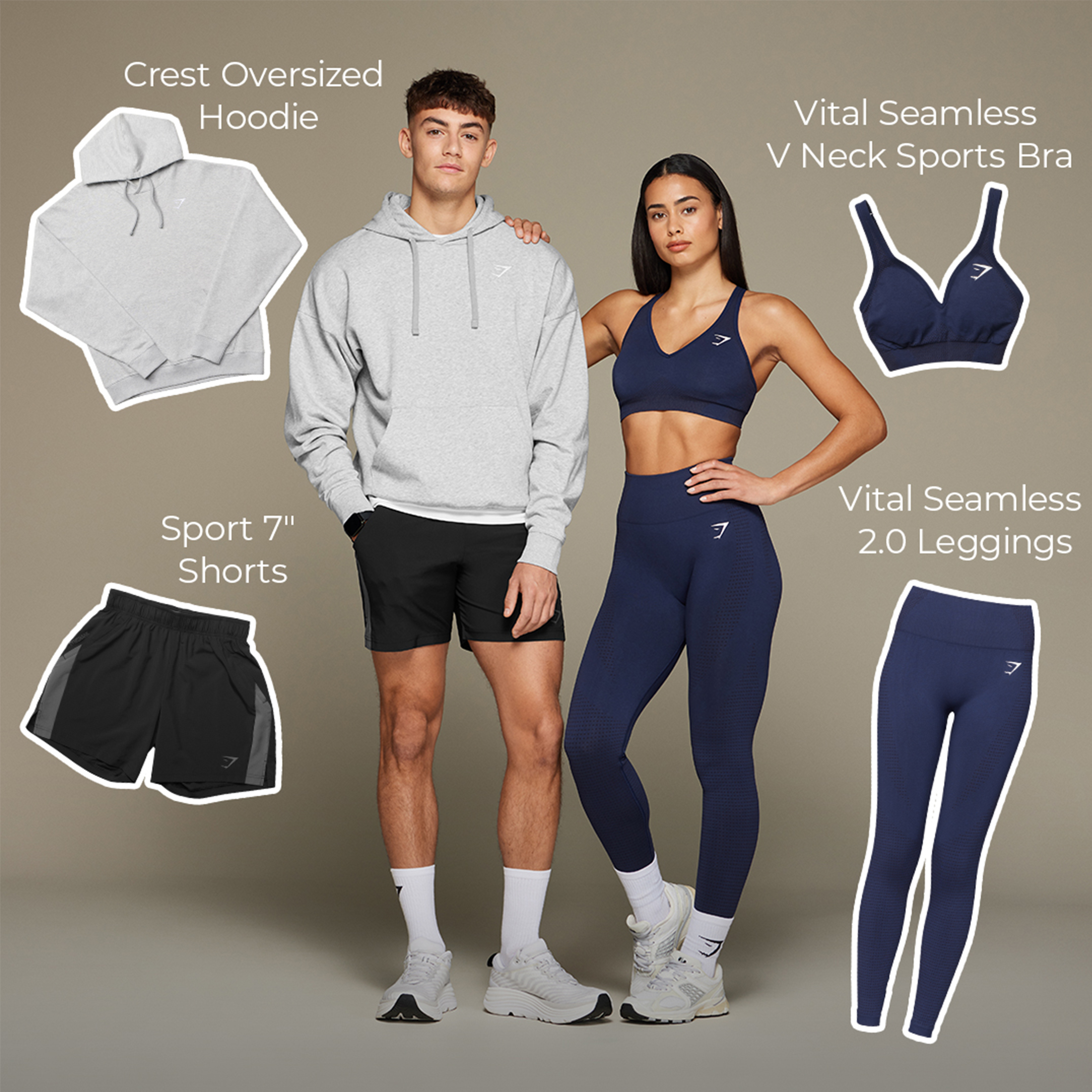
Credit: www.gymshark.com
How Often Should You Change Each Type Of Gym Clothing?
Different pieces of gym clothing need different care. Let’s look at how often to change each item.
Gym Tops And T-shirts
These collect sweat, bacteria, and dead skin cells. They are closest to your armpits and chest, areas where you sweat a lot.
- Change after every workout.
- If you did not sweat much, and the shirt is completely dry and odor-free, you may wear it one more time. But this is rare.
Sports Bras
Sports bras are tight and absorb sweat from the chest and back. They are also hard to wash and dry quickly.
- Always change after each workout.
- Do not re-wear, even if you sweat a little. Bacteria can multiply fast in tight spaces.
Leggings, Shorts, And Pants
Leggings and shorts are close to your skin. They get sweat from your thighs, groin, and buttocks.
- Change after every workout, especially after high-intensity sessions.
- For low-sweat activities, you may wear them twice, but only if they smell and feel fresh.
Underwear
Underwear is non-negotiable. It collects sweat, bacteria, and body oils.
- Always change after every workout.
- Re-wearing underwear can cause infections and bad odor.
Socks
Feet sweat a lot, especially in closed shoes. Socks hold moisture and can lead to athlete’s foot if not changed.
- Change after each workout.
- Never re-wear socks without washing.
Hoodies And Jackets
Outer layers do not touch your skin directly. They usually stay dry unless you sweat a lot or run in the rain.
- Change every 3-5 wears, unless they smell or are visibly dirty.
- In hot weather or after a sweaty session, wash more often.
Headbands, Caps, And Wristbands
These accessories absorb sweat, especially during cardio.
- Wash after every 1-2 workouts.
- If soaked, wash immediately.
Table: Change Frequency For Common Gym Clothing
Here is a quick reference for how often to change each item:
| Clothing Item | Recommended Change Frequency | Special Note |
|---|---|---|
| Tops/T-Shirts | After every workout | Only wear twice if still fresh |
| Sports Bras | After every workout | Never re-wear without washing |
| Leggings/Shorts | After every workout | May wear twice for low-sweat activities |
| Underwear | After every workout | Essential for hygiene |
| Socks | After every workout | Prevents foot infections |
| Hoodies/Jackets | Every 3-5 wears | Wash sooner if sweaty or dirty |
| Headbands/Caps | After 1-2 workouts | Wash if soaked |
The Science Behind Sweat, Odor, And Bacteria
Sweat itself is mostly water and salt, and doesn’t smell. The problem starts when sweat mixes with bacteria on your skin. These bacteria break down sweat into acids, which cause body odor.
Synthetic fabrics, like polyester, can trap these bacteria and make the smell stronger over time. Even after washing, some odors can remain if you don’t clean your clothes properly. Cotton absorbs sweat, but stays wet and grows bacteria faster.
Recent studies show that gym clothes can carry Staphylococcus and fungal spores after just one wear. This is why changing and washing your clothes regularly is so important—not just for comfort, but for your health.
What Happens If You Don’t Change Gym Clothes Often Enough?
Wearing the same gym clothes multiple times can cause more problems than just a bad smell. Here’s what could happen:
1. Increased Risk Of Skin Infections
Bacteria and fungi love warm, moist places. If you keep wearing sweaty clothes, you’re giving them a perfect home. This can lead to:
- Folliculitis (infected hair follicles)
- Ringworm
- Athlete’s foot
- Jock itch
- Intertrigo (rash in body folds)
2. Body Odor That Won’t Go Away
Even after a shower, your body might keep smelling bad if you wear dirty clothes. Odor molecules stick to fabric, and some bacteria are hard to wash out.
3. Acne Breakouts
Sweaty, dirty clothes rub against your skin. This blocks pores, leading to body acne on the back, chest, and thighs.
4. Shorter Lifespan For Clothes
Sweat and body oils damage fabric fibers over time. If you don’t wash your gym clothes often, they lose shape, stretch out, and smell bad—sometimes permanently.
5. Allergic Reactions
Some people develop rashes from the bacteria, detergent leftovers, or mold that grows on damp, unwashed clothes.
How To Properly Care For And Wash Gym Clothes
Changing gym clothes often is just the first step. How you wash and care for them also matters.
Wash Quickly After Use
Don’t let sweaty gym clothes sit in your bag or hamper for days. Wash them as soon as you can. If you must wait, hang them up to dry first to stop bacteria from growing.
Use The Right Detergent
Some detergents are made for sportswear and can remove odors better than normal detergents. Look for products that target bacteria and sweat.
Wash In Cold Water
Hot water can damage synthetic fibers. Use cold water to keep clothes in good shape, unless the care label says otherwise.
Avoid Fabric Softeners
Fabric softeners coat fibers and make it harder for them to wick away sweat. Skip softeners for gym clothes.
Air Dry When Possible
High heat from dryers can break down stretch fibers. Air drying helps your clothes last longer and keeps the shape.
Turn Clothes Inside Out
Most sweat and bacteria are on the inside. Turn clothes inside out before washing for a deeper clean.
Table: Common Gym Clothing Materials And Their Properties
Understanding your gym clothes’ fabric helps you decide how to care for them.
| Material | Pros | Cons |
|---|---|---|
| Polyester | Wicks moisture, dries fast | Holds odor, can trap bacteria |
| Nylon | Light, durable, quick-dry | Holds odor, less breathable than cotton |
| Cotton | Soft, breathable, cheap | Stays wet, holds bacteria longer |
| Spandex/Elastane | Stretchy, flexible | Can hold sweat, needs careful washing |
| Blends | Mix of properties | Varies by blend |

Credit: www.laundrycare.biz
How To Tell If Your Gym Clothes Need Changing
Sometimes it’s obvious when to change your gym clothes. Other times, it’s less clear. Here’s how to know for sure:
- Smell Test: If there’s any odor, change and wash.
- Look for Stains: Sweat marks, especially in the armpits or crotch, mean it’s time to wash.
- Feel the Fabric: If it feels sticky, damp, or rough, it’s dirty.
- Check for Itching: If your skin feels itchy or irritated, change immediately.
- Trust Your Instincts: If in doubt, it’s safer to wash.
Tips To Reduce Laundry Load Without Sacrificing Hygiene
Worried about too much laundry? Here are smart ways to keep clean without washing everything daily:
- Rotate Clothes: Have several sets of gym clothes. Let each set air out fully between uses.
- Shower Before Workouts: Less body oil and bacteria means less smell.
- Use Antimicrobial Sprays: Some sprays kill bacteria and keep clothes fresh for an extra day.
- Spot Wash: For light sweat, wash the armpit or crotch area by hand if you can’t do a full wash.
- Dry Clothes Immediately: Don’t leave sweaty gear balled up in your bag.
- Choose the Right Fabric: Synthetics dry faster and sometimes can be aired out for a second use, but always check for smell and feel.
Gym Bag Hygiene: An Overlooked Detail
Your gym bag can become a breeding ground for bacteria if you put sweaty clothes in it. To keep things clean:
- Use a separate, washable bag for dirty clothes.
- Air out your gym bag weekly.
- Wipe the inside with antibacterial wipes.
- Never leave damp clothes inside for more than a few hours.
Special Situations: When To Change More Often
Some cases require extra care:
- Group Fitness Classes: Close contact means more germs. Always change and wash after.
- Skin Conditions: If you have eczema, acne, or allergies, change and wash after every session.
- Outdoor Workouts: Dirt, pollen, and pollution stick to clothes. Change and wash without delay.
- Public Gyms: Shared equipment spreads more bacteria—wash everything after each visit.
- Traveling: Air out clothes as much as possible. Carry extra sets and quick-dry fabrics.
Table: Workout Intensity And Clothing Change Frequency
Here’s how workout intensity can affect how often to change your gym clothes:
| Workout Type | Intensity Level | Change Frequency |
|---|---|---|
| HIIT/Spinning | Very High | After every workout |
| Running | High | After every workout |
| Weightlifting | Moderate | After every workout (sometimes twice if low sweat) |
| Yoga/Pilates | Low | Every 1-2 workouts |
| Stretching/Meditation | Very Low | Every 2 workouts |
Non-obvious Insights Most People Miss
Changing gym clothes is about more than visible sweat or smell. Here are two things beginners often overlook:
- Invisible Bacteria Build-Up: Even clothes that look and smell clean may have bacteria, especially synthetics. Don’t trust only your nose.
- Detergent Residue: Using too much detergent can leave residue that irritates skin and traps odor. Use the smallest amount needed and rinse well.
Another insight: gym towels should be washed after every use, just like underwear. They pick up bacteria from your skin and gym surfaces.

Credit: www.self.com
How Many Sets Of Gym Clothes Do You Really Need?
For most people, owning 3-5 sets of gym clothes is enough. This lets you rotate, so you always have something clean, even if you don’t do laundry every day. If you work out daily or sweat a lot, you may need more.
Invest in quality fabrics that dry quickly and resist odor. This helps you get more wears between washes, without risking your health.
When To Replace Your Gym Clothes
Even with good care, gym clothes don’t last forever. Signs you need to replace them include:
- Permanent odor that doesn’t wash out
- Fabric losing its stretch or shape
- Visible holes or thinning areas
- Seams coming apart
- Loss of color or stains that won’t go away
Wearing old, damaged gym clothes can lead to more bacteria build-up and discomfort.
The Bottom Line
Changing your gym clothes often is one of the simplest ways to protect your health and stay comfortable. The right frequency depends on sweat, workout type, and fabric, but most items touching your skin should be changed after every workout.
Pay attention to how your clothes look, feel, and smell, and don’t cut corners on hygiene.
Taking good care of your gym clothes also saves you money and keeps your workout routine enjoyable. If you ever have doubts, it’s better to wash than risk skin problems or unwanted odors. For further reading on gym hygiene and clothing care, check out this CDC guide to sports hygiene.
Frequently Asked Questions
How Many Times Can I Wear Gym Clothes Before Washing?
Most gym clothes that touch your skin, like shirts, sports bras, underwear, and socks, should be washed after every workout. Outer layers like hoodies can be worn 3-5 times if not sweaty or dirty.
Is It Okay To Re-wear Gym Clothes If I Didn’t Sweat Much?
For light sweat and low-intensity workouts, you might wear some items twice, but always check for odor and dampness. Never re-wear underwear or socks without washing.
What Happens If I Keep Wearing Dirty Gym Clothes?
You risk skin infections, body odor, acne, and fabric damage. Bacteria and fungi grow quickly in sweaty clothes, even if you don’t smell them right away.
How Do I Prevent My Gym Clothes From Smelling Bad?
Change and wash them often. Use a sports detergent, air dry immediately after use, and never let sweaty clothes stay in your bag for long.
How Many Gym Outfits Do I Need If I Work Out Every Day?
If you work out daily, 5-7 sets of gym clothes is a good number. This gives you a clean outfit for each day and some time for laundry.
Staying on top of your gym clothes hygiene means you’ll feel better, perform better, and avoid uncomfortable problems. With the right habits, keeping your workout gear clean is simple and effective.
