

How Often Should You Buy New Gym Clothes for Peak Performance?
How Often Should You Buy New Gym Clothes
The right gym clothes can change the way you feel during a workout. Good workout gear helps you move better, stay comfortable, and even feel more confident. But many people wonder: How often should you buy new gym clothes? Is it every few months, once a year, or only when something rips? The answer isn’t the same for everyone, and it depends on a few key factors—your workout routine, the quality of your gear, how you care for it, and even your fitness goals.
This guide will help you decide when it’s time to refresh your gym wardrobe. You’ll learn what signs to look for, how to make your gym clothes last longer, and why upgrading at the right time matters more than you think.
Whether you’re a regular at the gym or just starting, making smart choices about your workout gear can help you feel your best and avoid common mistakes. Let’s break down everything you need to know, so you can train with confidence and comfort.
Why Gym Clothes Matter More Than You Think
Some people see gym clothes as just another outfit. But the truth is, good gym clothes are a tool. They wick away sweat, stretch with your body, and prevent chafing and discomfort. This is more than about style—your gear affects your performance and safety. For example, a study from the American Council on Exercise found that the right workout clothing can actually improve athletic performance by helping to regulate body temperature and reduce skin irritation.
Beyond function, gym clothes affect your mood. Wearing fresh, supportive clothing can make you more eager to exercise. On the other hand, old, worn-out clothes can make you feel sluggish or self-conscious. That’s why it’s important to know when to replace your gear.
Main Factors That Affect How Often You Should Replace Gym Clothes
There’s no single rule for everyone, but these main factors will help you decide when to buy new gym clothes:
1. Frequency Of Your Workouts
How often you exercise matters a lot. If you go to the gym daily, your clothes will wear out much faster than if you only work out once a week. For daily gym-goers, sweat, friction, and frequent washing will break down fabrics quickly.
- Daily workouts: Clothes may last only a few months.
- 2-3 times per week: Clothes can last six months to a year.
- Once a week or less: Clothes may last longer, even up to two years.
2. Type Of Exercise
Different workouts place different demands on your clothing.
- High-impact activities (like running, HIIT, CrossFit): These put extra strain on seams and fabric, causing them to wear out faster.
- Low-impact activities (like yoga, Pilates): Clothes last longer because there’s less friction and stretching.
3. Fabric Quality And Construction
Not all gym clothes are made equal. High-quality fabrics such as polyester blends, nylon, and spandex are designed to handle sweat and movement. Cheaper, cotton-based gym clothes tend to wear out faster because they absorb sweat and lose shape.
Look for these signs of quality:
- Reinforced seams
- Moisture-wicking labels
- Four-way stretch materials
Cheap gym clothes might save money at first, but they’ll need replacing more often.
4. How You Wash And Care For Them
Washing plays a big role. Hot water, harsh detergents, and frequent machine drying can break down fibers. If you follow care instructions—like washing in cold water and air drying—your gym clothes will last much longer.
5. Personal Comfort And Hygiene
Even if your clothes look fine, if they start to smell even after washing or feel uncomfortable, it may be time for a change. Bacteria and sweat can get trapped in fabrics over time, which affects both comfort and hygiene.
6. Changes In Your Body Or Fitness Goals
If you lose or gain weight, or change your training style, your current gym clothes might not fit as well or offer the support you need. Ill-fitting clothes can distract you or even cause injury.
7. Fashion And Motivation
Sometimes, new gym clothes can give you a motivation boost. If fresh gear gets you excited to work out, that’s a valid reason to upgrade—just don’t let “fashion” be your only guide.
Credit: www.reddit.com
Signs It’s Time To Buy New Gym Clothes
You don’t need to wait until your shorts are falling apart. Here are clear signs it’s time to replace your gear:
- Worn-out fabric: Thin spots, pilling, or see-through areas.
- Stretched out: Waistbands and cuffs lose their shape.
- Persistent odors: Smells that won’t go away after washing.
- Irritation: Chafing or itching, even when you didn’t have it before.
- Broken seams or holes: Any visible damage.
- Loss of support: Sports bras, compression tights, or tops feel loose.
- Fading colors: Not just about looks—UV damage can weaken fabric.
- Change in fit: Clothes feel uncomfortable or restrict your movement.
If you notice two or more of these signs, it’s time to consider buying new gym clothes.
Typical Lifespan Of Common Gym Clothing Items
Not all gym clothes wear out at the same speed. Here’s a guide for how long you can expect different items to last, depending on use and care:
| Item | Average Lifespan (frequent use) | Average Lifespan (occasional use) |
|---|---|---|
| Sports bras | 6-12 months | 12-18 months |
| Workout tops | 6-12 months | 12-24 months |
| Leggings/shorts | 6-12 months | 12-18 months |
| Socks | 3-6 months | 6-12 months |
| Jackets/hoodies | 12-24 months | 24-36 months |
| Shoes (training/running) | 6-12 months (or 500-800 km) | Varies |
These are only average times. If you notice damage or discomfort before then, replace sooner.
The Impact Of Old Gym Clothes On Performance And Health
Wearing worn-out gym clothes isn’t just about looks. There are real reasons to stay updated:
- Reduced support: Old sports bras and compression gear lose elasticity, leading to less support and higher risk of discomfort or injury.
- Poor moisture management: When wicking fabrics wear out, they trap sweat, increasing the risk of skin rashes or fungal infections.
- Increased odor: Bacteria can build up deep in fibers, causing strong smells even after washing.
- Lower confidence: Feeling self-conscious in old or ill-fitting clothes can hurt motivation and focus.
Ignoring these issues can make your workouts less effective and less enjoyable.
How To Make Your Gym Clothes Last Longer
Buying new gym clothes is necessary, but you can make your current gear last with some smart habits:
1. Wash After Every Use
Sweat, skin oils, and bacteria break down fabric. Wash your gym clothes after each workout, but use a gentle cycle with cold water.
2. Use The Right Detergent
Choose a detergent made for activewear. These are designed to remove sweat and odors without damaging technical fabrics.
3. Avoid Fabric Softeners
Softeners coat fibers and reduce their ability to wick moisture. Skip them to keep your clothes working well.
4. Air Dry When Possible
Heat from dryers can damage stretch fabrics and elastic. Hang-dry your gear to keep it in top shape.
5. Turn Clothes Inside Out
This protects the outside fabric from friction and fading during washing.
6. Store Properly
Keep gym clothes in a dry, ventilated area. Don’t leave sweaty gear in your gym bag for hours—this causes bacteria and odor.
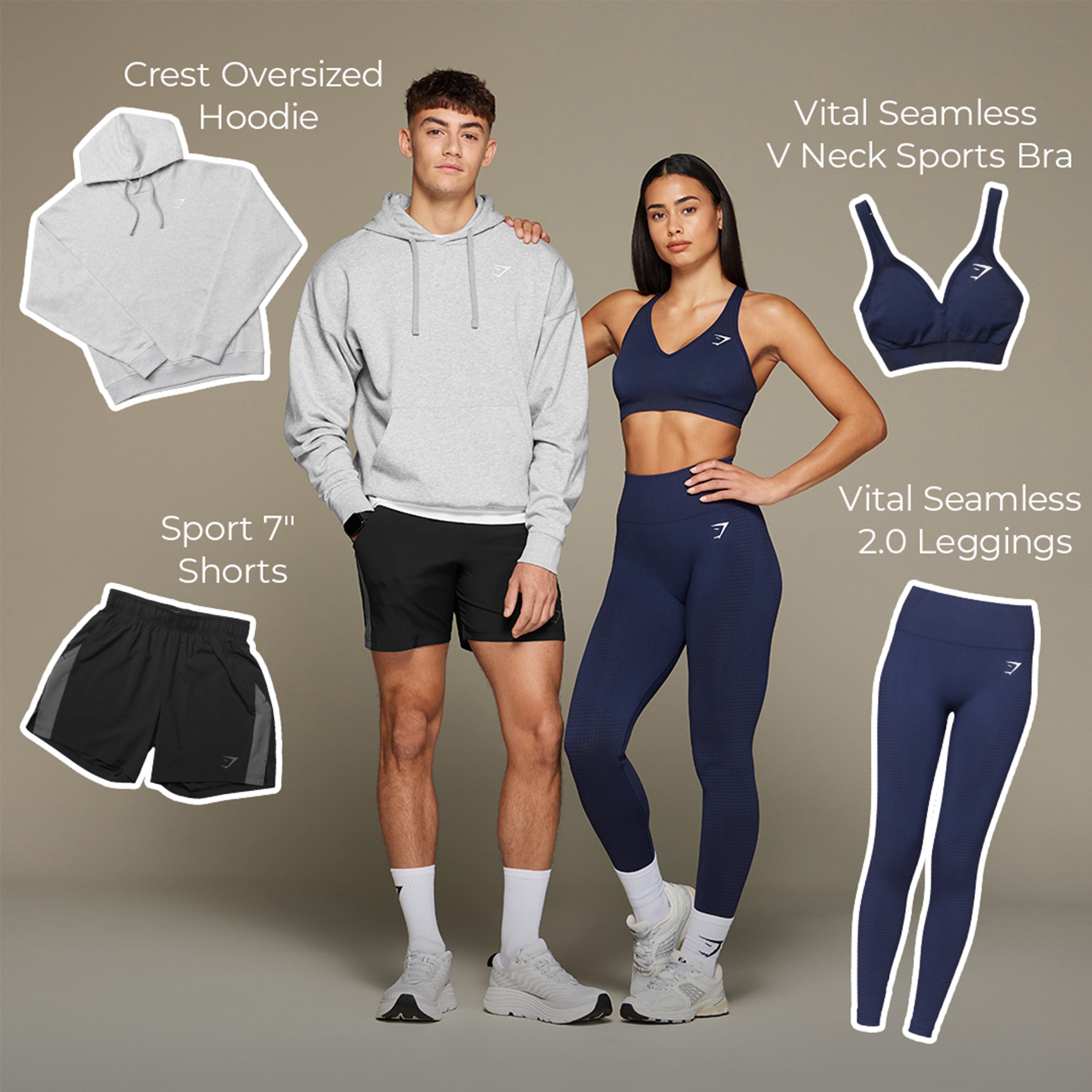
7. Rotate Your Wardrobe
Having several sets of gym clothes and rotating them will reduce wear and tear on each piece. This is especially true for items like sports bras and leggings.
Credit: www.gymshark.com
How Many Sets Of Gym Clothes Do You Actually Need?
The answer depends on your schedule, laundry habits, and personal needs. Here’s a practical breakdown:
| Workouts per Week | Minimum Sets Needed | Suggested Sets for Comfort |
|---|---|---|
| 1-2 | 2 | 3 |
| 3-4 | 3 | 4-5 |
| 5-7 | 5 | 7 |
Having enough sets means you’re never forced to wear dirty or damp clothes. It also makes laundry less stressful.
Smart Ways To Shop For New Gym Clothes
When it’s time to buy new gear, keep these tips in mind:
1. Prioritize Function Over Fashion
Choose clothes that fit well, support your movements, and wick away sweat. Bright colors and patterns are fun, but comfort should come first.
2. Try Before You Buy
If possible, try things on or check return policies. A top that looks good on a hanger might feel too tight or loose during a workout.
3. Check Fabric Labels
Look for blends with polyester, nylon, or spandex for sweat management and stretch. Avoid 100% cotton for intense workouts, as it holds moisture.
4. Invest In Key Pieces
It’s okay to spend a bit more on items like sports bras, leggings, or shoes. These take the most wear and give the most support.
5. Buy During Sales
Many brands offer discounts at the end of seasons or during major holidays. Stock up when prices drop.
6. Read Reviews
See what other buyers say about fit, comfort, and durability. Focus on reviews from people with a similar body type or workout style.
7. Don’t Ignore Local Brands
Sometimes, local or less-famous brands offer great quality at better prices. Give them a chance if they meet your needs.
Common Mistakes When Replacing Gym Clothes
Avoid these errors many people make:
- Waiting too long: Don’t wait for holes or major damage—replace when you notice discomfort or loss of support.
- Buying only for looks: A stylish outfit that doesn’t perform well is a waste of money.
- Ignoring proper fit: Ill-fitting clothes can cause chafing, distraction, or even injury.
- Not checking care instructions: Washing and drying the wrong way can ruin new clothes fast.
- Forgetting shoes: Many focus on tops and pants but ignore shoes, which are crucial for support and injury prevention.
Two non-obvious insights: First, mixing old and new clothes in the same wash can speed up wear on new items, because loose fibers from old gear can stick to and weaken newer fabrics. Second, UV rays from sunlight can break down elastic fibers quickly—so air dry in the shade, not direct sun, to prolong life.
What About Shoes, Socks, And Accessories?
Don’t forget these essentials—each has its own replacement timeline.
Shoes
For runners or those who do high-impact workouts, shoes should be replaced every 500–800 km, or when the soles wear down and you feel less cushioning. Old shoes can cause joint pain and injuries.
Socks
Thin, holey socks can cause blisters and odor. Replace them every 3–6 months if you work out often.
Accessories
- Headbands and hats: When they lose stretch or start to smell.
- Gloves: If you notice holes, tears, or loss of grip.
These small items play a big role in comfort and hygiene.
The Environmental Cost: What To Do With Old Gym Clothes
Many people throw away old gym clothes, which adds to waste. Here are better options:
- Repurpose: Use old t-shirts as cleaning rags or cut-up towels.
- Donate: If clothes are still in good shape, donate to local shelters or charities.
- Recycle: Some brands and stores offer recycling programs for old workout gear.
- Upcycle: Get creative—turn leggings into headbands, or tops into tote bags.
Making responsible choices helps the planet and reduces clutter.
Real-life Examples: When People Replace Their Gym Clothes
Let’s look at two examples:
- Anna, a daily runner: She replaces her sports bras every 6 months, leggings every 9 months, and shoes every 7 months. She keeps 7 sets of workout clothes, so she always has a clean set.
- James, a yoga enthusiast: He does yoga 3 times a week. He replaces his tops and shorts every 18 months, since there’s less wear and tear. He has 4 sets, which fit his schedule and laundry routine.
Both have found what works for their routine and comfort, instead of following a one-size-fits-all rule.

Credit: www.laundrycare.biz
Comparing Gym Clothes Vs. Regular Clothes
You might wonder, can’t I just wear old t-shirts or shorts for workouts? Here’s how gym clothes and regular clothes compare:
| Feature | Gym Clothes | Regular Clothes |
|---|---|---|
| Moisture-wicking | Yes | No |
| Flexible/stretchy | Yes | Limited |
| Support | High (sports bras, compression) | Low |
| Odor control | Better | Poor |
| Durability in workouts | High | Low |
Gym clothes are specially made for workouts. They help you stay cool, dry, and comfortable. Wearing regular clothes may seem okay for light activity, but for serious exercise, they can hold sweat, restrict movement, and wear out quickly.
How To Create A Replacement Schedule That Works For You
A set schedule can make it easier to stay on top of your gym wardrobe. Here’s how to create one:
- Track your workouts: Write down how often you exercise each week.
- List your gear: Count how many sets of each item you have.
- Check condition regularly: Every month, check for signs of wear.
- Set reminders: Use your phone to remind you to replace key items (like sports bras or shoes) every 6–12 months.
- Plan ahead for sales: Note sales periods to buy in bulk or replace gear at a discount.
You’ll avoid surprises and always have comfortable, supportive clothes.
Frequently Asked Questions
How Often Should I Replace My Sports Bras?
Most sports bras need replacing every 6–12 months with frequent use. If you notice less support, stretched straps, or discomfort, replace sooner.
Is It Okay To Wear The Same Gym Clothes More Than Once Without Washing?
It’s best to wash gym clothes after each use to prevent odor, bacteria buildup, and skin irritation. Wearing unwashed gear can lead to breakouts and infections.
What’s The Best Way To Wash Gym Clothes To Make Them Last?
Use cold water, a gentle cycle, and a detergent made for activewear. Skip the fabric softener and air dry whenever possible. Turn clothes inside out to protect the fabric.
Can I Donate Old Gym Clothes?
Yes, if the clothes are still in good condition. Many charities accept gently used workout gear. For worn-out items, look for recycling programs.
Are Expensive Gym Clothes Worth The Investment?
Higher-priced gym clothes often use better materials and construction, which can last longer and perform better. But price isn’t everything—always check reviews and fit before buying. For more on this, see Consumer Reports.
Upgrading your gym clothes at the right time can boost your comfort, performance, and motivation. Pay attention to how your gear looks and feels, follow care instructions, and don’t wait for obvious damage before you refresh your wardrobe. With a smart plan, you’ll always step into the gym feeling your best.
