

How Much is Sports Clothes: A Complete Pricing Guide 2024
How Much Is Sports Clothes
The cost of sports clothes is something people often wonder about, especially when starting a new fitness routine or joining a team. For some, it can feel confusing: Why does a simple pair of shorts sometimes cost more than a regular pair of jeans? Are the most expensive brands really better? And is it possible to get good quality sports clothes without spending too much? This article answers these questions and more. You will learn about price ranges, what affects cost, how to compare value, and tips for saving money. Whether you’re buying clothes for running, football, yoga, or the gym, you’ll finish with a clear understanding of what to expect and how to make smart choices.
What Are Sports Clothes?
Sports clothes are not just T-shirts and shorts you wear to exercise. They include a wide range of clothing made for different activities like running, cycling, swimming, football, basketball, yoga, and more. The materials, design, and features are made to help you move better, sweat less, and stay comfortable during sport or exercise. Common types of sports clothes are:
- Tops: T-shirts, tank tops, compression shirts
- Bottoms: Shorts, leggings, track pants, skirts
- Outerwear: Jackets, hoodies, windbreakers
- Underwear: Sports bras, athletic underwear, compression shorts
- Footwear: Running shoes, cleats, training shoes
- Accessories: Socks, headbands, gloves
The price for each of these items can be very different. It depends on the activity, brand, material, and even the shop where you buy them.
Key Factors That Affect Sports Clothes Prices
When you look at sports clothes in the store or online, you see a big range of prices. Some shirts cost only a few dollars, while others are ten times more. Here are the main things that affect the price:
1. Brand
Brand is one of the biggest reasons for price differences. Global brands like Nike, Adidas, and Under Armour often cost more than smaller or local brands. You pay for the name, but also for quality, innovation, and sometimes style.
2. Material Quality
High-quality materials like moisture-wicking fabric, merino wool, or special blends cost more. These materials are made to keep you dry, cool, and comfortable. Cheap sports clothes use basic cotton or polyester, which may not perform as well.
3. Technology And Features
Some sports clothes use special technology. For example, shirts that control odor, protect from UV rays, or improve blood flow (compression). These features often add to the cost.
4. Design And Fit
Better design means the clothes fit well and let you move easily. Tailored fits, flat seams, and hidden pockets are small details that can increase price.
5. Activity Type
Clothes for high-impact or professional sports (like football, cycling, or triathlon) tend to be more expensive. They need to be tougher and offer more features than basic gym wear.
6. Place Of Purchase
Buying from a flagship store or a well-known online retailer is usually more expensive than buying from discount stores or outlets. However, you may get better after-sales service and support.
7. Country Of Manufacture
Sports clothes made in regions with higher labor costs, like North America or Europe, usually cost more than those made in Asia.
8. Sustainability And Ethics
If a brand uses eco-friendly materials or has ethical labor practices, the price is often higher. Some buyers are willing to pay more for these values.
Non-obvious insight: Sometimes, expensive sports clothes last much longer, making them cheaper per use over time. Also, some lesser-known brands use the same factories as top brands but charge less.
Typical Price Ranges For Common Sports Clothes
Prices for sports clothes can be confusing, so let’s look at typical price ranges for common items. These are average retail prices, but they can go higher or lower.
| Item | Budget Price | Mid-Range Price | Premium Price |
|---|---|---|---|
| Sports T-shirt | $6 - $15 | $16 - $35 | $36 - $80+ |
| Shorts | $8 - $20 | $21 - $45 | $46 - $90+ |
| Leggings | $10 - $25 | $26 - $60 | $61 - $120+ |
| Sports Bra | $12 - $25 | $26 - $50 | $51 - $90+ |
| Running Shoes | $35 - $70 | $71 - $120 | $121 - $250+ |
| Jacket/Hoodie | $15 - $35 | $36 - $90 | $91 - $200+ |
| Socks (pair) | $2 - $6 | $7 - $16 | $17 - $30+ |
These numbers are for adult sizes. Children’s sports clothes are usually a little cheaper, but the price difference is not as large as many people expect.
Non-obvious insight: Some premium sports clothes are “limited edition” and can cost much more, even hundreds of dollars for a single item, especially if linked to a famous athlete.
Price Comparison: Brand Vs. Non-brand Sports Clothes
It’s easy to think only big names make good sportswear, but many non-branded or “store brands” offer good value. Let’s compare:
| Type | Branded Example | Non-Brand Example | Main Difference |
|---|---|---|---|
| Running Shorts | Nike: $40 | Walmart: $12 | Material quality, brand logo, durability |
| Compression Shirt | Under Armour: $35 | Amazon Basics: $14 | Fit, moisture-wicking, logo |
| Sports Bra | Adidas: $50 | Target: $18 | Support level, design, stitching |
| Track Jacket | Puma: $80 | Decathlon: $28 | Finish, durability, style |
Key takeaway: Non-brand sports clothes can be 30–70% cheaper and sometimes last just as long for light to moderate use. For heavy use or competition, branded options may offer better performance.
Sports Clothes For Different Activities
The price also depends on what sport you need clothes for. Here’s how prices vary by activity:
Running
- T-shirts: $10–$60
- Shorts/Leggings: $10–$100
- Shoes: $40–$200
Running clothes are often light, with sweat-wicking materials and reflectors. Shoes are often the biggest cost.
Gym & Fitness
- Tops: $8–$70
- Bottoms: $10–$110
- Shoes: $35–$180
Gym clothes focus on comfort and flexibility. You can find good options at all price levels.
Football/soccer
- Jerseys: $20–$120
- Shorts: $10–$50
- Socks: $5–$20
- Cleats: $30–$250
Top team jerseys with official logos are more expensive. Cleats vary a lot in price based on material and brand.
Yoga & Pilates
- Tops: $10–$60
- Leggings: $15–$120
- Sports Bra: $15–$90
Yoga clothes are soft, flexible, and often have flat seams for comfort.
Swimming
- Swimsuit: $15–$120
- Cap: $5–$30
- Goggles: $8–$60
Competitive swimsuits can be much more expensive than basic ones.
Cycling
- Jersey: $25–$180
- Shorts: $20–$150
- Gloves: $10–$50
Cycling clothes are often more expensive due to padding and technical materials.
Basketball
- Jersey: $20–$110
- Shorts: $10–$60
- Shoes: $35–$250
High-top shoes and branded jerseys can increase the cost.
Non-obvious insight: Some sports, like swimming or cycling, require special clothes that don’t have much use outside the sport, so you may need to budget more for them.
Why Do Some Sports Clothes Cost So Much?
If you ever wondered why a basketball jersey can cost the same as a nice jacket, there are reasons:
- Licensed logos: Official team or event logos add to cost.
- Technology: Features like anti-bacterial fabric, cooling zones, or seamless design.
- Research and testing: Brands spend money on design labs and athlete feedback.
- Limited editions: Some items are sold in small numbers, making them more expensive.
- Marketing costs: Big brands spend a lot on sponsorship and ads.
It’s not always about quality. Sometimes you pay for style or the feeling of belonging to a group or team.
Are Expensive Sports Clothes Worth It?
This depends on your needs. For most people, mid-range sports clothes offer the best value. They last longer than the cheapest options, but you don’t pay for unnecessary features or logos.
When to buy premium:
- You are a serious athlete or compete regularly.
- You have special needs (like compression for injury support).
- You want specific features (UV protection, water resistance).
- You value style and brand.
When to buy budget or non-brand:
- You are just starting.
- You need basic clothes for gym or home workouts.
- You want to save money and don’t need special features.
Non-obvious insight: For team sports, buying “team packs” or bulk sets can save a lot, but quality may be lower.
Sports Clothes For Kids: What To Expect
Parents often ask if kids’ sports clothes are cheaper. The answer is yes, but only by 10–30%. Kids outgrow clothes quickly, so many parents choose budget or mid-range items.
Tips for buying kids’ sports clothes:
- Choose adjustable waists, stretchy materials.
- Look for multi-packs.
- Avoid expensive shoes unless required by a coach.
- Always check for comfort and safety.
Non-obvious insight: Some kids’ sports shoes cost nearly as much as adult shoes, especially for football or running.
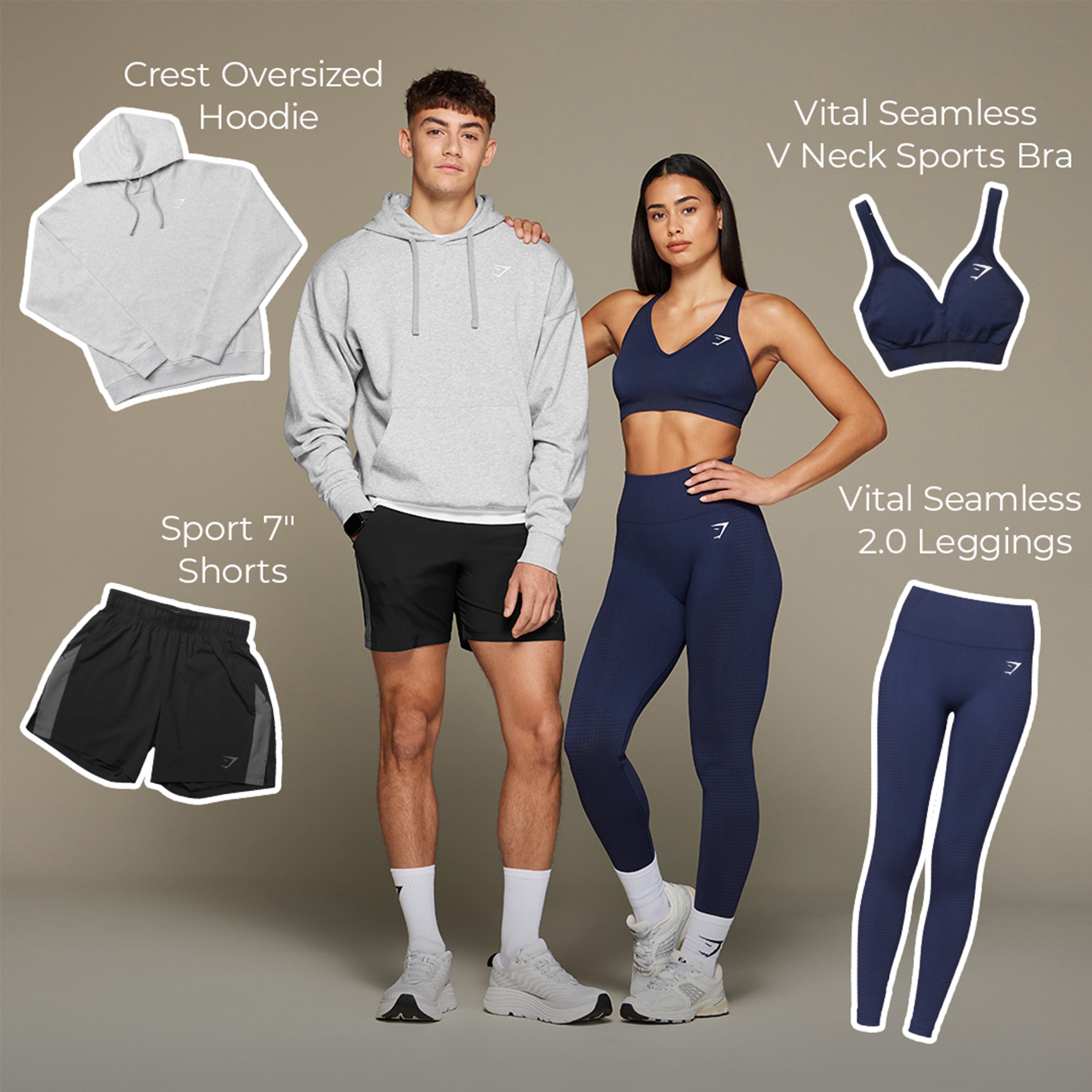
Credit: www.gymshark.com
Where To Buy Sports Clothes
There are many places to buy sports clothes, each with pros and cons:
- Brand stores: Best for new releases and quality, but most expensive.
- Large sports retailers: Wide choice, often run sales.
- Online stores: Easy to compare prices, but watch for fake products.
- Discount outlets: Big savings on last season’s stock.
- Supermarkets: Good for budget basics, but less choice.
- Second-hand shops: Useful for kids’ gear or trying a sport for the first time.
Non-obvious insight: Some online retailers offer free returns, so you can try before you decide.
How To Save Money On Sports Clothes
Looking to spend less? Here are smart ways to save:
- Shop off-season: Buy winter gear in summer and vice versa.
- Wait for sales: Look for end-of-season or holiday discounts.
- Use coupons and loyalty programs: Sign up for deals.
- Buy multipacks: Socks, T-shirts, and underwear are often cheaper in bulk.
- Consider outlet stores: Last season’s clothes are often 40–70% off.
- Buy only what you need: Don’t buy a full wardrobe at once. Start with basics.
- Mix and match: Choose neutral colors you can wear for different sports.
- Care for your clothes: Wash in cold water, avoid dryers, and follow care labels to make clothes last longer.
Non-obvious insight: Some brands offer “repair programs” for small tears or defects, especially for jackets or premium clothes.
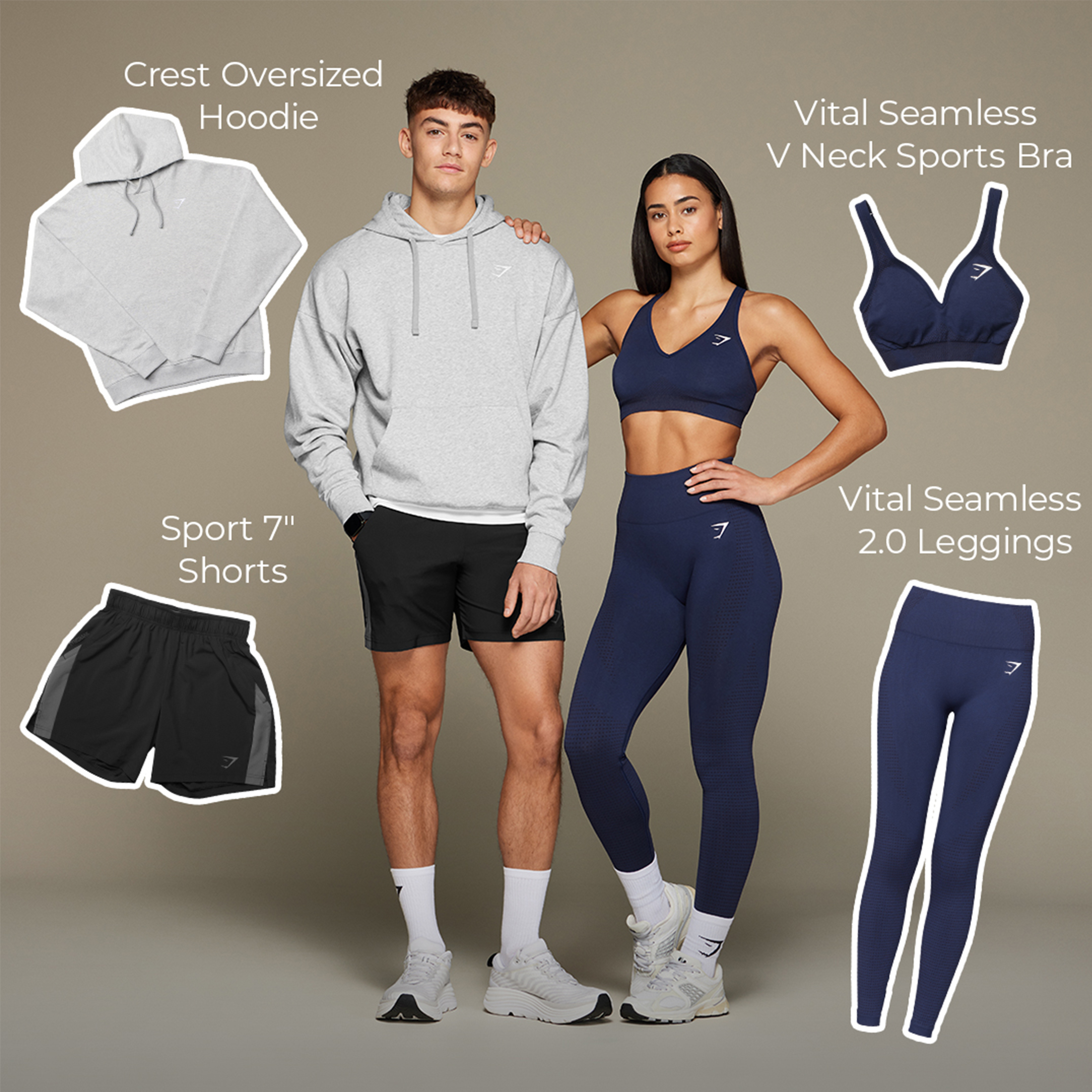
Credit: www.gymshark.com
Common Buying Mistakes
Many people waste money or end up unhappy with their sports clothes. Avoid these mistakes:
- Buying the wrong size (always check sizing charts).
- Choosing style over comfort or function.
- Not checking return policies.
- Buying too many items at once.
- Ignoring care instructions (some sports fabrics need special washing).
- Forgetting about socks and underwear, which can affect comfort a lot.
Understanding Value: Cost Per Wear
A useful way to judge sports clothes is cost per wear. For example, a $50 running shirt that lasts 100 runs costs 50 cents per run. A $10 shirt that falls apart after 10 runs costs $1 per run—twice as much.
Tip: Track how long your favorite sports clothes last. Sometimes, it’s worth paying more for something that will last much longer.
Are Sports Clothes Different From Regular Clothes?
Yes, sports clothes use special materials and construction. They are made to handle sweat, stretch, and movement. Regular clothes may feel heavy or uncomfortable during exercise. Sports clothes can also help prevent injuries by reducing friction and supporting muscles.
Example: Running in jeans is possible, but uncomfortable and may cause chafing. Running shorts and tops wick sweat and let you move freely.
How Sports Clothes Prices Compare Worldwide
Prices for sports clothes are not the same everywhere. In some countries, taxes, import fees, and exchange rates make them more expensive. In others, local brands offer similar quality for less.
Example: A branded sports T-shirt may cost $25 in the US, $30 in Europe, and $15 in parts of Asia for a local brand. Shopping locally can often save money.
If you travel, check local sports shops for deals.
Credit: shop.eskimojoes.com
When To Replace Sports Clothes
Sports clothes don’t last forever. Here’s when to replace them:
- Shoes: Every 300–500 miles of running, or when soles are worn.
- Tops and bottoms: When fabric loses stretch, gets thin, or smells even after washing.
- Bras: When support is reduced or elastic is loose.
- Socks: When holes appear.
Wearing old sports clothes can cause injuries or discomfort.
How To Spot Fake Sports Clothes
Online shopping is great for deals, but there are many fake products. Signs of fakes include:
- Prices that are “too good to be true.”
- Poor stitching and loose threads.
- Logos that are slightly different.
- No care labels or tags.
- Sellers without good reviews.
If you want branded sports clothes, buy from trusted shops.
Sustainable And Eco-friendly Sports Clothes
More brands now make eco-friendly sports clothes using recycled materials or organic cotton. These often cost more, but they help the environment.
Tip: Look for certifications like “Global Organic Textile Standard” or “bluesign approved.” These show the brand follows strict rules.
Some brands also offer take-back or recycling programs for old clothes.
Frequently Asked Questions
How Much Should I Spend On Sports Clothes As A Beginner?
As a beginner, you do not need to buy expensive sports clothes. Start with 2–3 tops, 2 bottoms, 1–2 pairs of socks, and 1 pair of shoes. Budget around $60–$150 in total. Upgrade as you continue and learn what you like.
Is There A Big Difference Between Expensive And Cheap Sports Clothes?
Yes, but not always. Expensive sports clothes often use better materials and last longer. For basic gym or casual use, budget clothes can work well. For serious training or competition, higher-priced options may offer better comfort and performance.
Can I Use Regular Clothes For Sports?
You can, but they may not be as comfortable or safe. Regular clothes do not handle sweat, movement, or friction as well as sports clothes. For best results, at least use sports tops, bottoms, and socks.
How Do I Care For Sports Clothes To Make Them Last Longer?
Wash sports clothes in cold water, avoid fabric softener, and let them air-dry. Do not use high heat, which can damage elastic and technical fabrics. Always follow the care instructions on the label.
Where Can I Find Reliable Information About Sports Clothes?
You can read reviews on fitness forums, check brand websites, or visit trusted sources like Wikipedia for general information on sports clothes.
Buying sports clothes can feel complex at first, but with the right information, you can make smart choices for your activity and budget. Focus on comfort, fit, and your real needs. Remember, you don’t need to spend a lot to start being active and enjoy your sport.
