

How Much is Sports Clothes? A Complete 2024 Price Guide
How Much Is Sports Clothes
Buying sports clothes can feel confusing. Prices seem to change from store to store, and there are so many brands and styles. Some items look almost the same but have very different prices. If you are new to buying activewear, it is easy to wonder, “How much should I pay?” or “What is a fair price for quality sports gear?”
This guide breaks down the real cost of sports clothes. We will look at prices for different items, what makes them expensive, and how to shop smart. You will learn why some shirts cost more than others, how to compare value, and what to avoid.
By the end, you will feel confident about spending your money wisely on sports clothes—whether you are buying for fun, fitness, or serious training.
What Affects The Price Of Sports Clothes?
Many things change the price of sports clothes. Understanding these factors helps you decide if an item is worth the cost.
1. Brand Reputation
Well-known brands like Nike, Adidas, and Under Armour often charge more. You pay for their name, marketing, and sometimes better quality.
2. Material Quality
Sportswear made from special fabrics (like moisture-wicking polyester, merino wool, or technical blends) costs more. These materials keep you dry, stretch well, and last longer.
3. Design And Technology
Some clothes use advanced designs. For example, running tights with compression zones, seamless stitching, or built-in UV protection. These features add to the price.
4. Production Methods
Clothes made with eco-friendly materials or fair labor may cost more. Hand-finished details also push prices up.
5. Retailer Markup
Where you buy matters. Big brands in fancy stores or malls usually charge more. Outlet stores, online shops, or discount retailers may offer better deals.
6. Country Of Manufacture
Items made in countries with higher labor costs (like the USA or Europe) are often more expensive.
Non-obvious insight: Sometimes, expensive clothes are not always more durable or comfortable. Try on or check return policies to make sure the fit and feel are right for you.
Average Price Ranges For Common Sports Clothes
Prices can vary a lot depending on where you shop and the brand. Here is a look at the average price ranges for different sports clothes.
| Item | Low-End | Mid-Range | High-End |
|---|---|---|---|
| Sports T-shirt | $8 - $15 | $20 - $35 | $50 - $80 |
| Running Shorts | $10 - $18 | $25 - $40 | $60 - $100 |
| Leggings/Tights | $12 - $22 | $30 - $60 | $80 - $120 |
| Sports Bra | $10 - $18 | $25 - $45 | $60 - $100 |
| Hoodies/Sweatshirts | $18 - $30 | $40 - $70 | $100 - $200 |
| Jackets (Windbreaker) | $25 - $40 | $60 - $110 | $150 - $300 |
| Socks (pair) | $2 - $5 | $8 - $15 | $20 - $30 |
| Compression Gear | $18 - $28 | $35 - $60 | $80 - $150 |
| Sports Underwear | $8 - $12 | $15 - $30 | $40 - $60 |
Key point: High-end clothes usually have advanced features, but mid-range options often offer the best value for most people.
Sports Clothes For Different Activities
The type of sport you do changes what you need—and how much you should expect to pay. Let’s look at common sports and how their clothing costs compare.
Running
For running, most people buy moisture-wicking shirts, shorts or tights, sports socks, and sometimes a lightweight jacket. Prices for a full set (excluding shoes):
- Basic: $30 – $60
- Mid-range: $80 – $150
- High-end: $200 – $350
Tip: You do not need all high-end gear to run well. Focus on comfort and fit, especially for socks and shirts.
Gym And Fitness
Gym clothes include T-shirts, shorts or leggings, sports bras, and sweat-absorbing socks.
- Basic: $25 – $50
- Mid-range: $70 – $120
- High-end: $180 – $300
Non-obvious insight: Many gym-goers buy branded gear for style, not performance. Cheaper items often work just as well for indoor workouts.
Soccer/football
Soccer players need a jersey, shorts, socks, and sometimes compression wear or thermal layers.
- Basic: $30 – $60
- Mid-range: $90 – $170
- High-end: $220 – $400
Practical tip: Many local teams offer bulk or club discounts on kits. Check with your club before buying.
Basketball
Basketball uniforms require a sleeveless jersey, shorts, and sometimes compression sleeves.
- Basic: $25 – $45
- Mid-range: $60 – $110
- High-end: $160 – $250
Note: Official team gear costs more than plain practice clothes.
Yoga And Pilates
Yoga clothes include stretchy leggings, fitted tops, and sometimes cover-ups.
- Basic: $20 – $40
- Mid-range: $60 – $130
- High-end: $160 – $300
Experience-based tip: Focus on how fabric feels during movement. Soft, flexible materials matter more than fancy logos.
Swimming
Swimwear prices are very different based on material and brand.
- Basic swimsuits: $12 – $25
- Mid-range: $35 – $70
- High-end: $120 – $350
Non-obvious insight: Racing suits for competitive swimmers can cost much more due to special materials.
Comparing Sports Clothes: Brand Vs. Generic
Is it worth paying more for big brands? Let’s compare.
| Feature | Brand Name | Generic/Store Brand |
|---|---|---|
| Price | Higher | Lower |
| Material Quality | Often good | Varies |
| Style & Colors | Trendy, many options | Basic, fewer choices |
| Warranty/Return Policy | Usually strong | Depends on store |
| Performance Features | More advanced | Basic |
Key advice: If you need high performance (for races or competition), brand gear can help. For everyday training, generic brands often give similar comfort at a lower price.
How To Save Money On Sports Clothes
You do not have to spend a fortune to dress well for sports. Try these ways to save:
1. Shop Off-season
Buy winter gear in spring or summer, and summer gear in fall. Stores lower prices to clear old stock.
2. Look For Sales Or Outlet Stores
Outlet malls and online sales can cut prices by 30–70%.
3. Buy Multi-packs
Socks, underwear, or T-shirts are cheaper when you buy packs.
4. Choose Last Season’s Models
New collections push old styles on sale, but the quality is often the same.
5. Check Discount Retailers
Stores like TJ Maxx, Marshalls, and online sites often have brand-name gear at lower prices.
6. Use Loyalty Programs
Many stores give discounts, points, or early sale access to repeat shoppers.
7. Try Secondhand
Apps and thrift shops can have barely-used sports clothes for much less.
8. Prioritize Key Items
Spend more on what matters most (like a good sports bra or running tights) and save on basics.
Non-obvious insight: Sometimes, outlet or discount stores sell special “outlet-only” products made from cheaper materials. Check labels and reviews before buying.
The Real Cost Of High-tech Sports Clothes
Many brands advertise special features—like UV protection, anti-odor tech, or advanced ventilation. Are these worth it?
- Moisture-wicking: Most synthetic fabrics now wick sweat. Even low-cost brands offer this.
- Compression: True medical-grade compression helps with recovery, but most “compression” leggings just fit tight.
- UV protection: Useful for outdoor sports. Look for UPF 30+ if you are outside a lot.
- Anti-odor: Silver or zinc treatments can keep odors away, but the effect may wash out over time.
These features can add $10–$50 per item. Ask yourself if you really need them. For example, if you mostly train indoors, you do not need UV protection. If you run outside daily, it may be worth it.
Tip: Some fancy features are more marketing than real performance. Read reviews and check if people notice a difference.
Cost Breakdown: Building A Sports Clothes Set
How much does it cost to build a complete set for your favorite sport? Here’s an example for a runner and a gym-goer.
| Item | Runner (Mid-Range) | Gym-Goer (Mid-Range) |
|---|---|---|
| T-shirt | $25 | $25 |
| Shorts/Leggings | $35 | $40 |
| Socks (2 pairs) | $20 | $20 |
| Sports Bra (for women) | $35 | $35 |
| Jacket/Hoodie | $60 | $50 |
| Compression Gear | $40 | $0 |
| Total | $215 | $170 |
Real-world advice: Most people do not need to buy everything at once. Start with basics and add more as your needs change.
Children’s Sports Clothes: What To Expect
Kids grow fast, so parents want to balance price and quality.
- T-shirts: $6 – $15
- Shorts: $8 – $20
- Leggings: $10 – $22
- Team Kits: $20 – $60
Children’s clothes are usually cheaper, but need to be replaced more often. Some brands offer “grow with me” features like adjustable waists or longer hems.
Tip: Look for secondhand options, especially for team uniforms or rarely-used gear. Many parents sell barely-worn items online.
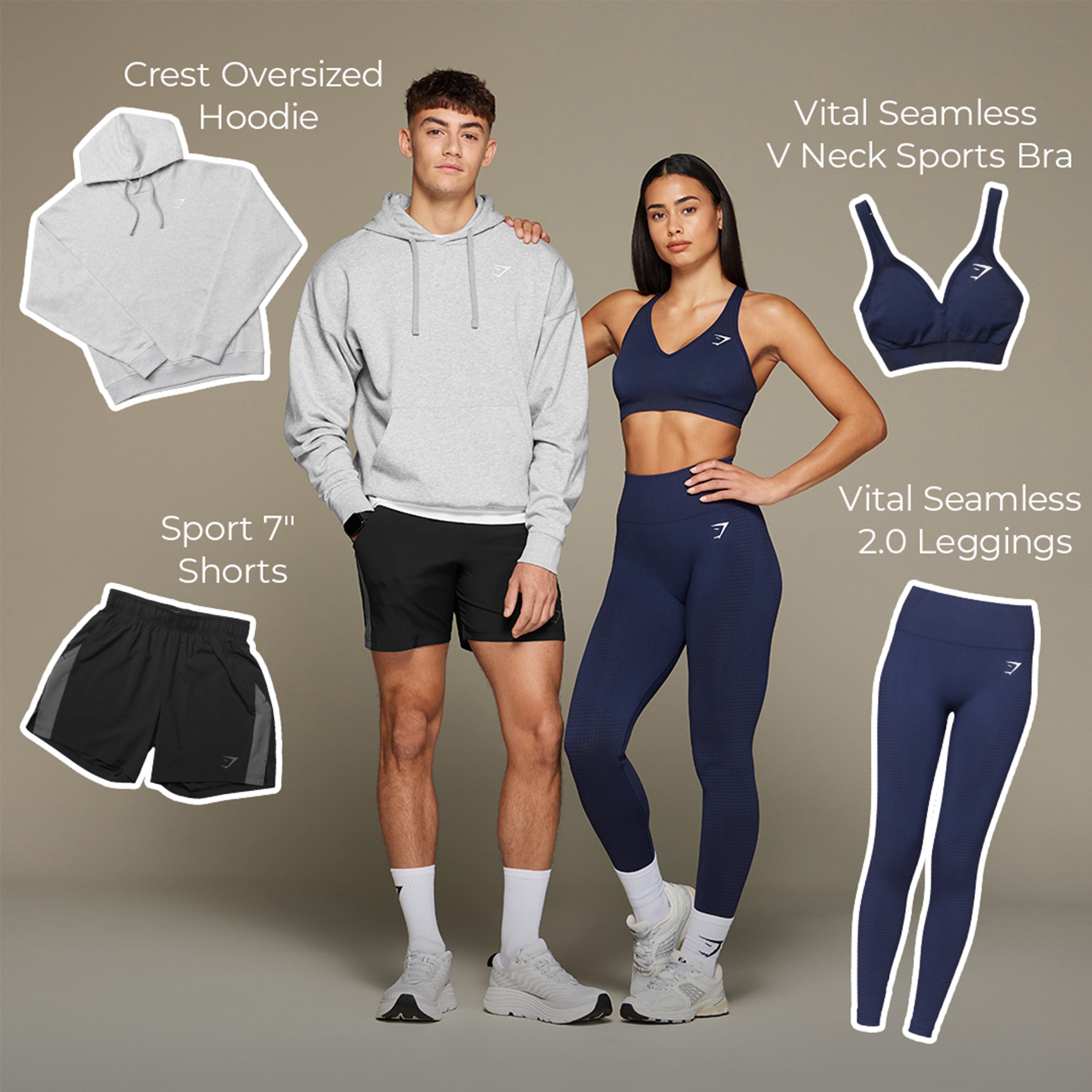
Credit: www.gymshark.com
Sports Clothes For Different Climates
Where you live also affects costs.
- Cold weather: You may need thermal leggings, base layers, gloves, and hats. Each item can add $15–$100.
- Hot weather: Light, breathable fabrics cost more, especially with UV protection.
If you travel for sports, buy clothes that layer easily. This lets you adjust for temperature changes without buying too many items.
Non-obvious insight: High-quality base layers (the first layer against your skin) often last longer than outer layers. Investing here can save money over time.
How To Spot Good Value In Sports Clothes
With so many choices, how do you know what is worth your money? Here are signs of good value:
1. Strong Seams And Stitching
Check inside the item. Clean, even stitches mean it will last longer.
2. Flexible, Soft Material
If it stretches but returns to shape, it will hold up to movement.
3. No Itchy Tags Or Seams
Cheap clothes often have scratchy labels or seams that rub.
4. Washes Well
Read online reviews to see if the item keeps its shape and color after washing.
5. Fits Your Sport
Buy items designed for your main activity. Running clothes are different from yoga or soccer gear.
6. Fair Price For Features
Compare with similar items. If you pay more, what are you getting? More pockets, reflective strips, or better materials?
Tip: Sometimes, mid-range clothes have the best balance of price and quality. Avoid paying for features you do not need.
Common Mistakes When Buying Sports Clothes
Even experienced buyers make these errors:
1. Focusing Only On Looks
Trendy colors do not help if the shirt is uncomfortable or wears out fast.
2. Buying The Wrong Size
Sportswear should fit snug but not tight. Too loose or too tight can cause chafing.
3. Ignoring Care Instructions
Some items need gentle washing or air drying. If you do not follow this, they wear out faster.
4. Not Trying On
Brands size differently. Always try on before buying, or check return policies for online orders.
5. Overpaying For Logos
A big logo does not mean better quality. Focus on materials and fit.
Non-obvious insight: Cheap clothes that wear out quickly can cost more in the long run because you have to replace them often.
The Hidden Costs: Shipping, Taxes, And Customization
When shopping online, remember these extra costs:
- Shipping: Some sites offer free shipping only over a certain amount.
- Taxes: Sales tax can add 5–10% to your total.
- Customization: Adding names or numbers (for team sports) can add $10–$30 per item.
Always check the final price before checking out. A great deal can become expensive with hidden fees.
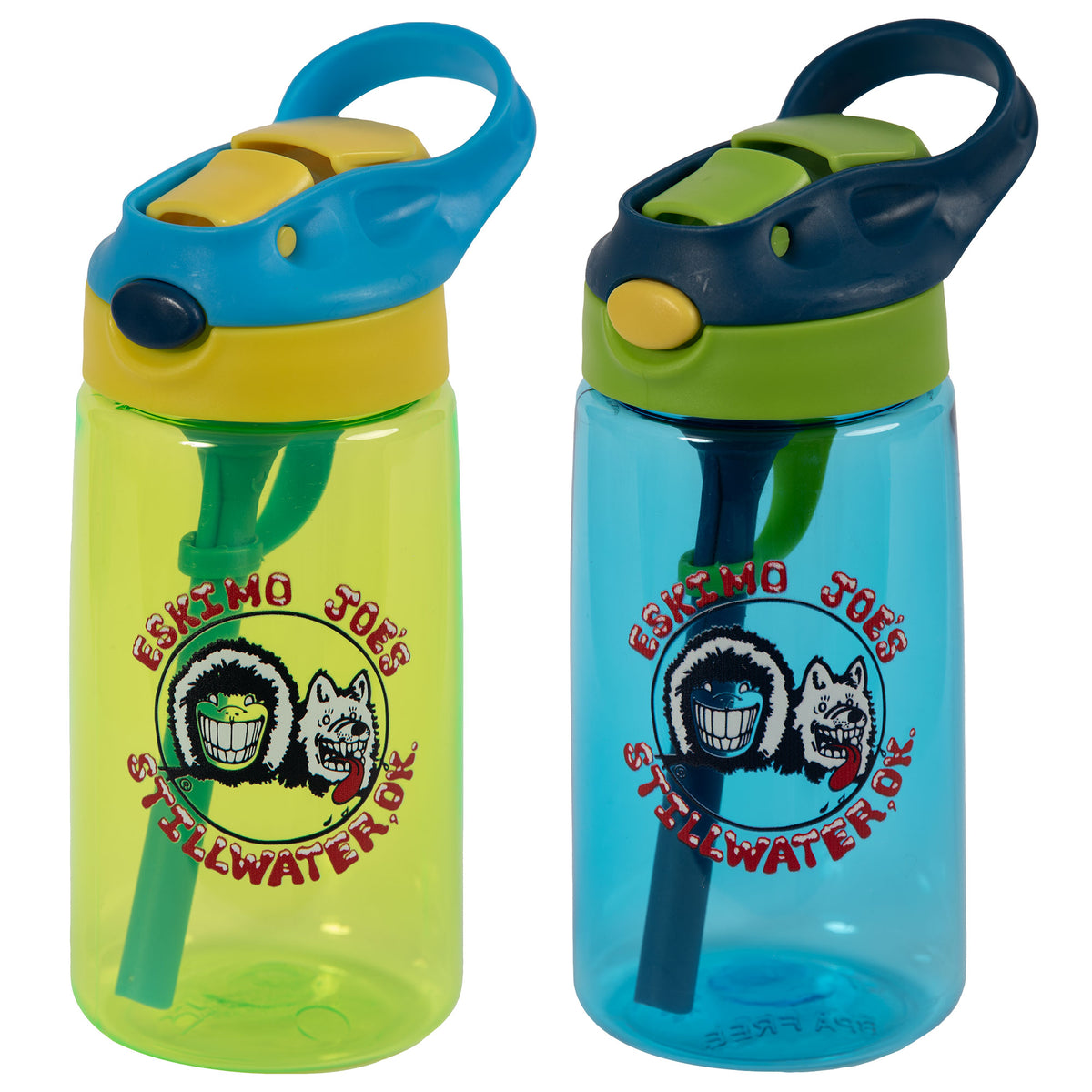
Credit: shop.eskimojoes.com
Sustainable And Eco-friendly Sports Clothes
Many people now choose eco-friendly sports clothes. These use recycled materials, organic cotton, or less water in production.
- Price: Usually 10–30% more than regular clothes.
- Brands: Patagonia, Girlfriend Collective, and others focus on sustainability.
Tip: If you want to help the environment, buy less and choose higher quality. A few well-made items last longer than many cheap ones.
Non-obvious insight: The most eco-friendly option is buying secondhand or swapping with friends. Production of new clothes uses a lot of resources.
For more on sustainable materials, see the Sustainable Fashion page on Wikipedia.
How Often Should You Replace Sports Clothes?
There is no fixed rule, but here are signs it is time to buy new sports clothes:
- Fabric thins or stretches out
- Elastic bands lose stretch
- Odors do not wash out
- Seams or zippers break
- Visible holes or tears
On average, with regular use and proper care:
- T-shirts/Shorts: 1–2 years
- Sports bras/Leggings: 1 year (with heavy use)
- Socks: 6–12 months
- Jackets/Hoodies: 2–3 years
Tip: Rotating between several sets of clothes makes each last longer.
Where To Buy Sports Clothes
You can find sports clothes in many places:
- Brand stores: Best for the latest styles and full sizes.
- Outlet malls: Lower prices, but sometimes older stock.
- Online retailers: Huge selection and easy price comparison.
- Discount stores: Great for basics and last season’s styles.
- Secondhand shops/apps: Good deals if you are patient.
Non-obvious insight: Some brands offer online-only colors or fits. Check their website even if you shop in-store.
Frequently Asked Questions
What Is The Average Price For A Full Sports Outfit?
A complete set (shirt, shorts/leggings, socks, sports bra for women, and a hoodie or jacket) usually costs:
- Basic: $40 – $80
- Mid-range: $100 – $200
- High-end: $250 – $400
It depends on the sport, brand, and where you shop.
Is It Worth Paying More For Brand-name Sports Clothes?
If you want special features, extra comfort, or need gear for competition, brand-name clothes can be worth it. For most people, mid-range or generic gear offers good quality for less money.
How Can I Tell If Sports Clothes Are High Quality?
Check for strong stitching, soft but durable materials, and a good fit. Read reviews and look for clothes that wash well and last. Price alone does not always mean better quality.
How Often Should I Buy New Sports Clothes?
Replace sports clothes when you see wear (like holes, stretched out fabric, or lost support). With normal use, T-shirts and shorts last 1–2 years, while socks and sports bras may need replacing sooner.
What Is The Best Way To Save Money On Sports Clothes?
Shop during sales or off-season, buy multi-packs, and check discount or outlet stores. Secondhand shops and apps can also have good deals, especially for rarely used gear.
Spending on sports clothes can be smart if you shop wisely. By understanding what affects price, knowing how to spot value, and using money-saving tips, you can get the right gear for your needs—without wasting cash. With the right choices, you will look good, feel comfortable, and enjoy your sport even more.
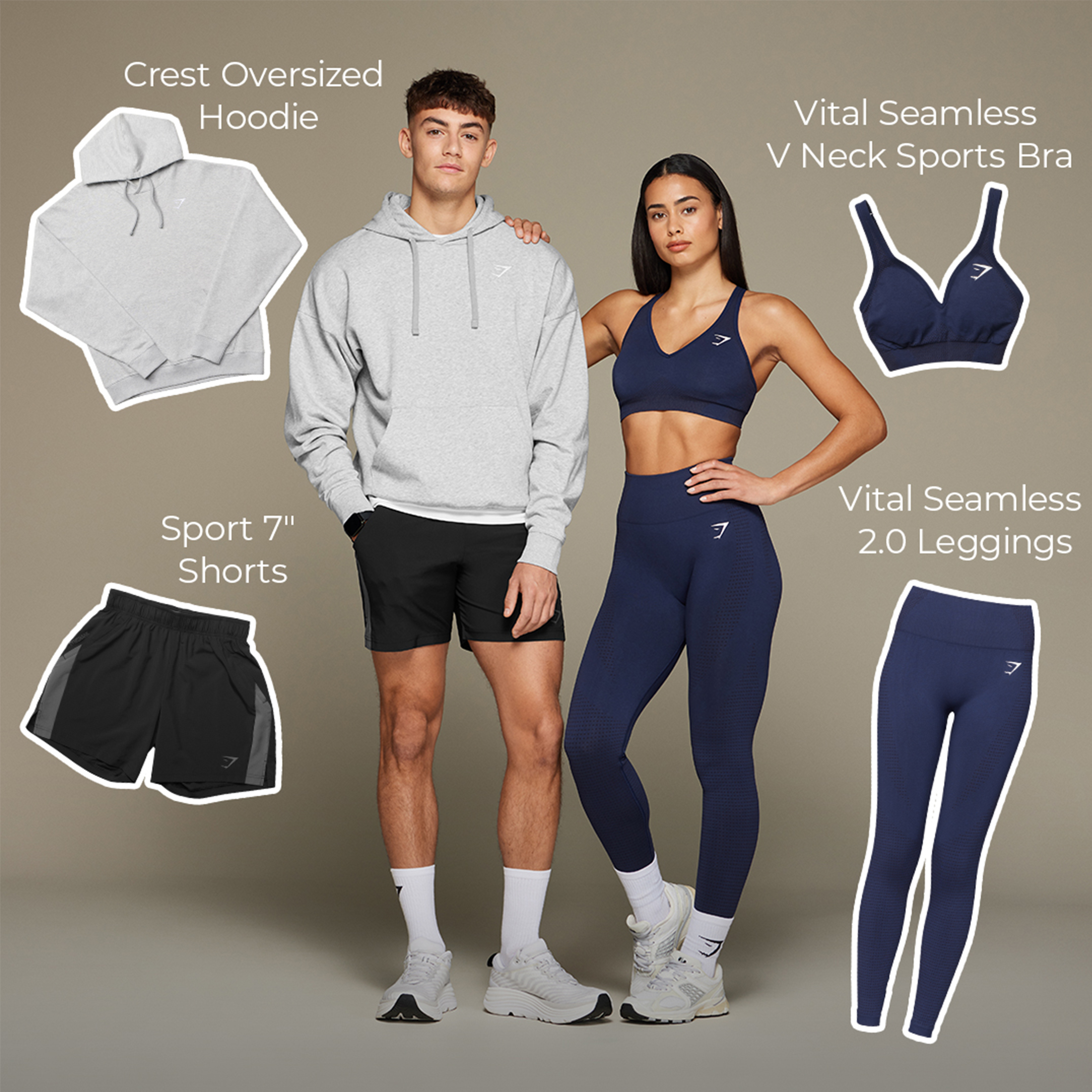
Credit: www.gymshark.com
