

How Much is Large Size T Shirt: Price Guide and Buying Tips
How Much Is Large Size T Shirt
Choosing the right large size T-shirt can be confusing, especially if you want the best value for your money. Prices can change depending on the brand, material, where you buy it, and even the country. Sometimes, a simple T-shirt costs more than you expect. Other times, you find a low price but the quality is poor. So, how much should you actually pay for a large size T-shirt? And what makes the price go up or down?
This article explores everything you need to know about the cost of a large size T-shirt. You’ll learn about price ranges, what affects the price, and how to compare your options. Whether you want a basic T-shirt for everyday wear or a premium branded shirt, you’ll find clear answers here.
Understanding the market will help you make a smart, confident choice.
What Does “large Size T-shirt” Mean?
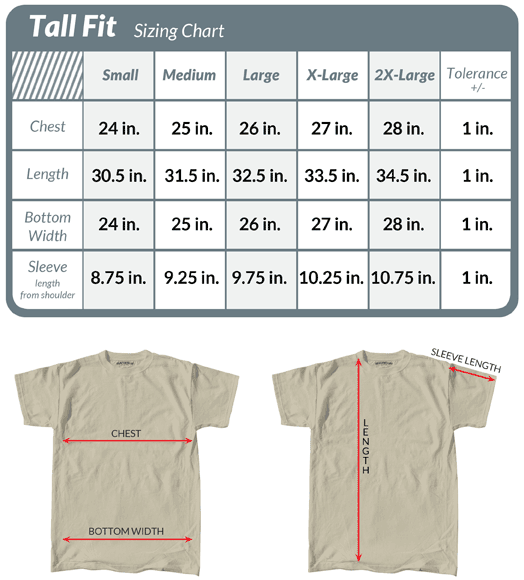
Before talking about price, it’s important to know what “large size” means. Clothing sizes are not always the same in every country or brand.
- Large (L) usually fits people with a chest measurement between 40 and 44 inches (102–112 cm).
- In the US and Europe, “Large” may be a bit bigger than in Asian countries.
- Some brands use their own size charts, so always check the measurements.
If you want a T-shirt that is a bit loose or “oversized,” you might need an XL or XXL instead of an L. Always try to check the actual measurements when shopping online or in stores.
Typical Price Range For Large Size T-shirts
The cost of a large size T-shirt can vary widely. Here’s a look at what you’ll usually find in different markets.
Basic Price Ranges
- Budget/Low-End: $4 to $10 per T-shirt
- Mid-Range: $12 to $30 per T-shirt
- Premium/Designer: $35 to $100 or more per T-shirt
These are average prices for single T-shirts. If you buy in packs or bulk, the price per shirt can be lower.
Example Price Table
Here’s a comparison of sample prices from popular types of sellers:
| Store Type | Example Price (USD) | Quality Level |
|---|---|---|
| Discount Retailer | $6 | Basic |
| Department Store | $18 | Standard |
| Brand Store | $45 | Premium |
| Online Bulk (5-pack) | $25 ($5 each) | Basic |
Why The Price Range Is So Wide
- Material quality: Cotton, polyester, or blends have different prices.
- Brand reputation: Well-known brands charge more.
- Country of origin: Import taxes and labor costs affect price.
- Printing and design: Plain T-shirts are cheaper than graphic or custom designs.
Credit: www.heavytshirt.com
Key Factors Affecting Large Size T-shirt Price
Let’s look deeper at what actually changes the price.
1. Material And Fabric
The type of fabric is one of the biggest price factors.
- 100% Cotton: Feels soft, breathable, but can cost more.
- Polyester Blends: Cheaper and dries fast, but may feel less soft.
- Organic Cotton: Usually costs more due to eco-friendly farming.
- Specialty Fabrics: Bamboo, modal, or performance fabrics can be expensive.
Non-obvious insight: Sometimes, “cotton” T-shirts include only 80–90% cotton mixed with synthetics, but are still labeled as “cotton.” Always check the label for exact content.
2. Brand And Reputation
Big global brands like Nike, Adidas, or Levi’s often charge more for the same basic item. Their name adds value, but you may not always get better quality.
Non-obvious insight: Lesser-known brands sometimes use better materials to attract new customers, offering higher quality for less money.
3. Manufacturing And Labor
Where the T-shirt is made can affect the price.
- Made in USA/EU: Higher labor costs mean higher prices.
- Made in Asia: Lower costs, but sometimes less oversight for quality.
Ethical manufacturing (paying fair wages, good working conditions) often raises prices, but supports better industry standards.
4. Print And Customization
Plain T-shirts cost less. If you add:
- Screen printing
- Embroidery
- Custom text or images
…then the price goes up, sometimes by 30%–100%.
5. Order Quantity
Buying one T-shirt is more expensive than buying a 3-pack or 5-pack. Bulk orders (for events, schools, or companies) can get you big discounts.
6. Retail Markup
The same T-shirt costs less from a direct manufacturer than a fashion boutique. Stores add their own profit margin, sometimes doubling the base price.
7. Country And Local Taxes
Import duties, shipping, and VAT can add 10%–30% more to the price, depending on where you live.
Comparing Large Size T-shirt Prices By Country
Prices for T-shirts can be very different from one country to another. Here’s an example comparison:
| Country | Average Price (USD) | Common Brands |
|---|---|---|
| USA | $10–$35 | Hanes, Gildan, Fruit of the Loom |
| UK | £8–£28 (about $10–$35) | Primark, M&S, Next |
| India | ₹350–₹1200 (about $4–$15) | Jockey, Roadster, Jack & Jones |
| Australia | A$12–A$40 (about $8–$27) | Kmart, Cotton On, Country Road |
| China | ¥30–¥120 (about $4–$16) | Uniqlo, Metersbonwe |
Prices are for regular, large size, short-sleeve T-shirts, not including high-end designer brands.
Where To Buy Large Size T-shirts
You have many options:
- Physical Stores: Department stores, malls, discount retailers. Good for checking size and feel before you buy.
- Brand Stores: Nike, Adidas, Uniqlo, H&M. Often more expensive but reliable quality.
- Online Retailers: Amazon, ASOS, Flipkart, Shein. Huge variety and price range.
- Specialty Stores: Big and tall shops for larger or longer fits.
- Wholesale/Bulk: For events or teams, companies like Alibaba or custom print shops offer bulk pricing.
Pro Tip: Always check return policies when shopping online, since sizing can change by brand.
Price Vs. Quality: How To Judge Value
Paying more does not always mean getting a better T-shirt. Here’s how to judge:
Fabric Weight
Heavier T-shirts (measured in GSM or oz/yd²) last longer and feel thicker. Light T-shirts are cooler but may wear out faster.
- Light: 120–150 GSM (thin, summer use)
- Medium: 150–180 GSM (everyday use)
- Heavy: 180–220+ GSM (durable, premium feel)
Stitching Quality
Check for:
- Even seams
- Double-stitched neck and sleeves
- No loose threads
Better stitching usually means higher price and longer life.
Color And Print Quality
Cheap prints crack or fade after a few washes. Higher-quality T-shirts use better inks and methods.
Brand Trust
Some brands guarantee quality or offer returns if you’re not happy. This can justify a higher price.
Important: Sometimes, the best value is a mid-priced T-shirt from a trusted brand—not the cheapest or the most expensive.
Credit: mellysews.com
Bulk Pricing: How Much Do Large T-shirts Cost In Packs?
If you need several T-shirts, buying in bulk can save a lot.
- 5-pack basic cotton: $22–$30 ($4–$6 each)
- 10-pack polyester blend: $35–$50 ($3.5–$5 each)
- Custom printed (25 pieces): $6–$12 each, depending on design
Bulk prices are best for uniforms, events, or group orders.
Custom Large Size T-shirts: What To Expect
Custom T-shirts (with your logo or design) cost more. Here’s what affects the price:
- Base shirt cost: $4–$10 for a plain large size shirt
- Printing fee: $2–$8 per shirt depending on color and method
- Setup fee: One-time fee for new designs (often $20–$40)
- Order size: Larger orders reduce cost per shirt
Example: Ordering 50 large size T-shirts with a custom print might cost $8–$13 per shirt, but only $6 each if you order 200 pieces.
Specialty Large Size T-shirts: Extra Features
Some large size T-shirts come with special features that raise the price:
- Moisture-wicking fabric: For sports, $20–$40 per shirt
- UV protection: Blocks sun, $18–$35 per shirt
- Antibacterial treatment: $18–$30 per shirt
- Extended sizes (XL, XXL, 3XL): $2–$5 more than standard large
These features can be worth the extra cost if you need them for work, sports, or health reasons.
How To Find The Best Price For Large Size T-shirts
1. Compare Across Platforms
Prices can change a lot between stores. Use price comparison tools or shop during sales.
2. Check For Coupons And Discounts
Many online stores offer first-time buyer codes or seasonal discounts.
3. Buy Out Of Season
T-shirts cost less in cooler months or during clearance sales.
4. Consider Shipping Costs
A cheap shirt can become expensive after adding shipping. Look for free shipping offers or local pickup.
5. Read Reviews
Other buyers’ experiences can reveal if a “cheap” shirt is actually poor quality.
Smart tip: Don’t buy the absolute cheapest T-shirt. Saving $2 is not worth it if the shirt shrinks or fades after one wash.
Common Mistakes When Buying Large Size T-shirts
- Ignoring Size Charts: “Large” can mean different things. Always check the measurements before buying.
- Focusing Only on Price: Very cheap shirts often use poor materials or have bad stitching.
- Not Checking Return Policy: If the shirt doesn’t fit, you may lose your money.
- Assuming All Brands Are Equal: Some unknown brands offer great value, while famous names may charge for the logo.
- Forgetting About Care Instructions: Some shirts require special washing, which can add to the total cost.
How Long Should A Large Size T-shirt Last?
A good quality large T-shirt should last:
- Basic cotton: 6–18 months with weekly wear
- Premium/Heavy fabric: 2–3 years or more
- Cheap/Thin fabric: May fade or stretch after a few months
Washing in cold water, avoiding tumble drying, and not over-bleaching will help your T-shirt last longer.
Real-world Examples: Price Breakdown
Let’s look at three sample cases.
Example 1: Budget Buy
- Store: Walmart
- Product: Basic cotton T-shirt, size L
- Price: $7
- Quality: Medium, plain color, single-stitched seams
- Expected life: 1 year with normal use
Example 2: Premium Brand
- Store: Nike official store
- Product: Large size Dri-FIT T-shirt
- Price: $38
- Quality: Moisture-wicking, double-stitched, brand logo
- Expected life: 2 years with active use
Example 3: Custom Bulk
- Store: Custom print shop
- Product: 30 large size cotton T-shirts with logo
- Price: $330 ($11 each)
- Quality: Thick cotton, high-quality print
- Expected life: 1–2 years with weekly use
These examples show that the price reflects both brand and added features, but you can find good value at every price level.
Large Size T-shirts For Special Needs
Some people need T-shirts for special purposes:
- Sports teams: Need moisture-wicking, custom colors, or numbers.
- Work uniforms: Need durable, easy-to-wash, colorfast fabric.
- Big and tall sizing: Larger, longer shirts cost more but offer better fit.
Prices for these can be $5–$10 higher than regular large size T-shirts due to extra materials and special features.
Online Vs. Offline: Where Is It Cheaper?
- Online stores often have lower prices and more choices, but you can’t check the fit until it arrives.
- Physical stores let you try before you buy, but may have higher prices due to rent and staff costs.
Tip: If you know your size and favorite brand, buying online is usually cheaper, especially during sales.
Sustainability And Ethical Choices
Eco-friendly and ethically made large size T-shirts cost more, usually $20–$45 each. These shirts use:
- Organic cotton
- Recycled materials
- Fair labor practices
If sustainability matters to you, the higher price supports better industry practices. For more on ethical fashion, you can visit Good On You.
Credit: www.goodwear.com
How To Care For Large Size T-shirts
Taking care of your shirts can save money in the long run.
- Wash in cold water: Prevents shrinking and color fading.
- Air dry: Less damage than tumble drying.
- Wash inside out: Protects prints and colors.
- Avoid bleach: Weakens fabric over time.
Good care can double the life of your T-shirts, making even a more expensive shirt better value.
How To Measure Yourself For The Right Fit
A common mistake is choosing “large” just by label. Here’s how to measure:
- Chest: Measure around the widest part of your chest.
- Length: Measure from the top of the shoulder to the bottom of the shirt.
- Shoulder: Measure across the back, from one shoulder to the other.
Compare these numbers with the brand’s size chart before buying.
Extra tip: If you want a relaxed, loose fit, choose one size up.
When Should You Spend More?
Not everyone needs a $50 T-shirt. But sometimes, paying more makes sense:
- For work uniforms, where durability matters
- For sports, where moisture control is important
- For gifts or special events, where you want a premium look
If you only wear a T-shirt at home, a basic $7–$15 shirt is enough. For daily wear outside, spending $20–$35 can be a better investment.
Frequently Asked Questions
How Much Should I Pay For A Large Size T-shirt?
You should expect to pay $8–$35 for a good quality large size T-shirt. Basic shirts can cost less, but may not last as long. Designer or special feature shirts can cost more.
Are Large Size T-shirts More Expensive Than Smaller Sizes?
Usually, large size T-shirts cost the same as medium or small. However, XL, XXL, and higher sizes can cost $2–$5 more due to extra fabric and production costs.
Is It Better To Buy T-shirts In Bulk?
If you need many shirts for a group, buying in bulk can lower the price per shirt by 30%–50%. For personal use, buying packs of 3–5 shirts is also a good way to save.
How Do I Know If A T-shirt Is Good Quality?
Check the fabric weight (higher is better), stitching (double-stitch is stronger), and print quality. Reading reviews or touching the shirt in store helps you spot better quality.
Are Online T-shirt Prices Reliable?
Many online stores offer lower prices because of less overhead, but check for hidden shipping costs and return policies. Always buy from trusted sellers with clear size charts.
Finding the right large size T-shirt is about more than just price. By understanding what affects cost and quality, you can choose the best shirt for your needs and budget. With these tips, you’ll shop smarter and wear your shirts with confidence.
