

How Much is Gym Wear: Price Guide for Every Budget
How Much Is Gym Wear
When you step into a gym, you quickly notice that what people wear can be just as varied as their workouts. Some show up in high-end athletic brands, while others prefer simple, budget-friendly gear. If you’re thinking about starting a fitness journey or just want to upgrade your wardrobe, you might be asking yourself: How much is gym wear? The answer isn’t simple because prices depend on many things—brands, materials, where you shop, and even the type of workout you do.
This guide breaks down everything you need to know about gym wear costs. Whether you want to spend just a little or invest in top-quality gear, you’ll find out what to expect. We’ll cover popular items like tops, leggings, shoes, and accessories, plus offer tips to help you get the most value for your money.
Even if you’re a beginner, you’ll learn about hidden costs, smart shopping, and common mistakes to avoid. Let’s help you build your gym wardrobe with confidence.
What Is Gym Wear And Why Does It Matter?
Gym wear includes clothing and accessories designed for physical activity. These items are made to support comfort, movement, and performance during exercise. Common pieces are t-shirts, tank tops, leggings, shorts, sports bras, socks, and shoes. Accessories like gloves, headbands, and bags are also part of gym wear.
Why does it matter? Good gym wear can prevent injuries, improve comfort, and even boost motivation. For example, a well-fitted sports bra supports you during high-impact moves, while moisture-wicking fabric keeps you dry. The right shoes protect your feet during running or lifting.
So, while style is nice, function is essential.
Main Factors That Affect Gym Wear Prices
Before looking at prices, it’s important to know what changes the cost of gym wear. Here are the biggest factors:
1. Brand Reputation
Well-known brands usually cost more. You pay for quality, technology, and sometimes just the name.
2. Material Quality
Natural fibers (like cotton) and technical fabrics (like polyester blends) can affect price. High-tech materials (moisture-wicking, anti-odor) usually cost more.
3. Design And Features
Special features like pockets, seamless stitching, or compression add to the price.
4. Where You Buy
Retail stores, online shops, and outlets offer different prices. Sometimes, the same product costs more in a high-end sports store than online.
5. Type Of Clothing
Some items, like shoes or sports bras, are naturally more expensive due to their structure and function.
6. Eco-friendly Or Ethical Production
Sustainable brands often charge more for better materials and fair labor.
It’s easy to focus only on the number, but these factors explain why the same-looking t-shirt could be $10 in one shop and $40 in another.
Typical Gym Wear Items And What They Cost
Let’s break down the main pieces of gym wear you might buy. Prices can overlap, but you’ll see clear patterns for each item.
T-shirts And Tops
- Basic cotton t-shirts (no special features): $5–$15
These are simple, comfortable, and easy to find at general stores.
- Technical t-shirts (moisture-wicking, lightweight): $15–$40
Designed for sweat control and comfort during exercise.
- Brand-name or designer tops: $30–$80
Offer better fit, extra features, and stylish designs. Sometimes, you pay for the logo.
Tank Tops
- Basic cotton tanks: $7–$20
Good for hot gyms or summer workouts.
- Performance tanks: $18–$40
Often use stretch fabric, mesh, or special stitching.
- High-end designs: $35–$70
Include unique cuts, luxury materials, or sustainable production.
Sports Bras
- Low-support bras (for yoga, walking): $12–$25
Basic designs, light support.
- Medium-support bras (for cycling, strength training): $20–$40
More structure, adjustable straps.
- High-support bras (for running, HIIT): $35–$70
Often have molded cups, underwire, or extra padding.
- Premium sports bras: $50–$100+
Top brands, advanced fabrics, or custom fit.
Leggings And Tights
- Simple cotton leggings: $10–$20
Comfortable, but may not last with heavy exercise.
- Performance leggings: $25–$60
Moisture-wicking, squat-proof, and durable.
- Compression or high-tech leggings: $50–$120
Offer muscle support, seamless design, and shape retention.
- Luxury/Designer leggings: $80–$200
Known for style, unique prints, or ethical production.
Shorts
- Basic gym shorts: $8–$20
Simple, good for casual workouts.
- Technical shorts: $18–$40
Lightweight, quick-drying, may have liners.
- Premium shorts: $35–$70
Extra features like zip pockets or anti-chafe design.
Joggers And Sweatpants
- Basic sweatpants: $15–$30
Good for warm-ups or cool days.
- Performance joggers: $35–$70
Stretchy, tapered fit, moisture control.
- High-end joggers: $60–$120
Advanced materials, stylish cuts, or brand names.
Gym Shoes
- Entry-level trainers: $30–$60
Good for light gym use or walking.
- Running shoes: $50–$120
Designed for running comfort and support.
- Cross-training shoes: $60–$130
Suitable for varied workouts, more stability.
- Specialty shoes (lifting, HIIT): $90–$180
Built for specific activities, durable.
- Designer or limited-edition shoes: $120–$250+
Unique styles, collaborations, or rare releases.
Socks
- Basic cotton socks (3-pack): $5–$12
- Performance socks (moisture-wicking, padded): $10–$25 per pair
- Compression socks: $15–$40 per pair
Accessories
- Gym gloves: $8–$30
Protect hands during lifting.
- Headbands/hair ties: $3–$15
Keep hair in place, absorb sweat.
- Gym bags: $15–$60
Basic duffels to branded bags.
- Water bottles: $7–$30
Stainless steel or smart bottles cost more.
- Towels: $5–$20
Quick-dry and compact options are pricier.
Below is a comparison of average price ranges for the most common gym wear items:
| Gym Wear Item | Low Price | Mid Price | High Price |
|---|---|---|---|
| T-Shirts/Tops | $5 | $25 | $80 |
| Leggings/Tights | $10 | $45 | $200 |
| Sports Bras | $12 | $40 | $100 |
| Shorts | $8 | $29 | $70 |
| Shoes | $30 | $85 | $250 |
How Much Does A Full Gym Outfit Cost?
It’s helpful to see how prices add up for a full outfit. Here are three examples based on budget, mid-range, and high-end choices.
Budget-friendly Outfit
- T-shirt: $8
- Leggings/Shorts: $12
- Sports bra (if needed): $14
- Socks: $2
- Shoes: $35
Total: $71 (with Sports Bra) Or $57 (without)
Mid-range Outfit
- Technical top: $25
- Performance leggings/shorts: $40
- Sports bra: $35
- Performance socks: $15
- Running shoes: $90
Total: $205
High-end Outfit
- Designer top: $60
- Compression leggings: $110
- Premium sports bra: $80
- Compression socks: $35
- Limited-edition shoes: $180
Total: $465
This shows that a full outfit can be built for almost any budget. Even a simple, low-cost set is enough for most workouts. Remember, you don’t need to buy everything at once. Start with essentials and upgrade over time.
Where To Buy Gym Wear And Price Differences
Big Sports Retailers
Stores like Nike, Adidas, and Under Armour often have the newest products. Prices are usually higher, but you get the latest designs and full size ranges.
Online Marketplaces
Websites like Amazon, Zalando, or ASOS offer a wide selection, including lesser-known brands. Prices range from very low to premium. Be careful with sizing, as returns can be tricky.
Discount Outlets
Outlet stores, both online and physical, sell last season’s items for less. You may find big brands at 30–60% off.
Supermarkets And General Retail
Places like Walmart or Target sell affordable basics. Quality can be lower, but it’s a good starting point.
Specialty Stores
Shops for yoga, running, or lifting focus on gear for specific activities. Prices are often higher due to technical features.
Below is a comparison of typical price differences for the same type of gym item depending on where you buy it:
| Retailer Type | Basic Top | Performance Leggings | Running Shoes |
|---|---|---|---|
| Supermarket/General Retail | $6–$15 | $12–$25 | $30–$50 |
| Big Sports Retailer | $20–$45 | $35–$80 | $70–$140 |
| Online Marketplace | $10–$35 | $18–$65 | $45–$120 |
| Outlet Store | $10–$28 | $20–$55 | $50–$100 |
Is Expensive Gym Wear Worth It?
This is a common question. High-end gym wear often promises better performance, longer life, or special features. But does it matter for everyone?
Benefits of pricier gym wear:
- More durable and keeps shape after many washes.
- Advanced features (breathability, compression, anti-chafe seams).
- Sometimes more stylish or comfortable.
When budget options are fine:
- For beginners or light exercise.
- If you’re still figuring out your preferred workout style.
- When you’re on a tight budget.
Non-obvious insight: Even expensive gym wear can wear out quickly if you don’t follow care instructions. Always read the label—using cold water and air drying can double the life of your gear.
Another tip: Sometimes, mid-range brands offer the best balance between price and quality. You don’t always need the most expensive options to feel comfortable or look good.

Credit: financialmodelslab.com
Gym Wear For Men Vs. Women: Price Differences
Prices can be similar for basic items, but some differences stand out.
- Sports bras are a unique cost for women, often making their total outfit price higher.
- Men’s shorts and t-shirts can sometimes be cheaper, as designs are simpler.
- Women’s leggings often cost more due to materials and style.
A non-obvious insight: Women’s gym wear often comes in more colors and styles, which can tempt you to buy more pieces than needed. Having a basic set in neutral colors can save money.
How Many Sets Of Gym Wear Do You Need?
This depends on how often you work out. Here’s a practical guide:
- 1–2 times per week: 2–3 tops, 2 bottoms, 1–2 sports bras, 2 pairs of socks.
- 3–4 times per week: 4–5 tops, 3–4 bottoms, 2–3 sports bras, 4 pairs of socks.
- Daily workouts: 7–8 tops, 5–6 bottoms, 3–4 sports bras, 7 pairs of socks.
Having enough sets stops you from doing laundry every day. But you don’t need a new outfit for every workout—mix and match pieces to create variety.
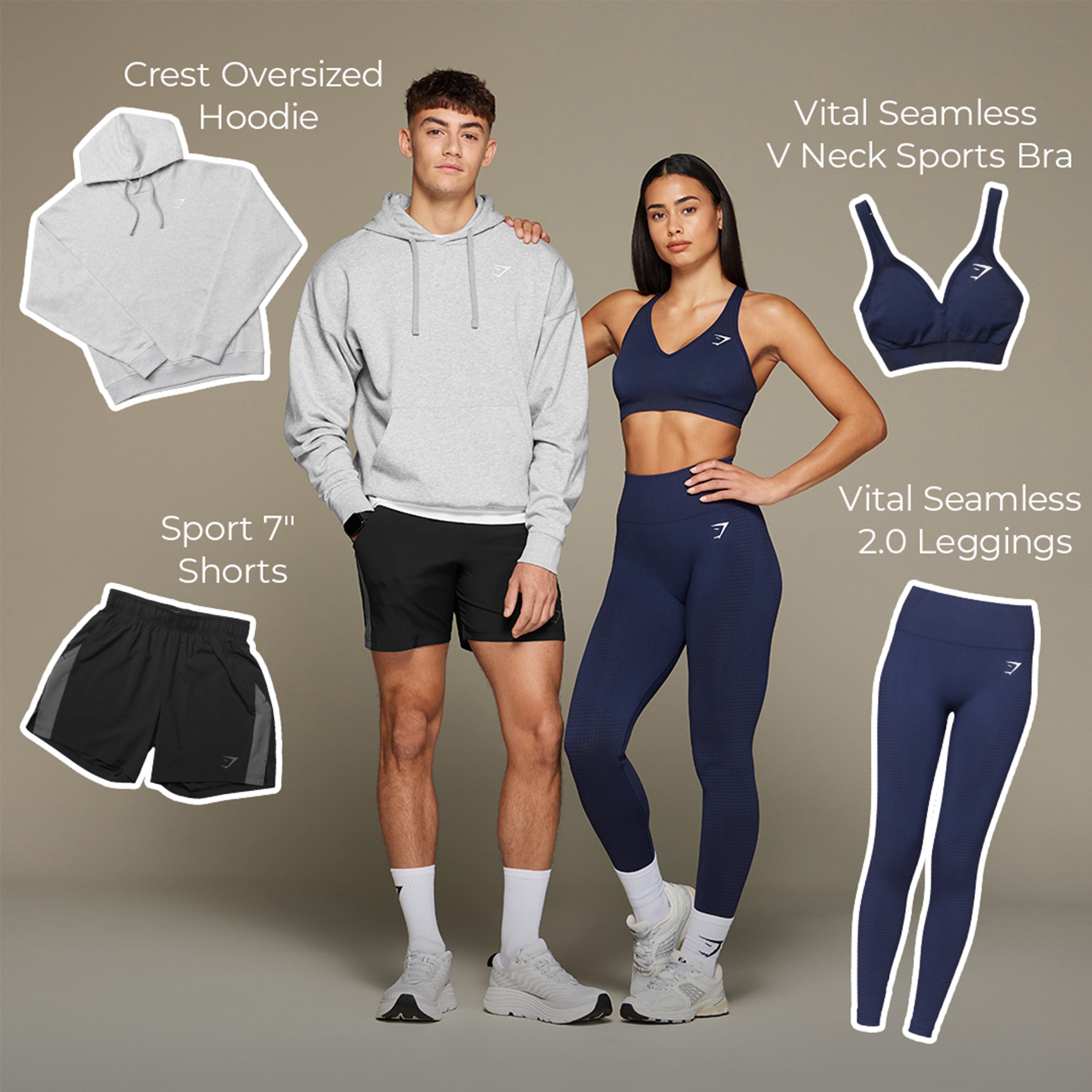
Credit: www.gymshark.com
Hidden Costs Of Gym Wear
Sometimes, the price tag is not the final cost. Here are some hidden expenses people forget:
- Washing and Care: Gym wear needs frequent washing. Using gentle detergent or air drying can cost more time or money.
- Replacing Worn Items: Even the best gym wear eventually wears out, especially socks and sports bras.
- Seasonal Gear: You might need extra items for winter (hoodies, jackets) or summer (sweat-wicking hats).
- Special Purpose Items: Yoga mats, weightlifting belts, or swimwear for cross-training add to total gym wardrobe expenses.
A practical tip: Track when you buy each item. Most gym shoes last about 300–500 miles of use, leggings about a year with weekly wear, and sports bras should be replaced every 6–12 months for best support.
How To Save Money On Gym Wear
You don’t have to spend a fortune to look and feel good at the gym. Here are smart ways to save:
- Buy off-season: Get shorts and tanks in winter, jackets in summer.
- Shop sales and outlets: Wait for holiday sales or check outlet stores.
- Buy multipacks: Socks, basic tops, and hair ties are cheaper in packs.
- Avoid impulse buys: Stick to a shopping list.
- Mix and match: Neutral colors go with everything.
- Check return policies: Especially for online shopping. Make sure you can return items that don’t fit.
- Look for warranty: Some brands offer guarantees on seams or zippers.
A non-obvious tip: Some large athletic brands have recycling programs. You can return old gear for discounts or store credit—saving money and helping the environment.

Credit: financialmodelslab.com
What Really Matters When Choosing Gym Wear
Not all “cool” features are necessary for everyone. Focus on what matters most:
- Fit and comfort: Clothes should not be too tight or loose.
- Breathability: Choose fabrics that let your skin breathe.
- Moisture-wicking: Keeps sweat away from your skin.
- Durability: Seams and fabric should withstand repeated stretching and washing.
- Activity type: Runners need different gear than weightlifters or yogis.
If you’re not sure, try on items and do a few squats or stretches in the changing room. Bad fit or uncomfortable seams will show up quickly.
Common Mistakes When Buying Gym Wear
It’s easy to make errors when shopping for gym wear. Avoid these to save money and frustration:
- Buying only trendy items: Fashion changes quickly. Focus on basics that last.
- Ignoring care instructions: Some fabrics need special washing. Skipping this can ruin your clothes.
- Choosing the wrong size: Sizes vary by brand. Always check the size chart.
- Not considering your workout: Lifting weights and running need different shoe support.
- Overbuying: Start with essentials, then add more as needed.
A non-obvious insight: Many people forget to test new shoes or leggings at home before using them in the gym. Try them around the house first—if they’re uncomfortable, you can usually return them.
How Gym Wear Prices Have Changed
The gym wear market has grown a lot in recent times. More people are active, and brands offer a wider range of products. This means:
- There are more choices at every price point.
- Sustainable and ethical options are more common, but cost more.
- Fast fashion brands sometimes offer cheap gym wear, but the quality can be low.
If you want the best value, research before buying. Read reviews, check material quality, and see if the item fits your routine. You can find reliable information on exercise clothing and industry trends on Wikipedia.
Frequently Asked Questions
How Much Should I Spend On Gym Wear As A Beginner?
Start with a basic set—one or two tops, a pair of leggings or shorts, a sports bra, socks, and basic trainers. This can cost between $60–$120. Upgrade later as you learn what you really need.
Are Expensive Gym Clothes Better For Performance?
Sometimes. Premium gym wear can offer better breathability, fit, and durability. But for most beginners, mid-range options provide enough quality for comfort and safety.
How Often Should I Replace My Gym Wear?
It depends on use. Shoes usually last 300–500 miles. Sports bras and leggings last about 1 year with weekly use. Replace sooner if you notice loss of support, shape, or comfort.
Can I Wear Regular Clothes For The Gym?
You can, but regular clothes may not handle sweat, stretching, or movement as well as gym-specific items. They may wear out faster or cause discomfort. For safety and comfort, gym wear is a better choice.
What’s The Difference Between Gym Wear And Activewear?
Gym wear is designed for exercise and performance, with features like moisture-wicking fabric and secure fits. Activewear includes gym wear but is also used for casual, everyday outfits. Gym wear focuses more on function, activewear on fashion and comfort.
Building a gym wardrobe is a personal journey. Whether you spend a little or a lot, comfort and fit matter most. With a smart approach, you can find gym wear that matches your budget and fitness goals. Remember, the right gear helps you focus on what truly counts—your health and progress.
