

How Much Does It Cost to Outfit a Gym: Complete Price Guide
How Much Does It Cost To Outfit A Gym
Outfitting a gym is a big project. It can also be confusing, especially if you are new to fitness businesses. Many people ask, “How much does it really cost to set up a gym? ” The answer is not simple.
The total cost depends on many choices, like the gym size, the type of equipment, and the quality of materials. Whether you want to build a small personal gym or a large commercial fitness center, smart planning is key. This guide breaks down every cost you should consider—so you can avoid surprises and make the right investment for your fitness dream.
Understanding The Main Cost Factors
Before buying anything, it’s important to know what makes up the total cost. People often focus only on gym equipment prices. But many other expenses add up.
- Space rental or purchase: Where your gym is located matters. City centers are more expensive than suburban or rural areas.
- Renovation and construction: Most spaces need changes before they become a gym. This can include flooring, walls, showers, and more.
- Equipment: From treadmills to dumbbells, this is the most visible cost.
- Fixtures and furniture: Think of lockers, benches, mirrors, and reception desks.
- Technology: Music systems, TVs, entry systems, and software.
- Permits and insurance: Legal requirements can be expensive but are necessary.
- Marketing and branding: Getting people to your gym costs money.
- Staffing: Trainers, cleaners, front desk staff, and managers are an ongoing expense.
- Utilities and maintenance: Water, electricity, and repairs.
Missing any of these can lead to unexpected costs later. Let’s look at each in detail.
Gym Size And Type: The First Decision
The size and style of your gym affect every other cost. Will your gym be a compact personal studio, a mid-size training center, or a large commercial facility? Here’s how these choices impact your budget:
- Home or small private gym: Usually less than 500 square feet. Lower costs, but limited equipment.
- Boutique or group fitness studio: Around 1,000–2,500 square feet. Specialized classes or small group training.
- Standard commercial gym: 3,000–10,000+ square feet. Offers a wide range of equipment and amenities.
Non-obvious insight: It’s not just the size but the style (luxury, budget, specialty) that changes costs. For example, a yoga studio needs less equipment but may invest more in ambiance. On the other hand, a powerlifting gym needs heavy-duty flooring and racks.
Location Costs: Rent, Lease, Or Buy
Where your gym is placed is one of the biggest expenses. Here’s what to expect:
- Renting: Most common for new gym owners. Costs vary from $10 to $50 per square foot per year, depending on the city and neighborhood.
- Leasing: Some landlords offer long-term leases with lower monthly payments but bigger commitments.
- Buying: Purchasing a property is expensive upfront but could save money over the long run.
Don’t forget extra fees like security deposits, property taxes, and building insurance. Urban locations often cost more but attract more members.
Renovation And Construction
Few spaces are ready for gym use right away. Renovation costs include:
- Flooring: Rubber flooring is best for gyms. Costs range from $2 to $8 per square foot. Heavy weight rooms need thicker, more expensive floors.
- Wall treatments and mirrors: Large mirrors cost around $6 to $20 per square foot. Fresh paint and wall protection add up.
- Showers, bathrooms, and lockers: Adding or updating these can range from $15,000 to $75,000 for medium facilities.
- HVAC and ventilation: Good air flow is critical. Upgrading systems can cost $10,000 or more.
- Lighting: Bright, energy-efficient lighting can cost $2,000 to $8,000 for most gyms.
Practical tip: Renovation often costs more than new equipment. Plan for surprises—like old wiring or plumbing problems.
Gym Equipment: The Core Investment
This is the heart of your gym. Costs can vary widely based on quality and quantity. Here’s a breakdown:
Cardio Machines
- Treadmills: $1,500–$8,000 each
- Ellipticals: $1,200–$5,000 each
- Exercise bikes: $800–$4,000 each
- Rowers: $900–$2,500 each
- Stair climbers: $2,000–$7,000 each
Strength Equipment
- Selectorized weight machines: $2,500–$6,500 each
- Free weights: $1.50–$3 per pound
- Dumbbell sets: $1,000–$3,000 for full sets
- Barbells and racks: $1,500–$5,000 for commercial-grade
- Benches: $300–$1,000 each
Functional And Group Training
- Cable machines: $2,000–$6,000 each
- Kettlebells, medicine balls: $500–$2,000 for complete sets
- Resistance bands, mats, and accessories: $500–$1,500
Specialized Equipment
- Pilates reformers: $2,000–$7,000 each
- Smith machines: $2,500–$5,500 each
- Powerlifting racks: $2,000–$6,000 each
Non-obvious insight: Many beginners forget about shipping, assembly, and installation fees. These can add 10–15% to your equipment budget.
Here’s a comparison of basic equipment costs for different gym sizes:
| Gym Size | Basic Equipment Cost | Number of Cardio Machines | Number of Weight Machines |
|---|---|---|---|
| Small Studio | $10,000–$25,000 | 2–4 | 2–5 |
| Mid-size Gym | $50,000–$120,000 | 8–15 | 8–20 |
| Commercial Gym | $150,000–$400,000 | 20–40 | 25–50 |
Fixtures, Furniture, And Amenities
Members notice the little details. Comfortable lockers, benches, water fountains, and changing areas all add value.
- Lockers: $100–$500 each, depending on quality and size
- Benches: $150–$500 each
- Reception desk and waiting area: $2,000–$10,000
- Mirrors: $2,000–$10,000 for most gyms
- Water stations: $500–$3,000
- Showers and bathrooms: See renovation section above
Don’t overlook cleaning equipment and supplies—these are ongoing costs that keep your gym safe and attractive.
Credit: www.exercise.com
Technology And Software
Modern gyms use technology to improve member experience and manage operations. Examples:
- Check-in systems and access control: $1,000–$5,000
- Music and sound systems: $1,000–$6,000
- TVs and monitors: $500–$5,000 depending on number and size
- Member management software: $50–$300 per month
- Security cameras: $1,500–$8,000
Practical tip: Choose software that can grow with your gym. Switching later is expensive and disruptive.
Permits, Licenses, And Insurance
Operating a gym means following many rules. Costs include:
- Business license: $50–$500
- Zoning and use permits: $500–$2,000
- Health and safety inspections: $500–$2,500
- Music licensing (if you play music): $300–$2,000 per year
- Insurance (liability, property, workers’ comp): $4,000–$20,000 per year for most gyms
Costs depend on location, gym size, and services offered. Some areas require extra permits for pools or saunas.
Marketing, Branding, And Launch
Getting members is just as important as having great equipment. Main costs:
- Brand design (logos, signs, website): $2,000–$10,000
- Local advertising: $1,000–$10,000 for initial campaigns
- Online ads and social media: $500–$5,000 per month
- Promotional events and giveaways: $1,000–$5,000
Common mistake: Many new gyms spend too little on marketing and struggle to fill classes. A strong launch plan can make or break your gym’s future.
Staffing Costs
For most commercial gyms, staff are the largest ongoing cost. Typical roles:
- Trainers/Instructors: $2,000–$4,000 per month each (full-time)
- Front desk staff: $1,500–$3,000 per month each
- Cleaning and maintenance: $1,200–$2,000 per month
- Managers: $3,000–$7,000 per month
Total staffing costs for a mid-size gym can range from $10,000 to $30,000 per month. Some gyms start with fewer staff, but member satisfaction can suffer.
Utilities And Maintenance
Gyms use a lot of power and water. Main expenses:
- Electricity: $2,000–$6,000 per month for commercial gyms
- Water: $500–$2,000 per month
- Waste disposal: $300–$1,000 per month
- Cleaning supplies and services: $500–$2,000 per month
- Equipment maintenance contracts: $2,000–$10,000 per year
Non-obvious insight: High humidity and sweat can damage equipment and flooring if maintenance is ignored. Preventive care saves money in the long run.
Hidden And Unexpected Costs
Many beginners are surprised by costs that don’t show up on initial lists. These include:
- Shipping and installation fees: Can add 10–15% to equipment costs
- Storage: Extra space for towels, cleaning supplies, and seasonal equipment
- Legal and consulting fees: Lawyers and business advisors for contracts, leases, and policies
- Member management tools: Mobile apps, booking systems, or website upgrades
- Emergency repairs: Broken HVAC, plumbing leaks, or electrical problems
Practical tip: Set aside at least 10% of your budget for surprises.
Example Budgets For Different Gym Types
Here’s a side-by-side look at what you might spend to outfit different types of gyms:
| Expense Item | Small Personal Gym | Boutique Studio | Commercial Gym |
|---|---|---|---|
| Space (Rent/Buy) | $2,000–$6,000 | $8,000–$20,000 | $25,000–$70,000 |
| Renovation | $5,000–$15,000 | $20,000–$50,000 | $60,000–$200,000 |
| Equipment | $10,000–$25,000 | $50,000–$120,000 | $150,000–$400,000 |
| Furniture & Fixtures | $2,000–$6,000 | $10,000–$25,000 | $30,000–$60,000 |
| Technology | $1,500–$3,000 | $5,000–$12,000 | $15,000–$40,000 |
| Permits & Insurance | $2,000–$5,000 | $7,000–$15,000 | $20,000–$40,000 |
| Marketing | $2,000–$5,000 | $7,000–$15,000 | $15,000–$40,000 |
| Total Estimate | $24,500–$65,000 | $107,000–$257,000 | $315,000–$850,000 |
Remember: These are only starting costs. Ongoing expenses add up every month.
Saving Money Without Cutting Quality
Many owners want to save money, but cutting too much can hurt the gym’s success. Here are smart ways to cut costs:
- Buy used or refurbished equipment: Trusted brands last longer, even if used. Check warranties and service history.
- Lease equipment: Lower upfront costs, but higher long-term payments.
- Negotiate with vendors: Bulk orders may get discounts or free shipping.
- Do-it-yourself renovation: Only if you have experience; mistakes can be expensive.
- Start small and expand: Focus on most-used areas, add more as members grow.
Common mistake: Choosing the cheapest equipment. Low-quality gear breaks quickly and can cause injuries.
Mistakes To Avoid When Outfitting A Gym
Even experienced gym owners make errors. Avoid these common pitfalls:
- Ignoring flow and layout: Crowded spaces are unsafe and uncomfortable.
- No budget for repairs: Equipment always needs fixing.
- Underestimating software costs: Good management tools are worth the price.
- Forgetting about member experience: Clean, welcoming spaces attract and keep members.
- Not planning for growth: Choose systems and spaces that can grow with your gym.
Special Considerations For Home Gyms
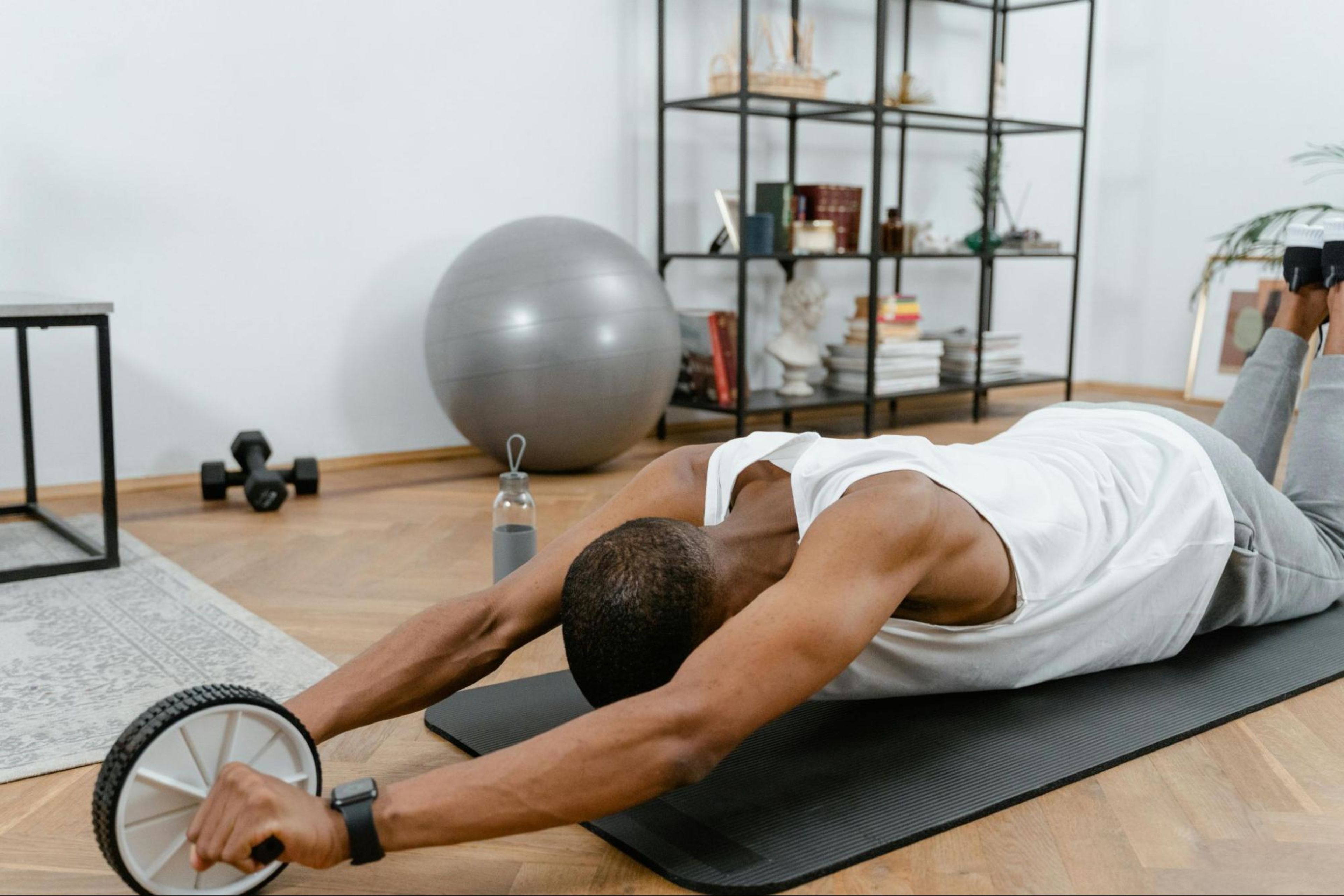
Outfitting a gym at home is different from building a commercial one. Here are unique costs:
- Space preparation: Turning a garage or basement into a gym may need insulation, flooring, and lighting upgrades.
- Noise control: Heavy workouts can disturb other people in the house or neighbors.
- Storage: Space for weights and machines when not in use.
- Delivery and installation: Some equipment is heavy and needs professional help.
Tip: Focus on multi-use equipment, like adjustable benches or power racks with attachments, to save space and money.
Credit: hydrow.com
How To Plan Your Gym Budget
A smart budget keeps your project on track. Follow these steps:
- List every expense: Even small items add up.
- Get quotes from multiple suppliers: Prices can vary a lot.
- Add a 10–20% buffer: For unexpected costs.
- Prioritize spending: Invest more in safety and core equipment.
- Track expenses: Use simple spreadsheets or software.
Example: If your total budget is $200,000, plan $160,000 for known costs and keep $40,000 for surprise repairs, fees, or upgrades.
Real-world Example: Starting A Small Group Training Studio
Let’s say you want to open a 1,500 square foot group training studio. Here’s how your costs might break down:
- Rent: $4,000/month (first and last month + deposit = $12,000)
- Renovation: $25,000 (flooring, paint, mirrors, bathrooms)
- Equipment: $35,000 (rowers, bikes, weights, mats)
- Furniture/Fixtures: $8,000 (lockers, benches, reception)
- Technology: $4,000 (music, check-in system, TV)
- Permits/Insurance: $6,000
- Marketing: $7,000 (launch event, ads, website)
- Legal/Consulting: $3,000
- Unexpected: $10,000
Total needed before opening: $110,000
Ongoing costs (monthly): $4,000 (rent) + $3,000 (staff) + $1,000 (utilities) + $500 (cleaning/maintenance) + $500 (marketing) = $9,000
This shows why careful planning is essential. Many new gyms run out of money before they build a member base.
Financing Options
If you don’t have all the money upfront, consider:
- Bank loans: Require a business plan and good credit.
- Equipment leasing: Lower upfront costs, but higher over time.
- Investors or partners: Share profits in exchange for startup money.
- Crowdfunding: For unique concepts or community gyms.
Tip: Always include loan payments in your budget.
How To Decide What’s Worth The Money
Some costs bring more value than others. Spend more on:
- Safety: Quality flooring, racks, and emergency exits are non-negotiable.
- Core equipment: Machines that members use every day.
- Cleanliness: Good cleaning systems prevent illness and build trust.
- Member experience: Friendly staff, easy check-in, and working machines keep people coming back.
Spend less on:
- Luxury extras: Saunas, fancy lighting, or expensive decor—unless your market demands it.
- Unused machines: Focus on popular items first.
When Will You Break Even?
Most gyms take 6 to 24 months to become profitable. The exact time depends on:
- Startup costs
- Monthly expenses
- Membership growth rate
- Pricing strategy
Non-obvious insight: It’s easier to control costs than to guarantee a rush of new members. Conservative planning reduces risk.
For more on gym business trends and strategies, visit the American Council on Exercise.
Frequently Asked Questions
How Much Does It Cost To Start A Basic Home Gym?
A basic home gym can cost between $2,000 and $10,000. This includes essentials like a power rack, adjustable bench, barbell, weight plates, and some cardio equipment. The total depends on the quality and number of machines.
What Is The Most Expensive Part Of Setting Up A Commercial Gym?
The equipment and renovation are usually the most expensive parts. High-end machines and building changes can take up more than half your budget, especially for larger gyms.
Can I Buy Used Gym Equipment To Save Money?
Yes, used or refurbished equipment can cut costs by 30–50%. Make sure to buy from trusted sources. Always check for safety, warranty, and service options before buying.
What Ongoing Costs Should I Expect After Opening?
After opening, expect costs for staff salaries, utilities, cleaning, repairs, marketing, insurance, and software. These can total $10,000 to $30,000 per month for a mid-size gym.
How Can I Avoid Common Mistakes When Outfitting A Gym?
Plan your layout carefully, invest in quality core equipment, budget for repairs, and don’t forget about marketing. Ask experienced gym owners for advice, and keep a buffer for surprise expenses.
Outfitting a gym is a big investment, but with the right plan, your gym can become a successful business and a place people love to visit. Take time to research, plan, and always focus on the member experience for the best results.

Credit: hevycoach.com
