

How Much Does Gym Clothes Cost? A Complete Price Breakdown
How Much Does Gym Clothes Cost
Choosing the right gym clothes is about more than just style. The cost of gym clothes can vary greatly, and understanding what affects these prices helps you make smart choices. Many people wonder if they really need expensive gear or if cheaper options work just as well.
The truth is, gym clothes come in a wide range of prices, and several factors can impact what you pay.
This guide will walk you through everything you need to know about gym clothes cost. You will see how much you can expect to spend on different items, why prices can be so different, and how to make the best choices for your budget. Whether you are a beginner or an experienced athlete, this article will give you clear and practical advice. By the end, you will understand what really matters when buying gym clothes, where to save, and where to invest.
What Counts As Gym Clothes?
Before looking at prices, it is important to understand what is included in the term “gym clothes. ” This helps you plan your budget and avoid surprises.
Gym clothes usually include:
- T-shirts or tank tops (for upper body coverage)
- Sports bras (for support during activity)
- Shorts, leggings, or joggers (for lower body comfort)
- Socks (often overlooked, but important)
- Shoes (running, cross-training, or specialty types)
- Jackets or hoodies (for warmth before or after workouts)
- Compression wear (for muscle support)
- Underwear (moisture-wicking or seamless types)
- Accessories (headbands, gloves, wristbands, etc.)
Each of these items comes in different styles and materials, and their prices can vary.
Main Factors That Affect Gym Clothes Cost
Several things can change how much you pay for gym clothes. Here are the most important ones:
- Brand: Well-known brands charge more because of their reputation, advertising, and often, better quality.
- Material: Clothes made with high-tech fabrics, like moisture-wicking or odor-resistant materials, usually cost more.
- Function: Specialized items, such as compression leggings or sports bras with extra support, are more expensive.
- Design: Unique styles, limited editions, or collaborations with athletes can drive up prices.
- Retailer: Buying from a big sports store, a boutique, or online can change prices due to discounts, sales, or markups.
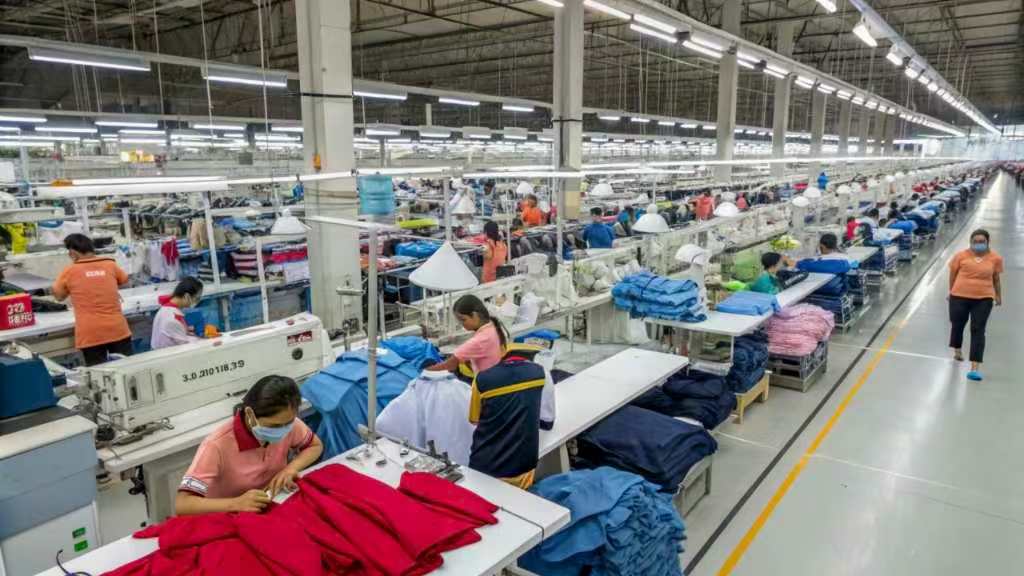
- Country of Manufacture: Items made in countries with strict labor laws or higher wages may cost more.
- Sustainability: Eco-friendly or recycled materials often add to the price.
- Size and Fit: Plus-size or custom-fit options can sometimes cost more because they require more material and design effort.
Understanding these factors helps you see why prices can be high in one store and low in another—even for similar-looking items.

Credit: www.reddit.com
Price Ranges For Common Gym Clothes
Let’s break down the usual price range for each gym clothing item. These ranges are based on common brands and where most people shop.
T-shirts And Tank Tops
You can find basic gym t-shirts or tank tops for as little as $5–$10 at discount stores or during sales. Mid-range options, with better materials and more comfortable fits, usually cost between $15–$35. High-end or designer brands can charge $40–$80 or more for a single top, especially if it has special features or unique branding.
Sports Bras
Sports bras are critical for comfort and support, so price often matches quality. Basic sports bras start at around $10–$20. Most active women choose mid-range bras costing $25–$60 for better support and moisture control. Premium options from top brands, or bras with extra features (like adjustable straps or underwire), can reach $70–$100.
Shorts, Leggings, And Joggers
Lower body wear has a wide price range. Basic gym shorts can cost $10–$20. Simple leggings start at about $15–$30, with mid-range options around $40–$70. High-performance leggings, with compression or fancy designs, often cost $80–$120. Joggers and sweatpants are similar, with prices ranging from $20–$80.
Socks
Though often ignored, good gym socks matter. Low-cost options are $2–$5 per pair. Socks with features like arch support or moisture-wicking fabric can cost $8–$20 per pair. Specialized socks for running or weightlifting may cost even more.
Shoes
Gym shoes are usually the most expensive item. Basic trainers can start at $40–$60. Popular mid-range brands cost $70–$120. High-performance shoes, especially for running, weightlifting, or specialty sports, can range from $130–$200 or more.
Jackets And Hoodies
If you need a layer for before or after your workout, expect to pay $25–$60 for a simple hoodie or jacket. Technical fabrics, waterproofing, or well-known brands can push prices to $80–$150.
Compression Wear
Compression shirts, leggings, or sleeves are designed to support muscles. Basic pieces start at $20–$30, with better quality options around $40–$90. Top brands or medically graded compression wear can cost over $100.
Underwear
Moisture-wicking or seamless underwear is more comfortable for workouts. Prices run from $8–$15 for basics, to $20–$40 for premium options.
Accessories
Small items like headbands, gloves, or wristbands range from $5–$20 each. High-end gloves or specialized accessories (like weightlifting belts) can cost $25–$60.
Here’s a quick price comparison for the most common gym clothing items:
| Item | Budget Range | Mid-Range | High-End |
|---|---|---|---|
| T-Shirts/Tanks | $5–$10 | $15–$35 | $40–$80 |
| Sports Bras | $10–$20 | $25–$60 | $70–$100 |
| Shorts | $10–$20 | $25–$40 | $50–$80 |
| Leggings | $15–$30 | $40–$70 | $80–$120 |
| Socks (per pair) | $2–$5 | $8–$12 | $15–$20 |
| Shoes | $40–$60 | $70–$120 | $130–$200+ |
| Jackets/Hoodies | $25–$40 | $50–$80 | $100–$150 |
| Compression Wear | $20–$30 | $40–$90 | $100+ |
| Underwear | $8–$15 | $18–$25 | $30–$40 |
| Accessories | $5–$10 | $12–$20 | $25–$60 |
Budgeting For A Basic Gym Wardrobe
If you want to start going to the gym, you might wonder, “How much do I need to spend just to get started?” The answer depends on your needs, but here is a simple example of a basic gym wardrobe:
- 2–3 t-shirts or tank tops
- 2 pairs of shorts or leggings
- 2 sports bras (if needed)
- 2–3 pairs of socks
- 1 pair of gym shoes
- 1 hoodie or jacket
- 2 pairs of underwear
- 1–2 accessories (optional)
Assuming you choose mostly budget or mid-range options, your total cost might look like this:
| Item | Quantity | Estimated Price (each) | Total Cost |
|---|---|---|---|
| T-Shirts/Tanks | 3 | $15 | $45 |
| Shorts/Leggings | 2 | $25 | $50 |
| Sports Bras | 2 | $25 | $50 |
| Socks | 3 | $8 | $24 |
| Shoes | 1 | $70 | $70 |
| Hoodie/Jacket | 1 | $40 | $40 |
| Underwear | 2 | $12 | $24 |
| Accessories | 2 | $8 | $16 |
| Total | $319 |
So, with about $300–$350, you can get a full set of gym clothes that will last for several months. If you choose only budget items, you can start with as little as $120–$150.
Why Do Prices Vary So Much?
You may see two shirts that look almost the same but cost very different amounts. Here are some reasons why:
- Materials: High-tech fabrics cost more to produce. Features like moisture-wicking, anti-odor, or stretch panels raise the price.
- Branding and Sponsorships: Some brands invest heavily in marketing, endorsements, and special collections.
- Retail Markup: Physical stores often charge more because of rent, staff, and other costs.
- Production Volume: Large brands can make thousands of items at once, lowering the cost. Small brands have higher costs per item.
- Design Complexity: Unique patterns, stitching, or features add to production cost.
A non-obvious insight: Sometimes, mid-range brands use the same factories as high-end brands. That means you can get similar quality for less—if you know where to look.
Are Expensive Gym Clothes Worth It?
People often ask if it is worth buying expensive gym clothes. The answer depends on your priorities.
Benefits of premium gym clothes:
- Better comfort and fit (less chafing, more stretch)
- Long-lasting materials (won’t fade or tear easily)
- Extra features (pockets, ventilation, reflective stripes)
- Often better looking
But, for many people, mid-range options offer the best value. You get good quality and comfort without paying for branding or minor design tweaks.
Cheap gym clothes can work for beginners or light exercise, but may wear out faster, hold sweat, or fit poorly. You may end up replacing them more often, so the savings are less than they seem.
Where To Buy Gym Clothes
The place you shop also affects cost and selection. Here are the main options:
- Big sports retailers: Wide selection, frequent sales, but sometimes higher prices.
- Online stores: Easy to compare prices and find deals, but you cannot try items on before buying.
- Brand outlets: Good for discounts on last season’s items, but styles and sizes may be limited.
- Discount stores: Lowest prices, but quality and selection are hit-or-miss.
- Secondhand shops: Great for saving money and finding unique items. Be careful with shoes and socks—buy new for hygiene.
A practical tip: Sign up for brand emails or loyalty programs. You often get discounts or early notice of sales.
How Often Should You Replace Gym Clothes?
Gym clothes wear out with use and washing. Here’s a guide to when to replace each type:
- T-shirts/tank tops: Every 12–18 months, or when fabric thins or smells remain after washing.
- Sports bras: Every 6–12 months, as elastic stretches and support drops.
- Leggings/shorts: Every 1–2 years, or when they lose shape or get holes.
- Socks: Every 6–12 months, or when they lose cushion or develop holes.
- Shoes: Every 6–12 months, or after about 300–500 miles of use.
Washing in cold water and air drying extends the life of your gym clothes.

Credit: www.reddit.com
How To Save Money On Gym Clothes
You do not have to spend a fortune to look and feel good at the gym. Here are some ways to save:
- Buy during sales: Black Friday, end-of-season, and clearance events offer big discounts.
- Shop off-brand: Lesser-known brands often use good materials and cost less.
- Buy in bulk: Packs of socks, shirts, or underwear are usually cheaper.
- Choose basic colors: Bright or unique colors often cost more.
- Take care of your clothes: Follow washing instructions to avoid shrinking or fading.
A non-obvious insight: Some brands offer lifetime guarantees, even on gym clothes. This means you can replace items for free if they wear out. Always check the return and warranty policy.
What Matters Most When Choosing Gym Clothes
It is easy to get distracted by style or brand. Focus on these things first:
- Fit: Clothes should move with you, not restrict or slip.
- Material: Look for moisture-wicking, stretch, and breathability.
- Support: Sports bras and shoes must match your activity.
- Durability: Reinforced seams and quality fabrics last longer.
Remember, comfort and function matter more than the logo or color.
Gym Clothes Costs For Men Vs. Women
There can be a price difference between men’s and women’s gym clothes, often called the “pink tax. ” Women’s items, especially sports bras and leggings, sometimes cost more for similar quality.
Men’s gym clothes tend to be simpler (t-shirts, shorts), while women’s lines have more styles and features. This adds to both cost and choice.
A quick comparison:
- Men’s gym t-shirts: $10–$50
- Women’s gym t-shirts: $12–$60
- Men’s shorts: $15–$60
- Women’s leggings: $25–$120
- Sports bras: $20–$100 (no direct men’s equivalent)
- Shoes (both): $40–$200+
This shows women may pay more for some items, especially for high-quality support. It is wise to compare prices and not assume higher cost always means better.
Specialty Gym Clothes And Their Costs
Some activities need special clothes, which can cost more:
- Yoga pants: $40–$120 for high-quality stretch and comfort
- Compression tights: $30–$120 for muscle support
- Running gear: Reflective shirts, lightweight shorts, technical jackets ($30–$150)
- Weightlifting gear: Grippy gloves, thick belts, reinforced shoes ($20–$120)
- Swimwear: Chlorine-resistant suits ($20–$80)
If you are just starting out, regular gym clothes are fine. Only invest in specialty gear once you know you need it.
Credit: modaknits.com
Common Mistakes When Buying Gym Clothes
Many beginners waste money or end up unhappy with their gym wardrobe. Avoid these common mistakes:
- Buying only based on style: Looks are important, but comfort and function matter more.
- Ignoring material: Cotton absorbs sweat and can feel heavy. Choose moisture-wicking fabrics.
- Wearing old shoes: Running or training in worn-out shoes can cause injuries.
- Buying too much at once: Start small and add pieces as you learn what you need.
- Not checking the return policy: Some brands do not accept returns on underwear or final sale items.
A smart approach is to try on clothes in the store, move around, and check for tight spots or chafing. If shopping online, read reviews about fit and comfort.
Are Designer Gym Clothes Worth The Hype?
Designer brands often charge double or triple the price for gym clothes. What do you get for the extra money?
- Unique designs and patterns
- Limited edition collections
- Sometimes, higher-quality materials
- Better “status” or recognition
But, the performance is often similar to mid-range brands. Unless you care about fashion or want to show off a label, you can save money with less expensive options.
For many people, a mix of budget, mid-range, and one or two “splurge” items is the best approach.
The True Cost Of Gym Clothes Over Time
Let’s look at how much an average person spends on gym clothes each year.
- Buying a full wardrobe at the start: $200–$350
- Replacing worn-out socks, bras, shirts, or shoes: $100–$200 per year
For serious athletes, costs can be higher because clothes wear out faster or they need more specialized items.
Over five years, a typical gym-goer might spend $700–$1,000 on clothes and shoes. Taking care of your clothes, buying smart, and not chasing trends will keep costs low.
How To Tell If Gym Clothes Are Overpriced
Not sure if a shirt or pair of leggings is worth it? Ask yourself:
- Is the material truly better, or just branded?
- Does it have features you need (pockets, ventilation)?
- Are there similar items for less from other brands?
- What do reviews say about durability?
A good rule: If the main difference is the logo, you are paying for the brand, not the quality.
Caring For Gym Clothes To Make Them Last
How you wash and dry your gym clothes affects how long they last. Here are some easy tips:
- Wash in cold water to protect the fabric
- Use gentle detergent (no bleach or fabric softener)
- Turn clothes inside out to prevent fading
- Air dry whenever possible to avoid shrinking
- Do not overload the washer—clothes need space to rinse clean
Taking care of your clothes means buying new ones less often, which saves money over time.
Gym Clothes And Sustainability
Many brands now offer eco-friendly gym clothes made from recycled materials or organic cotton. These can cost more, but are better for the planet.
Sustainable gym clothes often last longer because they use strong, high-quality materials. If you care about the environment, look for brands that share their sourcing and production process. You can learn more about sustainable gym wear from resources like this ethical activewear guide.
Frequently Asked Questions
What Is The Cheapest Way To Buy Gym Clothes?
The cheapest way is to shop at discount stores, buy during sales, or look for off-brand items online. Secondhand shops can also have good deals, but always buy new socks and shoes for hygiene.
How Many Gym Outfits Do I Really Need?
For most people, 2–3 tops, 2 bottoms, 2–3 pairs of socks, 2 sports bras (if needed), and 1 pair of shoes is enough. Wash them regularly and add more as needed.
Is It Okay To Wear Regular Clothes For The Gym?
You can wear basic t-shirts or shorts, but gym clothes are designed to handle sweat and movement better. Regular cotton can get heavy and uncomfortable during exercise.
Are Expensive Gym Shoes Really Better?
Expensive shoes often have better support, cushioning, and durability. If you exercise often or do high-impact sports, investing in good shoes can prevent injuries.
How Can I Make My Gym Clothes Last Longer?
Wash in cold water, air dry, avoid fabric softener, and follow care instructions. Store them in a dry place and do not leave them in your gym bag for long.
When you understand what affects gym clothes cost, you can build a wardrobe that fits your budget and supports your fitness goals. Smart choices mean you get the best value and feel comfortable every time you work out.
