

How Much Does a Gym Shirt Weigh? Unveiling the Facts
How Much Does A Gym Shirt Weigh
Have you ever picked up a gym shirt and wondered, “How much does this actually weigh? ” It’s a simple question, but the answer is more interesting than you might expect. Understanding the weight of a gym shirt is not just about curiosity—there are real reasons why it matters.
Maybe you travel a lot and want to keep your luggage light. Maybe you’re an athlete looking for the best performance gear. Or perhaps you’re just trying to figure out if your washing machine can handle your week’s gym wear.
The truth is, the weight of a gym shirt can affect comfort, performance, and even how you plan your workouts and laundry.
This article will explain everything you need to know about gym shirt weight. We’ll cover the different factors that affect it, compare popular materials, look at real-world examples, and even discuss how the weight impacts your workout. By the end, you’ll have a clear, practical understanding of what makes gym shirts light or heavy, and why it matters for your everyday life.
What Is The Average Weight Of A Gym Shirt?
Most gym shirts weigh between 90 grams and 200 grams (about 3 to 7 ounces). The weight can change a lot based on the material, size, and style. For example, a lightweight polyester shirt in size small will weigh much less than a thick cotton shirt in size XXL.
To give you a quick idea:
- Lightweight gym shirts: 90–120 grams (3–4.2 ounces)
- Standard gym shirts: 120–160 grams (4.2–5.6 ounces)
- Heavyweight gym shirts: 160–200 grams (5.6–7 ounces)
These are just averages. Some special shirts, like those with compression fabric or extra features, can weigh more. The lightest shirts are usually made for running or high-intensity sports where less weight means more comfort.
Key Factors That Affect Gym Shirt Weight
The weight of a gym shirt is not random. Many things play a role. Let’s break down the key factors:
1. Material Type
The type of fabric is the biggest factor. Here are the main materials:
- Cotton: Feels soft but is usually heavier. Absorbs sweat, which can make it even heavier during a workout.
- Polyester: Very common for gym wear. Lightweight, dries fast, and holds shape well.
- Nylon: Similar to polyester but a bit smoother and sometimes lighter.
- Blends: Mixes like cotton-polyester try to get the best of both worlds. Weight depends on the blend ratio.
- Spandex/Elastane: Added for stretch. Usually only 5–10% of the fabric, but can slightly increase the weight.
2. Fabric Thickness (gsm)
GSM stands for grams per square meter. The higher the GSM, the heavier and thicker the fabric. Most gym shirts are between 120–180 GSM.
- 120–140 GSM: Very light, good for hot weather.
- 140–160 GSM: Medium weight, good for most workouts.
- 160–180 GSM: Thicker, better for cool climates or modesty.
3. Shirt Size
A small shirt obviously uses less fabric than an XXL. This difference can be 30–60 grams or more, just based on size.
4. Shirt Style And Features
- Sleeve length: Long sleeves add weight compared to sleeveless or short sleeve.
- Mesh panels: Add breathability but may reduce weight.
- Pockets or zippers: Small details like a zip pocket or reflective strips can add a few extra grams.
- Printing and branding: Large logos or heavy screen-prints can make a shirt heavier.
5. Moisture Absorption
Some fabrics get much heavier when wet. For example, cotton absorbs sweat and can feel much heavier after a workout, sometimes up to twice its dry weight.
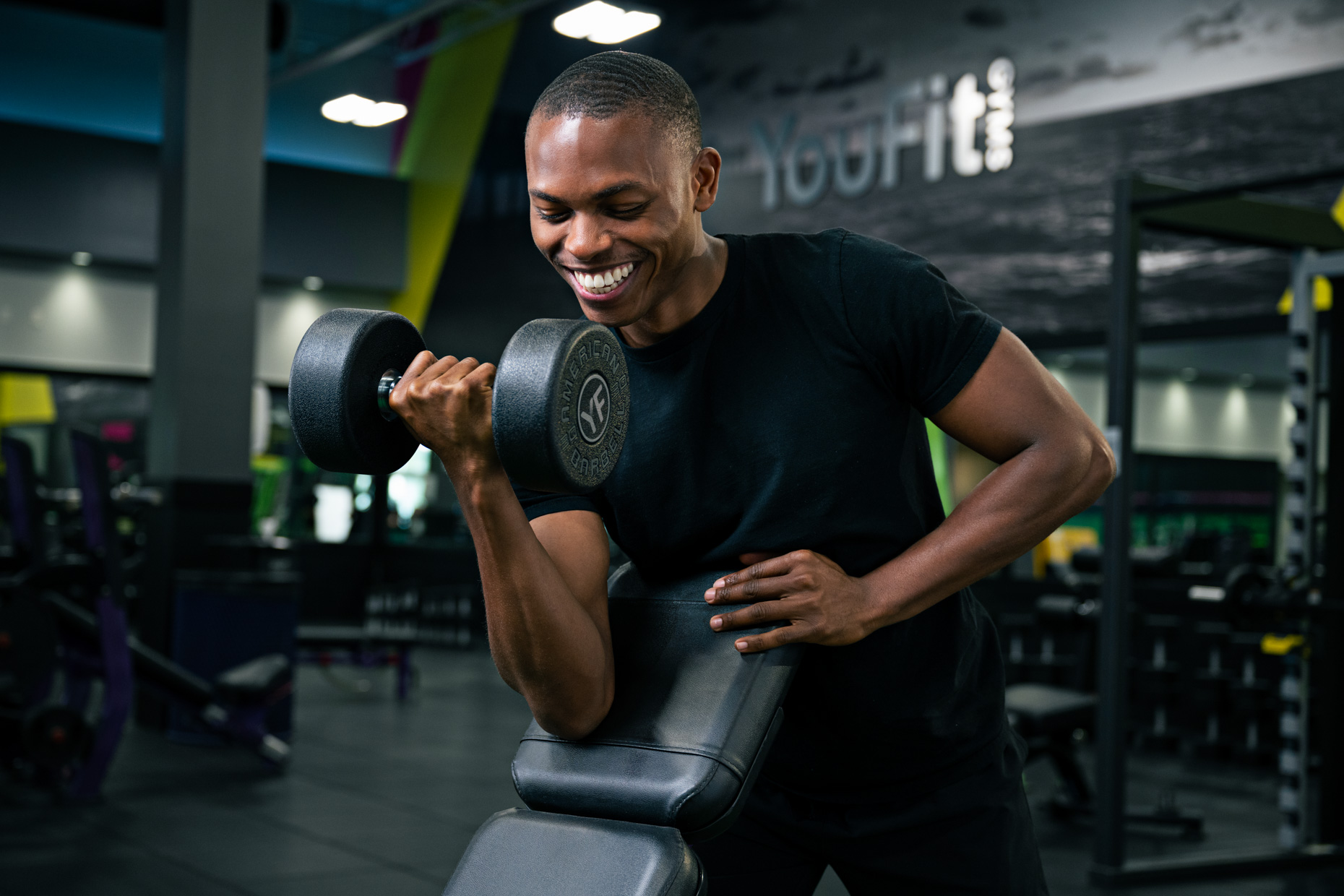
Credit: youfit.com
Comparison Of Popular Gym Shirt Materials
To really understand gym shirt weight, let’s compare the most common materials. Here’s a look at how different fabrics stack up for a standard size M short-sleeve gym shirt.
| Material | Average Weight (grams) | Key Properties |
|---|---|---|
| Cotton | 150–200 | Soft, absorbent, heavier |
| Polyester | 100–140 | Light, quick-dry, durable |
| Nylon | 90–130 | Very light, smooth, strong |
| Blends (e.g. 60/40 cotton/poly) | 120–170 | Balanced feel, moderate weight |
| Compression (with spandex) | 120–160 | Stretchy, snug, slightly heavier |
Non-obvious insight: Even if two shirts feel the same thickness, a polyester shirt will usually weigh less than cotton. That’s because polyester fibers are lighter by volume.
How Shirt Size Changes Weight
Size has a clear impact on gym shirt weight. Let’s look at a practical example. Imagine a standard polyester gym shirt, same style, in three sizes:
| Size | Weight (grams) | Difference from Previous Size |
|---|---|---|
| S | 100 | - |
| M | 120 | +20 |
| L | 140 | +20 |
| XL | 160 | +20 |
As you can see, every size up adds about 20 grams. For extra-large sizes, the difference can be even greater, especially if the shirt has a looser cut.
Why Gym Shirt Weight Matters
You might think a few grams don’t matter. But the weight of a gym shirt can affect several things:
- Comfort: Heavier shirts can feel hot and clingy, especially when wet. Lighter shirts feel breezy.
- Performance: Runners, cyclists, and athletes often prefer the lightest shirts. Less weight means less drag and more freedom.
- Packing and travel: If you travel or carry a gym bag, lighter shirts save space and weight.
- Washing and drying: Lighter shirts dry faster and put less strain on your washing machine.
Practical tip: If you sweat a lot, a lighter, fast-drying shirt can help you stay comfortable and cut down on laundry time.
Real-world Examples Of Gym Shirt Weights
Let’s look at some popular gym shirts and their real weights (size M, dry):
- Nike Dri-FIT Legend Tee: 130 grams
- Adidas Own The Run Tee: 120 grams
- Under Armour Tech Short Sleeve: 110 grams
- Lululemon Metal Vent Tech Tee: 135 grams
- Hanes Cotton T-shirt (basic gym use): 170 grams
Notice that high-tech sports shirts are usually lighter than basic cotton tees. This is on purpose—to help you move and stay cool.
How To Weigh Your Gym Shirt At Home
If you’re curious about your own gym shirts, it’s easy to check. Here’s how:
- Use a kitchen scale or small digital scale.
- Make sure the shirt is dry and clean. Wet shirts weigh more.
- Lay the shirt flat and zero the scale.
- Place the shirt on the scale and read the number.
Non-obvious insight: Weigh a few shirts of different materials and sizes. You’ll see big differences, even within the same brand.
How Moisture Changes Shirt Weight
One thing many people miss: Sweat adds weight. Cotton shirts can soak up a lot of water—sometimes doubling their weight during a tough workout. Polyester shirts, on the other hand, stay much lighter because they shed moisture quickly.
For example, a cotton shirt that weighs 160 grams dry can weigh over 300 grams after a sweaty gym session. A polyester shirt might only go from 120 grams to 140 grams.
This is why high-performance athletes almost always choose synthetic fabrics.
Gym Shirt Weight And Performance: What’s The Connection?
Why do elite runners and cyclists care about grams? It’s not just about comfort. Here are some real impacts:
- Speed: Lighter shirts reduce drag and help you move more freely.
- Heat control: Heavy shirts trap heat and sweat, making you tire faster.
- Chafing: Wet, heavy shirts rub against skin, causing discomfort or even injury.
Expert tip: If you do long-distance sports, always test shirts on a scale before buying. The lightest option that feels comfortable will usually perform best.
Choosing The Right Weight For Your Needs
Not everyone needs the lightest possible gym shirt. Here’s how to decide:
For Hot Weather Or High-intensity Workouts
- Look for lightweight polyester or nylon shirts (100–130 grams).
- Avoid thick cotton, which will get heavy and sticky.
- Mesh panels or sleeveless styles can help.
For Modest Coverage Or Colder Gyms
- Medium-weight shirts (140–170 grams) work well.
- Long sleeves or blended fabrics add a little warmth.
- Cotton blends are fine if you don’t sweat a lot.
For Yoga Or Low-intensity Workouts
- Comfort is key, so a slightly heavier cotton or blend is okay.
- Weight matters less, but avoid super heavy shirts.
For Travel And Packing
- Choose shirts under 130 grams.
- Synthetics dry fast and pack small.
Common mistake: Many people buy based on brand or color, but forget to check the actual weight. This can lead to shirts that feel uncomfortable or slow you down during workouts.

Credit: www.amazon.com
Environmental Impact: Does Shirt Weight Matter?
There’s a growing trend toward eco-friendly gym shirts. Lighter shirts use less material, which can reduce the environmental impact. Many brands also use recycled polyester, which is both light and sustainable.
Example: Some eco shirts weigh as little as 90 grams and are made from 100% recycled plastic bottles.
This is a good reason to check weight—not just for comfort, but for making greener choices.
How Brand And Price Relate To Gym Shirt Weight
You might think expensive shirts are always lighter, but that’s not true. Some premium brands use thicker fabrics for a “luxury” feel. Others focus on being as light as possible.
- Budget brands: Often use basic polyester or cotton. Weights are usually in the middle range.
- Performance brands: Often lighter, but not always. Check the product details or weigh in store.
- Luxury brands: Sometimes heavier due to premium cotton or detailed features.
Pro tip: Don’t trust price as a guide for weight. Always check the label (sometimes it lists GSM), or weigh the shirt yourself.
Gym Shirt Weight For Men Vs. Women
The average weight for men’s and women’s gym shirts is similar for the same size. But women’s shirts are often cut smaller and closer to the body, which can make them a bit lighter.
- Women’s XS–M: 80–120 grams
- Men’s S–M: 100–140 grams
- Unisex shirts: Usually match men’s sizes for weight
Note: The biggest weight difference comes from style and fabric, not gender.
How Weight Affects Packing For Travel Or Sports
If you’re packing for a trip or sports event, shirt weight really matters. Lightweight shirts mean:
- More space in your bag
- Less total luggage weight
- Faster drying after washing
Let’s see how the total weight adds up for a week’s worth of shirts:
| Shirt Type | Number of Shirts | Weight per Shirt (grams) | Total Weight (grams) |
|---|---|---|---|
| Lightweight polyester | 7 | 110 | 770 |
| Standard cotton | 7 | 170 | 1190 |
Just by choosing lighter shirts, you can save over 400 grams (almost a pound) in your luggage.
Common Myths About Gym Shirt Weight
There are some common beliefs that are simply not true:
- Myth 1: Heavy shirts are more durable. Not always. Many lightweight synthetics are actually stronger than heavy cotton.
- Myth 2: Weight doesn’t matter. For serious athletes, every gram can help.
- Myth 3: Only material matters. Size, features, and even print designs can add weight.
Understanding these myths helps you make better choices.
How To Choose The Best Gym Shirt For You
Here’s a quick step-by-step guide:
- Decide what matters most: Lightweight, comfort, durability, or eco-friendliness.
- Check the shirt label for material and, if possible, GSM.
- Consider the size—bigger shirts are always heavier.
- Feel the fabric—light shirts are usually softer and stretchier.
- If you can, weigh the shirt in-store or at home.
- Try it on: Comfort is as important as weight.
Non-obvious insight: If you do group laundry, lighter shirts mean your washer can clean more clothes at once, saving time and energy.
How Shirt Weight Has Changed Over Time
Sportswear has changed a lot. Years ago, most gym shirts were made of thick cotton and weighed much more. Modern athletic shirts use advanced fibers that are lighter, stronger, and dry faster. This shift has helped athletes perform better and made gym clothing more comfortable for everyone.
Today, even budget brands offer lightweight options. And with the push for sustainable materials, some of the lightest shirts are now also the most eco-friendly.
If you want to learn about textile weights in more detail, you can check this Wikipedia article on grammage.
Frequently Asked Questions
How Much Does A Standard Gym Shirt Weigh?
A standard gym shirt usually weighs between 120 and 160 grams (4.2–5.6 ounces) in a medium size. Lighter shirts can be as low as 90 grams, while heavyweight options may reach 200 grams, especially for larger sizes or thick fabrics.
Does A Wet Gym Shirt Weigh More?
Yes, a wet gym shirt, especially one made from cotton, can weigh up to twice as much as when it is dry. Polyester shirts absorb less moisture, so their weight increases only slightly when wet.
What Is The Lightest Gym Shirt Material?
Nylon and polyester are the lightest materials commonly used for gym shirts. Some advanced blends and mesh designs can make shirts weigh as little as 90 grams in size small.
Is Shirt Weight Important For Everyday Gym Users?
For most people, shirt weight is only a small factor. But if you sweat a lot, travel, or do high-intensity sports, a lighter shirt can help you stay comfortable and cool.
Can I Find The Weight Of A Gym Shirt Online Before Buying?
Some brands list the GSM or overall weight in the product details, but not all do. If not, check user reviews or ask customer service. Otherwise, weigh the shirt at home when it arrives to compare with your other gym gear.
Choosing the right gym shirt is about more than just style and color. Understanding the weight can help you get the most comfort, performance, and value from your gym gear. Remember, the best gym shirt for you is the one that matches your needs and feels right when you wear it.

Credit: www.amazon.com
