

How Many Gym Clothes Do You Have? Find Your Perfect Fitness Wardrobe
How Many Gym Clothes Do You Have
If you exercise regularly, you probably ask yourself this simple question: How many gym clothes do you have? Maybe you wonder if you own too many, or not enough. Maybe you feel your drawer is always empty, or you keep washing the same two shirts. Finding the right number is not always easy, and there is no single answer for everyone. Your ideal gym wardrobe depends on how often you work out, your personal style, how much you sweat, and even how often you do laundry.
This guide explores everything you need to know about gym clothes—how many you need, how to choose them, how to rotate, and how to avoid common mistakes. You will discover smart tips, practical examples, and some surprising insights that most beginners miss.
Whether you’re building your first fitness wardrobe or want to organize what you already have, you will find answers here.
Why The Number Of Gym Clothes Matters
The amount of gym clothes you own can affect your workout routine more than you think. If you have too few, you may skip sessions because you ran out of clean clothes. If you have too many, you may waste money, closet space, and time picking what to wear.
Your gym wardrobe also affects your hygiene, comfort, and motivation. Fresh, well-fitting clothes can make you feel good and boost your confidence. Old, sweaty clothes can cause skin problems, bad smells, or even gym embarrassment.
Surprisingly, many people do not realize that owning the right number of gym clothes helps you stick to a consistent fitness habit. When you always have clean, ready-to-wear options, it’s easier to stay on track.
What Counts As Gym Clothes?
Not all activewear is the same, and not everything in your closet is right for the gym. Gym clothes generally include:
- T-shirts or tank tops (moisture-wicking, breathable)
- Sports bras (for women)
- Shorts, leggings, or sweatpants
- Socks (preferably athletic, not cotton dress socks)
- Underwear (moisture-wicking, seamless, or athletic)
- Jackets, hoodies, or warm-up gear
- Gym shoes or trainers
Some people add extras like headbands, hats, or compression sleeves. But for most routines, the basics are enough.
Factors That Decide How Many Gym Clothes You Need
There is no universal number. Let’s look at the main factors that determine your ideal amount.
1. Workout Frequency
If you work out:
- 1-2 times per week: 2-3 sets of clothes are enough.
- 3-5 times per week: 4-6 sets provide good rotation.
- Daily training: 7-10 sets keep you covered between washes.
Each “set” means: top + bottom + underwear + socks (+ sports bra for women).
2. Laundry Routine
How often you wash your clothes is just as important as how often you exercise.
- Daily laundry: You can manage with fewer sets.
- Weekly laundry: You need more to last all week.
- Irregular laundry: Plan extra, so you never run out.
A common mistake is underestimating laundry delays. Always have at least one backup set.
3. Type Of Exercise
Different workouts require different gear. For example:
- Yoga or Pilates: Stretchy, fitted clothes. May not sweat much.
- HIIT or Cardio: Sweat heavily, need moisture-wicking clothes.
- Weightlifting: Loose or fitted, depending on comfort.
- Outdoor running: Weather-appropriate layers.
If you mix workout types, you may need different clothes for each activity.
4. Climate And Season
Hot weather means you sweat more and may need extra clothes. Cold weather means layers, like jackets or leggings, so you need more items per session.
5. Personal Preferences
Some people are fine wearing the same shorts a few times. Others want fresh clothes every session. Your comfort, style, and hygiene standards matter.
6. Storage Space
Small closets or shared living spaces mean you should own only what you need and actually wear.
The Minimalist Approach: The Smallest Effective Wardrobe
If you want to keep things simple, you can survive with a very limited gym wardrobe. This approach works well if you do laundry often, don’t mind repeating outfits, and focus on function over fashion.
A practical minimalist gym wardrobe might include:
- 2-3 tops
- 2-3 bottoms
- 2-3 pairs of socks
- 2-3 pairs of underwear
- 1-2 sports bras (for women)
- 1 pair of gym shoes
This setup works for people who train 2-3 times per week and wash clothes often. You may need one extra set as a backup in case of laundry delays or unexpected workouts.
The Balanced Approach: Most Popular For Regular Gym-goers
Most people who go to the gym 3-5 times per week find that a balanced wardrobe is easiest to manage. This means having enough clothes for every session plus one or two extra sets.
A typical balanced gym wardrobe:
- 5-7 tops (mix of T-shirts and tanks)
- 4-6 bottoms (shorts, leggings, or sweatpants)
- 5-7 pairs of socks
- 5-7 pairs of underwear
- 3-4 sports bras (for women)
- 1-2 warm layers (hoodie or jacket)
- 2 pairs of gym shoes (optional, for rotation)
This system allows you to rotate clothes and always have something clean. It also helps clothes last longer, because you are not wearing and washing the same items every day.
The Maximalist Approach: For Fitness Lovers And Fashion Fans
Some people prefer to have a lot of variety. Maybe you go to the gym daily, do different types of workouts, or like to match your outfit to your mood. If you are a maximalist, you might own:
- 10+ tops
- 8+ bottoms
- 10+ pairs of socks
- 10+ pairs of underwear
- 5+ sports bras
- 3+ warm layers
- Multiple pairs of shoes
This approach is not for everyone. It costs more, takes up space, and you may not wear every item regularly. However, if you love gym fashion, attend fitness classes, or do laundry rarely, it can make sense.
Sample Gym Wardrobes For Different Lifestyles
Everyone’s needs are different. Here are three sample wardrobes based on real-life situations.
1. The Busy Professional
You work full-time, exercise three days a week, and do laundry once a week.
- 4 tops
- 3 bottoms
- 4 pairs of socks
- 4 pairs of underwear
- 2 sports bras
- 1 hoodie
This setup gives you one set per workout plus a spare.
2. The Fitness Enthusiast
You do strength training, cardio, and yoga five to six days a week. Laundry is done twice per week.
- 7 tops
- 5 bottoms
- 7 pairs of socks
- 7 pairs of underwear
- 3 sports bras
- 2 hoodies or jackets
You have enough variety and never run out of clean options.
3. The Minimalist Student
You train two days a week and live in a dorm with limited space.
- 2 tops
- 2 bottoms
- 2 pairs of socks
- 2 pairs of underwear
- 1 sports bra
This is the smallest set that still covers your needs.
How To Choose Quality Gym Clothes
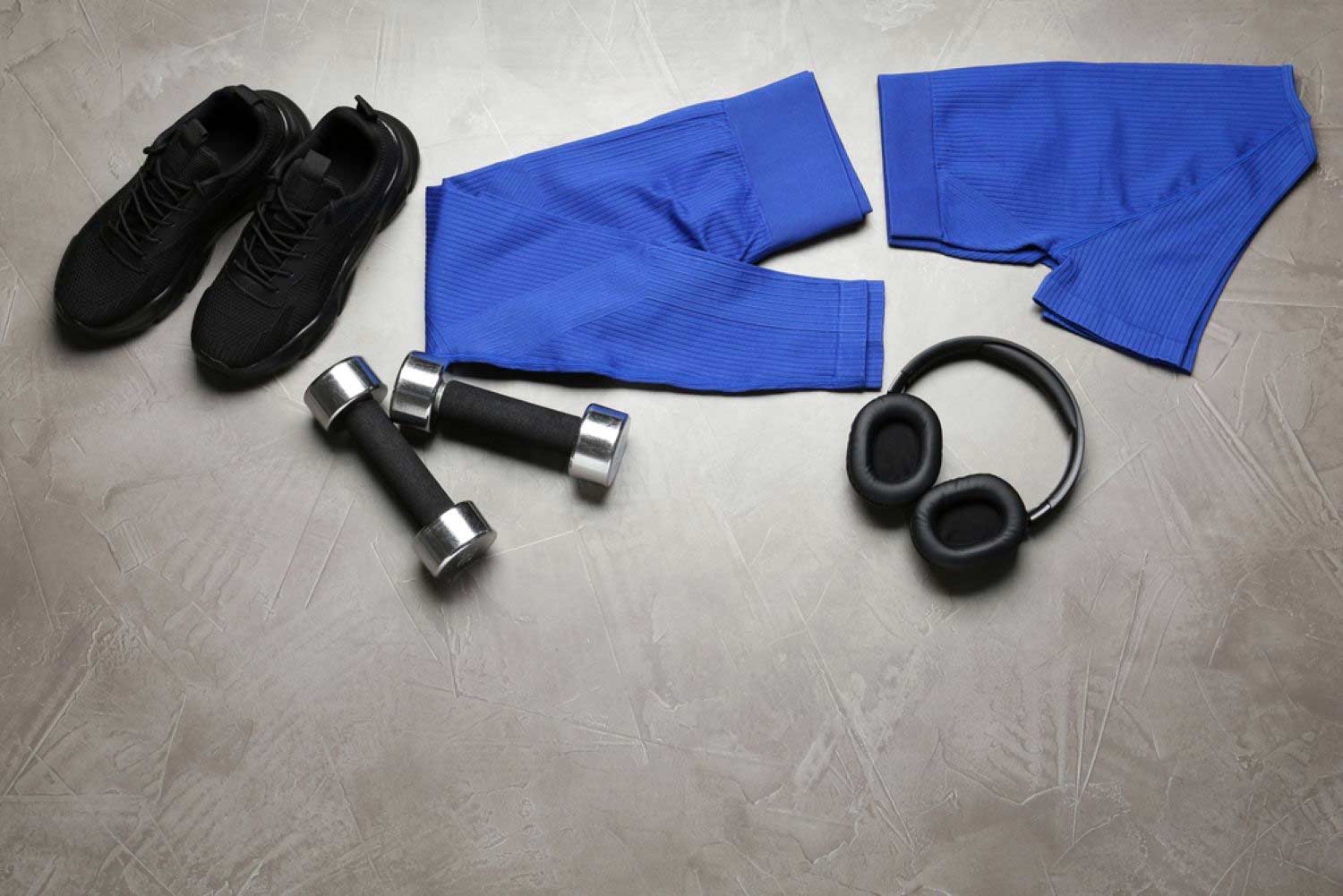
The number of clothes is important, but so is quality. High-quality gym clothes last longer, fit better, and perform well. Here’s what to look for:
- Moisture-wicking fabric: Keeps you dry. Polyester blends are common.
- Stretch and recovery: Clothes should move with you and keep their shape.
- Breathability: Look for mesh panels or lightweight material.
- Flat seams: Reduce chafing and irritation.
- Durability: Can handle frequent washing and intense movement.
Avoid cheap, see-through, or uncomfortable items. They may not last and can ruin your gym experience.
Credit: inphormnyc.com
How Long Do Gym Clothes Last?
Most gym clothes last between six months to two years with regular use. The lifespan depends on:
- Fabric quality
- How often you wear and wash them
- Exercise intensity
Signs you need to replace gym clothes:
- Faded color or stretched out fabric
- Bad smell that does not go away after washing
- Holes, tears, or loose threads
- Lost elasticity (waistbands, sports bras)
- Itchy or rough against skin
Don’t wait too long—old gym clothes can cause skin problems or make you feel less confident.
How To Rotate Your Gym Wardrobe
Smart rotation keeps your gym clothes fresher and lasting longer. Here’s how:
- Keep sets together: Stack or hang clothes in groups (top, bottom, socks, underwear).
- Use all your sets: Don’t always grab your favorite; rotate through each piece.
- Air out after each use: Don’t leave sweaty clothes in your gym bag. Hang them to dry before washing.
- Check for wear: Every month, look for signs of damage or smell.
A common mistake is always wearing the same 2-3 outfits and ignoring the rest. This leads to uneven wear and wasted money.
When To Buy More (or Less) Gym Clothes
You might need to adjust your gym wardrobe if:
- You increase workout frequency (e.g., start going daily)
- Your laundry routine changes (less frequent washes)
- You change workout type (new gear needed)
- Your body changes (weight loss/gain, pregnancy, muscle growth)
- Clothes become damaged or uncomfortable
- You realize you have too many unused items
Buying fewer, higher-quality items is usually smarter than buying many cheap ones. If you have unworn clothes, donate or sell them.
How Many Gym Clothes Do Most People Own?
Most regular gym-goers have between 5 and 10 complete sets. Beginners often start with 2-3 sets and add more as they train more often. Advanced athletes, fitness instructors, or influencers may own 15+ sets.
Here is a comparison of typical gym wardrobes:
| Type of Gym-Goer | Number of Complete Sets | Laundry Frequency |
|---|---|---|
| Beginner | 2-4 | Every 2-3 days |
| Regular | 5-7 | Once per week |
| Advanced | 8-15+ | Every 1-2 weeks |
Most people find that 5-7 sets offer the best balance between convenience and cost.
Credit: inphormnyc.com
The Cost Of A Gym Wardrobe
Gym clothes can range from very cheap to very expensive. Here’s a realistic breakdown:
| Item | Budget Range (Per Piece) | Premium Range (Per Piece) |
|---|---|---|
| Top | $8 - $20 | $35 - $60 |
| Bottom | $12 - $25 | $40 - $80 |
| Socks | $2 - $6 | $10 - $18 |
| Sports Bra | $10 - $18 | $30 - $70 |
| Gym Shoes | $40 - $60 | $100 - $160 |
You don’t need to buy premium brands to get good performance, but investing in a few quality items pays off in the long run.
Common Mistakes When Building A Gym Wardrobe
Many people make errors when buying or using gym clothes. Here’s what to watch out for:
- Owning only 1-2 sets: Leads to skipping workouts or wearing dirty clothes.
- Buying trendy, uncomfortable clothes: Style is nice, but comfort is more important for performance.
- Ignoring fabric quality: Cheap cotton shirts absorb sweat and feel heavy.
- Not rotating clothes: Causes fast wear and tear on favorite items.
- Forgetting about socks and underwear: These are just as important as tops and bottoms.
- Buying too many of the same type: Variety helps with different workouts and weather.
- Not replacing old clothes: Worn-out items can cause skin issues or embarrassment.
Practical Tips For Managing Your Gym Clothes
- Label your clothes: If you live with others, use a marker or tag to avoid mix-ups.
- Pack your gym bag in advance: Prepare a full set the night before. This prevents forgetting socks or underwear.
- Store gym clothes separately: Makes it easy to grab and go.
- Air-dry when possible: Extends life of elastic fabrics.
- Set a reminder: Schedule laundry for the same day each week.
- Donate what you don’t wear: Free up space and help others.
Hidden Insights Most People Miss
- Double-use items: Some gym clothes (like black leggings or moisture-wicking T-shirts) can also be used for casual wear or travel. This saves money and space.
- Seasonal rotation: Have one set of cold-weather and one set of hot-weather gym clothes. Store off-season items out of the way.
- Keep one “emergency” set: Store a backup set in your car, locker, or office for unexpected workouts or forgotten laundry.
How To Store And Care For Gym Clothes
Proper storage and care will help your gym clothes last longer and stay fresh.
- Don’t leave sweaty clothes in a bag: They can develop bad smells and bacteria.
- Wash in cold water: Hot water can damage elastic and technical fabrics.
- Use a gentle detergent: Some detergents are made for sportswear.
- Avoid fabric softener: It can coat technical fibers and reduce moisture-wicking.
- Hang to dry: High heat from dryers wears out elastic and makes clothes shrink.
If you want more information on caring for athletic wear, check out this helpful article from Real Simple.
Signs You Own Too Many Or Too Few Gym Clothes
Too few:
- You skip workouts because nothing is clean.
- You re-wear sweaty clothes.
- Laundry piles up quickly.
Too many:
- Some clothes are never worn.
- Drawers are crowded.
- You forget what you own.
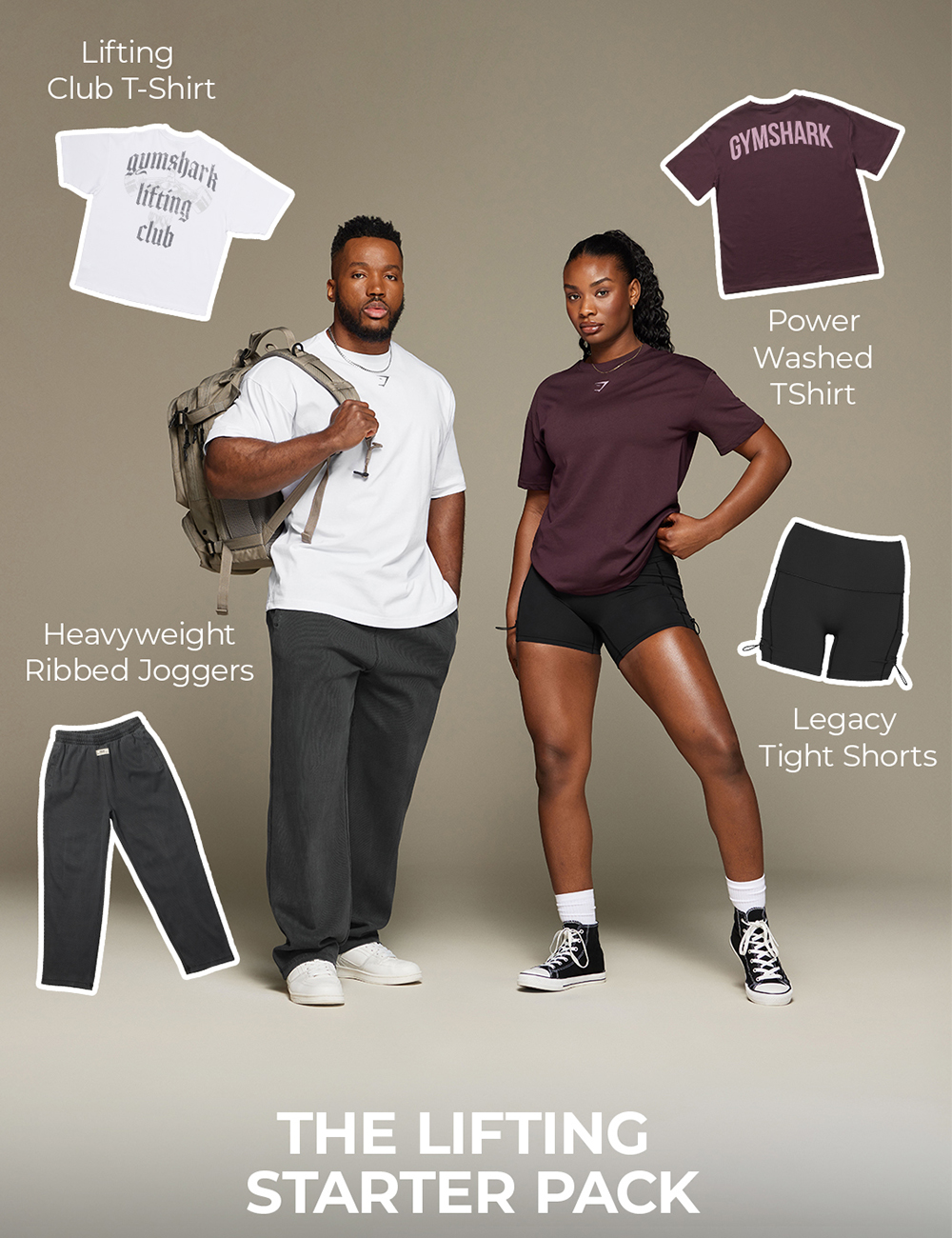
Aim for a number that matches your routine, space, and lifestyle. Adjust as your habits change.
Credit: www.gymshark.com
Real-world Example: Rotating Gym Wardrobe For A Week
Let’s say you train five days a week and do laundry once weekly. Here’s how a rotation could look:
- Monday: Set 1
- Tuesday: Set 2
- Wednesday: Set 3
- Thursday: Set 4
- Friday: Set 5
Saturday and Sunday: rest, laundry, or use backup set if needed. This setup means you never need to scramble for clean clothes.
Is There A Magic Number?
There is no perfect answer for everyone. Most active people do best with 5-7 complete sets. This covers a week’s worth of workouts, allows for laundry delays, and gives a bit of style variety. If you work out less often, you need fewer. If you are a trainer or athlete, you may need more.
The key is to match your gym wardrobe to your actual lifestyle—not what you wish, or what social media suggests.
Frequently Asked Questions
How Often Should I Replace My Gym Clothes?
Replace gym clothes when they lose shape, have stains, smell bad after washing, or show damage. Most last from six months to two years. If you exercise often, check your wardrobe every few months.
Can I Wear Gym Clothes More Than Once Before Washing?
It’s best to wash after every use, especially if you sweat. Re-wearing can cause bacteria buildup and bad odors. The exception is some outer layers like jackets, if they stay dry.
Are Expensive Gym Clothes Worth The Money?
Not always. Expensive brands often use high-quality materials, but you can find good, affordable options too. Focus on fit, comfort, and function over the logo or price.
How Many Sports Bras Do I Need?
If you exercise 3-5 times a week, 3-4 sports bras let you rotate and keep each one in good shape. Wash after each use to avoid irritation or skin problems.
Should I Keep Old Gym Clothes As Backups?
You can keep one or two old sets for emergencies, outdoor work, or messy activities. But donate or recycle clothes that are worn out, see-through, or uncomfortable.
---
Having the right number of gym clothes is about balance, not excess. Owning enough for your routine makes exercise easier and more enjoyable, while avoiding clutter and waste. Build your wardrobe based on your real needs, keep quality in mind, and adjust as your habits change. The answer to “how many gym clothes do you have?” should fit your life, not someone else’s.
