

How Many Gym Clothes Do I Need Men: Ultimate Fitness Wardrobe Guide
How Many Gym Clothes Do I Need Men
Finding the right amount of gym clothes can be confusing for men. You may wonder if you need a pile of shirts and shorts, or if a few sets are enough. The truth is, the ideal number depends on your workout routine, how often you wash clothes, and your personal comfort.
This guide will help you figure out exactly how many gym clothes you need, avoid common mistakes, and get the most value from your fitness wardrobe.
Most men don't think about gym clothes until they're scrambling for a clean shirt before a session. It's easy to buy too much or too little. Having the right number makes your week smoother, stops stress about laundry, and can even improve your workout consistency.
If you're just starting your fitness journey, or if you're trying to get more organized, this article will help you make smart choices about your gym gear.
Why The Right Number Of Gym Clothes Matters
Having the right amount of gym clothes is about more than just convenience. If you have too few, you may run out of clean gear and skip workouts. If you have too many, you waste money and space. The right balance keeps you motivated, comfortable, and ready for every training session.
Sweat and bacteria can build up quickly on workout clothes. Wearing dirty gear increases the risk of skin problems like rashes or acne. Clean, fresh clothes help you feel more confident and perform better. Understanding your true needs saves time, money, and hassle.
A hidden problem is that crowded closets make it hard to find what you need. If you have only your best, most comfortable clothes in rotation, you get dressed faster and feel better during your workouts. The right amount means your gear is always ready, and you won't be tempted to skip a session because of laundry.
This can help build a consistent exercise habit.
Key Factors That Affect How Many Gym Clothes You Need
No two men have the same fitness habits or laundry routines. Here are the main things to consider before deciding on your gym wardrobe size:
1. Workout Frequency
How many times you exercise per week is the biggest factor. If you hit the gym once, you need far fewer clothes than someone who works out daily.
- 1-2 times per week: Minimal gear needed.
- 3-5 times per week: You’ll need more sets to avoid re-wearing.
- Daily workouts: A full rotation is essential.
If you suddenly start doing extra sessions, you might need to add a few more tops or shorts. For example, if you join a sports team or add yoga classes, your needs will change.
2. Type Of Workouts
Different workouts need different clothes. Weight lifting requires less sweat-absorbing gear than HIIT or running. Outdoor sports may require layering.
- Cardio/HIIT: You sweat more, need more tops and bottoms.
- Yoga/stretching: Clothes stay cleaner, so you can repeat more often.
- Outdoor activities: Need extra options for weather changes.
Some activities, like cycling or CrossFit, may require specialty shorts or tops with added support or ventilation. If you mix up your workouts, having a few versatile pieces is helpful.
3. Laundry Schedule
How often you do laundry makes a big difference.
- Wash after every workout: Fewer clothes are needed.
- Wash once or twice a week: You’ll need enough to last until wash day.
A practical tip is to match your clothing count to your laundry habits. If you usually wash on Sundays, make sure you have enough sets to last all week. Many men don't realize that skipping one laundry day can throw off their whole routine.
4. Climate And Season
Hot, humid weather means you sweat more and need extra clothes. In cold weather, you may layer and re-wear outer pieces.
In summer, you might find yourself changing clothes more often, especially after outdoor runs or tough sessions. In winter, you may rotate between a few warm layers, using the same hoodie or jacket several times before washing.
5. Personal Preferences
Some men don’t mind repeating gym gear, while others prefer a fresh set every time. Your comfort level matters.
If you feel uncomfortable in slightly damp or used clothing, lean toward having more sets. If you’re fine with re-wearing for low-sweat activities, you can get by with less.
6. Gym Facilities
If your gym has showers, you might change clothes there and need more sets. If you go home after, you might manage with less.
If you work out before or after work, you might want a full change of clothes, including socks and underwear, so you’re always fresh for the rest of your day.
Essential Types Of Gym Clothes For Men
Before talking numbers, let’s review the main types of gym clothes every man needs. Each piece plays a special role in comfort and performance.
Workout Tops
- T-shirts: For most workouts, a few good athletic t-shirts are a must.
- Tank tops: Great for hot gyms or outdoor workouts.
- Long-sleeve shirts: For cold weather or layering.
T-shirts made from moisture-wicking material are key. Cotton t-shirts may feel comfortable at first but often stay wet and heavy with sweat.
Workout Bottoms
- Shorts: Most men prefer athletic shorts for freedom of movement.
- Joggers or sweatpants: For cooler days or warm-ups.
- Compression tights: Optional, but useful for running or recovery.
Some men like shorts with built-in liners for extra support. If you do a lot of stretching or yoga, shorts with good flexibility or lightweight joggers work best.
Underwear
- Athletic underwear: Moisture-wicking and supportive. Regular cotton underwear may cause chafing.
Look for underwear designed for sports, often labeled as “performance” or “training” underwear. These keep you dry and prevent irritation.
Socks
- Sports socks: Cushioned and breathable. Having enough is key, as they get sweaty fast.
Consider socks with arch support or reinforced heels if you do a lot of running or jumping. Thin socks can wear out quickly.
Outerwear
- Lightweight jacket or hoodie: For warm-ups or outdoor sessions.
- Rain or windbreaker jacket: If you train outside.
A zip-up hoodie is easier to remove during warm-ups. For outdoor workouts, water-resistant fabrics can keep you comfortable in bad weather.
Shoes
- Trainers: For most gym activities.
- Specialty shoes: For running, lifting, or court sports.
Wearing the right shoes can prevent injury and improve your performance. If you mix running and weightlifting, consider owning a pair for each.
Accessories
- Hat or headband: For sweat control.
- Towel: Many gyms require you to bring your own.
A sweat towel protects equipment and keeps you comfortable. Headbands help keep sweat out of your eyes, especially during cardio.
Building Your Core Gym Wardrobe: How Many Of Each Item Do You Really Need?
Now, let’s get specific about numbers. The table below offers a quick overview for men who work out 3-5 times per week and do laundry once a week.
| Item | Minimum Needed | Comfortable Amount | Notes |
|---|---|---|---|
| T-shirts/Tops | 3 | 5-7 | More for heavy sweaters |
| Shorts | 2 | 4-5 | Depends on workout type |
| Joggers/Sweatpants | 1 | 2-3 | Needed for colder days |
| Compression Tights | 0 | 1-2 | Optional |
| Underwear | 3 | 5-7 | One per workout |
| Socks | 3 | 5-7 | One per workout |
| Hoodie/Jacket | 1 | 2 | Layer as needed |
Key Insights Most Beginners Miss
- You need as many pairs of underwear and socks as workouts. Many men buy enough tops but forget about these basics. Re-wearing sweaty socks or underwear can cause foot fungus or irritation.
- Jackets and joggers can be re-worn without washing after every use, unless soaked in sweat. You don’t need a new outer layer for every gym visit.
Another common oversight: If you train in the morning and don’t shower at home, you’ll need a full change of clothes for work or school. It's smart to keep one extra set of basics in your gym bag just in case.
Example: Weekly Gym Wardrobe For A 4-day Workout Routine
Let’s look at a real example. Mark works out 4 times a week, does laundry every Sunday, and prefers not to repeat sweaty clothes. Here’s what he needs:
- 4 athletic t-shirts
- 3 pairs of shorts
- 2 pairs of joggers
- 4 pairs of sports socks
- 4 pairs of athletic underwear
- 1 hoodie
- 1 pair of trainers
This setup means Mark always has clean clothes, with a little flexibility if he skips laundry for a day.
If Mark sometimes does back-to-back workouts or sweats more than usual, he might add an extra shirt or socks. If he travels, he packs quick-dry clothes so he can wash them in a hotel sink and dry them overnight.
How Laundry Frequency Changes Your Needs
If you do laundry more often, you can own fewer gym clothes. If you wash less, you need more.
| Workouts per Week | Wash Frequency | Tops Needed | Shorts Needed | Socks/Underwear |
|---|---|---|---|---|
| 3 | After each workout | 1-2 | 1-2 | 1-2 |
| 3 | Once weekly | 3 | 2-3 | 3 |
| 5 | Twice weekly | 3 | 3 | 3 |
| 5 | Once weekly | 5 | 4-5 | 5 |
If you sometimes forget laundry day, having one extra set as backup can save you from last-minute stress.
Special Situations That Change Your Gym Clothing Needs
Training Outdoors
If you run or train outside, you may need more layers:
- Extra t-shirts and socks: Wet weather means clothes don’t dry as quickly.
- Weather-resistant jacket: Needed for rain or wind.
An extra cap or gloves can make cold mornings more comfortable. If you often get caught in rain, quick-drying materials become even more important.
Multiple Workouts Per Day
Some men do morning and evening sessions. In this case, you’ll need double the amount, or plan for fast laundry cycles.
If you do different types of workouts (weights in the morning, cardio at night), having specialized gear for each can help with comfort and hygiene.
Travel Or Business Trips
If you travel, pack at least two full sets of gym clothes. Quick-dry fabrics can help, as you can wash them in a hotel sink and hang to dry overnight.
Rolling your clothes instead of folding saves space and helps them dry faster. Pack a small laundry bag to keep sweaty clothes separate from clean ones.
Sweat Level
If you sweat heavily, you’ll need more clothing. Some men can re-wear a shirt for light stretching, but for cardio or weightlifting, fresh gear is best.
If you have sensitive skin, it’s even more important to use fresh clothes to avoid breakouts or irritation.
Quality Vs. Quantity: What Matters More?
It’s better to have a few high-quality, comfortable items than a pile of cheap clothes that chafe or shrink. Good gym clothes:
- Wick moisture: Keep you dry and comfortable.
- Fit properly: Not too loose or tight.
- Last longer: Save money over time.
Cheap gear often loses shape, traps odors, or causes skin irritation. Investing in better brands usually pays off.
Also, higher-quality materials often hold their color and shape after many washes, so you look sharp longer. It's worth saving for a trusted brand if you find a style that fits you well.

Credit: www.youtube.com
How To Choose Gym Clothes That Last
Fabric
Look for synthetic blends like polyester or nylon. They dry quickly and resist odor. Avoid 100% cotton for heavy sweat sessions.
Some athletic brands offer anti-microbial or anti-odor treatments. These can keep your clothes fresher, but always follow the washing instructions to maintain their effect.
Stitching
Flat seams prevent chafing. Double-stitched areas last longer.
Check for strong seams in high-stress areas like the crotch or underarms. A little extra reinforcement can prevent tears, especially if you do lots of squats or pull-ups.
Fit
Try before you buy. Squat, stretch, and move. If it rides up or restricts, skip it.
If you shop online, check return policies or try to read reviews from people with a similar body type to yours.
Features
- Pockets: For keys or phone.
- Reflective details: If you exercise outdoors at dawn or dusk.
Zippered pockets help prevent your phone or locker key from falling out during dynamic movements.
Common Mistakes Men Make When Buying Gym Clothes
- Buying too few basics: Not enough socks or underwear leads to re-wearing dirty gear.
- Choosing style over function: Trendy clothes may not breathe or fit well.
- Ignoring laundry schedule: Underestimating how fast you run out of clean sets.
- Forgetting outerwear: Not having a hoodie or light jacket for cold days.
- Overbuying: Having 10 shirts but only 2 shorts creates imbalance.
- Skipping fit tests: Clothes that look good may not move well during exercise.
- Neglecting accessories: Sweat towels and hats are often forgotten but useful.
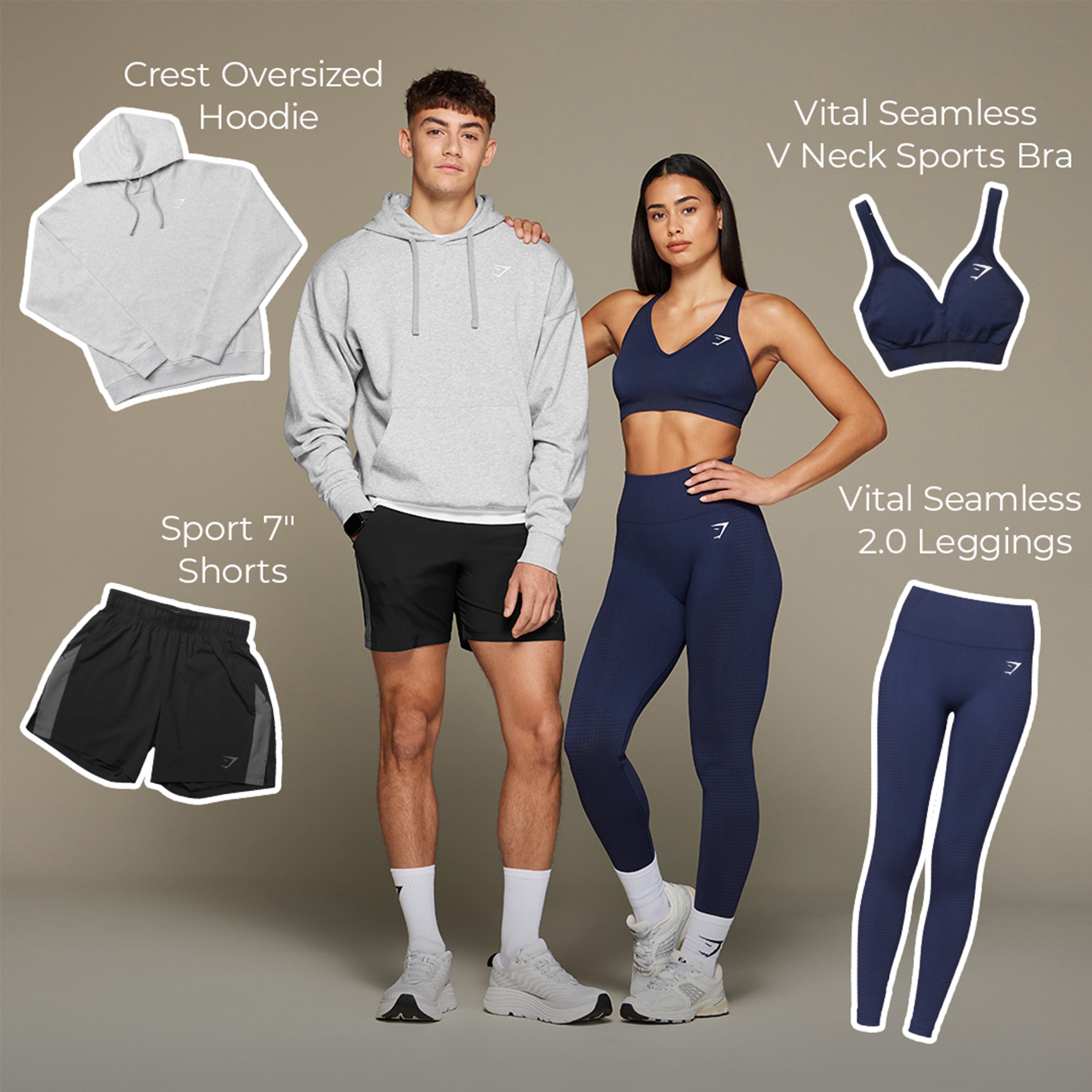
Another mistake: Storing gym clothes with regular clothes. Keeping your workout gear separate helps you grab what you need quickly, and prevents odor transfer.
Credit: www.gymshark.com
How To Rotate Your Gym Clothes For Maximum Freshness
Rotating your gym clothes keeps them fresher and extends their life. Here’s how:
- Keep a set order: After washing, stack clothes so you use each item in turn.
- Air out between uses: Hang sweaty clothes to dry before tossing in the hamper.
- Use sports detergents: Special detergents help remove odors and sweat stains.
Occasionally soaking your gear in a vinegar-water mix (before washing) can help get rid of stubborn smells. Just be sure to rinse well after.
When To Replace Your Gym Clothes
Even the best gym clothes wear out. Here are signs it’s time to replace them:
- Lingering odors after washing
- Loose elastic in waistbands or cuffs
- Visible holes or fraying seams
- Stretched out or sagging fit
- Loss of moisture-wicking ability
Most athletic gear lasts 6-12 months with regular use, but your mileage may vary.
If you notice your clothes feel heavier or take longer to dry, it could be a sign that the fabric’s performance is fading.
Budgeting For Your Gym Wardrobe
You don’t need to buy everything at once. Start with enough for a week, then upgrade or add as you figure out your real needs.
- Buy basics first: T-shirts, shorts, socks, underwear.
- Add layers: Hoodies, joggers, jackets.
- Consider sales and outlet stores for good deals on quality brands.
Watch for seasonal discounts, especially at the end of summer or winter, when stores clear out last season’s stock. Prioritize the items you wear most often.
Sustainable Choices: Reduce, Reuse, Recycle
Gym clothes wear out, but you can reduce waste:
- Buy quality that lasts longer
- Repurpose old shirts as cleaning rags
- Look for recycling programs at sports stores
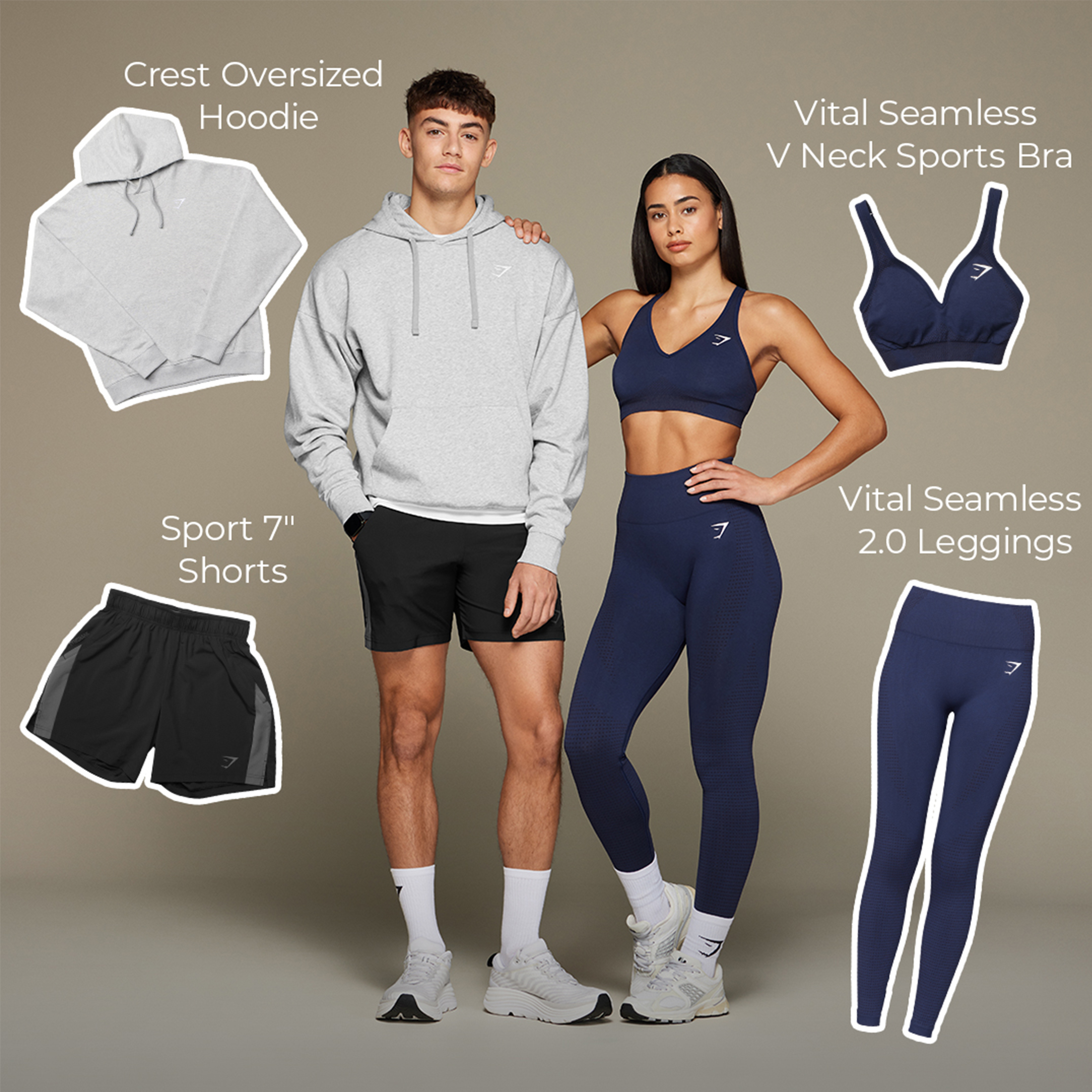
Some brands now use recycled materials for workout gear, which helps the environment.
Donating gently used gym clothes to local charities is a good option if they’re still in good shape. Many stores now offer take-back programs for recycling old athletic gear.
Credit: www.gymshark.com
Real-world Example: Comparing Minimalist Vs. Maximalist Wardrobes
Here’s a comparison of two different approaches for a man who works out five days a week.
| Wardrobe Type | Tops | Shorts | Socks/Underwear | Outerwear | Notes |
|---|---|---|---|---|---|
| Minimalist | 3 | 2 | 3 | 1 | Laundry every 2-3 days |
| Maximalist | 7 | 5 | 7 | 2 | Laundry once a week or less |
Most men find the "comfortable" range is 5-7 tops, 3-5 shorts, and a similar number of socks and underwear.
The minimalist approach works for men with strict laundry routines, while the maximalist approach fits those who prefer flexibility and variety.
Practical Tips For Managing Your Gym Wardrobe
- Label your gym clothes if you live with others to avoid mix-ups.
- Hang clothes to dry after each workout, even before washing.
- Pre-treat stains or odors with sports sprays.
- Keep a spare set in your gym bag for emergencies.
- Track what you actually wear for a month to see if you need more or less.
Another handy tip: Store your most-used items at eye level in your closet for easy access. Keep a dedicated spot for dirty clothes, like a breathable laundry bag.
Why You Shouldn’t Skimp On Certain Items
Some pieces are worth extra investment:
- Shoes: Quality trainers prevent injuries and last longer.
- Socks: Good socks reduce blisters and keep your feet healthy.
- Underwear: Moisture-wicking, supportive underwear boosts comfort.
Cut corners on outer layers if needed, but not these essentials.
You’ll feel the difference in your workouts and recovery. Blisters, sore feet, or chafing can quickly ruin a session, so prioritize these items.
How Many Gym Clothes Do You Need For Different Lifestyles?
Your needs change based on your lifestyle.
Student Or Busy Professional
- 3-5 tops
- 2-3 shorts
- 3-5 socks/underwear
- 1 hoodie or jacket
You may need to keep a gym bag with a full change of clothes for after work or class.
A tip: Keep a small bag with deodorant, wipes, and a plastic bag for dirty clothes so you’re always ready, even if your schedule changes last minute.
Fitness Enthusiast
- 5-7 tops
- 4-5 shorts
- 5-7 socks/underwear
- 2 hoodies/jackets
- 1-2 pairs of trainers
You’ll appreciate the extra options for varied workouts and weather.
If you do both indoor and outdoor training, consider having a separate pair of shoes for each to keep your main pair fresher longer.
Home Gym User
- 2-3 tops
- 2 shorts
- 2-3 socks/underwear
You can wash more often and may not need as much gear.
Home workouts mean you can change quickly, so you don’t need as many backup sets. However, if you sweat a lot, have a few extra basics.
How To Store And Organize Gym Clothes
Keep your gym wardrobe organized so you can grab and go:
- Dedicated drawer or shelf for gym-only gear.
- Separate gym bag packed with essentials.
- Hooks for hoodies/jackets near the door.
- Shoe rack for trainers.
This keeps everything easy to find and avoids morning stress.
Consider drawer dividers for separating tops, bottoms, and socks. This small habit saves time and keeps your gear in good shape.
Final Thoughts: The Sweet Spot For Most Men
For most men who work out 3-5 times per week and do laundry weekly, the ideal gym wardrobe is:
- 5-7 tops
- 3-5 shorts
- 5-7 socks and underwear
- 1-2 outer layers
- 1 pair of trainers
Adjust up or down based on your routine, sweat level, and laundry habits. This range keeps you prepared, comfortable, and focused on your fitness goals—not your laundry pile.
Remember, it's better to start with less and add pieces as you learn what works for your body, schedule, and gym environment. The sweet spot is when you always have clean, comfortable gear ready for any workout without overflowing your closet.
Frequently Asked Questions
How Often Should I Wash My Gym Clothes?
You should wash gym clothes after every workout to remove sweat, bacteria, and odor. If you only do light stretching or yoga, you might re-wear tops once, but it's safer to wash after each use.
Can I Re-wear Gym Clothes If They Don't Smell?
It's best to avoid re-wearing gym clothes even if they seem clean. Sweat and bacteria can still be present and cause skin issues. For light activities, re-wearing outer layers like hoodies is fine, but always change socks and underwear.
What Fabric Is Best For Gym Clothes?
Synthetic blends like polyester, nylon, or spandex are best for gym clothes. They wick moisture, dry fast, and resist odor better than cotton. For more details on sports fabrics, see this Wikipedia article on sportswear.
Do I Need Special Underwear For Workouts?
Yes, athletic underwear provides better support and breathability. Regular cotton underwear can trap sweat and cause chafing or irritation during exercise.
How Do I Know When To Replace Gym Clothes?
Replace gym clothes when they lose shape, stay smelly after washing, or develop holes. Most items last several months to a year with regular use, but check for stretched elastic or worn fabric.
By understanding your workout habits and preferences, you can build the perfect gym wardrobe—enough to stay fresh and motivated, but not so much that it clutters your space. A balanced approach saves money, time, and keeps you focused on what matters: your fitness progress.
