

How Many Gym Clothes Do I Need Men: Essential Guide for Fitness
Stepping into a gym for the first time—or after a long break—brings up many questions. One of the most common is, “How many gym clothes do I need as a man? ” It might sound simple, but the right answer depends on your lifestyle, training routine, laundry habits, and personal comfort.
Having too few can mean scrambling for clean gear, while too many can waste money and closet space. There’s also the matter of style, fabric quality, and what really matters for performance and hygiene. Let’s break down everything you need to know, so you’re never caught off guard at the gym.
Why The Right Number Of Gym Clothes Matters
Choosing the right amount of gym clothes isn’t just about looking good. It affects your overall fitness experience:
- Hygiene: Wearing clean gear reduces the risk of skin infections and body odor. Sweaty clothes can breed bacteria and fungus, leading to problems like athlete’s foot or ringworm.
- Comfort: Dry, fresh clothes help you focus on your workout, not sweaty distractions. Imagine trying to finish a cardio session while your shirt sticks uncomfortably to your skin—good gear prevents this.
- Motivation: Having enough options means one less excuse to skip the gym. Clean, fresh clothes can make you look forward to your session, while worn-out, smelly gear can sap enthusiasm.
- Practicality: You don’t want to do laundry every day, nor do you want piles of unused clothes. The right balance saves time and keeps your routine simple.
Many men underestimate how much gym wear they actually use, especially when routines or weather change. For example, a sudden increase in outdoor runs during summer often means you need more quick-drying shirts or extra socks. Plus, if you ever double up on workouts—like adding a yoga class after lifting—you’ll need a second set ready to go.
Factors That Decide How Many Gym Clothes You Need
There’s no single answer for everyone. Consider these key factors:
1. Workout Frequency
If you train once a week, your needs differ from someone who hits the gym daily. For example:
- 1–2 sessions/week: Fewer outfits required
- 3–5 sessions/week: Multiple sets needed
- 6+ sessions/week: A full rotation is essential
It’s also worth considering whether you do back-to-back sessions, like training at lunchtime and again in the evening. In that case, you’ll need extra gear to stay fresh.
2. Laundry Routine
Ask yourself:
- How often do you do laundry?
- Are you okay with washing small loads, or do you prefer to wait?
Frequent laundry means fewer clothes needed. Infrequent laundry requires a bigger wardrobe. If you live with roommates or family, your laundry schedule may not always be up to you, so plan for the unexpected. If you sometimes forget a load in the washer, having spare gym clothes is a lifesaver.
3. Type Of Exercise
Different workouts need different clothes:
- Weightlifting: Basic tees and shorts may work
- Cardio: Moisture-wicking fabrics are a must
- Yoga or mobility work: Stretchy, fitted gear is preferred
- Outdoor training: Weather-appropriate clothes (e.g., layers, rain jackets)
If you do a mix of activities, you may need a wider variety. For example, HIIT classes can get you much sweatier than a stretching class, so you’ll need more tops or quick-changing options.
4. Climate And Seasons
Living in a humid area? You’ll sweat more. Cold climates mean more layers. Seasonal changes can double what you need. For instance, you might need thermal leggings and extra socks in winter but switch to light tanks and shorts in summer.
Unexpected rain or sudden cold snaps are easier to handle if you own an extra hoodie or jacket.
5. Personal Preferences
Some guys like fresh clothes every session; others may reuse lightly worn items. Your comfort and confidence matter. If you’re sensitive to smells or sweat a lot, err on the side of having more. Also, some people enjoy matching outfits or switching styles depending on their mood—no shame in that.

Credit: www.youtube.com
The Essential Gym Wardrobe For Men
Let’s break down the core gym clothing items and how many of each you likely need.
1. Gym T-shirts Or Tops
Most men need between 3 to 7 gym tops. Here’s why:
- If you work out 3 times a week and do laundry once a week, you need at least 3.
- For 5+ weekly sessions, aim for 5–7 to always have a clean option.
- Include at least one long-sleeve for warmth or sun protection if you train outdoors.
Having different sleeve lengths is helpful. For example, a long-sleeve shirt or thin pullover protects you from sunburn during outdoor runs and keeps you warm during early morning workouts. Some men also prefer investing in shirts with anti-odor technology for less frequent washing.
2. Gym Shorts
You’ll want 2 to 5 pairs:
- 2–3 pairs for regular gym goers (3–4 sessions/week)
- More if you sweat heavily or dislike reusing gear
Look for moisture-wicking and quick-drying fabrics for comfort. Some shorts come with built-in liners, which can replace athletic underwear for lighter workouts. If you run, consider shorts with zippered pockets to hold keys or cards.
3. Workout Pants Or Joggers
Ideal for colder months or warm-ups. 1 to 3 pairs is enough unless you train outdoors often.
- 1 pair for occasional use
- Up to 3 if you alternate between shorts and pants
Joggers that taper at the ankle are great for preventing fabric from catching on equipment. Fleece-lined pants are a solid choice for winter mornings or late-night runs.
4. Compression Gear
Compression shirts or leggings aren’t essential but can help with recovery and support.
- 1–2 items are usually sufficient
- Rotate as needed for high-intensity sessions
Compression gear can also be worn under shorts or pants for extra warmth. Some athletes find that compression sleeves for knees or calves reduce soreness after heavy sessions.
5. Undergarments
This is where many men go wrong. Don’t use regular underwear for workouts. 3 to 7 pairs of athletic underwear is smart, matching your workout frequency.
- Look for sweat-wicking, seamless options to avoid chafing
Investing in athletic underwear with flat seams or mesh panels can make a massive difference during long runs or bike rides. If you often work out before or after work, keeping a spare pair in your gym bag avoids surprises.
6. Socks
Quality gym socks make a big difference. You need as many pairs as your sessions per week, usually 3–7.
- Consider extra pairs if you double up during winter or use special socks for different sports
Look for socks with arch support and reinforced heels to avoid blisters. If you do a mix of running and lifting, consider different thicknesses—thin for running, thicker for lifting.
7. Tank Tops Or Sleeveless Shirts
Some men prefer tanks for upper body days or hot climates.
- 1–3 is enough, depending on style preference
Tanks are also useful for layering under a hoodie when you know you’ll warm up quickly. If you’re self-conscious, try looser tanks that still allow airflow but don’t cling.
8. Outer Layers (hoodies, Jackets)
For going to and from the gym, or warming up:
- 1–2 hoodies or gym jackets are usually enough
A zip-up hoodie is easy to remove mid-session, while a pullover is better for colder days. Water-resistant jackets are useful if you walk or bike to the gym.
9. Specialty Items
You may need extras for specific activities:
- Swim trunks: 1–2 if you swim
- Sport-specific shirts or shorts: For running, cycling, etc.
Don’t forget accessories like beanies for cold mornings or sun hats for outdoor training. If you do martial arts, yoga, or CrossFit, check if your gym has a dress code or recommends certain gear.
Sample Wardrobe For Different Types Of Gym-goers
Here are three example wardrobes based on how often you train:
| Item | Light User (1–2/week) | Regular (3–5/week) | Heavy User (6+/week) |
|---|---|---|---|
| Gym T-Shirts | 2–3 | 4–5 | 6–7 |
| Shorts | 2 | 3 | 4–5 |
| Pants/Joggers | 1 | 2 | 3 |
| Compression Gear | 1 | 1–2 | 2–3 |
| Undergarments | 2–3 | 4–5 | 6–7 |
| Socks | 2–3 | 4–5 | 6–7 |
| Outer Layers | 1 | 1–2 | 2 |
| Tanks | 1 | 2 | 2–3 |
This example covers the basics. Add specialty items only if needed. If you sweat a lot or do high-intensity workouts, lean toward the higher numbers. If your sessions are mostly low-sweat, you can get by with less.
The Importance Of Fabric And Quality
It’s not just about quantity. The quality and type of fabric play a major role:
- Synthetic fabrics (polyester, nylon) wick sweat, dry quickly, and resist odor.
- Cotton is soft but holds sweat, so not best for intense workouts.
- Blends combine comfort with performance.
Spending a bit more for good fabric means less odor, fewer skin issues, and longer-lasting clothes. Cheap gym wear often stretches, fades, or smells after only a few sessions.
Higher-quality shirts may cost more up front, but they hold their shape, resist pilling, and keep their color longer. Brands now offer shirts treated with anti-bacterial coatings, which is especially helpful if you sometimes forget to wash your gear right after use.
For men with sensitive skin, look for smooth, tagless seams and avoid rough mesh panels in contact areas. If you have allergies or eczema, natural fabrics like bamboo blends can be a good choice.
When To Replace Your Gym Clothes
Many men keep their gym gear too long. Watch for these signs:
- Persistent odor even after washing
- Thin or stretched fabric in high-wear areas
- Loose elastic in waistbands or cuffs
- Faded colors or pilling
- Visible holes or tears
Most gym clothes last 6 months to 2 years with regular use. Rotating your items extends their life.
Notice if your shirts start to ride up, or shorts lose their snug fit—these are early signs to replace. Even if your favorite shirt still looks fine, if it smells right after you put it on, it’s time for a new one.
Pro tip: Keep old gym shirts as rags or for painting and cleaning projects.
Managing Gym Clothes With A Busy Schedule
If you travel, have long workdays, or unpredictable routines, planning is key. Here’s how to avoid running out of clean gear:
- Pack a gym bag in advance with spare clothes.
- Keep a backup outfit at work or in your car.
- Use mesh laundry bags to keep gym wear separate and easy to wash.
- Consider quick-drying fabrics for emergency hand-washing.
These small steps save time and stress, especially for frequent gym-goers.
If you travel often, choose gym clothes that fold small and dry fast. Rolling your gear instead of folding can save space and keep your bag neater. Some men keep a small bottle of body spray or deodorant in their gym bag for emergencies.
Mistakes Men Make When Buying Gym Clothes
Even experienced lifters and athletes can make poor choices. Watch out for these common mistakes:
1. Buying Too Few Items
It’s tempting to buy only 1–2 shirts and shorts, but this leads to over-washing and fast wear-out. Always aim for at least one more than your weekly workout frequency.
2. Ignoring Fabric
Choosing based on price or style alone can leave you sweaty and uncomfortable. Moisture-wicking and breathable fabrics are worth the investment.
3. Skipping Proper Underwear
Regular boxers or briefs absorb sweat and can cause chafing. Athletic-specific underwear makes a big difference in comfort and hygiene.
4. Not Considering Climate
If you train outdoors, failing to buy seasonal items (like a lightweight jacket or thermal tights) can ruin workouts.
5. Overbuying
It’s easy to buy too much, especially with deals. Start with essentials, then add as you see what you actually use.
A bonus mistake: Not trying clothes on before buying. Some brands fit large, others small, and gym gear should fit comfortably—not too tight, not too loose. Always move around in the fitting room: squat, lift arms, twist.
Gym Clothes For Special Situations
Some men need more or less gym wear depending on unique situations.
Traveling
- Pack light, quick-drying clothes
- Bring travel-size detergent for washing in hotel sinks
Choose multi-use pieces, such as a shirt that works for both the gym and sightseeing. Keep in mind, some hotel gyms have specific dress codes—always check ahead.
Two-a-days Or Split Sessions
- Double the basics (shirts, underwear, socks)
- Rotate outfits to avoid overuse
If you sweat a lot, bring a towel or change mid-day to stay comfortable.
Home Workouts
- You may reuse gear if you sweat less
- Still change daily if you sweat heavily to avoid skin irritation
Wearing old gym clothes at home can extend the life of your better gear for public workouts.
Sports Or Classes
- Team sports often require specific uniforms
- Classes like yoga or spin may need grippier or tighter-fitting clothes
If you try something new, check with the instructor or gym website for any clothing recommendations.
How To Build A Gym Wardrobe On A Budget
You don’t need to spend a fortune. Here’s how to build your gym wardrobe smartly:
- Prioritize essentials: Start with 2–3 shirts, 2 shorts, 2 underwear, and 2 socks.
- Add items slowly: After a few weeks, see what you use most and add accordingly.
- Buy during sales: Athletic brands often have sales or outlet deals.
- Choose neutral colors: Grays, blacks, and navy mix easily, so you can rotate more.
- Care properly: Wash gym clothes separately, avoid fabric softeners, and hang-dry to extend life.
Consider checking thrift shops or online resale sites for nearly new gym clothes at a fraction of the price. Just make sure to wash everything well before wearing.
Another tip: Some brands offer discounts if you recycle your old clothes with them.
Example: Weekly Gym Clothing Rotation
Here’s how a regular gym-goer (4–5 sessions/week) might rotate clothes:
| Day | Top | Shorts | Underwear | Socks | Outer Layer |
|---|---|---|---|---|---|
| Monday | Shirt 1 | Shorts 1 | Pair 1 | Pair 1 | Hoodie 1 |
| Tuesday | Shirt 2 | Shorts 2 | Pair 2 | Pair 2 | Hoodie 1 |
| Wednesday | Shirt 3 | Shorts 1 | Pair 3 | Pair 3 | Hoodie 2 |
| Thursday | Shirt 4 | Shorts 2 | Pair 4 | Pair 4 | Hoodie 2 |
| Friday | Shirt 1 (cleaned) | Shorts 1 (cleaned) | Pair 1 (cleaned) | Pair 1 (cleaned) | Hoodie 1 |
This allows for laundry midweek, extending the life of each item and keeping hygiene in check. If you train on weekends, add another set so you’re not forced to do laundry late at night.
The Hidden Value Of Having Enough Gym Clothes
Beyond convenience, a proper gym wardrobe offers two surprising benefits:
- Better Performance: When you’re comfortable, dry, and confident in your gear, it’s easier to push through tough workouts. Uncomfortable clothes distract you and can even lead to skipping sets.
- Faster Recovery: Clean, fitted clothes reduce chafing and skin irritation, letting you train more consistently. This means fewer missed workouts due to rashes or discomfort.
These details are often overlooked by beginners, but they make a big difference over time. A well-chosen wardrobe lets you focus on your goals—not your gear.
How To Store And Maintain Your Gym Clothes
Proper care helps your clothes last longer and stay fresh:
- Hang damp clothes immediately after workouts to prevent odor
- Wash in cold water to protect fabrics
- Use sports detergent for tough smells
- Avoid fabric softener (it damages technical fabrics)
- Air dry when possible
A small investment in maintenance saves you money in the long run.
If you have pets, store clean gym clothes in closed drawers to avoid hair. For those with very limited space, invest in hanging organizers or wall hooks for easy access.
How Many Gym Clothes To Start With
If you’re building your wardrobe from scratch, these are smart starting numbers:
- 3–4 gym shirts
- 2–3 shorts or joggers
- 3–4 pairs of athletic underwear
- 3–4 pairs of socks
- 1 hoodie or jacket
- 1 pair of compression tights (optional)
Add more as needed based on your habits.
If money is tight, you can start with fewer items and wash more often. As your routine becomes steady, expand your wardrobe to fit your needs.
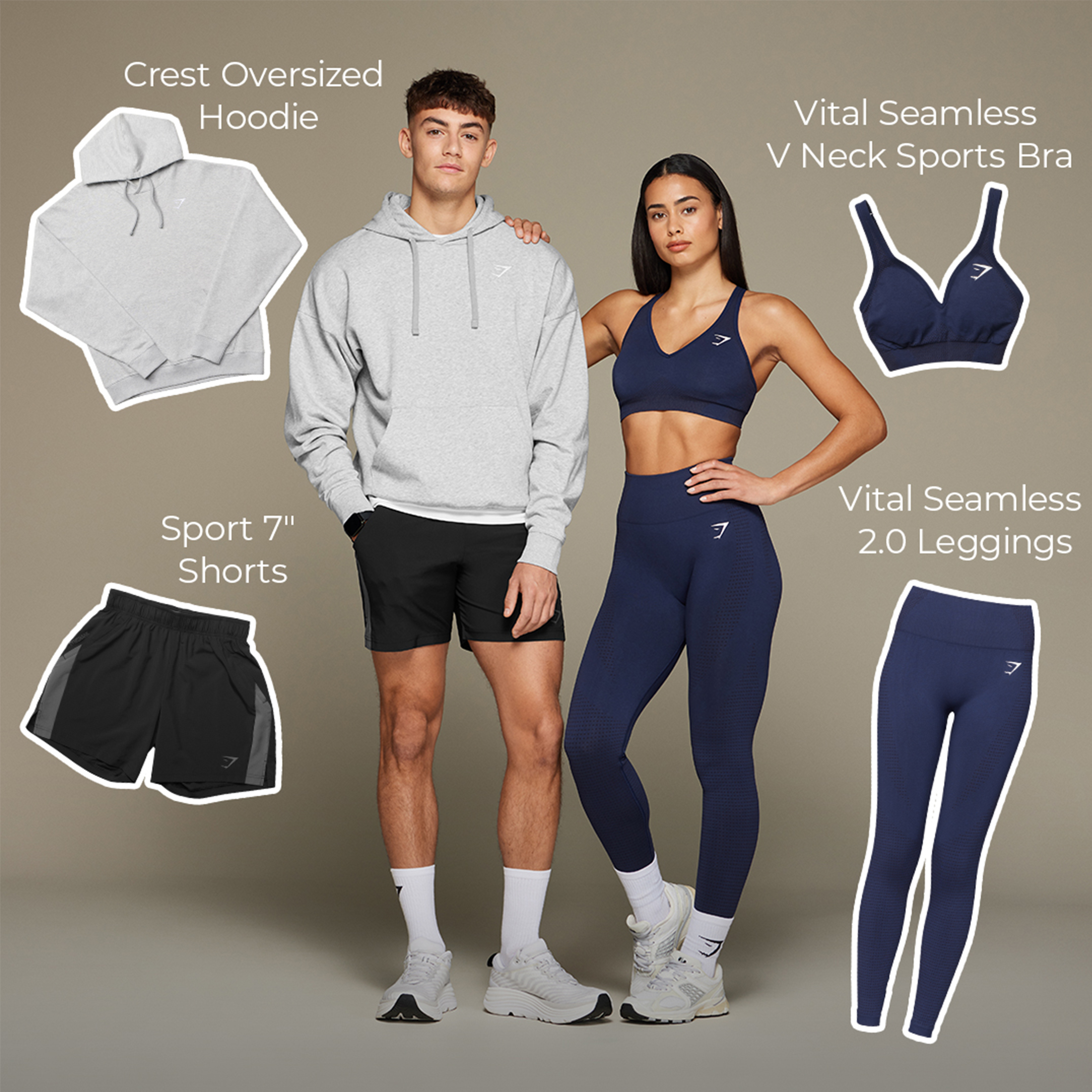
Credit: www.gymshark.com
Should You Buy Branded Or Generic Gym Clothes?
Branded clothes often offer better fit, durability, and innovation in fabric. However, generic or store brands can be just as effective if you choose wisely. Test a few pieces from each and see what works for your body and style.
Quality matters more than the logo. Pay attention to:
- Seam comfort
- Elasticity
- Odor resistance
- Fit and movement
Sometimes, generic brands use the same factories as big-name labels. If you find a style or fabric you like, stick with it regardless of the logo.
Stylish Vs. Functional: Finding Your Balance
Some men care about gym fashion, others just want function. There’s no right or wrong, but:
- Stylish gear can boost confidence and motivation
- Functional clothes are a must for comfort and safety
Start with basics, then add a few stylish pieces if it helps you feel your best.
If you want both, look for brands that balance style with technical fabrics. A simple fitted black tee or joggers can look good in and out of the gym.
The Environmental Impact Of Gym Clothes
Activewear is often synthetic, which can shed microplastics. To reduce your impact:
- Buy only what you need—don’t overstock
- Choose brands with sustainable practices
- Wash clothes in a full load and use a laundry bag to catch fibers
For more info on eco-friendly gym wear, check out Good On You.
You can also extend the life of your gear by repairing small holes, donating what you don’t use, or repurposing old clothes for cleaning or crafts.
Frequently Asked Questions
How Many Gym Outfits Should A Man Have?
Aim for as many complete outfits (shirt, shorts, socks, underwear) as your weekly workout sessions, plus one extra for emergencies. For most men, 3–7 is ideal.
Can I Wear The Same Gym Clothes For Multiple Workouts?
It’s best to wear fresh gym clothes for each workout. Reusing sweaty gear increases the risk of odor and skin irritation, especially with high-intensity exercise.
Are Expensive Gym Clothes Worth It?
Expensive gym clothes often last longer and feel better, but many affordable brands offer good performance. Focus on fit, comfort, and moisture-wicking ability over price.
How Do I Keep My Gym Clothes From Smelling?
Wash them promptly, use a sports detergent, and hang to dry. Avoid fabric softeners and never leave damp clothes in a gym bag.
Is It Okay To Work Out In Regular Clothes?
You can, but gym-specific clothes are designed for movement, sweat-wicking, and durability. Regular clothes may chafe, stretch, or hold odor.
Selecting the right number of gym clothes is about more than just numbers—it’s about comfort, hygiene, and performance. Start with the basics, pay attention to fabric and fit, and adjust as your training routine evolves. With the right gym wardrobe, you’ll always be ready to train your best.
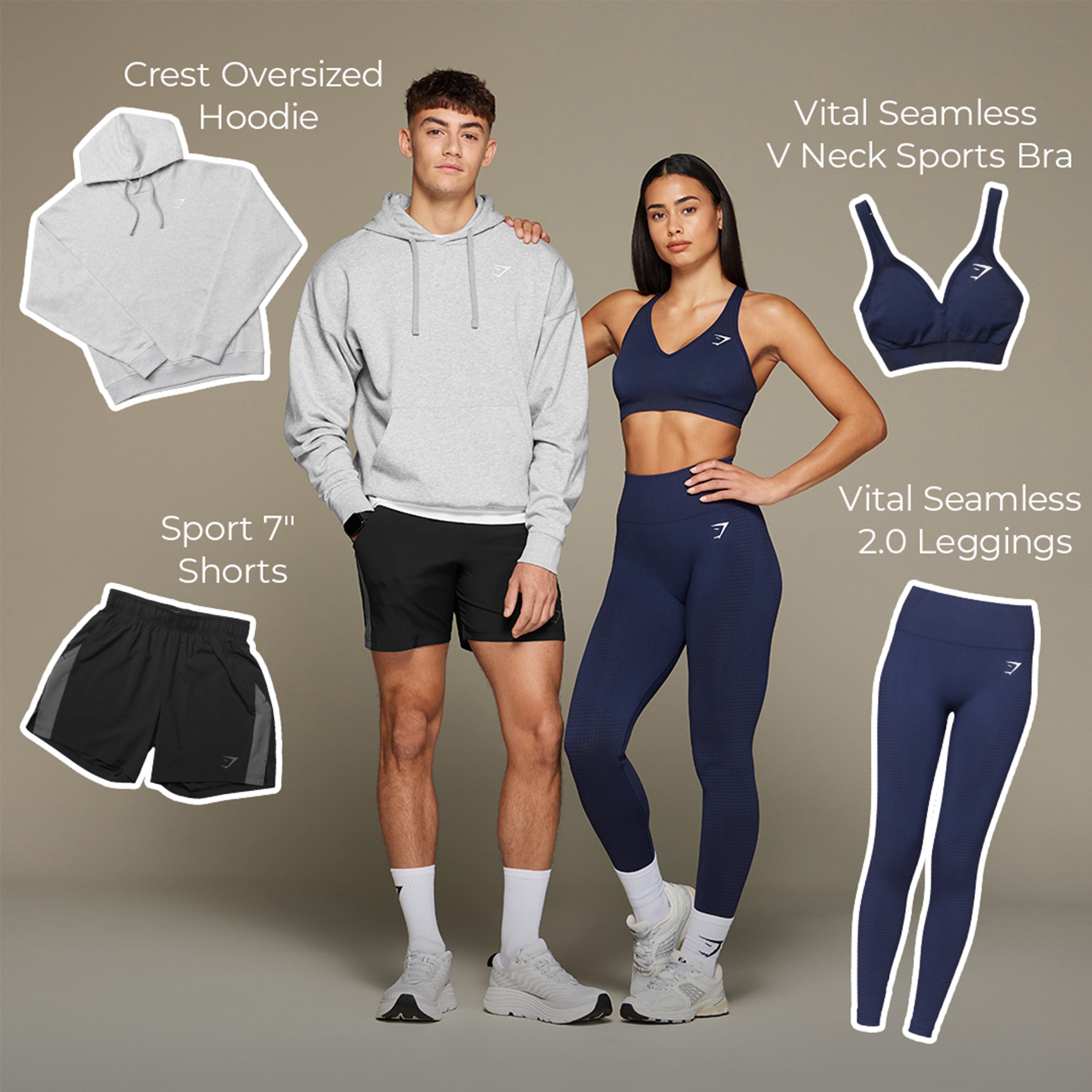
Credit: www.gymshark.com
