

How Many Gym Clothes Do I Need? Essential Guide for Every Athlete
How Many Gym Clothes Do I Need
Finding the right amount of gym clothes is not always easy. Many people ask, “How many gym clothes do I need? ” because they want to avoid overbuying or running out of clean outfits. If you are just starting your fitness journey, or you want to refresh your wardrobe, getting this right saves money, time, and stress.
The answer depends on your workout routine, how often you do laundry, the type of exercises you enjoy, and your personal preferences. This guide will help you figure out what you really need, avoid common mistakes, and build a gym wardrobe that fits your life perfectly.
Why The Right Amount Of Gym Clothes Matters
The right number of gym clothes is more important than it seems. If you have too few, you might skip workouts because nothing is clean. Too many, and you waste money and closet space. Clean, fresh gym outfits help you feel confident and comfortable.
They also prevent skin problems like rashes caused by sweat and bacteria on dirty fabrics.
Having the right amount also means you can always grab something clean, especially during busy weeks or when you travel. Plus, it helps you keep track of your clothes’ condition. If you notice you are always wearing the same old shirt, it is probably time to replace it.
Factors That Affect How Many Gym Clothes You Need
Before you decide how many gym clothes to buy, think about these important factors:
1. Workout Frequency
How often you exercise each week is the most important factor. If you hit the gym once or twice a week, you need fewer outfits than someone who trains every day. Most people work out between three and five times a week.
2. Laundry Schedule
How often do you do laundry? If you wash clothes once a week, you will need enough outfits to last seven days. If you wash every other day, you can get by with fewer. Some people do laundry only on weekends, while others wash their clothes more often.
3. Type Of Workout
Not all workouts need the same gear. High-intensity activities like HIIT or running make you sweat more, so you need fresh clothes each time. Yoga or stretching may let you reuse some items if you do not sweat much. If you swim, you need extra swimwear and towels.
4. Climate
Hot and humid places mean you sweat more, so you need more changes of clothes. In cooler or dry climates, you might be able to reuse some items, especially if you do not sweat heavily.
5. Personal Preferences
Some people are fine wearing the same shorts twice if they smell fresh. Others want a new set every time. Consider what makes you feel comfortable and confident.
6. Gym Facilities
If your gym has showers, you might change at the gym and need extra clothes. If you work out at home, you may not need as many changes, because you can shower and change quickly.
7. Social And Work Life
If you go to the gym before work or after, you might need more clothes to avoid carrying sweaty outfits all day. You may also want a variety of styles for different social or group workout settings.
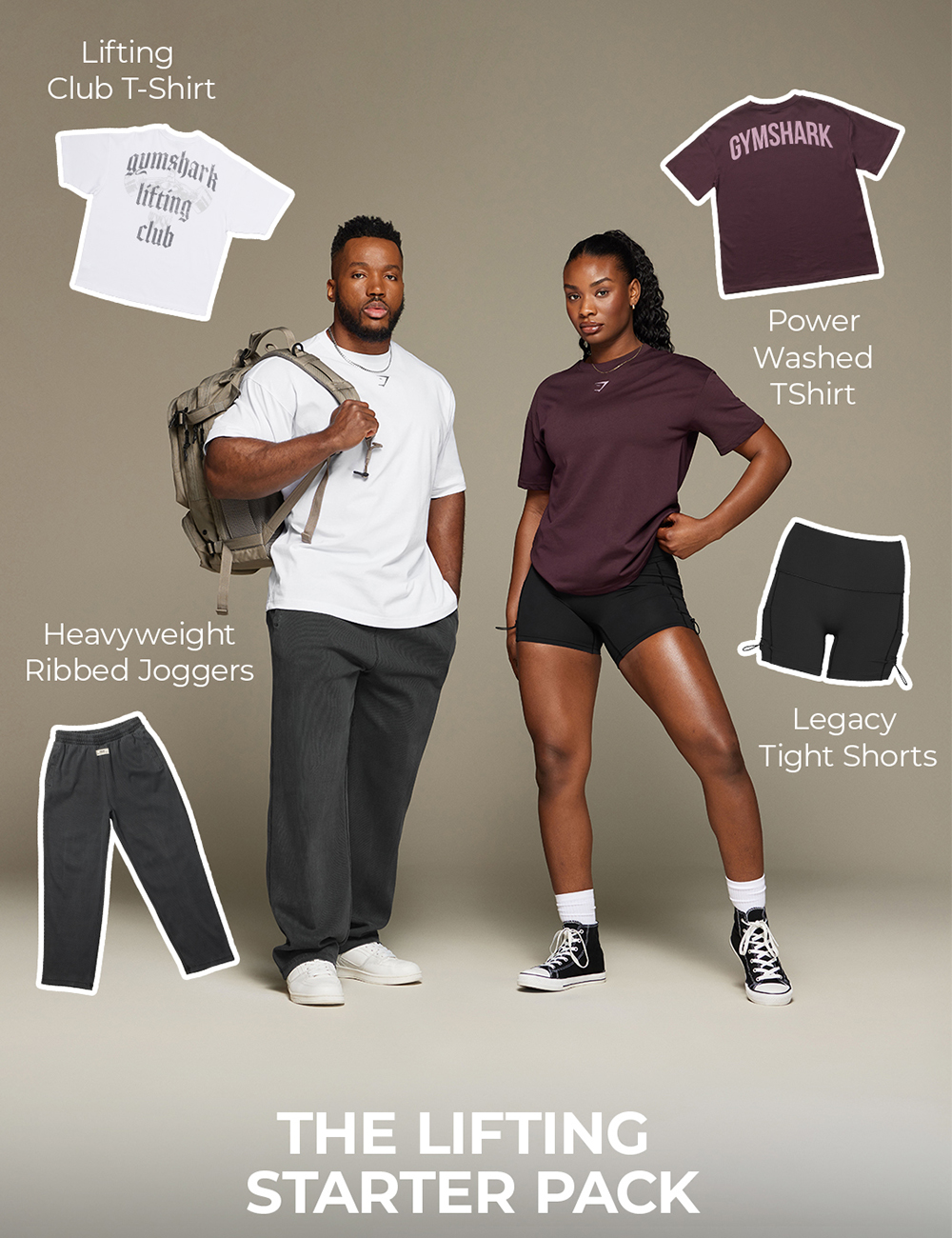
Credit: www.gymshark.com
The Basic Gym Wardrobe: Core Essentials
Let’s break down the must-have gym clothes for most people. This is a starting point. You can adjust based on your own needs.
Tops
You need a clean top for every workout. For most people, this means:
- 3 to 5 moisture-wicking T-shirts or tank tops
These tops help pull sweat away from your skin and dry quickly. Cotton gets heavy and stays wet, so avoid using it for intense workouts.
Bottoms
Choose shorts, leggings, or joggers depending on your activity and comfort. You need:
- 2 to 4 pairs of gym shorts or leggings
You can reuse bottoms if you do not sweat much, but for intense workouts, a clean pair each time is best.
Sports Bras
If you wear a sports bra, you need:
- 3 to 5 sports bras
Sports bras should be washed after each use for hygiene and to keep them supportive.
Underwear And Socks
Clean underwear and socks are important for comfort and health.
- 4 to 7 pairs of workout socks
- 4 to 7 pairs of moisture-wicking underwear
You may need more if you sweat heavily or do not do laundry often.
Outerwear
This includes:
- 1 to 2 hoodies or zip-up jackets for warm-ups or cool-downs
Shoes
Most people need:
- 1 to 2 pairs of gym shoes (one for training, one for running or walking)
If you do specific sports, you may need specialized shoes.
Swimwear And Towels
If you swim or use the sauna:
- 1 to 2 swimsuits
- 2 quick-dry towels
Accessories
Optional but helpful:
- 1 to 2 hats or headbands
- 1 pair of workout gloves (for weightlifting)
Example Wardrobe Sizes Based On Lifestyle
Here is a comparison of how gym wardrobe sizes change depending on your routine. This can help you decide what is right for you.
| Type of Gym-Goer | Workouts/Week | Tops | Bottoms | Sports Bras | Socks/Underwear |
|---|---|---|---|---|---|
| Beginner | 2–3 | 3 | 2 | 3 | 4 |
| Regular | 4–5 | 5 | 4 | 5 | 7 |
| Daily Trainer | 6–7 | 7 | 5 | 7 | 10 |
Non-obvious insight: Many beginners buy too many clothes at first. Start small, then buy more only if you find yourself running out. This saves money and helps you see which styles you really wear.
How Laundry Frequency Changes Your Needs
How often you wash your gym clothes greatly affects how many you need. Here’s a quick look:
| Laundry Frequency | Recommended Tops | Recommended Bottoms | Sports Bras |
|---|---|---|---|
| Daily | 2–3 | 2 | 2–3 |
| Every 2–3 Days | 3–5 | 2–4 | 3–5 |
| Weekly | 5–7 | 4–5 | 5–7 |
If you travel often, consider bringing enough for the whole trip. Hotel laundries may not be convenient or cheap.
Special Workouts That Need Extra Clothes
Some sports or activities need extra or different clothes. Consider these situations:
Outdoor Workouts
If you run or cycle outside, you may need:
- Weatherproof jackets
- Extra socks (rain or mud)
- Reflective gear for safety
Hot Yoga Or Bikram
You will sweat a lot, so you need:
- More tank tops and shorts
- Extra towels for your mat and yourself
Swimming
Swimmers need:
- At least 2 swimsuits (so one can dry)
- Swim caps and goggles
- Waterproof bag for wet items
Crossfit Or Weightlifting
If you do high-intensity training, you may want:
- More shirts and shorts to change after sweaty sessions
- Wrist wraps or gloves
Non-obvious insight: For high-sweat sports, quick-drying fabrics matter more than the number of outfits. Investing in quality materials can mean you need fewer total pieces.
How To Make Gym Clothes Last Longer
You do not have to buy new gym clothes often if you take care of them. Here is how you can keep your workout gear in great shape:
- Wash soon after use. Sweat can damage fabrics and cause odors if left too long.
- Use gentle detergent. Harsh chemicals break down elastic and fibers.
- Air dry when possible. Heat from dryers can shrink or damage stretch fabrics.
- Rotate outfits. Wearing the same set every time wears them out faster.
- Store dry and clean. Damp clothes can grow bacteria or mildew.
By caring for your clothes, you save money and avoid extra shopping trips.
Understanding Quality Vs. Quantity
Some people think buying more clothes means fewer problems, but quality matters more. Cheap gym clothes may wear out or smell bad quickly. Higher-quality gear lasts longer, dries faster, and feels better. Here’s how to judge:
- Fabric: Look for moisture-wicking, quick-dry, and anti-odor properties.
- Seams: Flat seams or seamless options are less likely to chafe.
- Fit: Try on before buying, if possible. Too tight or loose clothes can distract you during workouts.
- Brand reputation: Well-known brands often invest more in durable designs.
Buying a few good pieces is better than a closet full of uncomfortable, worn-out clothes.
How To Build Your Gym Wardrobe On A Budget
You do not need expensive or branded clothes for a good workout. Here are ways to save money:
- Start with basics: Buy only what you need for a week or two.
- Shop sales or outlets: Many stores have end-of-season sales.
- Mix and match: Buy neutral colors that go with everything.
- Avoid “fast fashion”: Cheap clothes often wear out quickly.
- Check online reviews: See what lasts for others before buying.
Experience-based tip: Focus your budget on items you wear most—like tops and sports bras. Shoes are also worth investing in for injury prevention.
Signs You Need More (or Fewer) Gym Clothes
Not sure if you have the right amount? Here are signs to help you decide:
You Need More If:
- You always run out of clean clothes before laundry day
- You skip workouts because nothing is clean
- Your clothes smell even after washing (they are worn out)
- You change for different activities (work, gym, outdoor)
You Need Fewer If:
- Some clothes sit unused for weeks
- You have outfits you never wear
- Your closet is crowded and hard to organize
If you are in doubt, track what you wear for a month. Most people use the same few favorites. Donate or recycle what you do not use.
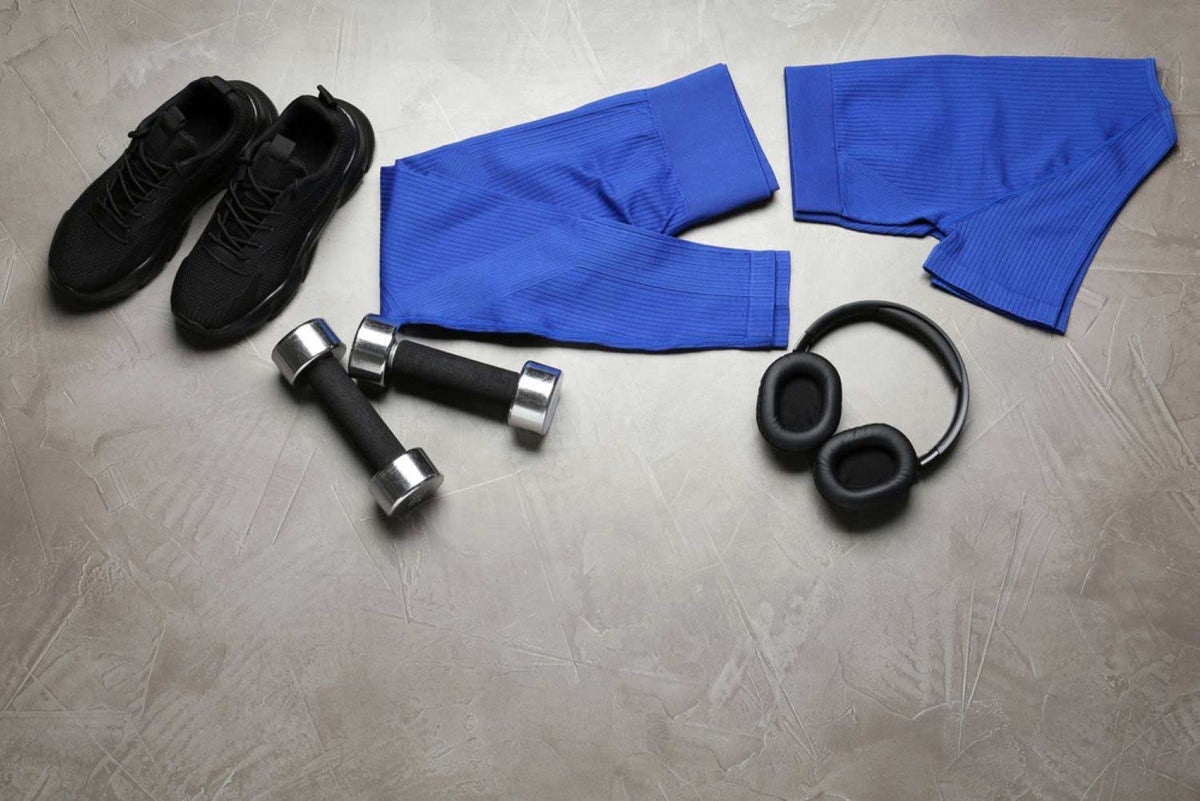
Credit: inphormnyc.com
How To Organize And Store Gym Clothes
Keeping your gym wardrobe organized saves time and makes you more likely to work out. Here are some simple ideas:
- Use separate drawers or bins for tops, bottoms, and accessories
- Keep a gym bag packed with essentials for grab-and-go convenience
- Store clean and dirty clothes separately to prevent odors
- Roll clothes instead of folding to save space and prevent wrinkles
A tidy system helps you see what you have and what you need to replace.
How Many Gym Shoes Do You Need?
Shoes can be expensive, but the right pair is important for safety and performance. Most people need:
- 1 pair for general training (weights, machines, classes)
- 1 pair for running or walking (if you do cardio)
- 1 extra pair if you train outdoors (for mud or rain)
If you do a special sport like tennis or basketball, consider sport-specific shoes. Do not use your gym shoes for daily activities—they wear out faster and lose support.
Should You Re-wear Gym Clothes?
It is tempting to wear gym clothes more than once, especially if you did not sweat much. Here is what to consider:
- Tops and sports bras should be washed after each use for hygiene
- Bottoms can sometimes be worn twice if they are not sweaty or dirty
- Socks and underwear must be changed every time
Exception: If you do light stretching or yoga and do not sweat, you might reuse items. But always check for odor and stains first.
Practical Scenarios: Sample Wardrobe Planning
Let’s look at a few real-life examples to help you decide what to buy.
Example 1: The Weekend Warrior
You work out Friday and Saturday, and do laundry Sunday.
- 2 tops
- 2 bottoms
- 2 sports bras
- 2 socks/underwear
Example 2: The Regular Gym-goer
You work out Monday, Wednesday, Friday, and Sunday, with laundry every Saturday.
- 4 tops
- 3 bottoms
- 4 sports bras
- 5 socks/underwear
Example 3: The Daily Trainer
You work out every day, with laundry twice a week.
- 6–7 tops
- 5 bottoms
- 6 sports bras
- 8 socks/underwear
Adjust for your own routine, sweat level, and preferences.

Credit: kftbrands.com
Mistakes To Avoid When Choosing Gym Clothes
Many people waste money or feel uncomfortable because of these common mistakes:
- Buying too many at once. Start small and add as needed.
- Choosing style over function. Look for comfort and performance.
- Ignoring fabric quality. Low-quality fabrics stretch out or smell quickly.
- Not considering climate. Buy for your environment—warm gear for cold, light for heat.
- Forgetting about laundry. Know how often you wash before you buy.
Straight-to-the-point advice: Try different brands and styles before buying a lot. Your favorites may surprise you.
When To Replace Gym Clothes
Even the best gym clothes wear out. Here’s when to buy new:
- Elastic is loose or stretched out
- Clothes stay smelly after washing
- Fabric is thin, see-through, or torn
- Seams are coming apart
- Shoes feel flat or uncomfortable
Regularly check your gear so you stay comfortable and safe.
What If You Work Out At Home?
Home workouts need fewer clothes for most people. You can change quickly, and laundry is nearby. But do not neglect hygiene—wear clean clothes and shoes for each session. You might need only three to four full outfits, washed often.
Sustainable Choices For Gym Clothes
More people care about the environment and want to buy less. Here are some tips:
- Choose high-quality pieces that last longer
- Wash in cold water to save energy
- Air dry when possible
- Donate or recycle old gear
- Buy from brands with eco-friendly practices
Interesting insight: Some companies now make gym clothes from recycled plastic bottles or ocean waste. These can be just as comfortable and durable.
Quick Reference: Gym Clothes Checklist
Here’s a simple checklist to help you build your gym wardrobe:
- 3–7 tops (moisture-wicking)
- 2–5 bottoms (shorts, leggings, joggers)
- 3–7 sports bras (if needed)
- 4–10 pairs of socks/underwear
- 1–2 hoodies or jackets
- 1–2 pairs of shoes
- 1–2 swimsuits (if needed)
- 2 towels
- Accessories (optional: Hats, gloves, bands)
Adjust numbers based on your routine, sweat level, and laundry schedule.
Frequently Asked Questions
How Many Gym Outfits Do I Need If I Work Out Daily?
You need at least five to seven full outfits if you work out every day and do laundry once a week. If you wash clothes more often, you can get by with fewer sets. Having a fresh top, bottom, sports bra, and socks for each session is important for hygiene and comfort.
Can I Re-wear Gym Clothes Without Washing Them?
It is best to wash tops, sports bras, socks, and underwear after every use. If you do not sweat much during a light workout, you might reuse bottoms once, but always check for odor and stains. Shoes can be used multiple times but should air out between uses.
How Do I Know When To Replace Gym Clothes?
Replace gym clothes when they lose shape, stay smelly after washing, show holes or thinning fabric, or the elastic is stretched out. Shoes should be replaced when they feel flat or cause discomfort, which usually happens after 300–500 miles of running or many months of heavy use.
Are Expensive Gym Clothes Worth It?
Quality matters more than price. Higher-priced items often last longer and perform better, but some affordable brands offer good quality too. Look for moisture-wicking, durable fabrics and comfortable fits. Check reviews and try before buying in bulk.
What’s The Best Way To Care For Gym Clothes?
Wash gym clothes soon after wearing, use gentle detergent, and air dry if possible. Avoid fabric softeners, which can damage stretchy materials. Store clothes dry and clean to prevent odors or mildew. This helps your gym clothes last longer and stay fresh.
For more on gym clothing care and best practices, you can visit this WebMD guide.
Building the right gym wardrobe is simple when you focus on your real needs, lifestyle, and comfort. Start with a few basics, see what you use most, and add or replace as needed. Remember, the best gym clothes are the ones you feel good wearing—so you keep moving, training, and reaching your goals.
