

How Long Should You Wear Gym Shoes Before Replacing Them?
How Long Should You Wear Gym Shoes
Choosing the right time to replace your gym shoes can be confusing. Many people wear their favorite sneakers for too long, while others switch too soon. Your shoes play a big role in keeping your feet comfortable and safe during workouts. But how long should you actually wear gym shoes before it’s time for a new pair? The answer is not just about looks—it's about support, performance, and your health.
This guide will help you understand when to change your workout shoes. We’ll look at how gym shoes wear out, what signs to watch for, and how your activities affect shoe life. You’ll also get tips for caring for your shoes and learn about mistakes many people make.
By the end, you’ll feel confident about your next steps—literally!
Why Shoe Lifespan Matters
Wearing gym shoes past their prime can cause problems. Old shoes lose their shape, padding, and grip. This can lead to sore feet, blisters, or even injuries. Good shoes protect your feet, knees, and back from stress. When shoes wear out, your body feels the impact more.
Modern gym shoes use special materials for comfort and support. But these materials don’t last forever. The foam in the sole compresses. The tread wears down. The structure weakens. All these changes happen slowly, so you might not notice right away.
Replacing shoes at the right time keeps your workouts safe and enjoyable. It also helps you avoid costly injuries or discomfort that can set back your progress.
How Long Do Gym Shoes Typically Last?
There is no single answer because it depends on how often and how hard you train. But most experts suggest replacing gym shoes every 300 to 500 miles of use. If you prefer hours, that’s about 80 to 120 hours of gym time for most people.
For someone who works out three times a week, gym shoes might last six months to a year. If you use your shoes for running or intense classes, they may wear out faster. Light use, like walking or stretching, means your shoes last longer.
Here’s a simple comparison for different activities:
| Activity Type | Expected Shoe Lifespan |
|---|---|
| Running (treadmill/outdoor) | 4-8 months |
| Weight Training | 8-12 months |
| Group Classes (HIIT, aerobics) | 5-10 months |
| Light Use (stretching, yoga) | 12+ months |
But these are just guidelines. Your own experience might be different. Pay attention to how your shoes feel, not just how long you’ve had them.

Credit: www.ironsidetraining.com
Signs Your Gym Shoes Need Replacing
Even if your shoes still look okay, they may be worn out inside. Here are clear signs you need a new pair:
1. Worn Tread
If the bottom of your shoes is smooth or uneven, you may slip or lose grip.
2. Flat Or Compressed Cushioning
When the shoe feels hard or you feel the ground more, the cushioning is gone.
3. Pain Or New Discomfort
Foot, knee, or back pain during or after workouts often means your shoes are no longer supporting you.
4. Visible Damage
Tears, holes, or loose parts can affect shoe stability.
5. Loss Of Shape
If your shoes lean to one side or don’t bounce back, they’re worn out.
6. Odor That Won’t Leave
A strong smell that doesn’t go away can mean bacteria are deep inside. This is not just a hygiene issue—it can affect your skin health.
7. Uneven Wear Patterns
If one part of the shoe sole wears out faster, your shoes can throw off your balance.
Factors That Affect Gym Shoe Lifespan
Many things change how long your gym shoes last. Here are the most important:
Frequency Of Use
Wearing your gym shoes more often naturally shortens their life. A daily gym-goer will need replacements sooner than someone who exercises once a week.
Type Of Exercise
High-impact activities like running and jumping wear out shoes quickly. Weightlifting causes less wear, unless you drag your feet or twist a lot.
Your Body Weight
Heavier people put more pressure on shoes, compressing the cushioning faster. Lighter users may get more months from the same pair.
Surface Type
Running on a treadmill is softer than outdoor concrete. Hard floors and rough terrain wear out shoes faster.
Shoe Quality
Not all gym shoes are made the same. High-quality shoes from trusted brands usually last longer because they use better materials and construction.
Foot Shape And Gait
If you have flat feet, high arches, or unusual walking patterns, you might wear out shoes in certain spots. Custom insoles or orthopedic shoes can help.
How To Track Shoe Wear
Many people lose track of when they bought their gym shoes. Here are some ways to stay on top of it:
- Write the purchase date on the shoe tongue or inside with a marker.
- Use a fitness app to log shoe usage. Some apps let you track mileage for each pair.
- Take a photo of your new shoes and check the date when you wonder how old they are.
- Note changes in comfort or performance in your workout journal.
These simple steps can remind you when it’s time to check for wear.
The Risks Of Wearing Old Gym Shoes
Sticking with worn-out shoes can lead to problems:
- Injuries: Without support, you risk sprains, shin splints, plantar fasciitis, and knee pain.
- Poor Performance: Old shoes absorb less shock, making workouts harder.
- Blisters and Calluses: Damaged interiors rub your skin the wrong way.
- Bad Posture: Uneven soles change how you walk and stand, hurting your joints over time.
- Odor and Bacteria: Old shoes hold sweat and germs, which can cause foot infections.
Ignoring these risks can turn a small annoyance into a big setback.
How To Make Your Gym Shoes Last Longer
You can’t keep gym shoes forever, but you can stretch their life with good habits:
1. Rotate Pairs
If you exercise often, own two pairs and alternate them. This gives each pair time to air out and recover their shape.
2. Use For Exercise Only
Don’t wear gym shoes for daily errands. Reserve them for workouts to avoid extra wear.
3. Keep Them Dry
After workouts, remove the insoles and let shoes air out. If they get wet, stuff them with newspaper to absorb moisture.
4. Clean Regularly
Brush off dirt and wipe with a damp cloth. Wash laces and insoles by hand. Avoid machine washing unless the shoe label says it’s safe.
5. Untie Your Shoes
Don’t force your feet in or out without untying the laces. This helps keep the heel and shape strong.
6. Store Properly
Keep shoes in a cool, dry place. Avoid hot, damp spaces like car trunks or bathrooms.
7. Replace Insoles
Buying new insoles can add life to your shoes, especially if the rest is still in good shape.
These habits not only save money but also keep your feet healthier.
How Gym Shoe Needs Differ By Activity
Not all gym shoes are made for the same purpose. The way you use them affects how quickly they wear out and when to replace them.
Running
Running shoes have extra cushioning for shock absorption. They wear out faster than shoes used for walking or lifting. Replace them when the sole is flat or you feel less bounce.
Cross-training
Cross-trainers are built for side-to-side movement. The sole is usually stronger. If you do a mix of cardio, classes, and weights, watch for worn tread and support.
Weightlifting
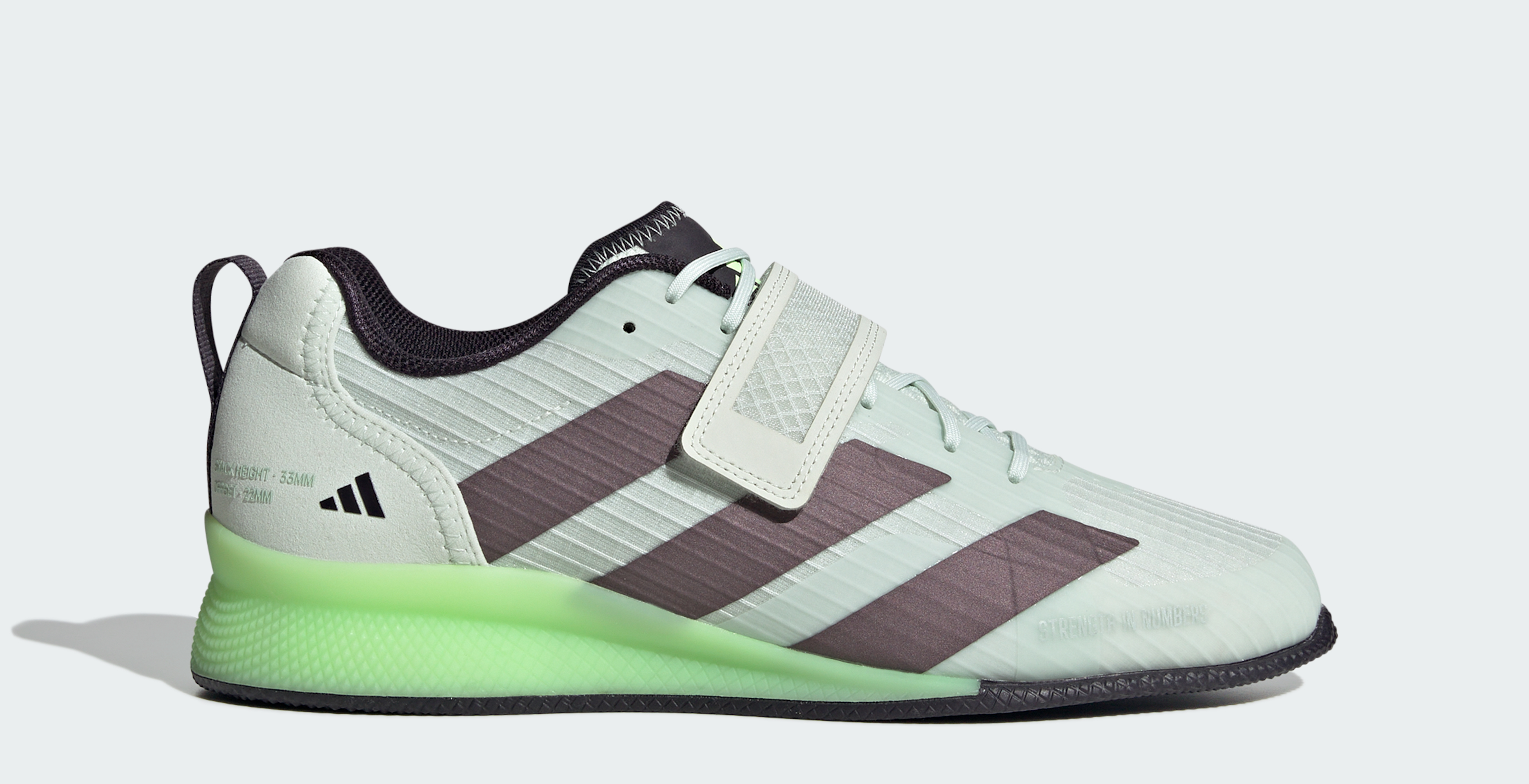
Weightlifting shoes focus on stability, not cushioning. They last longer if you only use them for lifting. Replace if the sole loses grip or the shoe loses shape.
Group Fitness
Aerobics, HIIT, or dance classes involve lots of jumping and twisting. Shoes for these activities break down quickly. Replace when you feel less support or notice foot pain.
Walking And General Fitness
If you use gym shoes for walking, pay attention to comfort. Replace if the heel feels uneven or you get new blisters.
| Activity | Shoe Feature | Wear-out Sign |
|---|---|---|
| Running | Cushioning | Flat sole, less bounce |
| Cross-Training | Side support | Worn tread, loose fit |
| Weightlifting | Firm base | Loss of grip, shape |
| Group Fitness | Shock absorption | Pain, sole cracks |
| Walking | Comfort, fit | Uneven heel, blisters |

Credit: www.youtube.com
How Different Shoe Materials Age
The materials in your gym shoes affect both performance and lifespan. Here’s what to know:
- EVA Foam: Common in midsoles. Compresses over time, losing shock absorption.
- Rubber Soles: Durable, but can crack or wear smooth. Check for grip loss.
- Mesh Uppers: Breathable, but can tear or stretch, causing poor fit.
- Leather or Synthetic Leather: Tough, but may crack or lose shape if not cared for.
- Knitted Uppers: Lightweight, but less durable. Replace if they lose support.
If your shoes use advanced gels or air pockets, these features can stop working even if the shoe looks fine. Don’t rely just on appearance.
When To Replace Gym Shoes: Common Mistakes
People often make these errors when deciding if they need new gym shoes:
1. Judging By Looks Only
Shoes can look good but be broken inside. Always check comfort and support.
2. Ignoring Small Discomfort
A little pain can mean the shoe is past its best. Don’t wait for big problems.
3. Using One Pair For Everything
Using gym shoes for sports, errands, and outdoor activities shortens their life.
4. Not Rotating Shoes
Wearing the same pair every day breaks them down faster.
5. Trusting Expensive Means Durable
High price doesn’t always mean longer life. Check build quality and reviews.
6. Waiting For Visible Damage
Replace shoes based on feel, not just holes or tears.
How To Choose Replacement Gym Shoes
When it’s time for new shoes, don’t just pick the latest style. Here’s what matters:
- Fit: Try shoes later in the day when your feet are a little swollen. Leave space for your toes.
- Support: Choose shoes for your main activity. Runners need cushioning; lifters need stability.
- Arch Type: Know your arch—flat, normal, or high. Pick shoes that match.
- Tread Pattern: Choose grip that suits your gym floor or outdoor surface.
- Breathability: Mesh uppers keep feet cool and dry.
- Try Before Buying: Walk and jump in the store. Shoes should feel good right away—don’t expect them to “break in.”
- Check Return Policies: Some stores allow returns after a few workouts if the shoes don’t work for you.
| Feature | Importance | Common Mistake |
|---|---|---|
| Fit | High | Buying too small/large |
| Support | High | Ignoring foot type |
| Tread | Medium | Wrong for surface |
| Style | Low | Choosing by looks only |
Special Situations: When To Replace Sooner
Some people need to change their gym shoes more often:
- Sweaty Feet: Extra moisture wears out interiors faster.
- Foot Problems: If you have plantar fasciitis, bunions, or other foot issues, worn shoes can make things worse.
- Heavy Use: If you’re training for a competition or use the shoes for multiple workouts per day, check them monthly.
- Outdoor Use: Dust, dirt, and rough surfaces shorten shoe life.
- Teenagers and Kids: Growing feet may need new shoes more often, even if the old pair isn’t worn out.
Listen to your feet and body. If you notice pain or discomfort, don’t wait.
What To Do With Old Gym Shoes
Don’t just throw old gym shoes in the trash. Here are some ideas:
- Use for Yard Work: Old shoes are fine for gardening, painting, or outdoor chores.
- Donate: Some charities accept gently used shoes for people in need.
- Recycle: Look for shoe recycling programs that turn old shoes into playground surfaces or other products.
- Creative Projects: Some people use old shoes for art or planters.
Check with local groups or stores for recycling options. This helps the environment and your community.
Expert Tips For Shoe Longevity
Here are two insights that many beginners miss:
1. Shoe “rest” Time Extends Life
Just like your muscles, shoes benefit from rest. Shoes recover their shape and cushioning if you don’t use them every day.
2. Foot Changes Mean Shoe Changes
Your feet can change over time due to age, weight, or injury. Even if your old size was perfect, always try on new pairs before buying. Don’t buy the same model blindly.
Listening To Your Body
Your body often knows before your eyes do. If you feel new aches, fatigue, or changes in balance, check your shoes first. Don’t ignore these warnings. Replacing shoes at the right time is a small investment for big rewards in comfort and injury prevention.
Frequently Asked Questions
How Often Should I Replace My Gym Shoes If I Work Out Daily?
If you use your gym shoes every day, you may need a new pair every four to six months. This depends on shoe quality, your weight, and workout type. Watch for signs of wear like flat soles or pain.
Can I Wash My Gym Shoes In The Washing Machine?
Some gym shoes can be machine washed, but many will lose shape or break down faster. Always check the label. Hand washing and air drying are safer options for most athletic shoes.
What If My Shoes Still Look New But Feel Uncomfortable?
Looks can be deceiving. If your shoes feel flat, hard, or unsupportive, it’s time to replace them—even if they look fine outside. The inside cushioning may be worn out.
Is It Bad To Use The Same Shoes For Different Activities?
Using one pair for everything will wear them out faster. It’s better to have different shoes for running, lifting, and daily use. This helps each pair last longer.
Where Can I Learn More About Shoe Wear And Foot Health?
For more detailed information, check resources like the American Podiatric Medical Association.
Taking care of your gym shoes is more than a detail—it’s a way to protect your body and get more from every workout. By understanding when and why to change your shoes, you’ll enjoy better fitness, fewer injuries, and happier feet.
Listen to your body, care for your shoes, and step forward with confidence.
Credit: www.adidas.com
