

How Long Should You Wear Gym Shoes Before Replacing Them?
How Long Should You Wear Gym Shoes
Finding the right time to replace your gym shoes can be confusing. Many people keep wearing the same pair for too long, risking injury and poor performance. Others may switch shoes too soon, wasting money. If you want to get the best from your workouts and protect your feet, understanding how long you should wear gym shoes is essential.
This guide gives you clear, practical advice on when to replace your gym shoes, what signs to look for, and how to make your shoes last longer. Whether you are a casual gym-goer or a fitness enthusiast, you will learn tips and facts that even experienced athletes sometimes overlook.
Let’s help you make the right choice for your feet and your fitness journey.
Why Gym Shoes Matter More Than You Think
Wearing the right gym shoes is about more than comfort. Your shoes protect your feet, support your body, and even affect your balance. Good gym shoes can help prevent injuries such as shin splints, plantar fasciitis, and knee pain. They also help you move with confidence during exercise—whether you run, jump, lift weights, or attend group classes.
One thing many beginners miss: different activities put different demands on your shoes. A pair that works for running may not be good for weightlifting. Using old or worn-out shoes increases your risk of blisters, ankle sprains, or long-term joint problems.
How Long Do Gym Shoes Usually Last?
There is no single answer to how long you should wear gym shoes. The lifespan of a pair depends on several factors:
- Type of activity: Running, cross-training, and weightlifting all wear down shoes differently.
- Frequency of use: Daily users will need to replace shoes more often than those who exercise once a week.
- Body weight and biomechanics: Heavier people or those with unique foot shapes may wear out shoes faster.
- Shoe quality: Higher-quality shoes with better materials last longer.
For most gym shoes, the general guideline is:
| Type of Gym Shoe | Average Lifespan (Hours of Use) |
|---|---|
| Running Shoes | 300–500 hours |
| Cross-Trainers | 350–500 hours |
| Weightlifting Shoes | Up to 1000 hours |
| Walking Shoes | 400–600 hours |
One non-obvious insight: hours of use is often a better measure than months or years. If you only go to the gym once a week, your shoes can last much longer than someone who trains every day.
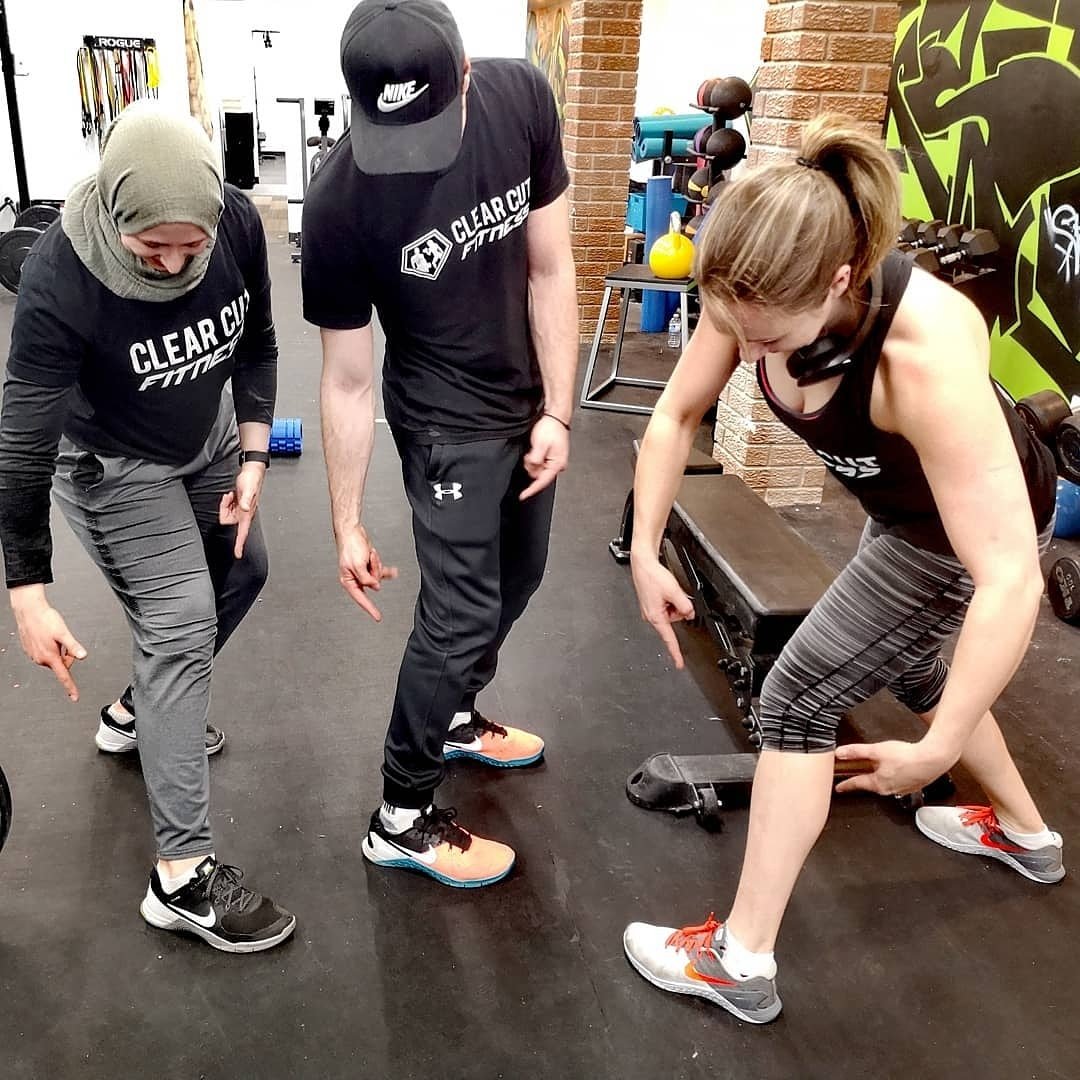
Credit: www.clearcut-fitness.com
Signs Your Gym Shoes Need Replacing
Sometimes, shoes look fine on the outside, but the support inside is gone. Here are key signs your gym shoes are ready for retirement:
- Worn-out Soles: The bottom of your shoes is smooth, and the tread pattern is barely visible.
- Flat Cushioning: Press down on the midsole. If it feels hard or has lost its bounce, support is gone.
- Uneven Wear: One side of the shoe is more worn than the other. This can affect your balance.
- Holes or Tears: The upper part of the shoe has visible damage.
- Unpleasant Odors: Persistent smells can indicate bacteria buildup, which is hard to clean.
- Pain or New Injuries: If your feet, ankles, knees, or hips hurt after exercise, your shoes may be the cause.
Most people do not realize that small changes—like a slightly uneven sole—can lead to bigger problems over time. Replacing shoes before they are completely destroyed can protect your health.
How Your Activity Affects Shoe Lifespan
Running
Running puts a lot of pressure on gym shoes. Each step can create a force up to three times your body weight. For runners, shoes should usually be replaced after 300 to 500 miles of use. If you run 20 miles a week, that’s about every 4–6 months.
Weightlifting
Weightlifting shoes are built to be sturdy. They support your foot and provide a stable base. Since they do not face the same impact as running shoes, they can last much longer—sometimes up to 1000 hours. However, if you use them for other activities (like running or jumping), they will wear out faster.
High-intensity Interval Training (hiit)
HIIT shoes face a mix of running, jumping, and quick side movements. This variety can wear them down quickly. If you do HIIT 3–4 times a week, check your shoes every 6–8 months.
Walking And Light Cardio
Shoes used mainly for walking will last longer. The impact is less intense, so you may only need to replace them every 8–12 months if you walk an average amount.
Cross-training
Cross-trainers are designed for versatility, but not for heavy mileage. If you use them for a mix of gym classes, treadmill, and weights, expect to replace them every 6–9 months.
Factors That Impact Shoe Longevity
Not everyone will get the same lifespan from their gym shoes. Here are some factors that make a difference:
- Foot shape and gait: People with flat feet, high arches, or overpronation will wear down shoes differently.
- Surface type: Treadmills are softer than concrete. Outdoor workouts will wear shoes faster.
- Shoe care: Regular cleaning and proper storage can help shoes last longer.
- Sock choice: Thick, moisture-wicking socks can reduce internal wear and odor.
People often overlook how much surface and socks matter. For example, running on gravel or using thin, rough socks can cut the lifespan of your shoes by 20% or more.
Tips To Make Your Gym Shoes Last Longer
Taking care of your gym shoes can add months to their life. Here are some proven tips:
- Rotate Between Pairs: If you work out often, use two pairs and alternate days. This allows each pair to dry and recover.
- Clean Regularly: Remove dirt and sweat after each use. Hand wash with mild soap when needed; avoid washing machines.
- Air Them Out: Take out the insoles and let shoes dry fully after each workout.
- Unlace Properly: Do not pull your shoes off without unlacing. This keeps the heel and upper from stretching out.
- Use for Their Purpose: Do not use running shoes for weightlifting or vice versa. Specialized shoes last longer when used correctly.
- Store Properly: Keep shoes in a cool, dry place. Avoid leaving them in hot cars or damp gyms.
A practical trick: stuff your shoes with newspaper after workouts. This absorbs moisture, reduces odor, and helps keep their shape.
Shoe Replacement By Activity: A Closer Look
Different activities break down gym shoes in unique ways. Here’s a breakdown of common activities and shoe needs.
| Activity | Key Shoe Features | Replacement Frequency |
|---|---|---|
| Running | Cushioning, flexibility, lightweight | Every 300–500 miles |
| Weightlifting | Stable, flat sole, strong upper | Every 1,000 hours or visible wear |
| HIIT | Grip, lateral support, cushioning | Every 6–8 months |
| Walking | Comfort, arch support, light weight | Every 8–12 months |
| Cross-Training | Versatility, support, moderate cushion | Every 6–9 months |
How To Track Shoe Usage: Simple Methods
Tracking shoe usage helps you know when it’s time to replace them—before they cause pain. Here are a few easy ways:
- Fitness Apps: Many running apps let you log shoe mileage.
- Calendar Reminders: Note the purchase date and set reminders for 6 months later.
- Shoe Logbook: Write down workouts and shoe use in a notebook.
- Visual Checks: Regularly inspect soles and cushioning.
Many people forget to track their shoe use. By the time pain or discomfort appears, the damage may already be done.
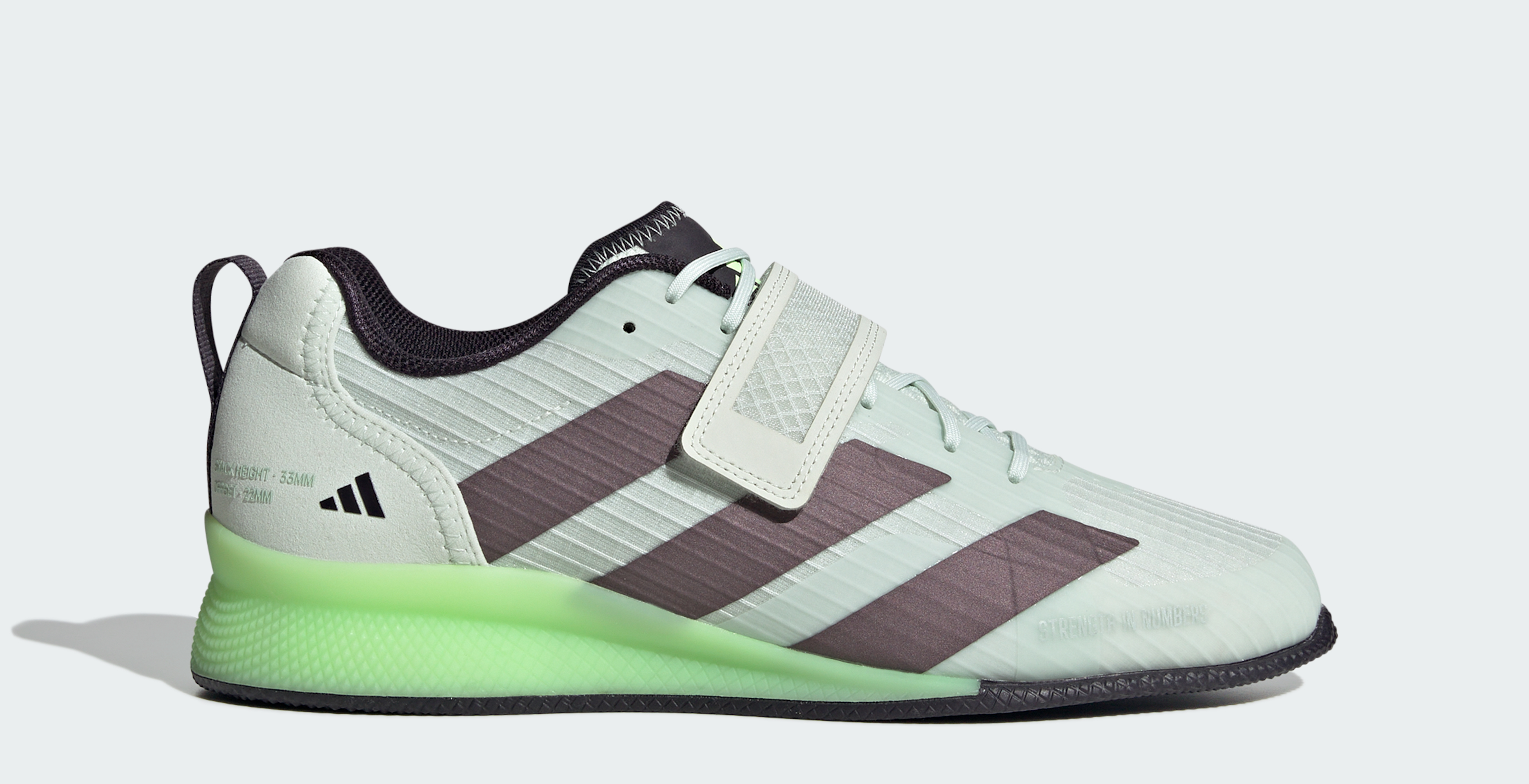
Credit: www.adidas.com
What Happens If You Wear Shoes Too Long?
Old gym shoes do not just look bad—they can harm your health. The risks include:
- Foot pain and blisters: Worn-out shoes lose their protective padding.
- Ankle and knee injuries: Lack of support can cause your foot to move in unnatural ways.
- Back pain: Bad shoes throw off your alignment.
- Reduced performance: Old shoes make you slower, less stable, and more likely to slip.
A surprising detail: some injuries from old shoes build up slowly. You may not notice problems until they become serious. Always listen to your body—if something feels wrong, check your shoes first.
How To Choose Replacement Gym Shoes
When it’s time to buy new gym shoes, focus on these points:
- Fit: Shoes should feel snug but not tight. There should be a thumb’s width of space at the toe.
- Support: Choose shoes made for your activity and foot type.
- Cushioning: Enough to absorb impact, but not so much your foot feels unstable.
- Breathability: Look for mesh or ventilation to keep feet cool.
- Quality materials: Better materials last longer and give better support.
Try on shoes at the end of the day when your feet are largest. Wear the socks you use for workouts. Walk, jump, and twist in the store to test the fit.
Common Mistakes People Make With Gym Shoes
Even experienced gym-goers make mistakes that shorten the life of their shoes or risk injury. Some of the most common are:
- Ignoring pain: Blaming discomfort on workout intensity, not shoes.
- Using one pair for everything: Running, lifting, and HIIT all need different support.
- Washing shoes in a machine: This breaks down glue and materials faster.
- Not unlacing shoes: Pulling shoes off by the heel damages structure.
- Wearing worn-out insoles: Insoles flatten before the shoe looks bad outside.
- Storing shoes in hot/damp places: This can cause materials to break down or mold to form.
One overlooked mistake: not replacing shoes after a foot or leg injury. Your old shoes may have worn in a way that matches your old stride, not your healed one.
Can You Extend The Life Of Gym Shoes?
You cannot make shoes last forever, but you can get the most from them. Here are some advanced tips:
- Replace insoles: If the shoe structure is good but the inside is flat, new insoles can add months of life.
- Use shoe trees: These help shoes keep their shape and dry out faster.
- Spot clean stains: Cleaning right away prevents deeper damage.
- Alternate with sandals: After workouts, change into sandals to let shoes fully dry.
- Patch small holes: Use special shoe glue or patches for minor damage.
Still, know when to let go. If the sole is smooth or the shoe feels unstable, it is time for a new pair.
The Science Behind Shoe Wear And Injury
Research shows that worn-out gym shoes can lead to a much higher risk of injury. According to studies, running in shoes with worn cushioning increases the impact on your joints by up to 25%. This extra stress can cause injuries like shin splints or even stress fractures over time.
Another study found that athletes who replaced shoes after 500 miles had fewer injuries than those who waited longer. Even small changes in the sole can affect your running or lifting form, leading to aches and pains.
For more scientific details about how shoes affect your health, you can visit PubMed Central.
The Environmental Side: What To Do With Old Gym Shoes
Throwing away old gym shoes is not the only option. Consider these alternatives:
- Donate: If the shoes still have some life, donate them to local charities or shoe banks.
- Recycle: Many brands and stores collect old shoes to recycle into new products or playground surfaces.
- Repurpose: Old shoes can be used for gardening or messy jobs.
A non-obvious insight: Some running brands offer discounts if you bring in old shoes for recycling. Check with local stores before tossing your shoes in the trash.
Comparison: Gym Shoe Lifespan By Brand
Some brands last longer than others due to materials and construction. Here’s a general comparison:
| Brand Type | Average Lifespan (Miles) | Notable Feature |
|---|---|---|
| Budget Brands | 200–300 | Lower cost, less durable |
| Mid-range Brands | 300–400 | Balance of price and quality |
| Premium Brands | 400–500+ | Better materials, longer life |
Remember, these numbers are averages. How you use and care for shoes can change the actual lifespan.
When To Replace Shoes If You Use Multiple Pairs
Many gym lovers rotate shoes for different workouts. If you do this, the lifespan of each pair extends, but tracking becomes more important. Rotate shoes of similar age, and mark the purchase date inside each pair to keep track.
If you use shoes only once a week, they may last longer, but materials can still break down over time—even if they look good. Replace them at least every 1–2 years, even with light use.

Credit: www.ironsidetraining.com
Special Considerations For Kids And Teens
Children and teenagers need to replace gym shoes more often, not only because of wear but also because of growing feet. For active kids:
- Check fit every 2–3 months. Growth spurts can make shoes too small quickly.
- Look for signs of wear just like adult shoes: Flat soles, holes, or pain complaints.
- Choose adjustable shoes (with laces or straps) for more flexibility.
Never hand down heavily used shoes between children. The shape molds to the first wearer and may cause problems for the next.
Are Expensive Shoes Worth It?
Price does not always equal quality, but very cheap shoes often use lower-grade materials that wear out faster. Premium shoes can cost more, but if they last longer, the cost per use may be lower. Focus on fit, comfort, and reviews rather than just the brand name.
A clever tip: check for last season’s models or color discounts. You can get top-quality shoes for less, with the same performance.
Real-life Example: Tracking Shoe Lifespan
Consider Maria, a regular gym-goer. She attends three cardio classes and two weight sessions a week, using the same pair of cross-trainers. After about eight months, she noticed foot pain and checked her shoes. The treads were smooth and the insoles felt flat.
By tracking her usage, she learned that she had used her shoes for about 400 hours—right at the average lifespan. Replacing them fixed her discomfort.
This kind of self-check can prevent injury and keep you performing at your best.
Frequently Asked Questions
How Can I Tell If My Gym Shoes Are Worn Out If They Still Look Good?
Check the cushioning and support inside, not just the outside. Press on the midsole to see if it has lost its bounce. Try on a new pair for comparison—if your old shoes feel flat or unsupportive, it’s time to replace them.
Can I Use Running Shoes For Gym Workouts?
Running shoes are built for forward motion and impact absorption. For general gym use, cross-trainers or activity-specific shoes offer better support for side movements and lifting. Using running shoes for HIIT or weights can wear them out faster and increase injury risk.
What Is The Best Way To Clean Gym Shoes?
Remove dirt with a soft brush and clean with mild soap and water. Air dry them away from direct heat. Remove insoles to dry separately. Do not use washing machines or dryers, as these can damage materials and glue.
Do Expensive Gym Shoes Last Longer Than Cheap Ones?
Often, but not always. Premium shoes usually use better materials and construction. However, lifespan also depends on how you use and care for them. Sometimes, a mid-range shoe with proper care will last longer than an expensive one used incorrectly.
Should I Replace My Gym Shoes After An Injury?
Yes. After an injury, your walking pattern may change, and your old shoes may not provide the right support. It’s smart to replace them and get fitted for new shoes based on your current needs.
Staying attentive to your gym shoes’ condition is one of the simplest ways to protect your health and improve your workouts. Don’t wait for pain or injury—regular checks and timely replacements keep you moving strong and safe.
