

How Does Rash Guard Work: Ultimate Protection and Comfort Explained
Have you ever wondered how a rash guard actually protects your skin? Whether you’re surfing, swimming, or just spending time outdoors, knowing how this special gear works can make a big difference in your comfort and safety.
Imagine feeling confident in the water without worrying about irritation, sunburn, or sudden chills. You’ll discover exactly what makes rash guards so effective and why adding one to your gear is a smart choice. Keep reading to unlock the secrets behind this simple yet powerful piece of clothing—and see how it can improve your next adventure.
Material Technology
Rash guards use special materials to protect your skin and keep you comfortable. These fabrics make rash guards perfect for water sports and outdoor activities. Understanding the technology behind the fabric helps you see why rash guards work so well.
Fabric Types
Most rash guards are made from polyester, nylon, or spandex blends. These fabrics stretch well and fit snugly on the body. They resist wear and tear from water, sun, and rough surfaces. The mix of materials helps rash guards dry fast and move with you easily.
Moisture Wicking
Rash guard fabrics pull sweat away from your skin. This moisture moves to the fabric's surface and dries quickly. Staying dry helps prevent chafing and keeps you cooler. Moisture-wicking fabrics improve comfort during intense activity or long hours outdoors.
Uv Protection
Many rash guards have built-in UV protection. The fabric blocks harmful ultraviolet rays from the sun. This helps reduce sunburn and skin damage. UV protection is important for outdoor sports and beach days. Rash guards act like a second skin barrier against the sun.

Credit: veslpaddleboards.com
Design Features
Rash guards have special design features that protect your skin and improve comfort. These features help the garment fit well and last long. Each part plays a role in how the rash guard works during water sports or workouts.
Seam Construction
Rash guards use flatlock seams to reduce irritation. These seams lie flat against the skin. They prevent chafing during movement. Strong stitching also keeps the rash guard from tearing. Good seam construction means the garment stays comfortable and durable.
Fit And Flexibility
The fit is tight but not too tight. It hugs the body to block out sand and sun. Stretchy fabric allows easy movement. This flexibility helps athletes move freely without restrictions. The rash guard moves with your body during activity.
Breathability
Breathable fabric helps sweat evaporate quickly. It stops the rash guard from feeling sticky or heavy. This keeps the skin dry and cool. Breathability makes the rash guard comfortable for long wear. It also helps prevent overheating in hot conditions.
Protection Benefits
Rash guards offer important protection benefits for your skin and comfort. They are designed to shield your body during water sports and outdoor activities. Wearing a rash guard helps reduce risks of skin problems and keeps you comfortable for longer periods.
Skin Irritation Prevention
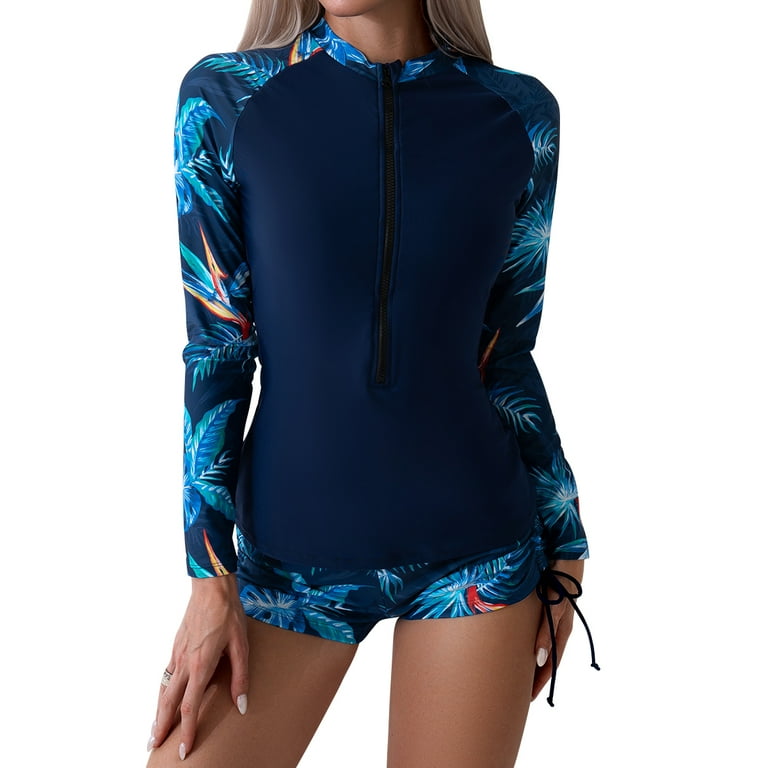
Rash guards create a smooth barrier between your skin and rough surfaces. This stops sand, salt, and gear from rubbing directly on your skin. The tight fabric reduces friction, which prevents rashes and itching. People with sensitive skin find rash guards very helpful.
Sunburn Defense
Rash guards block harmful ultraviolet (UV) rays from the sun. Many have built-in UPF ratings that protect better than regular clothes. Covering your skin lowers the chance of sunburn and skin damage. This is important for long hours outside or on the water.
Chafing Reduction
Chafing happens when skin rubs against skin or clothing repeatedly. Rash guards fit snugly and reduce skin-to-skin contact. The smooth fabric stops painful rubbing in areas like underarms and thighs. This keeps you moving without discomfort during activity.
Credit: www.walmart.com
Comfort Factors
Comfort matters most in a rash guard. It keeps you moving freely and feeling good. The fabric and design work together to make sure you stay cool and dry. Let’s explore how rash guards help with comfort.
Temperature Regulation
Rash guards help keep your body temperature steady. They block strong sun rays that can heat your skin. The fabric lets air flow to cool you down. It stops you from getting too hot or too cold.
Quick Drying
The material dries fast after water or sweat. You don’t stay wet and uncomfortable for long. Quick drying stops chafing and irritation. It lets you focus on your activity without distraction.
Lightweight Feel
Rash guards feel light on your skin. They don’t weigh you down or slow you. The fabric moves with your body. You feel free and easy while wearing it.
Usage Scenarios
Rash guards serve many purposes beyond their original design. They protect skin and improve comfort in different settings. Their versatility makes them useful for various activities.
Here are common scenarios where rash guards prove helpful.
Water Sports
Rash guards protect the skin from sunburn during surfing and swimming. They reduce irritation from saltwater and board friction. Wearing one helps keep muscles warm in cool water. The fabric dries quickly, making it ideal for water sports.
Outdoor Activities
People wear rash guards for hiking, running, and biking. The material blocks harmful UV rays from the sun. It also prevents scratches from plants or rough surfaces. Rash guards wick away sweat to keep the skin dry and cool.
Everyday Wear
Some wear rash guards as casual clothing due to comfort. The lightweight fabric moves easily and feels soft on skin. It works well for hot days when you want sun protection. Rash guards also layer well under jackets or shirts.
Care And Maintenance
Taking good care of your rash guard keeps it working well longer. Proper maintenance protects the fabric and color. It also preserves its fit and comfort. Small habits can make a big difference.
Washing Tips
Wash your rash guard after every use. Use cold water to protect the fabric. Avoid bleach or fabric softeners. Hand wash if possible to reduce wear. If using a machine, select a gentle cycle. Turn the rash guard inside out before washing. Rinse thoroughly to remove salt or chlorine.
Storage Advice
Dry your rash guard fully before storing. Avoid direct sunlight to prevent fading. Fold it loosely to keep its shape. Do not hang it on a hook for long. Store in a cool, dry place. Keep away from rough surfaces to avoid snags.
Longevity Enhancement
Do not iron or dry clean your rash guard. Avoid strong chemicals and perfumes near the fabric. Rinse it immediately after swimming in salt or chlorinated water. Rotate between different rash guards to reduce wear. Follow these steps for a rash guard that lasts.

Credit: fewwillhunt.com
Frequently Asked Questions
What Materials Are Rash Guards Made Of?
Rash guards are typically made from nylon, polyester, and spandex blends. These materials offer stretch, durability, and quick-drying properties. They fit snugly to protect skin from irritation and UV rays. The fabric also helps wick moisture away, keeping you comfortable during water activities.
How Do Rash Guards Protect Your Skin?
Rash guards shield skin from friction, UV rays, and jellyfish stings. Their tight fit reduces chafing caused by surfboards or wetsuits. Many have built-in UV protection, blocking harmful sun rays. This makes rash guards ideal for surfing, swimming, and other outdoor sports.
Can Rash Guards Prevent Sunburn Effectively?
Yes, rash guards provide excellent sun protection. Most are rated with UPF 50+ fabric, blocking 98% of UV rays. Wearing one reduces the risk of sunburn during prolonged outdoor exposure. They are a better alternative to sunscreen in water as they don’t wash off.
Why Do Surfers Prefer Rash Guards?
Surfers use rash guards to avoid skin irritation from wax and boards. The snug fabric prevents rashes caused by constant rubbing on the surfboard. Rash guards also offer warmth and UV protection, making them essential gear for comfort and safety in the water.
Conclusion
Rash guards protect your skin from sun and irritation. They fit tightly to block harmful UV rays. The material dries quickly and keeps you comfortable. Rash guards also help prevent scrapes during water sports. Wearing one adds safety and ease to your activities.
Choose a rash guard that fits well and suits your needs. Stay protected and enjoy your time in the water. Simple gear, big benefits.
