

How Does Business Casual Look Like Men: Style Guide for 2024
How Does Business Casual Look Like Men
Navigating the world of business casual can be confusing for men. The term sounds simple, but what does it really mean when you open your closet? Expectations can change depending on the workplace, industry, and even the day of the week. You want to look professional but not too formal, comfortable but not sloppy. If you find yourself wondering whether jeans are okay or if you need to wear a tie, you’re not alone.
This guide is designed to help men understand exactly what business casual looks like. We’ll cover every essential item, from shirts to shoes, and explain the dos and don’ts that set business casual apart from other dress codes. You’ll see real-world examples, learn about common mistakes, and get practical tips that help you look sharp without overthinking your outfit. By the end, you’ll feel confident dressing for any business casual occasion.
What Is Business Casual For Men?
Business casual is a dress code that sits between formal business attire and everyday casual wear. It’s about looking neat, polished, and professional without the stiffness of a suit and tie. For men, this often means collared shirts, dress pants or chinos, and clean shoes. But the details matter—a lot.
Unlike formal business dress, business casual lets you show some personality and comfort. You won’t need a full suit, but you can’t wear shorts, athletic wear, or flip-flops. The right balance shows respect for your workplace and colleagues while letting you move freely and stay comfortable.
One thing many miss: business casual can differ by region or company. What’s acceptable in a tech startup may be too relaxed for a bank. Always consider your industry and look around you before making big changes to your style.
Essential Business Casual Pieces
Understanding the basics is key to mastering business casual. Here are the main items every man should consider:
1. Shirts
The most common choice is a long-sleeved, collared shirt. Button-down shirts in solid colors or subtle patterns (like checks or stripes) are safe bets. Oxford cloth shirts work well, as do some polos in less formal settings. Avoid shirts with loud prints or logos.
2. Pants
Dress pants (sometimes called slacks) and chinos are the backbone of business casual. Neutral colors such as navy, gray, beige, and olive are versatile. Jeans might be acceptable in some workplaces, but only if they are dark, well-fitted, and free of rips or fading.
3. Blazers And Jackets
A blazer or sport coat can elevate your look. Unlike suit jackets, these can be mixed with different pants. This adds structure and is useful for meetings or presentations.
4. Shoes
Leather shoes like oxfords, derbies, brogues, or loafers are popular. Clean sneakers might be fine in creative industries but are risky in conservative offices. Shoes should always be clean and in good condition.
5. Sweaters And Vests
In cooler months, fine-knit sweaters or sweater vests over a collared shirt look sharp. Cardigans are also a good option.
6. Belts
Always wear a belt with dress pants or chinos. Leather belts in black or brown are best. Match your belt to your shoes for a polished appearance.
7. Accessories
Keep accessories simple. A classic watch, a leather briefcase, or a subtle pocket square can complete your look.
Here’s a comparison of popular business casual shirt options:
| Shirt Type | Business Casual Suitability | Notes |
|---|---|---|
| Button-Down Shirt | Excellent | Most versatile; works in all settings |
| Polo Shirt | Good | Best for summer or relaxed offices |
| Dress Shirt | Excellent | Choose lighter colors for day-to-day wear |
| Turtleneck | Moderate | Works in creative fields or cold weather |
| Tee Shirt | Poor | Rarely appropriate unless under a blazer |
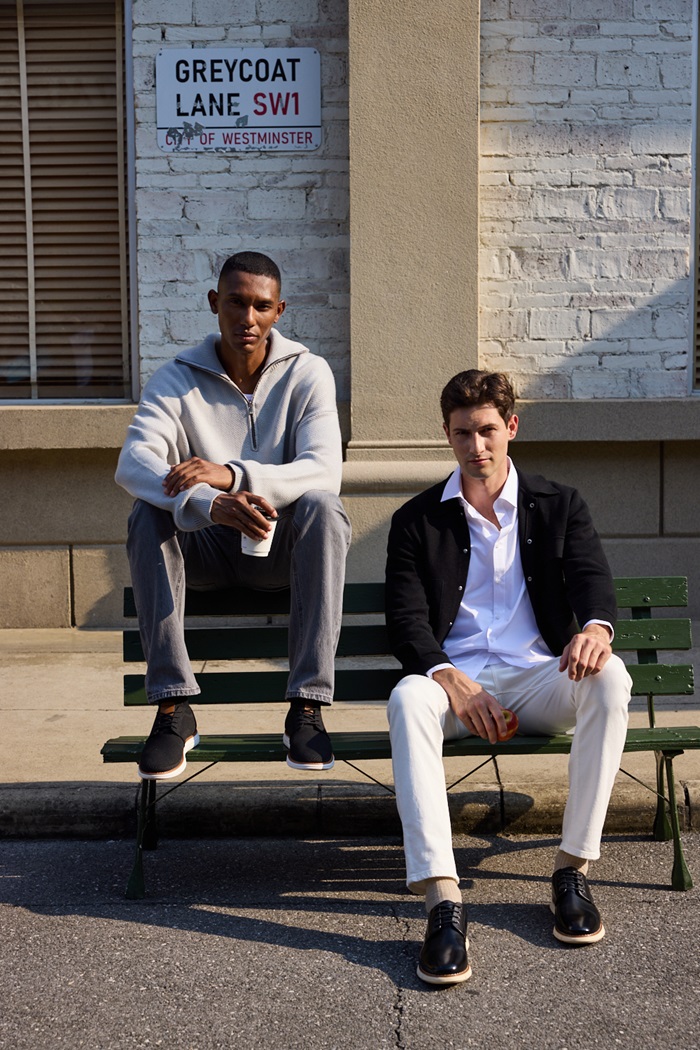
Credit: www.brunomarc.com
Building A Business Casual Wardrobe
You don’t need a huge closet to dress well. Focus on a few quality items that mix and match easily.
Starting Pieces
- 3–4 button-down shirts (white, light blue, subtle patterns)
- 2–3 pairs of chinos or dress pants (navy, gray, beige)
- 1–2 blazers or sport coats
- 2 pairs of leather shoes (brown and black)
- 1 belt for each shoe color
- 2 sweaters (v-neck or crew neck)
- 1 pair of dark, well-fitted jeans (if allowed)
This small collection covers most business casual situations. Rotate items to keep things fresh.
Color And Pattern Advice
Stick to neutral colors for pants and jackets. Add color with shirts or accessories, but avoid anything too bright or distracting. Patterns like stripes, checks, or subtle plaids are safe, but keep them understated.
One insight many miss: patterns on both shirt and pants can clash. If you wear a patterned shirt, keep your pants solid, and vice versa.
Fit Is Everything
A well-fitting shirt or pants looks better than an expensive one that’s too loose or tight. Try clothes on and check:
- Shoulders align with your own
- Sleeves end just past your wrist
- Pants have a slight break over your shoes
- Blazers button without pulling
If in doubt, visit a tailor. Even minor adjustments can make a big difference.
The Business Casual Do’s And Don’ts
Understanding the unwritten rules will help you avoid common mistakes.
Do’s
- Do keep clothes clean and pressed. Wrinkles or stains ruin the look.
- Do tuck in your shirt unless wearing a polo in a very casual setting.
- Do match your belt and shoes for a coordinated look.
- Do wear socks that match your pants or shoes.
- Do consider layering with sweaters or vests in cooler weather.
Don’ts
- Don’t wear athletic wear (hoodies, sweatpants, gym shoes).
- Don’t wear shorts or sandals, even on hot days.
- Don’t wear graphic tees or shirts with bold logos.
- Don’t over-accessorize—keep jewelry simple and classic.
- Don’t forget grooming—clean hair, trimmed nails, and neat facial hair matter.
Here’s a quick comparison of appropriate and inappropriate business casual items:
| Item | Appropriate | Inappropriate |
|---|---|---|
| Pants | Chinos, dress pants, dark jeans | Shorts, sweatpants, cargo pants |
| Shirts | Button-downs, polos | Graphic tees, tank tops |
| Shoes | Oxfords, loafers, derbies | Flip-flops, running shoes, sandals |
| Outerwear | Blazers, cardigans | Hoodies, denim jackets |
How Business Casual Changes By Industry
Business casual isn’t one-size-fits-all. It changes based on where you work.
Corporate Offices
In banks, law firms, or large corporations, business casual is closer to formal. Stick to dress shirts, slacks, and leather shoes. Blazers are common. Jeans or sneakers are often not allowed.
Tech And Creative Fields
Tech companies or creative agencies usually have a relaxed approach. Here, chinos, polos, and even some clean sneakers are acceptable. You can add color and experiment with styles, but avoid looking sloppy.
Small Businesses And Startups
Smaller firms may be flexible, but it’s best to start on the formal side and adjust after observing what others wear. Some allow jeans, but always make sure they’re neat.
One non-obvious insight: company events can shift the dress code. For example, client meetings or presentations may require a blazer, even in a laid-back office.
Seasonal Adjustments For Business Casual
Dressing business casual isn’t the same in summer as it is in winter. Here’s how to adapt:
Warm Weather
- Choose light colors (beige, light gray)
- Wear breathable fabrics like cotton or linen
- Opt for short-sleeve button-downs or polos if allowed
- Avoid shorts—stick to lightweight pants
- Use no-show socks with loafers
Cold Weather
- Layer with sweaters, cardigans, or vests
- Add a blazer or sport coat for warmth and style
- Wear thicker pants like wool-blend chinos
- Choose darker colors (navy, charcoal, forest green)
- Scarves or gloves should be classic and subtle
Seasonal changes are a great time to add variety. Just keep the basics of business casual in mind.
Shoes: The Foundation Of Business Casual
Shoes can make or break your outfit. Here’s a breakdown of smart choices:
- Oxfords: Classic lace-up shoes, always a safe bet
- Derbies: Slightly less formal than oxfords, but still sharp
- Loafers: Slip-on, comfortable, and stylish—great for summer
- Brogues: Decorative perforations add detail, work well for business casual
- Chukka Boots: Ankle boots that pair well with chinos in cold weather
Avoid athletic shoes, sandals, or anything with bright colors. Shoes should be clean, polished, and in good condition. Worn-out shoes signal you don’t care about details.
Here’s a quick comparison of business casual shoe options:
| Shoe Type | Level of Formality | Best For |
|---|---|---|
| Oxfords | High | Corporate offices, meetings |
| Derbies | Medium | General business casual |
| Loafers | Medium | Summer, creative fields |
| Chukka Boots | Low-Medium | Cold weather, relaxed offices |
| Sneakers | Low | Tech, creative industries (if allowed) |
Grooming And Personal Presentation
Clothing is just one part of looking professional. Grooming is equally important.
- Hair: Keep it clean and styled neatly. Avoid extreme styles.
- Facial Hair: Trim regularly, or stay clean-shaven. Beards should look intentional, not scruffy.
- Nails: Short and clean.
- Scent: Use deodorant and subtle cologne, but never too much. Strong scents can be distracting.
- Skin: Moisturize for a healthy look. Dry or flaky skin stands out more than you think.
A well-groomed appearance shows attention to detail and respect for your environment.
Business Casual Mistakes Men Make
Even with good intentions, some common errors can hurt your look.
1. Wearing Old Or Wrinkled Clothes.
Clothes should be in good shape. Iron shirts and pants, and replace anything that’s faded or stretched.
2. Too Casual Or Too Formal.
Wearing jeans with running shoes can look sloppy. On the other hand, a full suit may be overkill. Find the middle ground.
3. Ignoring Fit.
Baggy or tight clothes are uncomfortable and unprofessional. Tailoring isn’t just for suits—get your chinos and shirts altered if needed.
4. Too Many Patterns Or Colors.
Stick to one patterned item per outfit. Too much color looks distracting and less serious.
5. Forgetting About Shoes.
Shoes matter more than you think. Even a great outfit can look bad with dirty or casual shoes.
6. Neglecting Grooming.
Unkempt hair or nails can ruin your whole appearance.
A practical tip: try laying out your outfit the night before. This gives you time to spot problems like stains, missing buttons, or mismatched items.
How To Adjust Business Casual For Events
Business casual isn’t just for the office. You’ll face dress code questions for networking events, client meetings, or company parties.
- Networking Events: Lean toward formal. Wear a blazer and leather shoes. Stand out for the right reasons.
- Client Meetings: Aim for a polished look. Even if your office is relaxed, dress up a notch to show respect.
- After-Work Gatherings: You can loosen up a little—try a patterned shirt or more colorful sweater, but still look neat.
One insight: always check the invitation or ask a colleague if you’re unsure. It’s better to be slightly overdressed than underdressed.

Credit: southerntide.com
Examples Of Business Casual Outfits For Men
Sometimes, seeing complete outfits helps make sense of the rules.
1. Classic Look
Light blue button-down shirt, navy chinos, brown leather belt, brown oxfords, navy blazer.
2. Relaxed Office
White polo shirt, gray chinos, black loafers, black belt.
3. Winter Option
White dress shirt, charcoal v-neck sweater, olive chinos, brown brogues.
4. Creative Field
Patterned shirt, dark jeans (no rips), gray sport coat, clean white sneakers (if allowed).
5. Warm Weather
Light blue short-sleeve button-down, beige chinos, tan loafers.
6. Layered Look
Checkered shirt, navy cardigan, khaki chinos, brown derbies.
Notice how these combinations use basic pieces, neutral colors, and only one patterned item at a time.
Business Casual On A Budget
Looking good doesn’t mean spending a fortune. Here’s how to build a wardrobe without breaking the bank:
- Shop sales and outlet stores for staples like shirts and pants.
- Buy versatile pieces in neutral colors that mix and match.
- Invest in shoes and belts—these get daily use and make a strong impression.
- Use a tailor for small adjustments. Even inexpensive clothes look great if they fit well.
- Take care of your clothes. Wash and iron them properly to extend their life.
Pro tip: thrift stores sometimes carry high-quality blazers or shoes for a fraction of the price.
The Role Of Personality In Business Casual
Business casual lets you show a bit of who you are. Add subtle touches:
- Choose a patterned shirt or colorful socks (if your office allows)
- Wear a classic watch or simple bracelet
- Try a pocket square with your blazer
But remember: less is more. If you’re not sure, start simple and add details as you become comfortable. You want to be noticed for your confidence, not for breaking the dress code.
When In Doubt, Observe
If you’re starting a new job or visiting a new office, look around. Notice what managers and colleagues wear. Dress slightly more formally at first, then adjust as needed.
A non-obvious insight: sometimes, it’s not just about the clothes. How you carry yourself matters. Good posture, a friendly attitude, and confidence make business casual work for you.

Credit: www.ac-styles.com
Resources For Further Learning
If you want to go deeper, check official dress code policies or style guides. Websites like Business Insider offer real-world examples and expert advice on dressing well at work.
Frequently Asked Questions
What Is The Main Difference Between Business Casual And Business Formal?
Business formal requires a suit, tie, and dress shoes. Business casual is more relaxed—no tie needed, and you can wear chinos or blazers with open-collared shirts. Business casual is about looking neat and professional without the full formality of a suit.
Can Men Wear Jeans As Business Casual?
In some workplaces, dark, well-fitted jeans are acceptable as business casual. Avoid ripped, faded, or distressed jeans. Always pair them with a collared shirt and leather shoes to keep the look polished.
Are Sneakers Ever Appropriate For Business Casual?
Sneakers can be risky. In creative or tech industries, clean, simple sneakers may be allowed. However, in traditional offices, stick to leather shoes like loafers or oxfords. If you’re unsure, observe what managers wear or ask HR.
Should Men Wear Ties With Business Casual Outfits?
A tie is usually not required for business casual. You can wear one if you want to add formality, but an open-collared shirt is more typical. If you wear a tie, choose subtle colors and patterns.
How Can I Know If My Office Allows Business Casual?
Check the company dress code policy or ask HR. If policies aren’t clear, look at what others wear—especially managers. When starting out, dress more formally until you’re sure what’s expected.
Business casual doesn’t have to be stressful or confusing. With a few solid pieces, attention to fit and grooming, and an understanding of your work environment, you can create outfits that are both stylish and comfortable. The key is to look professional while showing a bit of your personality—without ever looking sloppy.
Whether you’re just starting your career or want to refresh your wardrobe, business casual gives you a flexible, timeless way to dress well at work.
