

Gymnastics Jersey Design: Create a Winning Look for Your Team
Gymnastics Jersey Design: The Complete Guide For Teams And Individuals
Gymnastics is a sport where every detail matters. Strength, flexibility, and skill are all important, but so is what you wear. The right gymnastics jersey design doesn’t just look good—it helps athletes feel confident, move freely, and represent their team with pride. For coaches, gym owners, and gymnasts, understanding how to create the best jersey is a game-changer. This guide walks you through everything you need to know, from picking fabrics to customizing graphics, and even the small details that make a big difference.
Why Gymnastics Jersey Design Matters
A well-designed jersey does more than just cover the body. In gymnastics, the jersey is a blend of function, fashion, and identity.
- Performance: Gymnastics demands a lot from the body. The jersey must stretch, breathe, and support complex movements.
- Confidence: When athletes feel good in their jersey, they perform better. A smart design boosts self-esteem and team spirit.
- Recognition: Clear, bold designs help judges, audiences, and media spot teams and individuals easily.
- Safety: Proper fit and the right materials prevent accidents, such as tripping on loose fabric or overheating.
Non-obvious insight: The jersey's psychological impact on gymnasts is often overlooked. Colors and fit can affect focus and nerves before a routine.
Key Elements Of Gymnastics Jersey Design
Every great jersey starts with a few core ingredients. Let’s break down what you need to think about before picking colors or logos.
Fabric Choices
The fabric sets the foundation for comfort and performance.
- Lycra/Spandex: Offers high stretch and a snug fit, supporting body lines and sharp movements.
- Polyester blends: Durable, lightweight, and helps wick moisture away during long practice sessions.
- Cotton blends: Rare but sometimes used for warm-up jerseys, offering more comfort but less stretch.
Practical tip: Test the fabric under stage lighting. Some materials become see-through or too shiny when exposed to strong lights.
Fit And Cut
A gymnastics jersey should fit like a second skin.
- Sleeveless: Popular for both men and women, allowing full arm movement.
- Long sleeves: Often used in artistic gymnastics for a more formal look and added coverage.
- High-cut legs: Helps with leg movement, especially for women’s leotards.
- Open or closed back: Open backs can help with cooling, but closed backs offer more coverage and support.
Common mistake: Choosing a jersey too tight can restrict breathing and flexibility; too loose can catch on equipment.
Seams And Stitching
Quality stitching prevents rips and irritation.
- Flatlock seams: Reduce friction and look neat.
- Reinforced stitching: Adds durability at stress points like shoulders and crotch.
Look for double-stitching in high-stress areas to avoid wardrobe malfunctions during routines.
Neckline Options
Necklines affect both comfort and appearance.
- Scoop neck: Most common, easy to wear.
- High neck: Used for more coverage or a formal look.
- V-neck: Adds style but may be less secure.
Some gymnasts prefer a slightly higher neckline for better coverage during flips.
Closures And Fastenings
Most gymnastics jerseys are pull-on, but some use zippers or snaps for quick changes. Always check that closures are secure and do not dig into the skin during movement.
Colors, Graphics, And Team Identity
The visual side of jersey design is where creativity shines. The right colors and graphics set the team apart.
Choosing Colors
- Team colors: Stick with your club’s official colors for unity.
- Bold contrasts: High-contrast color blocks make routines easier to see on stage.
- Metallics and sparkles: Used for extra flair, but can sometimes distract judges or clash with lighting.
Non-obvious tip: Dark colors can hide sweat marks, but lighter shades may show more detail in body movements.
Graphics And Logos
Logos and graphics must be visible but not overwhelming.
- Team logo placement: Usually on the chest, sleeve, or back.
- Custom patterns: Swirls, flames, or stripes add energy and identity.
- Subtle details: Small icons or initials can make each jersey personal.
Remember: Over-complicated graphics may distract judges from the athlete’s form.
Customization Options
Many suppliers now offer digital mock-ups, letting teams preview designs before ordering. You can add:
- Names and numbers: Great for team spirit and quick identification.
- Sponsor logos: Important for clubs supported by local businesses.
- Event-specific details: Like a competition or year (just avoid clutter).
Check with your competition’s rules about logo and sponsor size limits.
Comparing Popular Gymnastics Jersey Materials
Here’s a quick comparison of three common materials for gymnastics jerseys.
| Material | Stretch | Breathability | Durability | Comfort |
|---|---|---|---|---|
| Lycra/Spandex | Excellent | Good | High | Snug |
| Polyester Blend | Very Good | Excellent | Very High | Lightweight |
| Cotton Blend | Average | Good | Medium | Soft |
Gymnastics Jersey Design For Different Disciplines
Not all gymnastics jerseys are the same. The design depends on the discipline—artistic, rhythmic, trampoline, or acrobatic.
Artistic Gymnastics
- Women: Long or three-quarter sleeves, high-cut legs, and dramatic designs.
- Men: Sleeveless singlets, often worn with shorts or pants.
Artistic jerseys often feature bold colors and patterns to catch the judge’s eye from a distance.
Rhythmic Gymnastics
- Sheer sleeves and flowing skirts sometimes added for elegance.
- Sequins and crystals are common, but must be securely attached.
Rhythmic jerseys may use mesh panels for both style and cooling.
Trampoline Gymnastics
- Sleek, minimal designs focus on aerodynamics.
- Secure fit is critical to avoid distractions during high jumps.
Avoid loose elements that could catch air during flips.
Acrobatic Gymnastics
- Matching sets for pairs or groups.
- Strong seams to handle lifts and partner work.
Designs often use gradient colors and bold lines to highlight group unity.
Non-obvious insight: In acrobatic gymnastics, some teams use asymmetric designs to help judges spot base and flyer roles.
The Custom Design Process
Designing a gymnastics jersey from scratch can feel overwhelming. Here’s how most teams and individuals approach it.
- Gather inspiration: Look at recent competitions, team photos, and design catalogs.
- Choose a reliable supplier: Read reviews and ask for fabric samples.
- Work with a designer: Many suppliers offer in-house design help.
- Create mock-ups: Test how the design looks on different body types.
- Get feedback: Show mock-ups to coaches, athletes, and sometimes parents.
- Confirm sizing: Order sizing kits or measure each athlete carefully.
- Approve and order: Double-check spelling of names and placement of logos.
- Try on samples: If possible, do a fitting before the final order.
A common mistake: Skipping the mock-up stage can lead to colors or logos that don’t match expectations.
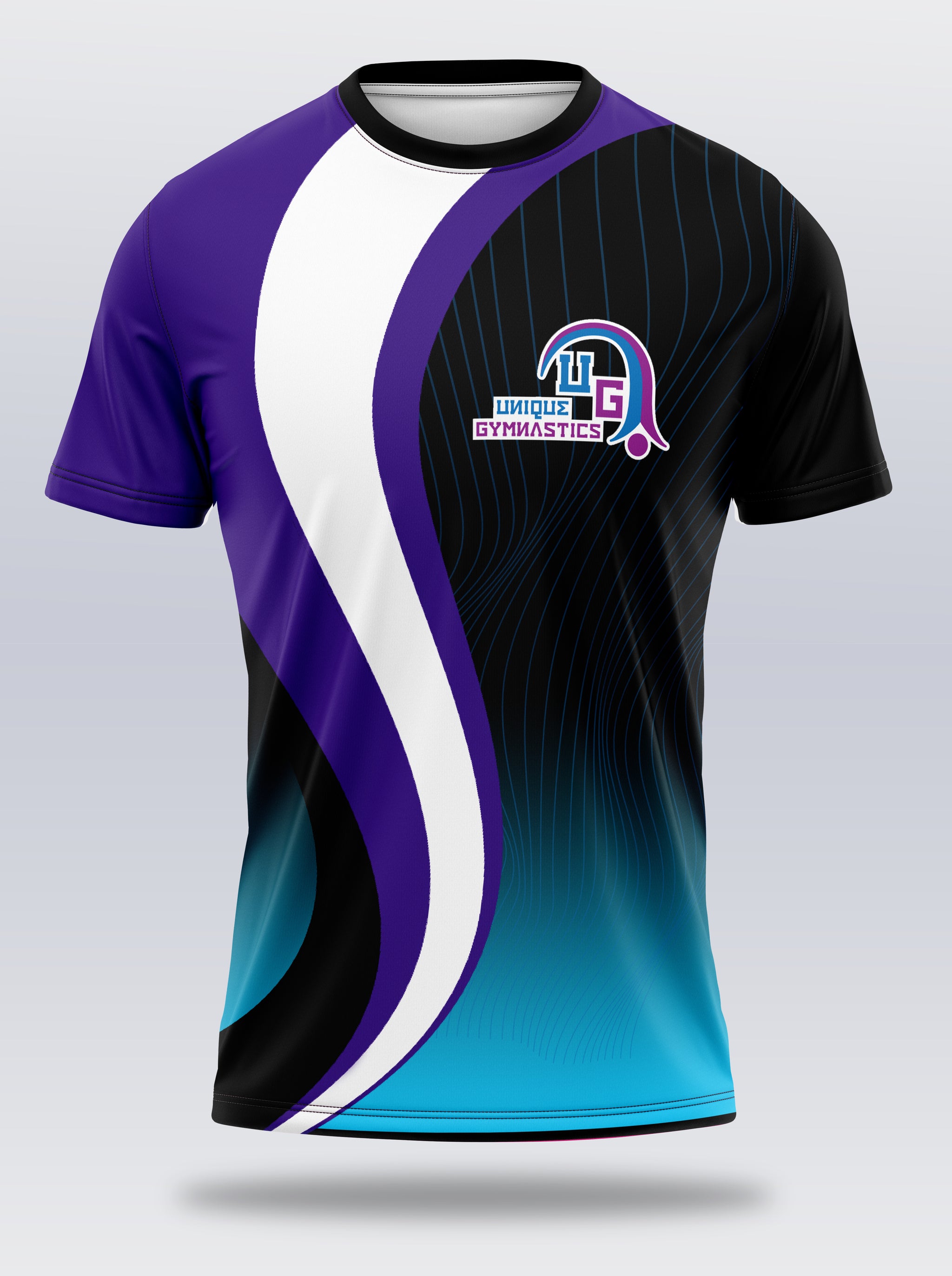
Credit: www.gymnasticsleotards.co.uk
Sizing And Fit: Avoiding Common Mistakes
Sizing is one of the trickiest parts of jersey design. Here’s what to watch out for:
- Use real body measurements: Don’t guess based on age or street clothing size.
- Check the supplier’s sizing chart: Each brand is different.
- Order a sizing kit: Most suppliers will send sample jerseys for a small fee.
Gymnasts grow quickly, especially younger athletes. If in doubt, size up—but not too much, or the jersey may sag.
Cost Factors In Gymnastics Jersey Design
Designing a unique jersey isn’t cheap, but there are ways to balance quality and budget.
What Affects The Price?
- Fabric choice: High-tech materials cost more.
- Customization: More colors, graphics, or crystals raise the price.
- Order size: Bigger orders usually get discounts.
- Rush orders: Need it fast? Be prepared to pay extra.
It’s smart to set a budget early and communicate it clearly to the designer or supplier.
Cost Comparison
Here’s a look at how different design choices affect price.
| Design Option | Base Price | Customization Cost | Total (est.) |
|---|---|---|---|
| Basic Lycra Jersey | $40 | $0-$10 | $40-$50 |
| Jersey with Logos | $40 | $10-$25 | $50-$65 |
| Full Custom with Crystals | $50 | $30-$80 | $80-$130 |
Non-obvious tip: Some suppliers offer free logo setup if you order a certain quantity—ask before you buy.
Rules And Regulations For Competition Jerseys
Each gymnastics federation and event has its own rules about what is allowed in jersey design. Ignoring these can lead to penalties or disqualification.
Common Rules
- No offensive graphics: Designs must be family-friendly.
- Sponsor logos: Often limited in size and number.
- No jewelry or loose elements: For safety reasons.
- Color restrictions: Some events require certain colors for team identification.
Always read the latest rulebook for your competition before finalizing your jersey.
Penalties For Breaking Rules
If the jersey doesn’t meet standards, athletes may receive:
- Point deductions
- Disqualification from events
- Forced last-minute changes (like covering logos with tape)
It’s wise to check with event organizers if your design is unusual.
Sustainability In Gymnastics Jersey Design
More teams and suppliers are thinking about the environment. Sustainable options are now easier to find and often cost-effective in the long run.
Eco-friendly Materials
- Recycled polyester: Made from plastic bottles.
- Organic cotton: Grown without harmful chemicals.
- Bamboo fabric: Naturally antibacterial and soft.
Responsible Manufacturing
Ask your supplier if they follow fair labor practices and eco-friendly dyeing methods.
Non-obvious insight: Some suppliers offer take-back programs, recycling old jerseys into new materials or donating to needy athletes.
Trends In Gymnastics Jersey Design
Fashion moves fast, even in gymnastics. Here are the latest trends shaping jersey style:
- Minimalist designs: Clean lines and simple color blocks are in.
- Bold, asymmetrical patterns: Add energy and individuality.
- Mesh and sheer panels: For both style and cooling.
- Personalization: More teams are adding names or motivational words.
- Tech fabrics: Moisture-wicking and quick-dry materials are now standard.
Popular culture also influences trends—colors from movies or famous athletes often appear in new designs.
Working With A Designer: What To Expect
A professional designer can turn your ideas into a stunning jersey. Here’s how to get the most from the process:
- Share your vision: Bring photos, sketches, or even mood boards.
- Be clear about your needs: Mention competition rules, budget, and team preferences.
- Ask for fabric samples: Pictures don’t always show true colors.
- Review the first draft: Give feedback quickly and clearly.
- Check for comfort: Ask for a sample or prototype before final production.
A good designer will suggest improvements—listen to their advice, but make sure the final look feels right for your team.
Caring For Your Gymnastics Jersey
Proper care keeps jerseys looking sharp and lasting longer.
Washing Tips
- Hand wash when possible, or use a gentle machine cycle.
- Cold water only: Hot water can damage elastic fibers.
- No bleach or fabric softener: These break down stretchy fabrics.
- Air dry flat: Avoid the dryer, which can shrink or damage the jersey.
Storing Jerseys
- Lay flat or hang: Avoid folding, which can leave creases.
- Keep away from sunlight: UV rays fade colors over time.
Non-obvious tip: Store jerseys in a breathable bag—not plastic—to prevent mildew and odors.
Buying Jerseys Online Vs. Local Suppliers
Both options have pros and cons.
Online Suppliers
- Wider selection and often lower prices.
- Easy customization tools.
- Longer shipping times and sometimes difficult returns.
Local Suppliers
- Faster turnaround and face-to-face support.
- Try-on samples before buying.
- Smaller selection and sometimes higher prices.
Best practice: Order early, no matter which option you choose, to allow time for design tweaks and delivery.
Top Features Gymnasts Want In A Jersey
From talking to gymnasts and coaches, these features are always at the top of the wish list:
- Comfortable fit: No pinching, sagging, or riding up.
- Breathable materials: Keeps sweat under control.
- Easy to move in: No restriction during splits, jumps, or flips.
- Unique design: Makes the athlete feel special.
- Durability: Stands up to tough routines and frequent washing.
Non-obvious insight: Many gymnasts prefer slightly thicker fabric for extra confidence, even if it’s a bit warmer.
Sample Timeline For Designing And Ordering Jerseys
Planning ahead prevents last-minute stress. Here’s a typical timeline:
- 6-8 weeks before event: Start design process, contact suppliers.
- 5 weeks before: Approve final design, confirm sizes.
- 4 weeks before: Place order.
- 2 weeks before: Jerseys arrive, try on, and check for issues.
- 1 week before: Make any last adjustments (like minor sewing fixes).
If you need jerseys faster, ask suppliers about rush options—but expect to pay more.

Credit: www.ymcagear.com.au
Where To Find Inspiration For Gymnastics Jersey Designs
Ideas come from many places:
- Major competitions: Watch international events for fresh trends.
- Social media: Instagram and Pinterest are full of team photos.
- Supplier catalogs: Many offer online galleries.
- Custom design showcases: Some websites feature client creations.
For more visual inspiration, explore USA Gymnastics for examples from top athletes and teams.
How To Involve Your Team In The Design Process
Getting athlete input leads to happier teams and better results.
- Hold a design contest: Let athletes submit their own ideas.
- Vote on favorites: Pick top designs as a group.
- Gather feedback: Ask for opinions on fabric, fit, and graphics.
Non-obvious tip: Involving young athletes in design builds team pride and helps with jersey care, since they feel ownership.
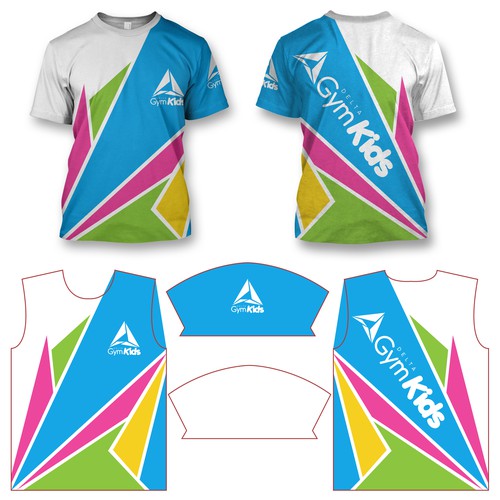
Credit: 99designs.com
Frequently Asked Questions
What Is The Best Fabric For Gymnastics Jerseys?
Lycra and polyester blends are most popular because they provide excellent stretch, wick moisture, and fit snugly. They also keep their shape after many washes and handle the stress of tough routines.
How Do I Choose The Right Size For My Gymnastics Jersey?
Always use the sizing chart from your supplier. Measure the chest, waist, hips, and torso length, and compare with the chart. If in doubt, ask for a sample or sizing kit before ordering. Never guess based on age or regular clothing size.
Can I Add Crystals Or Metallics To My Jersey?
Yes, but check competition rules first. Crystals and metallics are popular for adding flair, especially in rhythmic and artistic gymnastics, but they must be securely attached. Loose decorations can cause point deductions or safety issues.
How Much Does A Custom Gymnastics Jersey Cost?
Prices vary depending on the fabric, level of customization, and the number of jerseys ordered. Basic designs can start around $40, while fully customized options with graphics and crystals can reach $100 or more per jersey.
What Should I Do If My Jersey Doesn’t Fit Correctly?
Contact your supplier right away. Some companies allow exchanges or minor adjustments if sizing is off. It’s always best to try on a sample before placing the final order to avoid this problem.
Creating the perfect gymnastics jersey is a blend of art, science, and teamwork. With a clear understanding of fabrics, fit, rules, and style, any team or individual can design a jersey that performs as well as it looks. Take time to plan, involve your athletes, and never overlook the small details that make a big difference when it’s time to shine on the mat.
