

Gymnastics Clothes Ideas: Trendy Outfits for Every Athlete
Gymnastics Clothes Ideas
Choosing the right clothes for gymnastics is more than just picking what looks good. The right outfit helps you move freely, feel comfortable, and stay safe during every routine. Whether you are just starting gymnastics or you are an experienced athlete, what you wear affects your training and performance.
In this article, you will find practical ideas for gymnastics clothes, learn what matters most in picking your gear, and discover styles that fit every skill level. You’ll also get tips for buying, maintaining, and even accessorizing your gymnastics outfits.
Why Gymnastics Clothes Matter
Gymnastics is a sport where movement, flexibility, and precision are everything. Clothes must support these needs. Unlike regular workout gear, gymnastics clothes are made for intense stretching, spinning, and jumping. Loose or bulky clothes can be dangerous. They can get caught on equipment or block your movements. Tight clothes, on the other hand, help coaches see your posture and correct your form. Comfort is also key. Sweaty or itchy clothes can distract you, so choosing the right fabric makes a big difference. The best gymnastics clothes blend style, safety, and function.
Types Of Gymnastics Clothes
Leotards
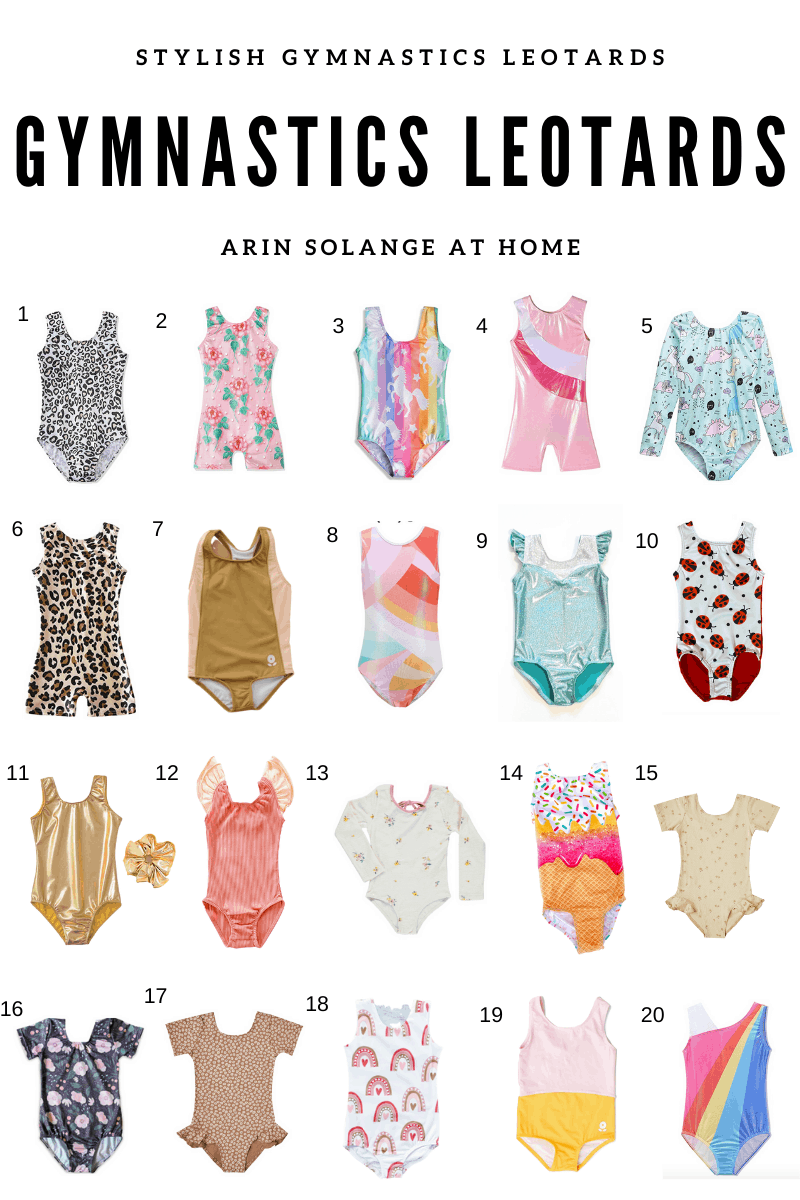
The leotard is the classic gymnastics outfit. It fits tightly and covers the torso, sometimes with short sleeves or sleeveless designs. Leotards allow full range of motion and make it easy for coaches to spot mistakes in posture. They come in many colors, patterns, and fabrics, from simple cotton to shiny spandex. Some leotards have extra details like rhinestones or mesh.
Leotard Styles
- Tank leotards: Sleeveless, ideal for hot gyms.
- Long sleeve leotards: Good for colder gyms or competitions.
- High-cut leotards: Provide extra movement for legs.
- Low-back leotards: Offer more ventilation.
Shorts And Leggings
Some gymnasts prefer to wear shorts or leggings over their leotards, especially during practice. These provide extra coverage and comfort. Leggings are helpful in winter or for those who want to avoid friction burns. Choose stretchy materials that do not restrict movement.
Shorts Vs. Leggings
| Feature | Shorts | Leggings |
|---|---|---|
| Coverage | Minimal | Full |
| Best Season | Summer | Winter |
| Comfort | High | High |
| Risk of Snagging | Low | Medium |
Unitards
Unitards cover the body from shoulders to ankles. They are less common but provide extra warmth and protection. Some gymnasts wear unitards for modesty or religious reasons. They must fit snugly to avoid getting caught on equipment.
Crop Tops
Crop tops are popular for dance-style gymnastics or acrobatics. They are paired with shorts or leggings. Crop tops should be fitted and made from stretchy, moisture-wicking fabric.
Sports Bras
Female gymnasts often wear sports bras under their leotards for support. Choosing a sports bra with seamless construction prevents irritation and chafing.
Warm-up Clothes
Before practice or competitions, gymnasts wear warm-up jackets, pants, or hoodies. These are removed before starting routines. Warm-up clothes help keep muscles loose and prevent injury.
Key Fabrics For Gymnastics Clothes
Picking the right fabric is essential. Gymnastics clothes must handle sweat, movement, and frequent washing.
Spandex
Spandex is the most common gymnastics fabric. It stretches easily and returns to shape. Spandex leotards provide flexibility and comfort.
Nylon
Nylon is lightweight and dries fast. It is often blended with spandex for a soft, smooth finish.
Polyester
Polyester is durable and resists shrinking. It is used in many competition leotards for its shine and lasting color.
Cotton
Cotton is breathable but less common in gymnastics. It absorbs sweat and can feel heavy. Cotton blends are sometimes used for practice leotards.
Mesh
Mesh panels add ventilation and style. They are often used on sleeves or backs of leotards.
Gymnastics Clothes For Different Ages
Kids
Younger gymnasts need easy-to-wear clothes. Pull-on leotards without buttons or zippers are best. Bright colors and fun patterns make practice exciting. For boys, simple fitted shorts and t-shirts work well.
Teens
Teen gymnasts often want stylish, trendy clothes. They may choose leotards with bold prints, rhinestones, or cut-out details. Comfort is still important, so choose fabrics that stretch and breathe.
Adults
Adult gymnasts need clothes that support their bodies and last through tough routines. Simple, classic designs in durable fabrics are most popular. Some adults prefer extra coverage, like unitards or leggings.
Credit: www.nike.com
Gymnastics Clothes For Boys And Men
Gymnastics clothes are often seen as feminine, but boys and men have special needs too. Male gymnasts wear singlets, fitted shorts, or pants. Singlets are similar to leotards but are designed for men. For floor routines or vault, shorts are common. For rings and bars, long pants provide protection.
Comparison: Girls Vs. Boys Gymnastics Gear
| Feature | Girls/Women | Boys/Men |
|---|---|---|
| Main Outfit | Leotard | Singlet |
| Leg Coverage | Optional (shorts/leggings) | Required (pants for some events) |
| Color/Designs | Wide variety | Usually simple |
| Accessories | Hair ties, scrunchies | None |
Competition Vs. Practice Gymnastics Clothes
Practice Clothes
For daily training, gymnasts need comfortable, durable clothes. Practice leotards are usually simple, without too many decorations. Some gymnasts wear shorts, leggings, or crop tops to feel relaxed. Practice clothes should be easy to wash and quick to dry.
Competition Clothes
Competition clothes are more detailed. They often include rhinestones, metallic fabrics, and special colors. These outfits must follow the rules of the event. For example, some competitions require long sleeves or specific colors. Competition leotards are more expensive and need careful care.
Competition Outfit Features
- High-quality fabrics
- Detailed designs
- Secure fit
- Easy movement
- Event-specific rules
Credit: au.gymshark.com
How To Choose Gymnastics Clothes
Picking the best gymnastics clothes is about more than style. You must consider fit, fabric, and function.
Fit
Gymnastics clothes should fit snugly but not be too tight. If they are too loose, you risk snagging. Too tight, and movement is limited. Try on different sizes and brands to find what suits your body shape.
Fabric
Choose fabrics that stretch, breathe, and wick away sweat. Avoid heavy materials or rough seams. Spandex blends are usually best.
Price
Gymnastics clothes range from budget to luxury. Practice clothes are usually less expensive. Competition outfits cost more because of special fabrics and decorations. Decide your budget before shopping.
Brand Reputation
Some brands are known for quality. Research reviews and ask your coach or teammates for recommendations. Popular brands include GK Elite, Destira, and Under Armour.
Color And Design
Pick colors and designs that match your personality and team style. For competitions, check if there are rules about color.
Care Needs
Some clothes need special washing or air drying. If you want easy maintenance, look for machine-washable outfits.
Gymnastics Accessories
Accessories can complete your gymnastics outfit. They are not just for style, but also for safety and performance.
Hair Accessories
Gymnasts need to keep hair away from their face. Scrunchies, headbands, and clips are popular. Choose soft materials to avoid snagging.
Grip Aids
For bars and rings, gymnasts use grips to protect their hands. These are usually made from leather and must fit well.
Wristbands
Wristbands help absorb sweat and reduce friction. They are worn under grips or alone.
Socks
Some gymnasts wear special grip socks for trampoline or acrobatics. These have rubber dots for extra traction.
Bags
A good gymnastics bag keeps clothes, accessories, and water bottles organized. Look for bags with separate wet/dry sections.
Credit: arinsolangeathome.com
Gymnastics Clothes For Special Needs
Some gymnasts have unique needs due to allergies, sensory issues, or body types. Many brands now offer adaptive gymnastics clothes with softer seams, tagless designs, and hypoallergenic fabrics. Unitards and longer sleeves help those who need extra coverage. For sensory-sensitive athletes, avoid itchy materials and rough stitching.
Gymnastics Clothes For Different Disciplines
Gymnastics is not one sport. There are many types, each with different clothing needs.
Artistic Gymnastics
The most common type, artistic gymnastics, uses leotards for girls and singlets/pants for boys. Clothes must fit tightly to show form.
Rhythmic Gymnastics
Rhythmic gymnasts wear more decorative leotards, often with skirts or frills. Fabrics are lighter and often include mesh or lace.
Trampoline
Trampoline gymnasts wear similar outfits to artistic gymnasts, but sometimes with extra grip socks.
Acrobatic Gymnastics
Acrobatic gymnasts perform in pairs or groups. Outfits are often coordinated, with matching colors and designs. Flexibility and durability are key.
Tumbling
Tumbling gymnasts need snug outfits for fast movements. Shorts or leggings are often worn for extra protection.
Comparison: Gymnastics Disciplines And Clothes
| Discipline | Main Outfit | Unique Feature |
|---|---|---|
| Artistic | Leotard/Singlet | Snug fit, simple design |
| Rhythmic | Decorative leotard | Skirts, mesh, lace |
| Trampoline | Leotard/Singlet | Grip socks optional |
| Acrobatic | Coordinated outfits | Matching group designs |
| Tumbling | Leotard/Shorts | Extra protection |
Gymnastics Clothes Trends
Gymnastics fashion changes often. Today, bold colors, metallic fabrics, and unique patterns are popular. Many gymnasts add rhinestones for sparkle. Some teams choose matching outfits for a unified look. Eco-friendly fabrics are becoming more common, with brands using recycled materials.
Custom leotards allow gymnasts to express their personality and stand out in competitions.
Practical Tips For Buying Gymnastics Clothes
- Try before you buy: Always check the fit. If shopping online, look for brands with easy returns.
- Check for stretch: Make sure clothes move with you. Raise your arms, squat, and jump to test comfort.
- Inspect seams: Look for flat, strong seams. Rough seams cause irritation.
- Consider team rules: Some clubs require certain colors or styles. Ask before buying.
- Set a budget: Decide what you can spend. Save competition outfits for special occasions.
- Buy extra: Have spare outfits for emergencies.
- Look for sales: Gymnastics clothes can be expensive. Shop during sales or use discount codes.
Caring For Gymnastics Clothes
Proper care keeps your clothes looking new and extends their life.
Washing
- Use cold water to prevent shrinking and fading.
- Turn clothes inside out to protect decorations.
- Use mild detergent.
- Avoid fabric softeners, which can damage stretchy fabrics.
Drying
- Air dry when possible.
- Avoid high heat in dryers.
- Lay flat to dry to keep shape.
Storage
- Hang leotards and unitards on hangers.
- Keep outfits away from sunlight to prevent fading.
- Store in a dry place.
Repair
Small rips or loose rhinestones can be fixed at home. Use fabric glue for decorations. Sew small tears before they get bigger.
Common Mistakes When Choosing Gymnastics Clothes
- Buying too big or too small: Clothes must fit snugly. Oversized outfits are unsafe.
- Ignoring fabric quality: Cheap fabrics wear out fast and can cause discomfort.
- Forgetting event rules: Each competition may have clothing rules. Double-check before buying.
- Skipping care instructions: Not following care guidelines can ruin clothes.
- Choosing style over function: Looks matter, but comfort and safety come first.
Gymnastics Clothes For All Seasons
Gymnastics is a year-round sport. You need clothes that fit every season.
Summer
Lightweight, sleeveless leotards and shorts keep you cool. Choose breathable fabrics.
Winter
Long sleeve leotards, leggings, and warm-up jackets help you stay warm. Layer clothes for easy removal.
Rainy Or Humid Weather
Moisture-wicking fabrics prevent sweat buildup. Mesh panels add ventilation.
Travel
If you travel for competitions, pack extra clothes. Include warm-up gear and spare leotards.
Eco-friendly Gymnastics Clothes
Many brands now offer eco-friendly gymnastics clothes. These use recycled fabrics, organic cotton, or low-impact dyes. Eco-friendly outfits are just as comfortable and durable. If you care about the environment, look for brands that share your values. Some brands donate a portion of sales to environmental causes.
Custom Gymnastics Clothes
Custom outfits let you stand out. You can choose colors, designs, and decorations. Some brands offer online design tools. Custom clothes are popular for teams or special events. They cost more but give you a unique look.
Gymnastics Clothes For Home Practice
Many gymnasts practice at home. Comfort is even more important here. Choose simple leotards, shorts, or leggings. Avoid anything with sharp decorations. For home workouts, prioritize ease of movement and easy washing.
Gymnastics Clothes For Plus Sizes
Gymnastics is for all body types. Some brands now offer plus-size leotards and unitards. Look for stretch fabrics and designs that flatter your shape. Avoid clothes that dig into your skin. Ask your coach for recommendations if you need help finding the right outfit.
Gymnastics Clothes For Different Skill Levels
Beginners
Beginners need simple, comfortable clothes. Avoid fancy decorations. Focus on fit and flexibility.
Intermediate
Intermediate gymnasts may want more stylish outfits. Try new fabrics or designs, but keep comfort in mind.
Advanced
Advanced gymnasts often invest in high-quality competition outfits. Custom designs and extra support are important.
Where To Buy Gymnastics Clothes
You can find gymnastics clothes in sports stores, online shops, and specialty boutiques. Popular brands include GK Elite, Destira, and Under Armour. Always check reviews and return policies. For more information, visit Wikipedia for a detailed history and explanation of gymnastics clothes.
Frequently Asked Questions
What Is The Best Fabric For Gymnastics Clothes?
The best fabric is spandex blend. It stretches, moves with your body, and wicks away sweat. Nylon and polyester blends are also good. Avoid pure cotton, which absorbs moisture and gets heavy.
How Should Gymnastics Clothes Fit?
Gymnastics clothes should be snug but comfortable. They must not restrict movement or leave gaps. Try raising your arms, bending, and jumping to check fit.
Can Boys Wear Leotards In Gymnastics?
Boys can wear singlets or leotards, often paired with shorts or pants. Some events require long pants. Choose outfits that fit tightly and allow free movement.
How Do I Wash Gymnastics Clothes?
Wash in cold water with mild detergent. Turn inside out. Air dry when possible. Avoid high heat and fabric softeners to protect stretch and decorations.
Are There Special Clothes For Competitions?
Yes, competition outfits are more detailed and follow event rules. They often include rhinestones, metallic fabrics, and specific colors. Always check competition guidelines before buying.
Gymnastics is a sport where the right clothes matter every day. Your outfit helps you move, feel confident, and perform at your best. With these ideas, tips, and practical advice, you can find the perfect gymnastics clothes for practice, competition, or home workouts.
Focus on comfort, fit, and style—then enjoy every routine with confidence.
