

Gym Outfit Male: Top Trends for Stylish Workout Looks
It’s a common sight: you walk into the gym ready to crush your workout, but suddenly feel like you’re on a fashion runway. On one side, there’s a guy in neon shorts that could guide ships through fog. On the other, someone’s wearing jeans (yes, actual jeans). Maybe you wonder, “What should a gym outfit male actually wear?” If you’ve ever felt lost in the world of men’s gym fashion, you’re not alone. This guide will walk you through everything—what to wear, what to avoid, why socks matter, and how to look good while avoiding public embarrassment (and chafing).
Why Your Gym Outfit Matters
Let’s be honest: you don’t need a superhero costume to lift weights. But what you wear to the gym has a huge impact on your workout—and your confidence. The right gym outfit helps you move better, prevents injuries, and even motivates you to train harder. There’s also the small matter of sweat. The wrong fabric can turn a simple push-up into an odyssey of discomfort. And if you’ve ever tried running on a treadmill in heavy cotton, you know the struggle is real.
But there’s more. Gym outfits are not just about looking decent; they’re about functionality and comfort. If your shorts ride up or your shirt sticks to you in weird places, you’ll spend more time adjusting clothes than lifting weights. Plus, a good gym outfit can even help prevent gym fails that end up as viral videos. (You want to go viral for your gains, not your wardrobe malfunctions.)
Key Components Of A Male Gym Outfit
Let’s break it down. A complete gym outfit male usually includes:
- Top (T-shirt or tank top)
- Bottoms (shorts, joggers, or compression tights)
- Underwear
- Socks
- Shoes
- Accessories (optional, but sometimes necessary)
Each piece serves a purpose, and you don’t need to wear everything at once. Please, leave the cape at home unless you actually fly.
Gym Tops: What To Wear Up Top
T-shirts
The classic gym T-shirt is your best friend. Look for options made from moisture-wicking fabrics like polyester blends. These pull sweat away from your skin, keeping you cool. Cotton might feel soft, but it holds sweat and turns into a heavy, clingy mess by set number two.
Some men prefer a slim fit for less fabric flapping around, but if you like a looser style, that’s fine too. Just avoid shirts so baggy they look like parachutes. Remember, you’re not trying to hide a family of raccoons under your shirt.
Tank Tops
If you want to show off your arms (or pretend you have arms to show off), tank tops are a solid option. They keep you cool, allow for maximum movement, and help you see your muscles working. Just keep in mind: some gyms have dress codes, so check if tanks are allowed. Also, avoid the “stringer” style that’s basically dental floss and a prayer—keep it classy.
Long Sleeves
For those who run cold, long sleeve shirts are a good choice. They’re also great for outdoor workouts or to keep you warm during warm-ups. Look for lightweight, breathable materials. If you sweat a lot, go for mesh panels or vented designs.
Compression Tops
Serious about performance? Compression shirts hug your body, support muscles, and may even reduce soreness. They’re especially useful for high-intensity workouts. Wear them alone or as a base layer under another shirt.
Quick Comparison: Gym Top Styles
| Type | Best For | Pros | Cons |
|---|---|---|---|
| T-shirt | All workouts | Comfortable, versatile | Holds sweat if cotton |
| Tank Top | Weightlifting, hot gyms | Freedom, keeps cool | Not always allowed |
| Long Sleeve | Warm-up, cool weather | Warmth, coverage | Hot for cardio |
| Compression | HIIT, running | Support, muscle recovery | Tight fit not for all |
Gym Bottoms: Shorts, Joggers, Or Tights?
Shorts
Most men reach for gym shorts. The ideal length hits just above the knee—long enough for coverage, short enough for free movement. Look for elastic waistbands, quick-drying material, and pockets for keys or your phone (but not so loose things fall out during squats). Avoid heavy basketball shorts—they can catch on equipment and slow you down.
Joggers
Joggers are great for cooler weather or when you want a bit more coverage. They’re fitted at the ankle, so they won’t get caught in machines, and many come with zip pockets. Choose lightweight, stretchy fabric so you don’t feel restricted. Joggers also double as “I’m running errands after this” pants, which is handy.
Compression Tights
Want to feel like a superhero (without the cape)? Compression tights offer muscle support, reduce muscle vibration, and can improve circulation. Many men wear them under shorts for extra comfort. Just remember, compression tights alone can leave nothing to the imagination—pair with shorts unless you’re in a superhero movie or a bodybuilders’ convention.
Sweatpants
Sweatpants work for light cardio or stretching days, but they can be heavy and hot for intense training. Pick slim-fit styles that won’t trip you up. Reserve the baggy, old-school sweats for home workouts or days when style doesn’t matter.
Bottoms Comparison Chart
| Type | Best Use | Key Feature | Not Ideal For |
|---|---|---|---|
| Shorts | Most workouts | Mobility | Very cold gyms |
| Joggers | Warm-up, errands | Versatility | Hot weather |
| Compression Tights | Running, HIIT | Muscle support | Wearing solo in public |
| Sweatpants | Stretching, home | Comfort | Heavy lifting, machines |
Underwear: The Unsung Hero
You can have the best shirt and shorts, but if you skimp on underwear, you’re one squat away from disaster. Regular cotton boxers bunch up, chafe, and trap sweat. The best gym underwear is:
- Moisture-wicking: Keeps you dry and comfortable
- Snug, but not tight: Prevents chafing and stays in place
- Breathable: Allows airflow
- Tagless: No scratchy surprises
Boxer briefs or performance trunks are the winners here. And yes, this is the one time in life when less movement is better.
Socks: Don’t Overlook Your Feet
Choosing the right socks is more important than you think. Regular cotton socks can get soggy and cause blisters. Instead, look for:
- Athletic socks: Cushion your feet and wick sweat away
- No-show or ankle length: Good for most gym shoes
- Compression socks: Useful for running or long cardio sessions
Fun fact: mismatched socks don’t help you lift heavier, but they do add personality.

Credit: www.menshealth.com
Shoes: The Foundation Of Your Workout
Your shoes can make or break your gym session. The wrong pair will have you sliding around or wincing in pain. Here’s how to pick the right gym shoes:
Running Shoes
Great for treadmill and cardio. They have extra cushion and support, but sometimes too much for heavy lifting (the squishiness can reduce stability). If you only do cardio, these are a safe bet.
Training Shoes
These are the Swiss Army knife of gym footwear. Designed for cross-training, HIIT, and lifting. They offer a stable base, good grip, and enough flexibility for most movements.
Lifting Shoes
If you’re serious about squats or deadlifts, lifting shoes have a raised heel and solid base. They help with form and stability but are not great for running or jumping. You don’t need them unless you’re chasing personal records.
Flat Shoes
Think Converse or minimalist trainers. Flat shoes are popular for deadlifts and squats because they let you push through your heels. They offer little cushioning, though, so avoid for high-impact cardio.
Shoe Comparison Table
| Shoe Type | Best For | Main Benefit | Not Ideal For |
|---|---|---|---|
| Running | Cardio, treadmill | Cushioning | Heavy lifting |
| Training | HIIT, cross-training | Versatility | Marathons |
| Lifting | Squats, deadlifts | Stability | Running |
| Flat | Lifting, bodyweight | Ground feel | Jumping, running |
Accessories: Small Details, Big Impact
Gym Gloves
If you hate calluses or have sweaty hands, gym gloves can help. They improve grip and protect your skin. Some lifters avoid them because they prefer direct contact with the bar. Try both and see what feels right.
Headbands And Wristbands
Sweat in your eyes is no fun, and a headband keeps it away. Wristbands help if you sweat a lot. They can also make you look like a retro tennis star (bonus points if you can pull it off).
Lifting Belts And Straps
For heavy lifts, a lifting belt supports your lower back. Straps help with grip on pulling exercises like deadlifts or pull-ups. These are optional unless you’re training heavy or have grip issues.
Gym Bag
A simple gym bag keeps your gear organized. Choose one with compartments for shoes, clothes, and valuables. Extra points for bags with an anti-odor lining—nobody wants their car smelling like a locker room.
Water Bottle
Stay hydrated! A reusable water bottle is a must. Go for one that’s easy to open, doesn’t leak, and holds enough for your session.
Smartwatch Or Fitness Tracker
If you love data, a fitness tracker can monitor your steps, heart rate, and workout progress. Not essential, but motivating for some.
How To Choose The Right Fabrics
Not all fabrics are equal. Here’s what to look for:
- Polyester blends: Light, durable, and moisture-wicking.
- Nylon: Smooth, stretchy, and dries fast.
- Merino wool: Yes, wool! It’s breathable, resists odor, and regulates temperature.
- Spandex (elastane): Adds stretch to shorts, shirts, and tights.
Avoid 100% cotton for intense sessions. It traps sweat and takes ages to dry.
A non-obvious tip: Check the seams. Flatlock seams (flat, smooth stitching) reduce chafing, especially on shirts and shorts.
Color And Style: Does It Really Matter?
You don’t need to dress like a peacock, but picking the right colors can boost your mood and confidence. Dark shades (like black, navy, or grey) hide sweat stains and match almost anything. Bright colors stand out but can show sweat and may fade faster after many washes.
Patterns can be fun, but choose wisely—camouflage hides sweat, while white shows everything (including that coffee spill).
Layering For Different Seasons
Warm Weather
Stick with lightweight, breathable tops and shorts. Avoid anything heavy or non-stretchy. Mesh panels and sleeveless options keep you cool.
Cold Weather
Layer up. Start with a base layer (compression shirt or lightweight tee), add a mid-layer (hoodie or long-sleeve), and finish with a light jacket if you’re outside. Remove layers as you warm up.
Pro tip: Zippered pockets keep your phone and keys safe, especially if you’re running outside.
Gym Outfit Mistakes To Avoid
Let’s save you from common gym outfit disasters:
- Wearing cotton everything: You’ll end up soaked and uncomfortable.
- Too tight or too loose: If you can’t move or your shorts keep falling down, it’s the wrong fit.
- Forgetting about socks: Blisters are not a badge of honor.
- Wearing outdoor shoes: Dirt and rocks damage gym floors (and your reputation).
- Ignoring underwear: See “unsung hero” section above.
- Using old, worn-out clothes: If your shirt has holes, it’s time for an upgrade.
- Over-accessorizing: You’re not in a music video. Keep it simple.
- Wearing cologne: Heavy scents and sweat don’t mix well.
- Fashion over function: Fancy isn’t always practical. If it restricts movement, skip it.
How To Build A Versatile Gym Wardrobe
You don’t need a closet full of gear. Here’s a simple, effective starter wardrobe:
- 3–4 gym T-shirts (polyester or blends)
- 2–3 pairs of gym shorts
- 1–2 pairs of joggers or sweatpants
- 2–3 pairs of moisture-wicking underwear
- 4–5 pairs of athletic socks
- 1 pair of versatile trainers or gym shoes
- 1 lightweight hoodie or jacket
- Optional: 1–2 compression tops or tights
Rotate your gear, wash regularly, and upgrade as needed. Investing in quality basics beats buying every new “must-have” on social media.
Quick Tips For Looking Good At The Gym
- Choose well-fitted clothes (not too baggy or tight)
- Stick to a simple color palette
- Match your shoes and socks for a clean look
- Keep your clothes clean and fresh (nobody likes the “forgotten in the gym bag” smell)
- Trim tags or loose threads—details matter
- Smile! Confidence is the best accessory
The Hygiene Factor
A great gym outfit is wasted if you ignore hygiene. Always:
- Wash your gym clothes after every use (yes, every time)
- Air out your shoes to prevent odors
- Carry a small towel for sweat
- Use a laundry bag for dirty gear in your gym bag
Bad odors are not a sign of hard work—they’re a sign your clothes need a wash.
Trending Gym Outfit Styles For Men
While function comes first, style trends change. Here are some popular looks in gyms now:
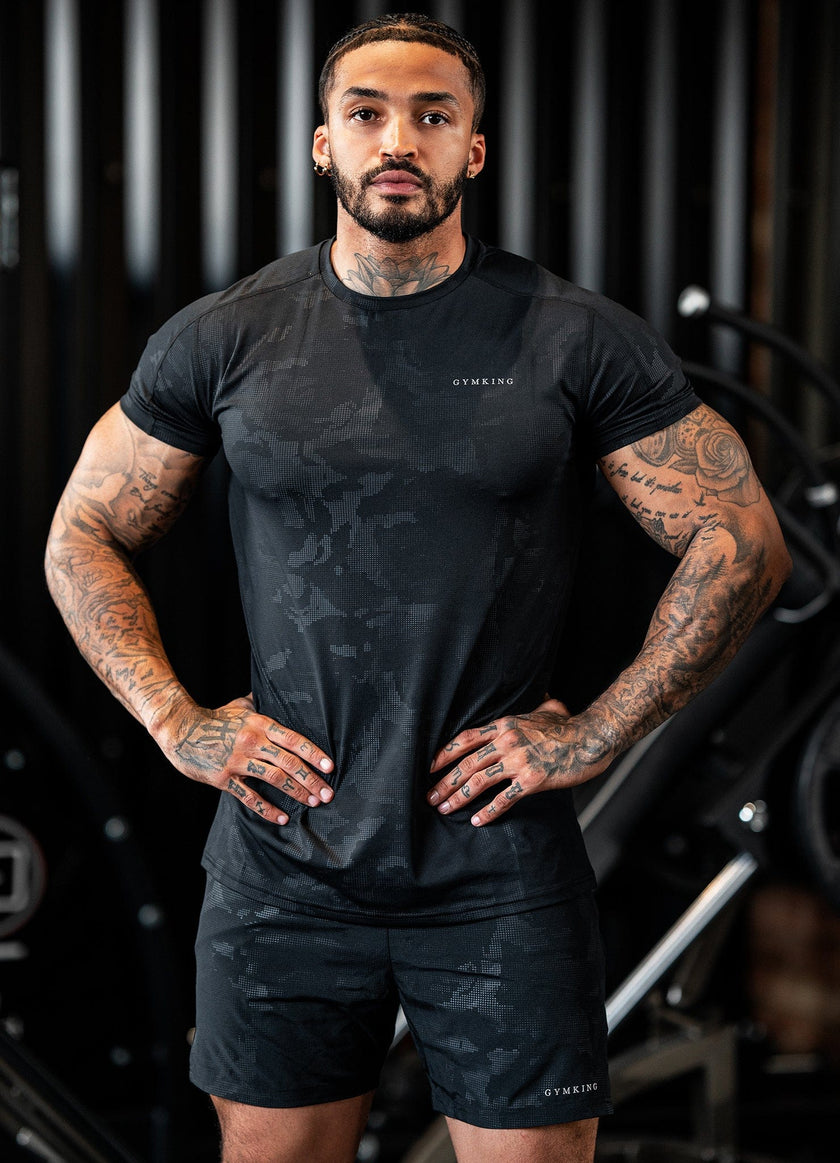
- Minimalist monochrome: All black or grey for a sleek, simple look.
- Bold color pops: Bright shoes or hats with neutral outfits.
- Streetwear influence: Joggers with oversized tees or hoodies.
- Performance layering: Compression under shorts or tanks.
- Tech fabrics: High-tech materials that dry fast and resist odor.
Remember, trends fade—comfort and performance are always in style.

Credit: www.youtube.com
Common Beginner Questions (with Non-obvious Insights)
Should You Change Your Outfit For Different Workouts?
Yes. Cardio, weightlifting, and yoga all have different needs. Use tight, supportive clothes for running or HIIT. Looser fits for weightlifting. For yoga, prioritize stretch and comfort. And always check your outfit in a mirror—downward dog reveals everything.
How Often Should You Replace Gym Clothes?
Replace workout shoes every 6–12 months or 500–600 km. Shirts and shorts last longer, but if they lose shape, stretch out, or smell even after washing, it’s time to say goodbye. Compression gear wears out fastest—replace if it gets baggy.
What About Gym Outfit For Outdoor Workouts?
Layer up for the weather. Use moisture-wicking base layers, windproof jackets, and sun protection (like hats or sleeves) for outdoor training. Reflective details add safety if you train in low light.
Are Branded Clothes Worth The Price?
Not always. Many affordable brands offer great quality. Expensive gym wear sometimes means better material or fit, but always check reviews and returns policies. Sometimes you’re just paying for the logo.
Can You Wear The Same Gym Outfit For Multiple Sessions?
Please, no. Even if you “didn’t sweat much,” bacteria love damp clothes. Always wear fresh gear. If you’re traveling, pack quick-drying pieces so you can wash and reuse.
Frequently Asked Questions
What Is The Best Gym Outfit For Men Who Sweat A Lot?
Choose moisture-wicking tops and shorts (polyester, nylon blends). Avoid cotton. Go for lightweight, breathable fabrics, and bring a towel. Quick-drying socks and underwear help too.
Is It Okay To Wear Compression Tights Without Shorts Over Them?
Technically yes, but most men wear shorts over compression tights for extra coverage. Gym etiquette and comfort matter—unless you’re at a track meet, opt for the layered look.
How Many Gym Outfits Do I Need?
Start with at least three complete outfits. This lets you rotate while washing others. If you train daily, consider more. Having extra socks and underwear is always a good idea.
Do I Need Special Shoes For Weightlifting?
If you lift heavy regularly, lifting shoes provide stability and support. For casual lifters, training shoes work fine. Avoid running shoes for squats or deadlifts—they’re too cushioned for safe lifting.
Where Can I Find Reliable Gym Outfit Guides?
Look for resources from fitness experts or trusted health sites. One good example is the Men’s Health Gym Clothes Guide, which offers reviews and tips.
Credit: www.chat-masala.com
Final Thoughts
Your gym outfit doesn’t need to be expensive or flashy to be effective. Focus on comfort, function, and a touch of style. The right gear helps you perform better, avoid distractions, and even enjoy your workouts more. Upgrade your basics, avoid common mistakes, and remember—confidence looks good on everyone. Now, go forth and conquer the gym. Just leave the jeans at home.
