

Gym Outfit Ideas for Men: Stylish Looks to Elevate Your Workout
Gym Outfit Ideas For Men
The gym is more than just a place to lift weights or run on a treadmill. For many men, it’s a space to improve health, build confidence, and even socialize. But what you wear in the gym matters more than most people realize.
The right gym outfit can boost your performance, help regulate body temperature, and protect you from injury. It also impacts how comfortable and confident you feel during your workout.
Choosing gym clothes is not only about looking good. It’s about finding the right balance between function, comfort, and style. With so many options—shorts, joggers, tanks, tees, compression gear, and more—it’s easy to feel overwhelmed. Plus, the best outfit can change depending on the type of workout, the weather, and personal preferences.
This guide will help you navigate the world of men’s gym outfits. You’ll learn how to select the right pieces for different workouts, discover style ideas, and avoid common mistakes. Whether you’re a beginner or a regular gym-goer, you’ll find practical tips and fresh inspiration to upgrade your gym wardrobe.
Why Gym Outfits Matter
Many men underestimate how much their gym outfit affects their performance and motivation. The wrong clothes can cause discomfort, restrict movement, or even lead to injury. On the other hand, the right outfit can make you feel more energetic and focused.
Moisture-wicking fabrics help keep sweat away from your body, reducing the risk of chafing and overheating. Good-fitting clothes can prevent distractions, while supportive footwear can protect your feet and joints. When you feel good in your outfit, you’re more likely to push yourself and enjoy your session.
Key Elements Of A Gym Outfit
A complete gym outfit usually includes several pieces. Each serves a specific purpose:
- Top (T-shirt, tank top, or long-sleeve)
- Bottoms (shorts, joggers, or leggings)
- Footwear
- Socks
- Accessories (hat, wristbands, gloves, etc.)
- Outerwear (hoodie or jacket, if needed)
Let’s break down each element in detail.
Tops: T-shirts, Tanks, And Long Sleeves
Choosing the right top depends on the workout, temperature, and personal preference.
- T-shirts are versatile and work for most workouts. Look for breathable, moisture-wicking materials like polyester blends.
- Tank tops offer more freedom for your arms and help keep you cooler during intense or hot-weather workouts.
- Long-sleeve shirts provide extra coverage and warmth during colder days or outdoor sessions.
Bottoms: Shorts, Joggers, And Leggings
Your choice of bottoms should match your activity.
- Shorts are perfect for cardio, HIIT, and leg days. Choose a length that allows free movement without riding up.
- Joggers are great for warm-ups, cool-downs, or when you want more coverage.
- Leggings (compression tights) provide muscle support and help with blood flow. They’re often worn under shorts for extra comfort.
Footwear
Shoes are possibly the most important part of your gym outfit. The right pair depends on your routine:
- Running shoes for treadmill or cardio
- Cross-trainers for mixed workouts
- Lifting shoes for weight training (with flat, stable soles)
Never use worn-out shoes, as they lose support and increase injury risk.
Socks
Don’t overlook your socks. Good gym socks reduce friction, wick moisture, and prevent blisters. Look for athletic-specific options made with synthetic blends.
Accessories
Depending on your needs, you might add:
- Wristbands to absorb sweat
- Headbands to keep hair and sweat out of your face
- Weightlifting gloves for grip and hand protection
- Smartwatch or fitness tracker for monitoring performance
Outerwear
For outdoor workouts or cold gyms, a lightweight jacket or hoodie can be useful. Choose something easy to remove as you warm up.
Best Fabrics For Gym Clothes
Comfort and performance start with the right fabric. Not all materials are equal when it comes to gym wear.
Synthetic Blends
Polyester, nylon, and spandex are popular for gym clothes. They’re lightweight, wick moisture, and stretch well. Spandex (also called elastane or Lycra) is especially common in compression garments.
Cotton
While cotton is soft and breathable, it absorbs sweat and dries slowly. This can make you feel heavy and uncomfortable. Some blends combine cotton with synthetics for a better balance.
Merino Wool
Merino wool is naturally moisture-wicking and odor-resistant. It’s a premium option for gym wear, especially for socks and base layers.
Mesh
Many gym clothes use mesh panels in high-sweat zones. This increases ventilation and helps keep you cool.
Gym Outfit Ideas For Different Workouts
The best gym outfit depends on your activity. Here are detailed suggestions for various routines:
1. Weightlifting
- Top: Fitted or muscle-fit T-shirt (moisture-wicking)
- Bottom: Shorts or joggers (not too loose)
- Shoes: Flat-soled lifting shoes or cross-trainers
- Accessories: Weightlifting gloves, wrist wraps if needed
Tip: Avoid very loose clothes that can snag on weights or machines.
2. Cardio (running, Treadmill, Hiit)
- Top: Lightweight tank or tee
- Bottom: Athletic shorts with built-in liner
- Shoes: Running shoes with good cushioning
- Accessories: Sweat-wicking headband, fitness tracker
Insight: Many beginners forget to choose shorts with a liner. This helps prevent chafing during long cardio sessions.
3. Crossfit Or Functional Training
- Top: Breathable T-shirt or performance tank
- Bottom: 2-in-1 shorts (compression inner, loose outer)
- Shoes: Cross-trainers for stability
- Accessories: Wristbands, knee sleeves for support
Non-obvious tip: 2-in-1 shorts combine support and coverage, making them ideal for high-movement exercises like box jumps or burpees.
4. Yoga Or Stretching
- Top: Fitted tee or tank (not too baggy)
- Bottom: Stretchy leggings or fitted joggers
- Shoes: Barefoot or yoga socks
- Accessories: Headband to keep hair out
Insight: Loose shorts can ride up during yoga poses, so fitted options are more comfortable.
5. Group Fitness Classes
- Top: Vibrant or patterned T-shirt for style
- Bottom: Athletic shorts or joggers
- Shoes: Cross-trainers
- Accessories: Sweat towel, water bottle
Style note: Group classes are a good place to show personal style with color or prints.
6. Outdoor Workouts
- Top: Layered tee and lightweight hoodie
- Bottom: Joggers or running tights
- Shoes: Trail running shoes (for uneven ground)
- Accessories: Hat, UV-protective sunglasses
Non-obvious tip: Choose clothes with reflective details for safety if you exercise near traffic.
Stylish Gym Outfit Combinations
A good gym outfit balances performance and style. Here are some winning combinations:
- All-black look: Black fitted tee, black shorts, and black sneakers. Sleek and simple.
- Monochrome shades: Grey tank, charcoal joggers, grey trainers. Modern and minimal.
- Bold contrast: Bright blue tee, black shorts, white shoes. High energy and visibility.
- Retro vibe: Graphic tank, short athletic shorts, classic white socks and sneakers.
- Layered style: Fitted base layer, loose mesh tank, joggers, and a zip hoodie.
Tip: Adding a pop of color or a patterned top instantly elevates your look.
Gym Outfit Mistakes To Avoid
Even experienced gym-goers can make these mistakes:
- Wearing 100% cotton: It soaks sweat and gets heavy.
- Old or worn-out shoes: Reduces support, increases injury risk.
- Too-tight clothes: Restricts movement and comfort.
- Too-loose clothes: Catches on equipment and hides form.
- Ignoring socks: Bad socks cause blisters and odor.
- Wearing jewelry: Increases risk of injury and damage.
- Not washing gear often: Gym clothes need regular washing to prevent bacteria and odor.
- Skipping liner shorts for cardio: Increases chafing.
- Using fashion sneakers: These lack support and grip.
- Forgetting layers for outdoor workouts: Sudden weather changes can surprise you.
Comparing Gym Shorts: Key Features
Let’s compare three popular types of gym shorts:
| Type | Main Benefit | Best For | Drawback |
|---|---|---|---|
| Standard Athletic Shorts | Lightweight, good airflow | General gym use, cardio | May ride up during stretching |
| 2-in-1 Shorts | Support and coverage | HIIT, CrossFit, running | Can feel warmer |
| Compression Shorts | Muscle support, reduces chafing | Running, leg day, under shorts | May feel too tight for some |
Best Gym Outfit Colors
Color can affect your mood and confidence. Here’s how to choose:
- Black: Slimming, hides sweat, always looks sharp.
- Grey: Neutral, versatile, pairs with any color.
- Blue: Calming, energetic, adds a pop without being loud.
- Red: Bold, grabs attention, shows confidence.
- White: Fresh and clean, but can show sweat stains.
- Neon/bright colors: Fun for group classes, outdoor runs, or to boost energy.
Non-obvious tip: Darker colors are best for high-sweat workouts, while lighter shades feel cooler in hot weather.
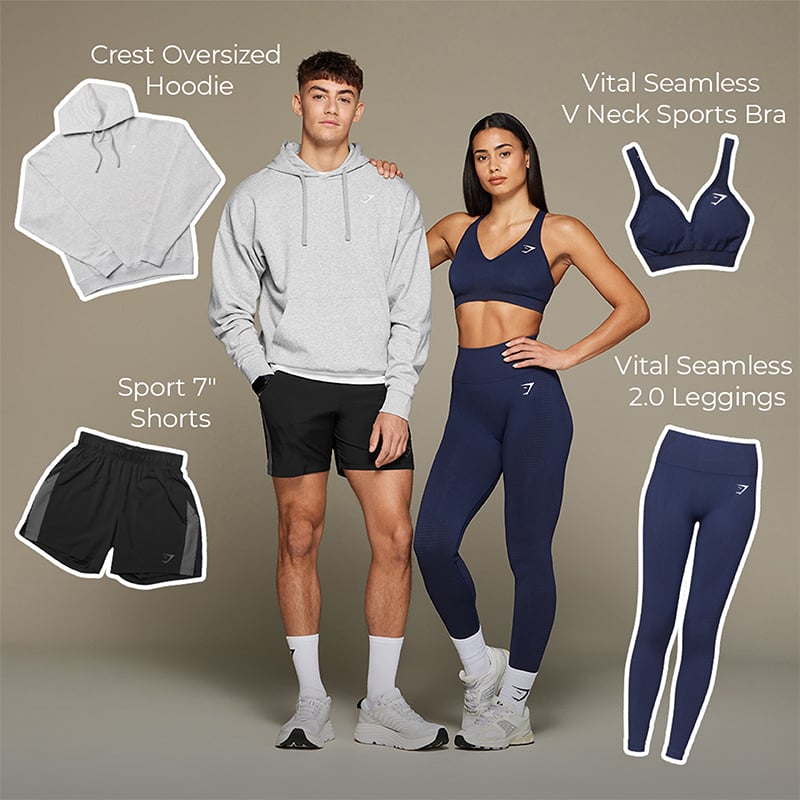
Credit: row.gymshark.com
Gym Shoes: Comparing Types
Shoes can make or break your gym session. Here’s a quick comparison:
| Shoe Type | Support | Stability | Best For |
|---|---|---|---|
| Running Shoes | High | Medium | Cardio, treadmill, outdoors |
| Cross-Trainers | Medium | High | Mixed workouts, circuits |
| Lifting Shoes | Low | Very High | Weightlifting, squats, deadlifts |
Insight: Many men use running shoes for everything, but cross-trainers or lifting shoes are safer for weights.
Accessories To Complete Your Look
Accessories might seem minor, but they can improve your performance and comfort.
Gym Bag
A good gym bag keeps your gear organized. Look for compartments for shoes, wet clothes, and small items.
Water Bottle
Staying hydrated is key. Choose a large, BPA-free water bottle you’ll remember to use.
Smartwatch Or Fitness Tracker
Track your progress and motivate yourself. Many models measure heart rate, calories burned, and workout time.
Headphones
Wireless sports headphones are perfect for workouts. Look for sweat-resistant, secure-fit options.
Towel
A small, absorbent towel keeps sweat off your face and equipment.
Gloves And Wraps
Weightlifting gloves can protect your hands, while wrist wraps provide extra support for heavy lifts.
Cap Or Headband
Keeps sweat and hair out of your eyes, especially during cardio or outdoor sessions.
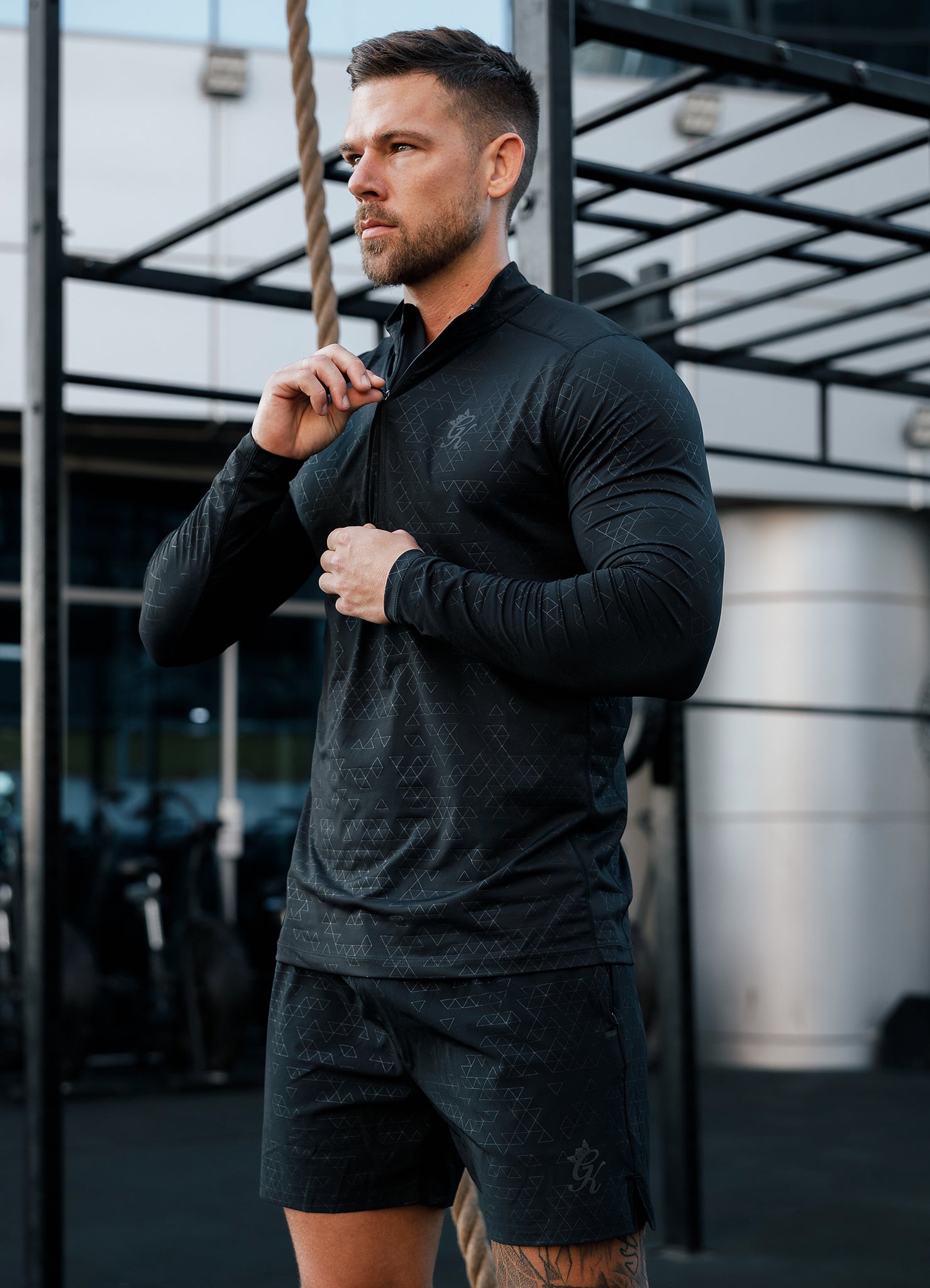
Credit: anniesdeli.com
Seasonal Gym Outfit Tips
Your gym outfit should change with the seasons, especially if you work out outside or in a gym without strong temperature control.
Warm Weather
- Choose light, breathable fabrics
- Prefer sleeveless tops or tanks
- Go for shorts instead of joggers
- Wear moisture-wicking socks
Cold Weather
- Layer up: Base layer, mid-layer, outer layer
- Use long-sleeve tops and joggers or leggings
- Add a lightweight jacket or hoodie
- Consider gloves and a hat for outdoor workouts
Non-obvious tip: Avoid heavy cotton layers in cold weather—they hold sweat and can make you cold once you stop moving.
Sustainable Gym Wear Choices
Eco-friendly gym wear is becoming more popular. Many brands now offer:
- Recycled polyester gym clothes
- Organic cotton T-shirts
- Bamboo-based fabrics for softness and breathability
Choosing sustainable options is better for the planet and often just as comfortable as traditional gym wear.
How To Build A Versatile Gym Wardrobe
You don’t need a huge collection. Focus on essentials that mix and match easily:
- 3–4 moisture-wicking T-shirts
- 2–3 tank tops
- 2 pairs of athletic shorts
- 2 pairs of joggers or leggings
- 2–3 pairs of athletic socks
- 1–2 hoodies or jackets
- 1 pair of cross-trainers, 1 pair of running shoes (if needed)
- Accessories: Towel, bag, water bottle
Start with neutral colors (black, grey, navy) and add color as you build confidence.
Caring For Your Gym Clothes
Proper care extends the life of your gym gear:
- Wash after every use to prevent odor and bacteria
- Use mild detergent and avoid fabric softener (can block moisture-wicking)
- Air dry when possible to prevent shrinking or damage
- Don’t leave sweaty clothes in your bag for long
Non-obvious tip: Turn clothes inside out before washing to protect performance fabrics.
Gym Outfit Ideas For Plus-size Men
Everyone deserves to feel confident at the gym. For plus-size men:
- Choose tops with a bit of stretch and a looser fit
- Try joggers with adjustable waists
- Look for shorts with longer inseams for coverage
- Avoid extra-tight compression gear; opt for supportive but comfortable fits
- Dark colors and vertical designs can be slimming
Many brands now offer extended sizes in stylish, functional designs.
Inspiration From Athletes And Influencers
Looking for style ideas? Check out athletes and fitness influencers on social media. Many share their favorite gym outfits, mixing high-performance brands with affordable finds. Some popular styles:
- Minimalist: All-black or neutral tones, fitted but not tight
- Sporty: Bright colors, matching sets, bold sneakers
- Classic: Logo tees, basic shorts, white socks, retro sneakers
You don’t need expensive brands to look good. Focus on fit, function, and a touch of personality.
Best Brands For Men’s Gym Wear
Several brands are known for quality and style. Some popular options:
- Nike
- Adidas
- Under Armour
- Gymshark
- Lululemon (especially for leggings and joggers)
- Reebok
- Puma
Many also offer budget-friendly lines or sales. Try different brands to find your best fit.
How To Upgrade Your Gym Style
Small changes can make a big difference:
- Swap cotton shirts for moisture-wicking tees
- Try a fitted tank or patterned tee for variety
- Add a cap or wristband for a sporty look
- Match your socks to your shoes for a clean finish
- Choose gym shoes that complement your outfit
Don’t be afraid to try new colors or styles. The gym is a great place to experiment.
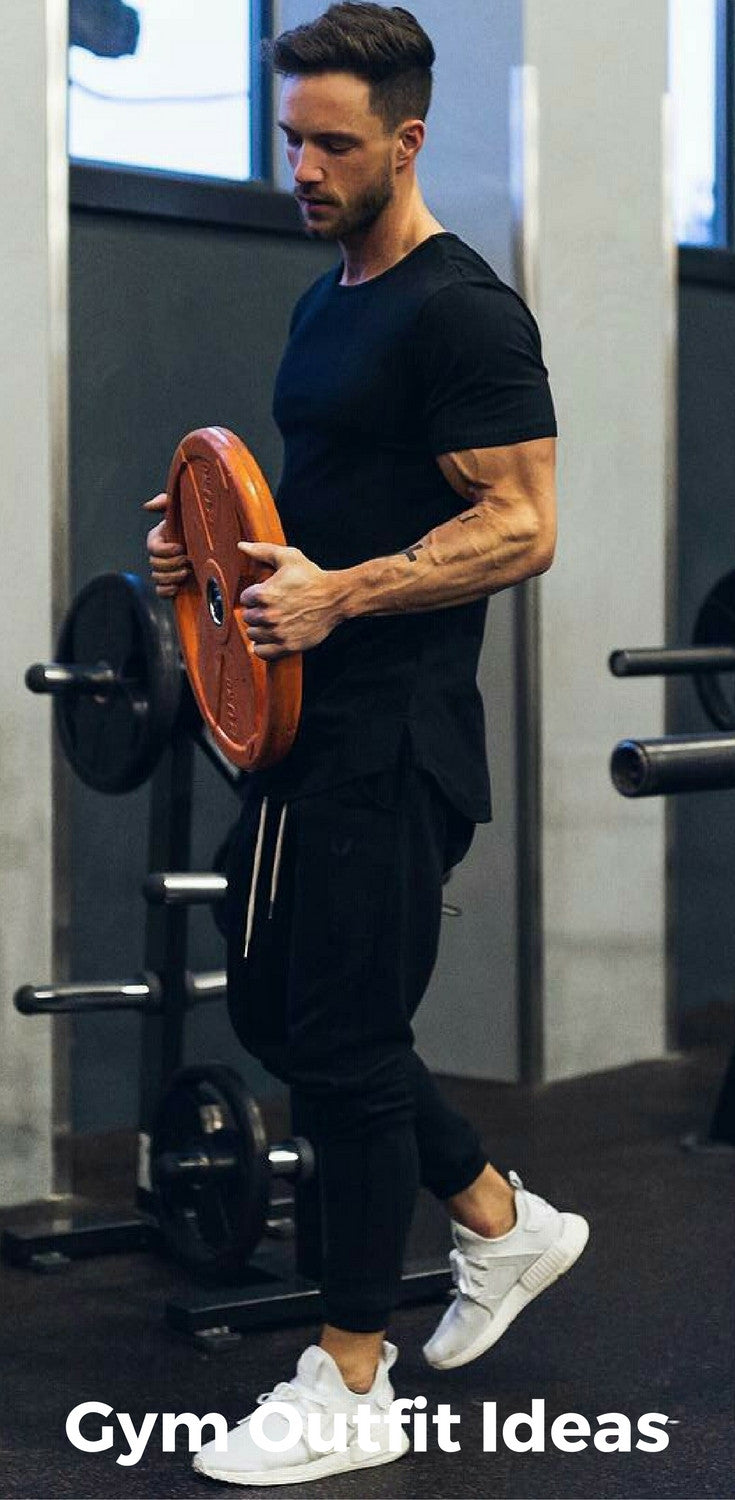
Credit: relatocompol.com
The Role Of Technology In Gym Outfits
Smart fabrics and wearable tech are changing gym fashion:
- Compression gear with muscle support
- Shirts with built-in sensors for tracking movement
- Shoes with smart insoles that monitor steps or pressure
While not essential, these options can boost motivation and performance. For more on smart fitness gear, visit the Wearable Technology page on Wikipedia.
Real-world Examples: Gym Outfits In Action
Let’s picture three men heading to the gym:
- Alex, the Lifter: He chooses a fitted, moisture-wicking tee, athletic shorts, and flat-soled lifting shoes. He uses wrist wraps and brings a towel.
- Ben, the Runner: Ben wears a lightweight tank, 2-in-1 shorts, and running shoes with cushioned support. He adds a sweatband and a smartwatch.
- Chris, the Cross-Trainer: Chris selects a sleeveless performance top, compression shorts under regular shorts, and cross-trainers. He finishes with a cap and water bottle.
Each outfit matches the activity and personal style, helping them get the most from their workout.
Frequently Asked Questions
What Is The Best Fabric For Gym Outfits?
The best gym clothes use synthetic blends like polyester, nylon, and spandex. These fabrics wick sweat, stretch easily, and dry quickly. Pure cotton is less ideal because it holds moisture.
How Many Gym Outfits Should I Own?
Aim for at least three complete outfits so you always have clean gear. If you go to the gym often, having more reduces laundry stress and keeps your rotation fresh.
Should I Wear Compression Gear To The Gym?
Compression gear can support muscles and reduce soreness, especially for running or heavy lifting. However, not everyone needs it. Try it and see if you feel more comfortable.
Can I Wear Regular Sneakers To The Gym?
It’s better to use athletic-specific shoes. Regular sneakers usually lack the support, grip, and durability needed for gym workouts, increasing injury risk.
How Do I Prevent My Gym Clothes From Smelling Bad?
Wash gym clothes after every use, avoid leaving them damp in your bag, and use a mild detergent. Let them air dry, and don’t use fabric softeners on performance fabrics.
Dressing well for the gym is about more than just looks. The right outfit improves comfort, supports your performance, and boosts confidence. Take the time to build a gym wardrobe that works for you, and you’ll see the benefits in every workout.
