

Gym Clothes Vs Normal Clothes: Which Is Best for Your Workout?
Gym Clothes Vs Normal Clothes
When you walk into a gym, you quickly notice a clear difference in what people are wearing. Some people are in bright, stretchy outfits designed for exercise, while others might wear everyday t-shirts and shorts. Many wonder, does it really matter what you wear to the gym? Are gym clothes just a marketing trend, or do they actually help your workout? This article explores the real differences between gym clothes and normal clothes, explaining how each affects your workout, comfort, and even your health. You'll also find practical advice, common mistakes, and some surprising facts most beginners overlook.
What Makes Gym Clothes Different?
Gym clothes are designed with a specific purpose: to help you move better, feel comfortable, and stay safe during physical activity. But what features set them apart from regular clothing?
Fabric Technology
Most gym clothes use advanced fabrics like polyester, spandex, or blends that wick moisture away from your skin. This means sweat doesn’t stay trapped, so you feel dry and less irritated. Normal clothes, especially cotton t-shirts, absorb sweat. This can make them feel heavy and wet, which is uncomfortable and can even cause chafing.
Fit And Flexibility
Gym wear is usually tighter and more flexible, often made with stretchable materials. This fit supports your muscles and allows you to move freely, whether you’re squatting, stretching, or running. Normal clothes often have a loose or rigid fit, which can restrict movement or get in the way during exercise.
Breathability
Many gym clothes have mesh panels or special weaves to improve airflow, keeping your body cool. Everyday clothes do not focus on ventilation, so you might overheat faster during exercise.
Durability
Workout clothing is built to handle frequent washing, stretching, and friction. Regular clothes may lose shape, fade, or tear faster when used for heavy activity.
How Gym Clothes Impact Performance
Wearing the right gear can make more difference than you think. Here’s how gym clothes can directly affect your performance:
- Improved Range of Motion: Stretchy fabrics move with your body, so you can do a full squat, lunge, or stretch without feeling restricted. Normal clothes might pull at your knees or shoulders, limiting your movement.
- Reduced Injury Risk: Supportive gear, like compression leggings or proper sports bras, can help prevent strains, sprains, and support joints during heavy lifts.
- Better Focus: When you’re not distracted by sweat, slipping waistbands, or uncomfortable seams, you can concentrate more on your workout.
- Boosted Confidence: Many people feel more motivated and confident in well-fitted gym clothes, which can encourage better performance.
Non-obvious Insights
- Static Build-Up: Synthetic fabrics in gym clothes are designed to reduce static electricity, which can happen during repetitive motion. Most regular clothes do not consider this, which can cause shocks or discomfort.
- Odor Control: Some gym clothes use antimicrobial treatments to control bacteria and odor. Normal clothes, even after washing, may hold onto smells longer if used for sweaty workouts.
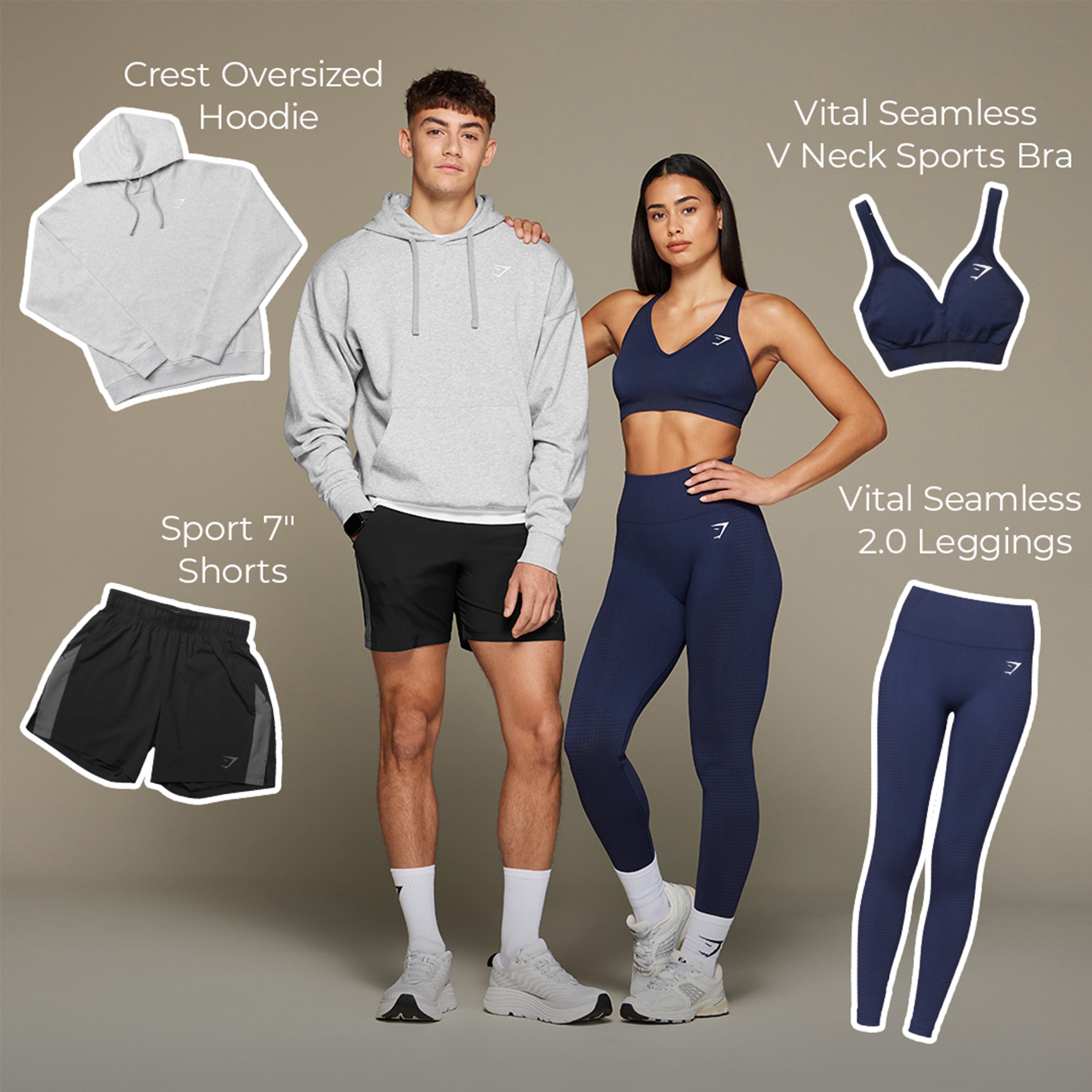
Credit: www.gymshark.com
Comparing Gym Clothes And Normal Clothes
Below is a direct comparison of the key features between gym and normal clothes:
| Feature | Gym Clothes | Normal Clothes |
|---|---|---|
| Moisture Management | Wicks sweat away | Absorbs and holds sweat |
| Flexibility | High (stretch fabrics) | Low to moderate |
| Durability | Resistant to wear and tear | Wears out faster with activity |
| Odor Control | Often treated for odor | Not treated |
| Breathability | Designed for airflow | Limited breathability |
Health And Hygiene Factors
Wearing the right clothing in the gym isn’t just about comfort or style; it can also protect your health.
Sweat Management
Sweat is a natural part of working out, but trapped moisture can lead to skin problems like rashes, fungal infections, or acne. Gym clothes help move moisture away from your skin. Regular clothes, especially cotton, stay wet and create a warm, damp environment for bacteria.
Skin Protection
Some gym wear is designed to reduce friction and prevent chafing in areas where skin rubs together, such as inner thighs or underarms. Normal clothes, with bulky seams or rough fabrics, can make this worse.
Support And Injury Prevention
A common mistake is ignoring the importance of proper support. For example, wearing a regular bra during high-impact activities can lead to pain or even long-term tissue damage. Sports bras, compression shorts, or knee sleeves offer targeted support and stability.
Washability
Gym clothes are easy to wash and dry quickly. They are made to withstand frequent laundering, which is important because workout gear should be washed after every use to prevent bacteria buildup. Regular clothes may shrink, lose their shape, or develop odor after a few washes.
Style And Social Factors
The psychology of gym clothing is often underestimated. What you wear can affect how you feel and how others see you.
Motivation And Confidence
Many people report feeling more energetic and motivated to work out when dressed in specific gym attire. There’s a psychological effect called “enclothed cognition,” which means your clothes can influence your behavior and confidence.
Fashion Trends
Athleisure is now a popular trend, blending gym style with everyday fashion. Some people even wear gym clothes outside the gym for comfort and convenience. Normal clothes, however, may not offer the same comfort or flexibility for both gym and daily life.
Social Pressure
Some gyms have dress codes that require specific attire for safety and hygiene. Wearing normal clothes might make you stand out or even break rules, while gym clothes help you fit in.
Cost Comparison: Are Gym Clothes Worth The Price?
Many people hesitate to buy gym-specific clothes because of the price. Are they really worth the investment?
Price Ranges
Gym clothes can range from budget-friendly to expensive, depending on the brand and technology used. Normal clothes are generally cheaper, especially if you already own them. But cost isn’t just about the initial price.
Durability Over Time
A pair of high-quality gym leggings might cost more upfront but last through hundreds of workouts and washes. Regular leggings or shorts may lose elasticity, fade, or tear within a few months of heavy use.
Value In Use
If you work out regularly, investing in gym clothes often saves money in the long run because they need replacing less often and keep you comfortable and safe.
When Can You Skip Gym Clothes?
For light activities, like walking or stretching, you might get by with normal clothes. However, for high-intensity workouts, running, or weight training, the benefits of gym wear become clear.
Practical Scenarios: When Each Works Best
Understanding when to use each type can help you make better choices.
Gym Clothes: Best For
- High-intensity workouts (HIIT, CrossFit)
- Cardio (running, cycling)
- Weightlifting
- Group classes (yoga, pilates)
- Outdoor sports
Normal Clothes: Acceptable For
- Light walks
- Gentle stretching
- Home-based, low-sweat activities
Real-world Example
Imagine doing a set of squats in stiff denim jeans. You’ll feel restricted, risk tearing the fabric, and sweat will build up quickly. In contrast, gym shorts or leggings stretch with your movement and dry quickly.
Overlooked Details
- Reflective Elements: Many gym clothes include reflective strips for safety during outdoor workouts. Normal clothes usually lack these features.
- Hidden Pockets: Gym clothes often have pockets designed for keys or phones that don’t bounce around. Everyday clothes may not secure items during movement.
Environmental Impact
Some people are concerned about the environmental cost of synthetic gym wear. Here’s what to consider:
Synthetic Vs. Natural Fabrics
Most gym clothes use synthetic materials, which take longer to break down but are more durable. Some brands now offer recycled or eco-friendly options.
Normal clothes made from cotton are biodegradable but require more water and chemicals to produce. Choosing high-quality gym wear and washing it less often (when possible) can reduce your footprint.
Microfiber Shedding
Synthetic gym clothes can shed microfibers during washing, which contribute to water pollution. Using a washing bag or filter can help capture these fibers.
Second-hand Options
Buying second-hand or recycled gym wear is becoming more popular and helps reduce waste. This option is still rare for normal clothes used for workouts, as they wear out faster.
Myths And Misunderstandings
There are many myths about gym clothes vs. normal clothes. Let’s clear up a few:
- Myth: "Cotton is the best because it's natural."
- Fact: Cotton holds sweat, which can cause discomfort and skin issues during workouts.
- Myth: "You have to buy expensive brands."
- Fact: Many affordable gym clothes use the same fabrics and technology as premium brands.
- Myth: "Normal clothes are fine for any workout."
- Fact: For light activities, maybe. For intense movement, normal clothes can increase risk of injury or discomfort.
What Happens If You Wear Normal Clothes To The Gym?
Wearing everyday clothes isn’t dangerous, but it has clear downsides.
- Discomfort: You’ll feel hotter, sweatier, and more restricted.
- Risk of Injury: Non-supportive shoes or bras can lead to sprains or strains.
- Embarrassment: Clothes might tear, ride up, or show sweat marks.
- Hygiene Issues: Sweat stays in the fabric, leading to odor or bacteria growth.
Some gyms may even refuse entry if you’re not in proper attire for safety reasons.
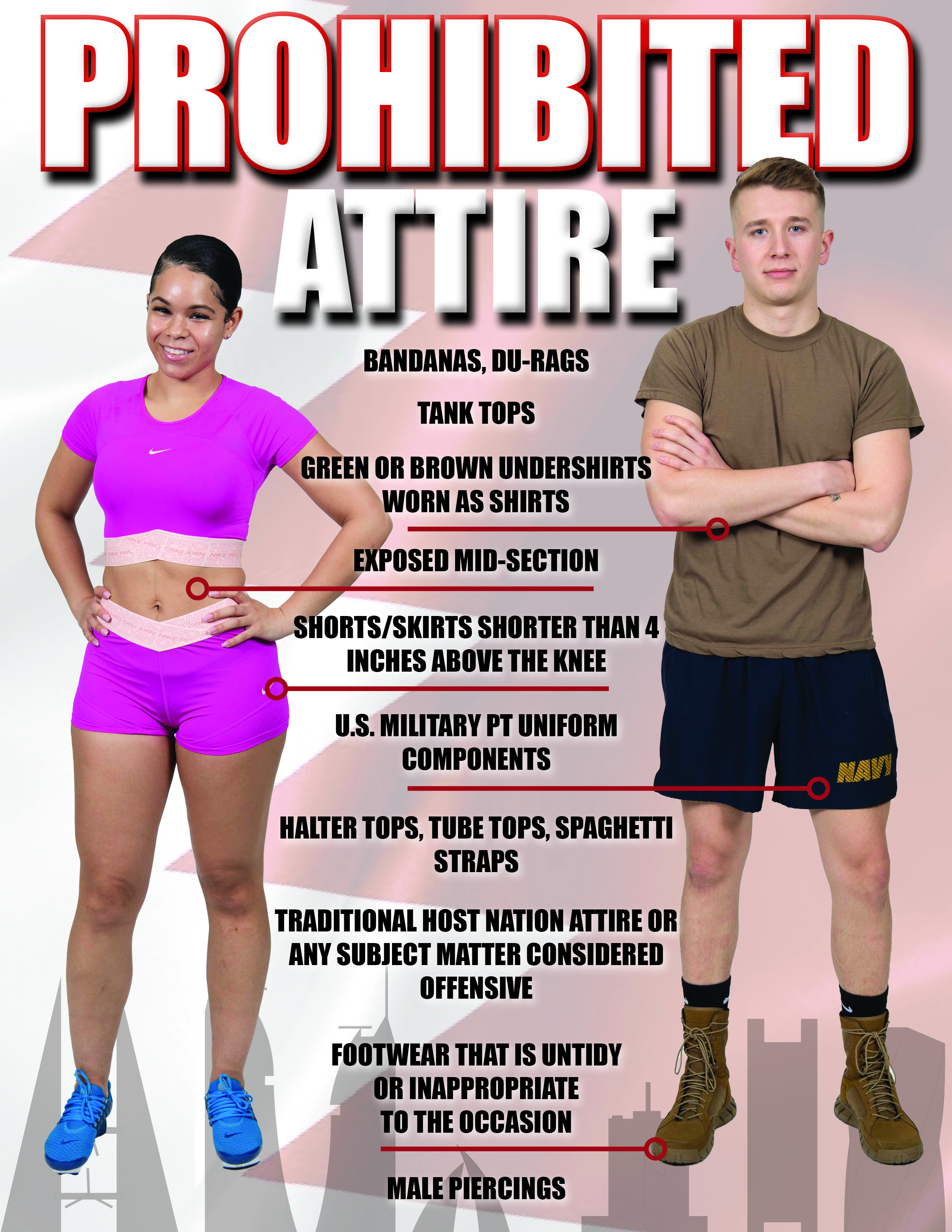
Credit: www.cusnc.navy.mil
How To Choose The Right Gym Clothes
If you’re ready to invest in gym clothes, here’s what matters most:
- Fabric: Look for moisture-wicking, breathable, and stretchy materials. Avoid 100% cotton for intense workouts.
- Fit: Not too tight, not too loose. Clothing should move with you but not restrict movement.
- Support: Women should choose a sports bra with the right level of support. Men may want compression shorts for comfort.
- Seams and Tags: Flat seams and tagless designs help prevent chafing.
- Purpose: Choose clothes made for your activity (e.g., running shorts vs. yoga pants).
- Visibility: For outdoor workouts, reflective details are a must.
- Pockets: Think about where you’ll keep your keys or phone.
Common Buyer Mistakes
- Buying by looks only: Style is important, but comfort and function come first.
- Ignoring care instructions: Some gym clothes need special washing to keep their performance.
- Forgetting about shoes: Proper footwear is as important as clothes for safety and support.
Gym Clothes And Normal Clothes: The Big Picture
Let’s look at the main differences in a quick summary:
| Aspect | Gym Clothes | Normal Clothes |
|---|---|---|
| Purpose | Engineered for exercise | Everyday wear |
| Comfort in movement | High | Low to moderate |
| Moisture handling | Excellent | Poor |
| Skin safety | Protects from chafing | May cause irritation |
| Durability in workouts | Lasts longer | Wears out quickly |
| Fashion flexibility | Often stylish outside gym | Not ideal for workouts |
Tips For Transitioning To Gym Clothes
If you’re used to exercising in normal clothes, switching to gym wear can feel strange at first. Here’s how to make it easier:
- Start with basics: Buy a good pair of gym shorts or leggings and a moisture-wicking shirt.
- Test fit and comfort: Try moving, stretching, or squatting in the clothes before buying.
- Mix and match: Pair your normal t-shirt with gym shorts to start, then add more gym wear as needed.
- Focus on shoes: Proper athletic shoes can prevent injuries and improve performance.
Real-world Data: Do Gym Clothes Improve Performance?
You might wonder if there’s proof that gym clothes actually help. Studies show that compression gear can help with muscle recovery and performance, especially in high-intensity sports. Moisture-wicking fabrics also reduce the risk of overheating, which can help you exercise longer. People report feeling more motivated and less distracted in specialized gym wear.
A survey from the American Council on Exercise found that more than 70% of gym-goers felt more confident and motivated when wearing proper workout attire. While clothes alone won’t make you stronger or faster, they remove barriers to a good workout.

Credit: themomedit.com
Gym Clothes For Different Activities
Not all gym clothes are the same. Here’s what to wear for different types of exercise:
- Running: Lightweight, moisture-wicking tops, shorts or leggings, and supportive running shoes.
- Weightlifting: Compression shirts and shorts, flat-soled shoes, and gloves if needed.
- Yoga/Pilates: Stretchy, form-fitting pants or shorts and tops that stay in place during movement.
- Cycling: Padded shorts, moisture-wicking tops, and gloves.
- Group Classes: Flexible clothing that lets you move easily and stays comfortable during sweat.
Wearing the wrong gear, like baggy pants for yoga or unsupportive shoes for running, can make exercise less effective and more risky.
Maintenance And Care: Keeping Gym Clothes Fresh
Gym clothes need special care to last longer and stay odor-free:
- Wash after every use: Sweat can breed bacteria, so don’t re-wear unwashed gear.
- Air dry: High heat can damage stretch fabrics; air drying helps them last.
- Use gentle detergent: Some detergents are made for sportswear to keep fabrics performing well.
- Avoid fabric softener: This can block moisture-wicking ability.
Normal clothes may not survive repeated washing as well, losing shape or becoming rough.
When Normal Clothes Are Enough
There are some cases where normal clothes might work:
- Short, low-sweat sessions: If you’re just doing a quick walk or stretching.
- Home workouts: Where you’re not concerned about appearance or sweat management.
- Emergency: If you forget your gym bag, it’s better to exercise in regular clothes than skip your workout entirely.
But for regular, intense exercise, gym clothes are the smarter, safer choice.
Gym Clothes And Personal Identity
For some, gym wear is about more than just function. It can express personal style, discipline, or a commitment to health. Wearing specific gym clothes can help you “get into the zone” mentally, signaling to yourself that it’s time to focus on fitness.
Final Thoughts
Choosing between gym clothes and normal clothes isn’t just about fashion. It’s about comfort, performance, safety, and even health. While normal clothes may seem good enough for a casual walk, they can hold you back, cause discomfort, or even lead to injury during serious exercise.
Gym clothes, designed for movement and sweat, help you get the most from your workout, feel more confident, and recover faster. Investing in a few good pieces can transform your fitness experience.
If you want to dig deeper into the science behind fitness clothing, consider checking out this Wikipedia guide to activewear.
Frequently Asked Questions
Why Are Cotton Clothes Not Recommended For Intense Workouts?
Cotton absorbs sweat and holds it close to your skin, making you feel heavy and uncomfortable. This can cause chafing and even lead to bacteria growth, especially during long or intense workouts.
Can I Use Normal Clothes For Gym If I’m A Beginner?
For light activities, normal clothes may be okay. But as you increase intensity or frequency, gym clothes become important for comfort, performance, and safety.
How Many Gym Outfits Do I Need?
If you work out three times a week, owning three sets is practical. This way, you always have a clean outfit ready and can rotate while others are being washed.
Do Gym Clothes Help Prevent Injuries?
Yes, proper gym wear (like compression garments and supportive bras) can reduce strain, support joints, and prevent friction injuries that normal clothes might cause.
How Do I Care For Gym Clothes To Make Them Last?
Wash after every use, use gentle detergent, avoid fabric softeners, and air dry when possible. This keeps fabrics working well and reduces odors over time.
By understanding the real differences between gym clothes and normal clothes, you can make smarter choices for your workouts, comfort, and overall health.
