

Gym Clothes Not Tight: Best Loose-Fit Outfits for Comfort
Gym Clothes Not Tight: Comfortable Workout Wear For Every Body
When you walk into a gym, you often see people wearing tight, body-hugging clothes. But not everyone feels comfortable in tight gym clothes. Some people prefer loose, relaxed workout wear. Whether you worry about modesty, comfort, or just want freedom to move, choosing gym clothes that are not tight can make a big difference. This guide explores why looser gym clothes are popular, how they affect workouts, what materials and designs work best, and how to choose the right non-tight fitness wear for your needs.
The focus here is on practicality and confidence. Wearing gym clothes that are not tight is about more than style—it’s about feeling good in your skin and getting the best from your workout. Let’s dive into the benefits, considerations, and options for comfortable, loose gym clothing.
Why People Choose Gym Clothes Not Tight
For many gym-goers, comfort is the top priority. Loose workout clothes have several benefits that tight clothes may not offer.
Comfort And Freedom Of Movement
Loose gym clothes allow the body to move naturally. When you stretch, squat, or jump, you’re not restricted by fabric pressing against your skin. This is especially important for exercises like yoga, Pilates, and cardio routines. You can focus on your form and performance rather than worrying about how your clothes feel.
Modesty And Body Confidence
Some people feel shy or self-conscious in tight workout clothing. Loose gym clothes help cover more of the body, making you feel less exposed. This can boost confidence and help you concentrate on your workout. You don’t have to worry about your body shape showing or about sweat marks.
Practicality In Hot And Humid Conditions
If you exercise in a hot climate, tight clothes can trap sweat and heat, making you uncomfortable. Loose gym clothes allow better air flow. This helps keep your body cooler and can reduce the risk of skin irritation.
Cultural And Personal Preferences
In many cultures, modesty is important. Wearing not tight gym clothes fits these values. It’s also common for beginners, older adults, or people returning to exercise after a break to prefer loose clothing.
Avoiding Chafing And Skin Problems
Tight clothes can rub against your skin, causing chafing and discomfort. Loose gym wear is less likely to cause these problems, especially during long workouts.
Types Of Gym Clothes Not Tight
There’s a wide range of loose workout wear available. Here are some of the most popular options:
Loose T-shirts And Tank Tops
A classic choice, loose t-shirts are comfortable and easy to wear. They provide good coverage and allow air to circulate. Tank tops with wide armholes are also popular for those who want more breathability.
Relaxed Fit Shorts
Relaxed shorts are great for cardio, running, or gym classes. They don’t restrict leg movement and are easy to layer over compression shorts if needed.
Joggers And Sweatpants
Joggers and sweatpants with a relaxed fit are ideal for both warm-ups and cool-downs. They’re also a favorite for weight training and stretching exercises.
Loose Athletic Pants
These pants have a wider cut, sometimes called “straight leg” or “wide leg. ” They’re popular for yoga, dance, and group fitness classes.
Oversized Hoodies And Sweatshirts
For cooler gyms or outdoor workouts, oversized hoodies provide warmth without squeezing your body. They’re also practical for layering over lighter gym clothes.
Sports Skirts And Skorts
Some women prefer sports skirts or skorts (skirts with built-in shorts) for a looser feel. These are common in tennis, golf, and some fitness classes.
Baggy Tracksuits
Baggy tracksuits are making a comeback as a stylish and comfortable option. They offer full coverage and are easy to move in.
Materials And Fabrics For Loose Gym Wear
Choosing the right fabric is just as important as choosing the right fit. Loose gym clothes should be made from materials that support your workout goals.
Cotton
Cotton is soft, breathable, and comfortable. However, it absorbs sweat and stays wet, which can be uncomfortable during intense workouts.
Polyester
Polyester is lightweight, dries quickly, and is often used in athletic clothing. It’s durable and resists shrinking.
Spandex Blends
Some loose gym clothes use a small amount of spandex for stretch, even if the overall fit is relaxed. This helps the clothes move with your body.
Nylon
Nylon is smooth and moisture-wicking. It’s often blended with other fibers to create soft, breathable gym wear.
Bamboo
Bamboo fabric is becoming popular for gym clothes. It’s soft, eco-friendly, and naturally wicks moisture.
Mesh
Mesh panels can be added to loose gym clothes for extra ventilation. This is common in t-shirts and shorts.
Here’s a quick comparison of common gym fabrics:
| Fabric | Breathability | Moisture-wicking | Comfort | Best Use |
|---|---|---|---|---|
| Cotton | High | Low | Soft | Light exercise |
| Polyester | Medium | High | Durable | Intense workouts |
| Nylon | Medium | High | Smooth | Cardio, yoga |
| Bamboo | High | Medium | Eco-friendly | Yoga, stretching |
How Loose Gym Clothes Affect Your Workout
Choosing gym clothes that are not tight can change your workout experience. Here’s what to expect:
Better Focus
When you’re comfortable, you spend less time adjusting your clothes and more time focusing on your workout. Loose clothes keep you from worrying about appearances.
Improved Range Of Motion
Loose gym wear allows you to stretch and move freely. This is especially helpful for exercises like lunges, deep squats, and yoga poses.
Temperature Control
Loose clothes help regulate your body temperature. They allow air to flow and prevent overheating.
Less Restriction
If you’re doing high-intensity workouts, loose clothes can help you move fast and easily. You won’t feel trapped or squeezed.
Increased Confidence
For many people, not wearing tight clothes makes them feel more confident. You can concentrate on your progress instead of how you look.
Possible Downsides
There are some potential downsides to loose gym clothes:
- They may catch on equipment.
- They might not wick sweat as efficiently as tight clothing.
- Loose sleeves or pant legs could get in the way during certain exercises.
It’s important to choose designs that fit your workout style.

Credit: www.afvt.org
Choosing The Right Loose Gym Clothes For Your Body
Not all loose gym clothes are the same. Finding the best fit requires paying attention to your body type, workout style, and personal preferences.
Consider Your Workout Type
Different workouts need different clothes. For example:
- Running: Choose lightweight, loose shorts and breathable tops.
- Yoga/Pilates: Loose pants with soft fabric are ideal.
- Weightlifting: Baggy t-shirts and sweatpants allow for freedom.
- Group Fitness: Loose tank tops and joggers work well.
Know Your Body Shape
Loose gym clothes can be flattering for all body types if chosen carefully. If you’re tall, look for longer tops and pants. If you’re petite, avoid clothes that are too oversized.
Find The Right Length
Choose t-shirts and tank tops that cover enough without being too long. For pants, look for options that don’t drag on the floor.
Look For Adjustable Features
Elastic waistbands, drawstrings, and adjustable hems help you customize fit. This prevents clothes from slipping or feeling awkward.
Try Layering
If you want extra coverage, layer a loose t-shirt over a tank top, or wear relaxed shorts over compression leggings.
Pay Attention To Seams And Labels
Loose gym clothes often have fewer seams, reducing irritation. Make sure labels are soft or easy to remove.
Here’s a comparison of loose vs. tight gym clothes for different needs:
| Feature | Loose Clothes | Tight Clothes |
|---|---|---|
| Comfort | High | Medium |
| Range of Motion | Wide | Moderate |
| Moisture Control | Varies | Usually High |
| Confidence | Often Higher | Depends |
| Safety | May catch | Secure fit |
Styles And Brands Specializing In Loose Gym Clothes
Many brands now offer gym clothes that are not tight. You don’t have to settle for basic or boring designs.
Major Sportswear Brands
Nike, Adidas, Puma, and Under Armour have relaxed fit lines. Look for terms like “relaxed,” “loose,” “oversized,” or “classic fit. ”
Boutique Fitness Brands
Smaller brands often focus on inclusive sizing and comfort. Some brands make clothes for specific body types or workout styles.
Sustainable And Ethical Brands
Brands using organic cotton, bamboo, or recycled materials often create looser styles. They focus on both comfort and environmental impact.
Custom And Plus-size Options
Many brands now offer custom sizing or extended ranges. You can find gym clothes that are loose and fit well, no matter your body shape.
Gender-neutral And Unisex Designs
Some brands make gym wear that works for any gender. These designs are often loose and comfortable.
Here are a few examples of brands offering loose gym wear:
- Nike: “Club Fleece” and “Relaxed Fit” lines
- Adidas: “Essentials” and “Loose Fit” collections
- Old Navy: Affordable loose gym clothes for all sizes
- Girlfriend Collective: Inclusive sizing and relaxed styles
Real-life Examples: Who Wears Loose Gym Clothes?
Loose gym wear is popular with people of all ages and backgrounds. Here are some real-life examples:
Beginners And Returning Gym-goers
People new to exercise often feel shy about wearing tight clothes. Loose gym wear helps them feel comfortable and confident.
Older Adults
Older gym-goers may prefer loose clothes for modesty and ease of movement.
Religious And Cultural Groups
Many people from religious backgrounds choose loose gym clothes for modesty.
Athletes And Fitness Instructors
Some trainers wear loose clothes to set an example for clients who don’t want tight clothing.
Plus-size And Curvy Individuals
Loose gym clothes can help plus-size people feel comfortable and supported.
People With Skin Sensitivities
Those with eczema or sensitive skin often choose loose, soft fabrics to avoid irritation.
Non-obvious Insights About Loose Gym Clothes
Many people overlook these points when choosing gym clothes that are not tight:
- Performance Fabrics Can Be Loose: You don’t have to give up advanced fabric technology just because you want loose clothes. Many brands offer moisture-wicking, odor-resistant, and stretch fabrics in relaxed fits.
- Loose Gym Clothes Can Help Prevent Injury: Tight clothes can sometimes restrict blood flow or cause discomfort during long workouts. Loose gym wear allows your muscles to expand and contract naturally.
- Layering for Versatility: You can layer loose gym clothes for warmth or coverage. For example, wearing a loose hoodie over a tank top lets you adapt to changing temperatures.
- Loose Clothes Don’t Mean Baggy Everywhere: You can choose clothes that are loose in some areas (like the torso) and fitted in others (like the wrists or ankles) for better safety and style.
- Looser Styles Are Trending: Oversized gym wear is becoming more fashionable, so you can look stylish and feel comfortable at the same time.
Tips For Maintaining Loose Gym Clothes
Loose gym clothes need proper care to last longer and stay comfortable.
- Wash in Cold Water: Cold water helps prevent shrinking and keeps fabrics soft.
- Avoid Over-Drying: Hang dry when possible, or use a low setting on the dryer.
- Check Fabric Care Labels: Follow the manufacturer’s instructions for best results.
- Store Properly: Fold loose clothes neatly to avoid wrinkles and stretching.
- Repair Small Tears Quickly: Loose clothes can snag more easily; fix small holes before they get bigger.
Common Mistakes When Choosing Loose Gym Clothes
Even experienced gym-goers can make mistakes when choosing loose workout wear.
- Choosing Clothes That Are Too Baggy: Very oversized clothes can interfere with your workout or catch on equipment.
- Ignoring Fabric Quality: Low-quality fabrics may not last or perform well during exercise.
- Not Checking Fit Around Key Areas: Loose doesn’t mean shapeless—make sure waistbands, cuffs, and necklines fit well.
- Forgetting About Moisture Control: Some loose clothes don’t wick sweat. Look for fabrics with moisture-wicking properties.
- Overlooking Safety: Avoid loose sleeves or pants during activities like cycling or weightlifting.
How To Shop For Loose Gym Clothes
When shopping for gym clothes that are not tight, keep these points in mind:
- Try Before You Buy: If possible, test clothes for movement and comfort.
- Read Reviews: Look for feedback about fit, durability, and comfort.
- Check Sizing Charts: Loose clothes may fit differently than tight ones.
- Look for Specific Terms: “Relaxed fit,” “loose,” “oversized,” or “classic” are good keywords.
- Consider Layering Options: Choose clothes that work well together.
Here’s a useful shopping comparison:
| Shopping Factor | Loose Gym Clothes | Tight Gym Clothes |
|---|---|---|
| Ease of Movement | Excellent | Good |
| Modesty | High | Low |
| Temperature Control | Good | Varies |
| Style Options | Expanding | Classic |
| Safety | Needs Attention | Usually Secure |
How Loose Gym Clothes Impact Mental Health And Confidence
Loose gym clothes do more than just help you exercise—they can support your mental health and self-esteem.
Reducing Anxiety And Stress
Feeling comfortable in your clothes reduces anxiety. You won’t worry about body image or unwanted attention, making it easier to enjoy your workout.
Building Confidence
When you’re not distracted by how your clothes fit, you can focus on your goals. Many people report feeling more confident and motivated in loose gym wear.
Encouraging Consistency
If you feel good in your gym clothes, you’re more likely to stick to your workout routine. Comfort leads to consistency, which is key for fitness success.
Supporting Inclusivity
Loose gym clothes make gyms more inclusive. People of all sizes and backgrounds can participate without fear of judgment.
Loose Gym Clothes For Different Activities
The best loose gym clothes depend on your favorite activities.
Cardio Workouts
For running, cycling, or aerobics, choose lightweight, loose shorts and breathable tops.
Strength Training
Baggy t-shirts and sweatpants allow free movement during weightlifting.
Yoga And Pilates
Soft, loose pants and relaxed tops are perfect for stretching and balance.
Team Sports
Loose jerseys and athletic shorts are common in basketball, soccer, and volleyball.
Outdoor Fitness
Oversized hoodies and joggers provide warmth and coverage for outdoor workouts.
Loose Gym Clothes For Men And Women
Both men and women can benefit from gym clothes that are not tight. Here are some tips for each:
Men
- Look for relaxed fit t-shirts, shorts, and joggers.
- Avoid shirts that are too baggy, which can look sloppy.
- Choose athletic pants with adjustable waists.
Women
- Try oversized t-shirts, loose tank tops, and relaxed joggers.
- Sports skirts and skorts offer coverage and style.
- Layer loose tops over compression bras for support.

Credit: themomedit.com
The Science Behind Loose Gym Clothes
Research shows that comfort can impact workout performance. When you feel good, you’re more likely to push yourself and stay active. Loose gym clothes support natural movement, help regulate temperature, and reduce distractions. According to the American Council on Exercise, wearing comfortable clothing improves exercise consistency and enjoyment.
For more information on fitness clothing science, visit the American Council on Exercise.
Frequently Asked Questions
What Are The Best Materials For Loose Gym Clothes?
The best materials for loose gym clothes are polyester, nylon, bamboo, and cotton blends. These fabrics are breathable and comfortable. Polyester and nylon are good for moisture-wicking, while bamboo and cotton blends are soft and eco-friendly.
Are Loose Gym Clothes Good For All Workouts?
Yes, loose gym clothes can work for most workouts. They’re great for cardio, strength training, yoga, and group fitness. However, avoid very baggy clothes for activities like cycling or running where fabric might catch on equipment.
How Do I Know If My Gym Clothes Are Too Loose?
Your gym clothes are too loose if they slip, drag on the floor, or get in the way during movement. Look for relaxed fits that still stay in place around the waist, wrists, and ankles. Adjustable features help customize the fit.
Can Loose Gym Clothes Be Stylish?
Absolutely! Loose gym clothes are trending in fitness fashion. Many brands offer oversized, relaxed, and gender-neutral designs. You can look stylish and feel comfortable by choosing modern colors, patterns, and cuts.
Do Loose Gym Clothes Affect Performance?
Loose gym clothes can improve performance by increasing comfort and confidence. You can move more freely and focus better. Just make sure your clothes don’t interfere with equipment or exercise form.
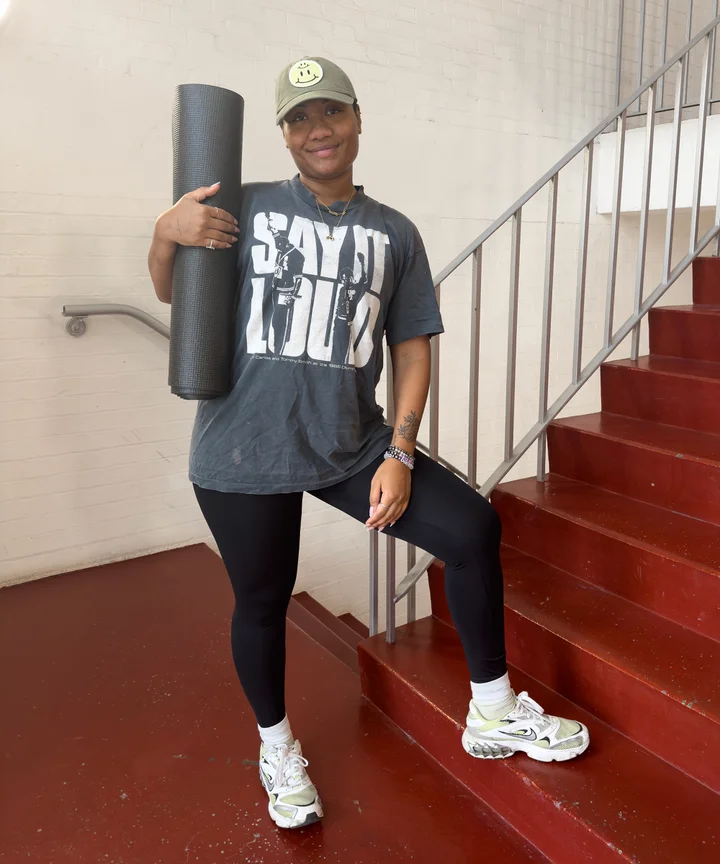
Credit: www.refinery29.com
Final Thoughts
Choosing gym clothes that are not tight is about finding what works best for your body and your workout. Comfort, confidence, and freedom of movement are key. With so many stylish and practical options available, you don’t have to sacrifice performance or appearance. Loose gym wear helps you focus on your goals, enjoy your workouts, and feel good every day. Whether you’re a beginner or a seasoned athlete, the right gym clothes can make all the difference.
