

Gym Clothes Men: Top Styles for Comfort and Performance
When most men think about hitting the gym, their first thought is often, “How many push-ups can I do before someone notices I’m struggling?” But there’s another question that’s just as important: “What should I wear?” The world of gym clothes for men has changed a lot, and your old high school t-shirt might not cut it anymore. The right gym wear can boost your confidence, help you move better, and maybe even distract people from your questionable squat form.
But here’s the thing: gym clothes aren’t just about looking good for Instagram selfies or avoiding wardrobe malfunctions on the treadmill. They can make a real difference in your workout performance, comfort, and even your hygiene. And let’s be honest, nobody wants to be that guy who turns the gym into a sauna. This guide will walk you through everything you need to know about gym clothes for men—from the basics to advanced tips, and even a few style secrets that seasoned gym-goers rarely share.
Why Gym Clothes Matter
You might think, “A shirt is a shirt, right?” Not quite. Gym clothes are designed for sweat, movement, and durability. Unlike your favorite old band tee, they use special fabrics that wick moisture, stretch, and survive the kind of abuse only burpees and battle ropes can deliver. Good gym wear keeps you cool, dry, and free to move, which means less chafing and more gains.
But there’s more. The right clothing can help prevent injuries. For example, shoes with poor grip can turn your attempt at box jumps into a viral fail video. Tight, restrictive shorts can make squats uncomfortable—or worse, dangerous. Plus, wearing fresh, clean clothes can help your gym buddies breathe a little easier (literally).
Essential Types Of Gym Clothes For Men
1. Workout Shirts
Let’s start at the top—literally. Workout shirts are usually made from polyester, spandex, or blends that help with breathability and stretch. Cotton may be comfy, but it holds on to sweat like a toddler with a new toy. Look for shirts labeled as moisture-wicking or quick-dry.
There are three main types:
- Tank tops: Show off those biceps and keep you cool. Just be mindful of the “no stringers” sign at some gyms.
- Short sleeve tees: The classic choice. Great for almost any workout.
- Long sleeve shirts: Good for outdoor workouts or when you want to pretend you’re training for a superhero movie.
Pro Tip
Choose light colors for hot environments and darker colors if you’re worried about sweat stains. (Yes, the struggle is real.)
2. Workout Shorts
Your lower half deserves as much attention as your upper body. Workout shorts come in different lengths and fits. The main things to consider are:
- Length: 5-inch for showing off quads, 7-inch for most guys, 9-inch for more coverage.
- Liner: Some have built-in liners for support. If you hate laundry, it’s a bonus.
- Pockets: Handy for storing keys, but beware of things falling out during burpees.
Common Mistake
Wearing basketball shorts for squats. They’re comfy, but often too long and baggy, limiting movement.
3. Compression Gear
Compression clothes aren’t just for superheroes. Compression shirts, shorts, and tights help increase blood flow and muscle support, and they can even reduce soreness after workouts. They also double as “instant abs” if you squint a little.
Compression gear is great under regular shorts or shirts, especially for running, cycling, or high-intensity workouts.
4. Gym Pants And Joggers
If shorts aren’t your thing, gym pants or joggers are a solid choice. Look for pants with a tapered fit and stretchy fabric. Avoid sweatpants that look like you borrowed them from your grandpa (unless your grandpa is super stylish).
Joggers can transition from gym to errands, so you get more value for your money (and more opportunities to show off your calf gains).
5. Athletic Underwear
This is a detail most beginners overlook. Regular boxers or briefs can bunch up, cause chafing, or just feel uncomfortable. Athletic underwear is made with moisture-wicking fabric and a snug fit.
Invest in a few pairs, and your legs will thank you after long runs or leg days.
6. Hoodies And Sweatshirts
Perfect for warming up or staying warm between sets. Choose lightweight, breathable options, especially if you sweat like you’re running a marathon during warm-up.
Pro tip: A hoodie can double as your “don’t talk to me, I’m focused” signal.
7. Gym Shoes
Your shoes might be the most important part of your gym outfit. The right pair depends on your activity:
- Running shoes: Lots of cushioning for cardio.
- Training shoes: Flatter, more stable for lifting.
- Specialty shoes: Like weightlifting shoes with a raised heel for squats.
Using the wrong shoes can mess up your form and lead to injuries—or at least some awkward stares.
8. Socks
Don’t underestimate socks. Moisture-wicking, padded socks can prevent blisters and keep your feet happy. Avoid cotton socks unless you enjoy the feeling of wet towels on your feet.
9. Accessories
Not all heroes wear capes. Some wear headbands, wristbands, or gloves. Headbands keep sweat out of your eyes, while gloves protect your hands during lifts. Just don’t overdo it—nobody wants to look like a walking advertisement for the gym shop.
10. Gym Bags
A good gym bag keeps your gear organized and your shoes away from your clean clothes. Look for one with multiple compartments and ventilation.
Choosing The Right Materials
The secret to comfort isn’t just style—it’s the fabric. Let’s break down the most common materials you’ll find in gym clothes for men:
| Material | Main Benefit | Drawback |
|---|---|---|
| Polyester | Durable, moisture-wicking | Can trap odor |
| Spandex (Lycra) | Stretchy, flexible | Not very breathable alone |
| Nylon | Light, quick-drying | May pill over time |
| Cotton | Soft, comfortable | Holds sweat, dries slowly |
| Merino Wool | Odor-resistant, regulates temp | Pricey, delicate |
A smart gym-goer checks the label. Look for blends like polyester-spandex for the best of both worlds.
Fit: Why It’s More Important Than You Think
A common gym myth: “Bigger is better.” Not true—at least for clothes. Here’s why fit matters:
- Loose clothes can snag on equipment and hide your form, making it harder to check your technique (or flex in the mirror).
- Tight clothes can restrict movement and highlight every post-lunch burrito.
- Just right: Snug but not restrictive, fitted but not skin-tight.
Try on different brands, as sizes can vary. If you’re between sizes, size up for comfort, especially for tops.

Credit: interprofitness.com
Gym Clothes For Different Workouts
Not all workouts are created equal. And neither are gym outfits.
Strength Training
For lifting weights, go for fitted t-shirts, shorts or joggers, and flat-soled shoes. Avoid clothes that are too loose; you don’t want your shirt caught on a barbell.
Cardio
If you’re running, cycling, or jumping, you need lightweight, breathable fabrics. Compression gear can help reduce muscle fatigue.
Yoga And Stretching
Here, flexibility is key. Choose stretchy, soft fabrics that move with you. Avoid zippers or pockets that dig in during stretches.
Outdoor Workouts
Dress for the weather. In cooler temperatures, layer up with moisture-wicking base layers and a wind-resistant jacket. For hot weather, opt for light colors and mesh panels.
Group Classes
This is your chance to show some style. Choose bold colors or prints if you want to stand out—or stick to basics if you prefer to blend in while you master your dance moves.
Style Tips (yes, You Can Look Good And Train Hard)
Most guys want to look good, even if they pretend not to care. Here’s how to add style to your gym look without looking like you spent more time dressing than working out.
- Mix and match colors: A pop of color in your shoes or shirt can make you look more put-together.
- Subtle logos: Big logos scream “look at me!” Small ones say “I know what I’m doing.”
- Avoid matching everything: You’re not a superhero (unless you are, in which case, carry on).
- Keep it clean: Fresh clothes always look better than yesterday’s gym gear.
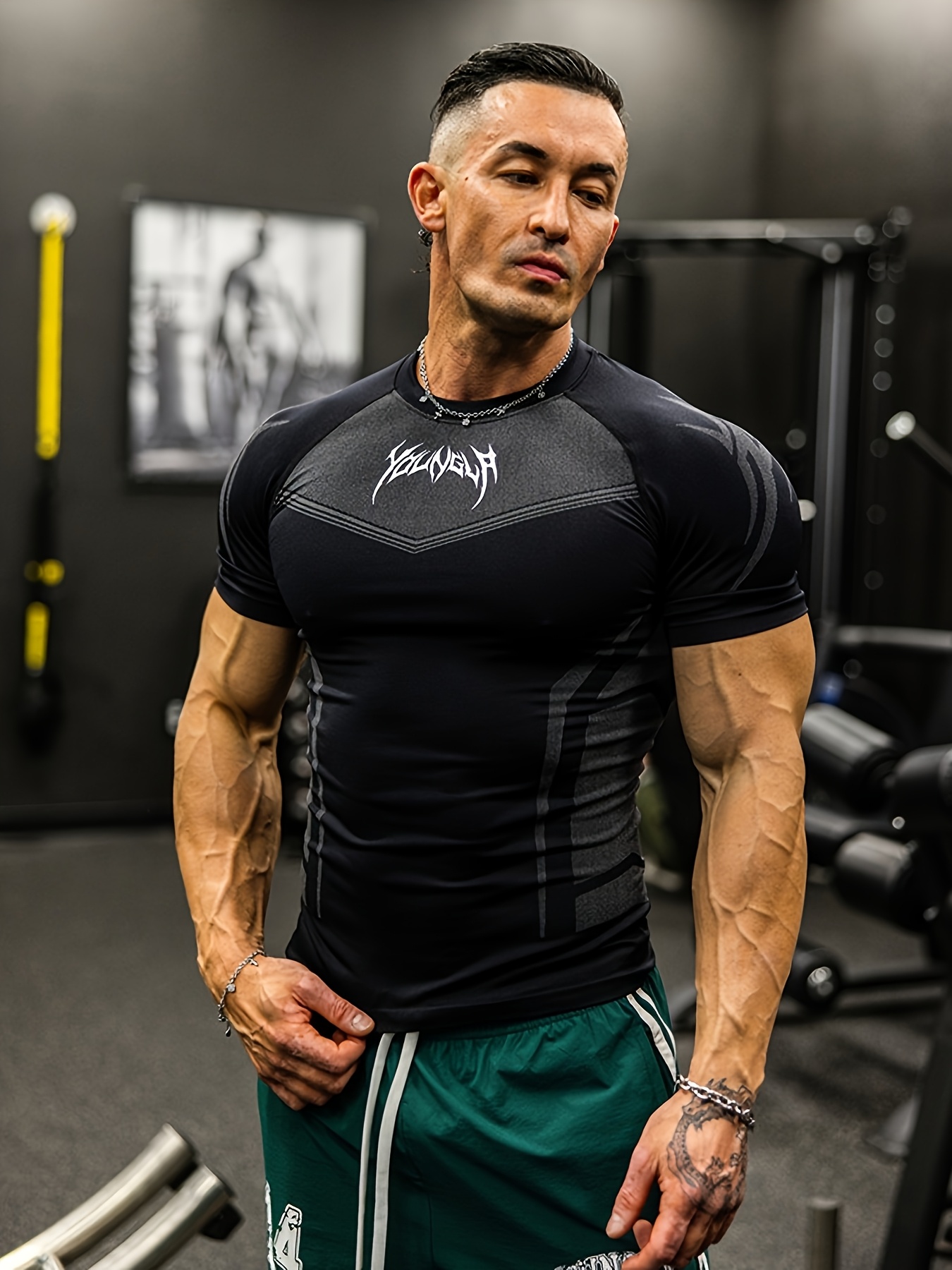
Credit: specialthailande.com
Wash And Care: Keeping Your Gym Clothes Fresh
Sweaty gym clothes can stink—literally and figuratively. Here’s how to keep your gear in top shape:
- Wash after every use. Don’t let sweat sit.
- Turn clothes inside out before washing to get at the stink.
- Avoid fabric softeners on synthetics—they clog the fibers.
- Air dry when possible. High heat can break down stretch fabrics.
- Add white vinegar to your wash for extra odor-fighting power.
If your clothes still smell, it’s time for new ones. No, spraying more cologne is not the answer.
Cost Vs. Value: Do You Need Expensive Gym Clothes?
Here’s an industry secret: you don’t need to spend a fortune to look and feel good at the gym. Pricey brands may offer better fits or unique fabrics, but many affordable options perform just as well.
Let’s compare:
| Brand Level | Average Price (Shirt) | Durability | Performance |
|---|---|---|---|
| High-End | $40–$70 | Very High | Excellent |
| Mid-Range | $20–$40 | High | Very Good |
| Budget | $10–$20 | Good | Good |
Buy a few key pieces and see what works for you before upgrading your whole wardrobe.
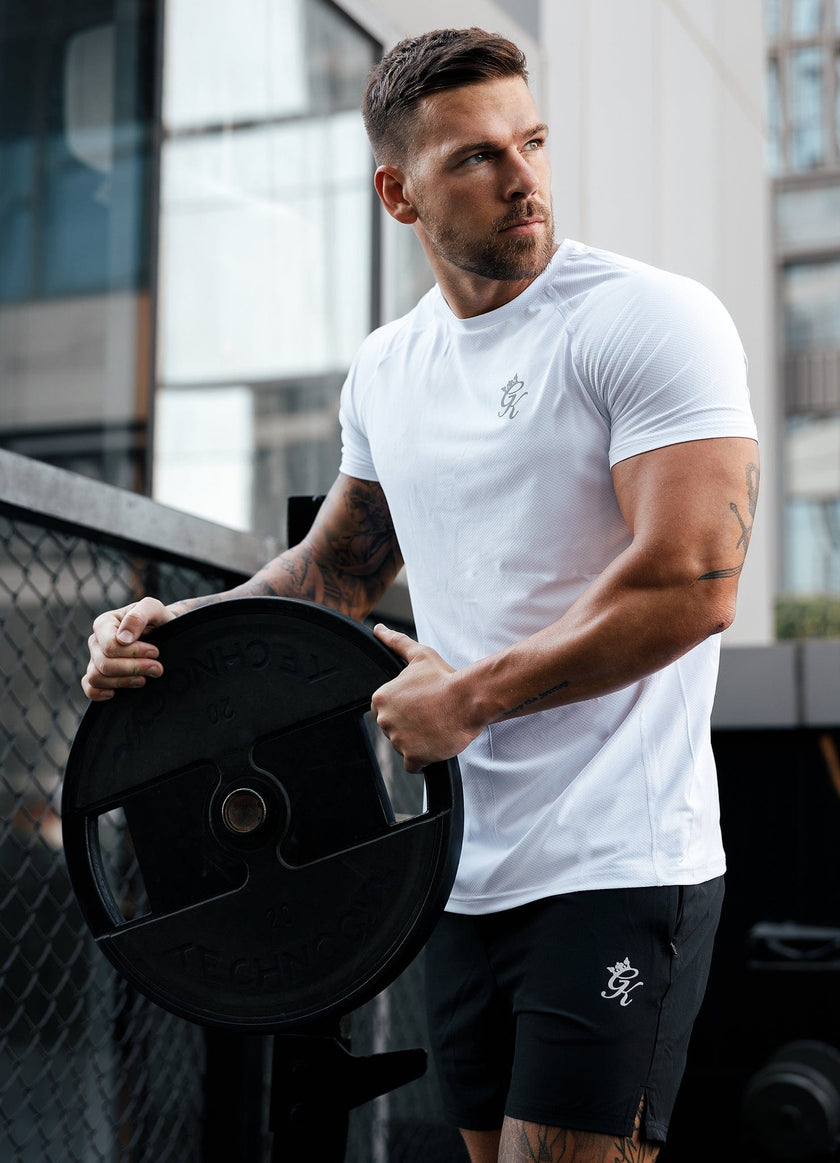
Credit: allurelakestorey.com
Common Mistakes Men Make With Gym Clothes
Even experienced gym-goers make mistakes. Here are some to avoid:
- Wearing cotton everything. You’ll sweat. You’ll regret.
- Ignoring the fit. Oversized shirts and shorts can get in the way.
- Reusing dirty clothes. Your gym mates will notice—trust us.
- Skipping athletic underwear. Regular boxers won’t cut it.
- Forgetting about socks. Invest in good ones for happy feet.
- Wearing the wrong shoes. Match your shoes to your activity.
- Choosing style over function. You’re there to work out, not walk a runway.
- Not updating gear. If your shorts are older than your phone, it’s time.
Advanced Tips: Level Up Your Gym Clothing Game
Want to go beyond the basics? Here are some next-level tips:
- Layer smartly: Wear a moisture-wicking base, a light mid-layer, and a breathable outer layer for outdoor workouts.
- Use tech: Some shirts have anti-odor technology or UV protection.
- Try seamless gear: Fewer seams mean less chafing.
- Invest in a good laundry bag: Keep your gym clothes separate in your main bag.
- Rotate your gear: Have at least two sets to always have fresh clothes.
Non-obvious Insights
- Look for gusseted crotch designs in pants and shorts—they prevent tearing during squats and lunges.
- Consider anti-microbial fabrics if you sweat a lot. They keep bacteria (and odor) at bay, so you can train hard and still get invited to post-gym smoothies.
Sustainable And Eco-friendly Gym Clothes
The fitness world is getting greener. Many brands now use recycled plastics, organic cotton, or low-impact dyes. Eco-friendly gym gear is better for the planet—and often just as durable and stylish.
Look for certifications like Global Organic Textile Standard (GOTS) or Recycled Polyester. And yes, you can still flex in sustainable gear.
Gym Clothes For Special Needs
If you have sensitive skin, look for seamless, hypoallergenic fabrics. For outdoor training, choose clothes with UPF protection to block UV rays. If you sweat a lot, quick-dry and ventilated panels are your best friends.
How To Shop For Gym Clothes Online
Buying gym wear online can be tricky. Here’s how to get it right:
- Check size charts: Each brand is different.
- Read reviews: Look for feedback on fit and durability.
- Look for return policies: So you’re not stuck with neon green leggings you’ll never wear.
- Start with basics: Get a few neutral pieces, then add bold colors or prints.
Packing Your Gym Bag: What To Bring
Packing the right gear saves you from embarrassing moments (like forgetting clean socks). Here’s what most guys need:
- Shirt and shorts/pants
- Athletic underwear
- Fresh socks
- Training shoes
- Towel (some gyms require it)
- Water bottle
- Headphones (to ignore bad gym music)
- Lock for your locker
- Deodorant (for obvious reasons)
Pro tip: Always pack a backup shirt, just in case you spill your pre-workout shake all over yourself.
Brands To Know
While there are many options, some brands are favorites for a reason. Look for brands that focus on performance, durability, and comfort. If you want more details, check out this Men’s Health resource for in-depth brand reviews and gear guides.
Gym Clothes Myths Busted
Let’s clear up a few common myths:
- Myth: “You need expensive gear to train well.”
- Reality: Fit and fabric matter more than the price tag.
- Myth: “Compression clothes are only for pros.”
- Reality: Anyone can benefit from muscle support and less soreness.
- Myth: “Baggy clothes are better for hiding flaws.”
- Reality: Fitted clothes help you move better and check your form.
- Myth: “All gym shoes are the same.”
- Reality: Running and lifting shoes are built differently for a reason.
Gym Clothes For Travel And On-the-go
Traveling for work or vacation? Pack light, but smart. Choose quick-dry, wrinkle-free clothes. A simple kit: one shirt, one pair of shorts, one pair of joggers, and one versatile hoodie. This way, you’re always ready to train—even if the hotel gym only has a treadmill and a mysterious, squeaky weight machine.
Frequently Asked Questions
What Are The Best Materials For Gym Clothes For Men?
The best materials are polyester blends, nylon, and spandex because they wick away sweat, dry quickly, and stretch with your movements. For odor resistance, merino wool is a good choice, though pricier. Cotton is soft but not ideal for heavy sweating.
How Should Gym Clothes Fit?
Gym clothes should be fitted but not tight. You want enough room to move freely, but not so much extra fabric that it gets in the way or catches on equipment. Try on different sizes and brands to find what feels best for your body type.
How Often Should I Replace My Gym Clothes?
Replace gym clothes when they lose shape, develop permanent odors, or start to break down (think loose seams or thinning fabric). This usually happens every 6-12 months if you train regularly. Shoes may need replacing even sooner if you see worn soles or lose support.
Can I Wear Gym Clothes For Other Activities?
Absolutely! Many gym clothes are stylish and comfortable enough for casual wear, running errands, or lounging. Just make sure they’re clean before you turn “athleisure” into “athle-stinky.”
What’s The Difference Between Training Shoes And Running Shoes?
Running shoes have more cushioning and are designed for forward motion, while training shoes have flatter soles for stability during lifts and side-to-side moves. Using the right shoe helps prevent injuries and improves performance.
---
Choosing the right gym clothes for men isn’t just about fashion—it’s about comfort, performance, and even safety. With the right gear, you’ll feel more confident, stay more comfortable, and maybe even add an extra rep or two. So next time you head to the gym, remember: your outfit is working just as hard as you are (well, almost).
