

Gym Clothes Alternative: Stylish Options Beyond Activewear
When you think about going to the gym, you probably imagine people in sleek leggings, moisture-wicking shirts, and branded workout gear. But what if you don’t have those clothes? Or maybe you just want to try something different, save money, or stay comfortable while exercising. The good news is, you don’t need expensive gym outfits to stay fit. There are many gym clothes alternatives that work just as well, sometimes even better. This article explores practical, creative, and budget-friendly ideas for workout wear, so you can move, sweat, and stay healthy—no matter what’s in your closet.
Why Look For Gym Clothes Alternatives?
People choose gym clothes alternatives for many reasons. For some, branded sportswear is too costly. Others care about sustainability and want to avoid fast fashion. Some simply prefer comfort over style. And sometimes, you might just forget your gym bag and need a quick fix!
Choosing alternatives doesn’t mean you sacrifice performance or safety. In fact, many alternatives are just as effective, as long as you pick the right materials and styles for your workout. Understanding your options helps you avoid discomfort, skin irritation, or even injury.
Let’s look at what matters most when choosing what to wear for exercise.
What Makes Good Workout Clothing?
Before picking alternatives, it helps to know what makes good gym clothes. The right workout gear should:
- Allow free movement: Tight, stiff, or restrictive clothes can make exercise difficult.
- Absorb or wick sweat: Materials that handle moisture keep you comfortable and prevent chafing.
- Stay secure: Loose or baggy items can catch on machines or cause accidents.
- Regulate temperature: Breathable fabric keeps you cool; warm layers help in cold weather.
- Prevent skin irritation: Seams, tags, or rough fabric can rub and cause discomfort.
With these basics in mind, you can find alternatives in your own wardrobe or buy multipurpose items that work for both daily life and fitness.
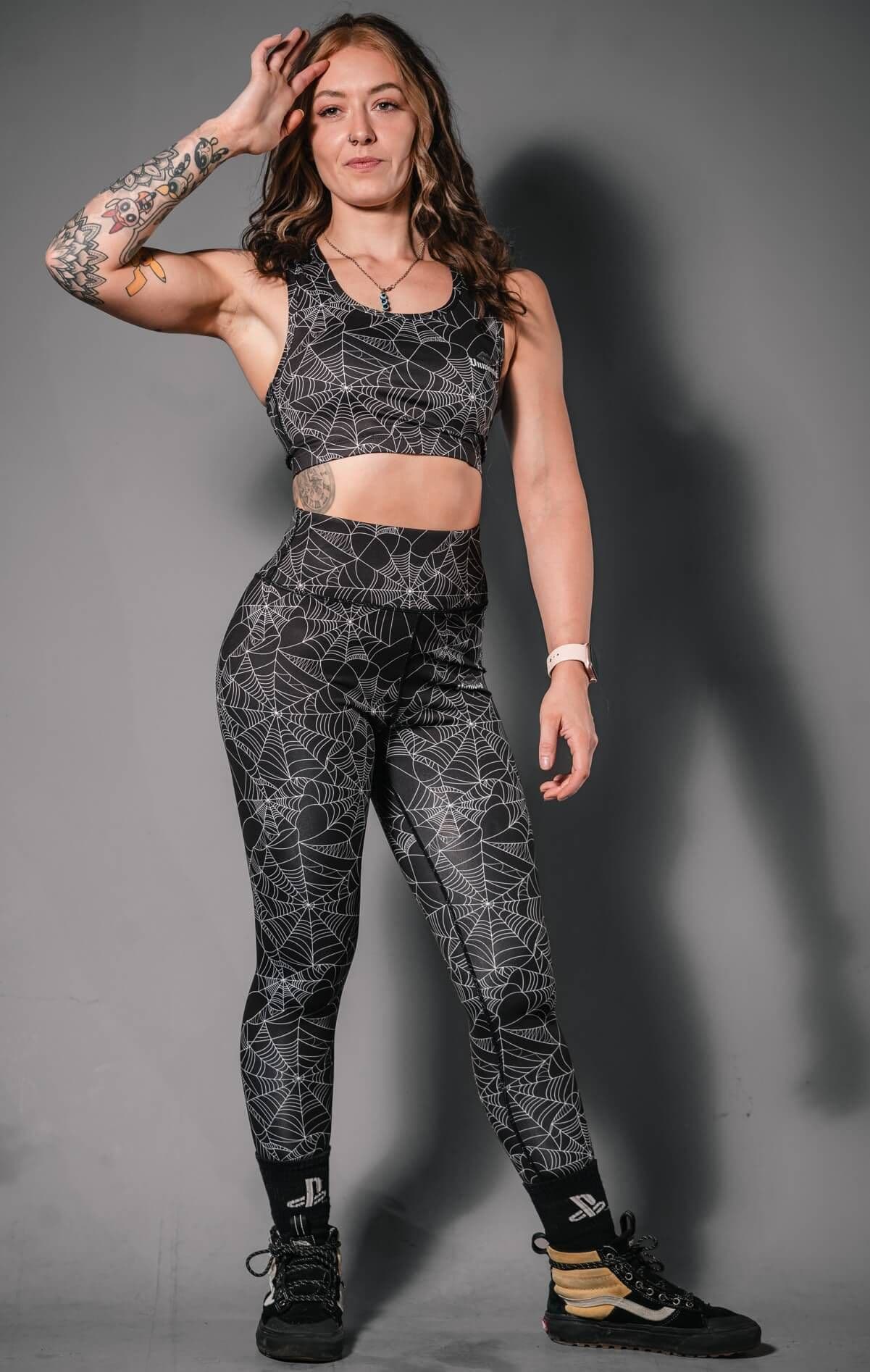
Credit: fotoenigma.com
Everyday Clothes That Work For The Gym
You don’t need to buy special sportswear to work out. Many regular clothes are perfect for certain gym activities. Here are some common wardrobe items you can use:
1. Cotton T-shirts
A basic cotton T-shirt is a reliable choice for low- to moderate-intensity workouts. They’re breathable, widely available, and comfortable. While cotton absorbs sweat and can become heavy during intense sessions, for walking, weightlifting, or stretching, they’re often enough.
2. Tank Tops
Tank tops allow free movement of the arms and help you stay cool. If you have an old tank, it works for most upper body and cardio exercises. Look for a fit that’s not too loose to avoid getting caught on equipment.
3. Pajama Bottoms And Lounge Pants
Pajama bottoms made from cotton or jersey can be surprisingly functional. They are light, stretchy, and allow full range of motion. Avoid thick flannel or fleece, which can overheat you quickly.
4. Old Leggings Or Tights
Most people have at least one pair of leggings or tights at home. Even if they’re not branded as “activewear,” as long as they’re not see-through and have enough stretch, they’re a solid option for yoga, Pilates, or indoor cycling.
5. Shorts
Basketball shorts, running shorts, or even basic cotton shorts can work well for most gym activities. Just check that the waistband stays in place and the length doesn’t get in your way.
6. Sweatshirts And Hoodies
For warm-ups or cooler weather, an old sweatshirt or hoodie is perfect. They’re comfortable and easy to layer. Remove them as you heat up to avoid overheating.
7. Sports Bras Or Supportive Undergarments
If you don’t have a sports bra, a regular supportive bra or crop top with a snug fit can be enough for light exercise. For high-impact sports, though, a dedicated sports bra is best for protection and comfort.
Diy And Upcycled Gym Wear
If you’re creative, you can make your own gym clothes alternatives. Upcycling old clothes reduces waste and gives you unique workout gear.
1. Cut-off T-shirts
Transform an old T-shirt by cutting off the sleeves and collar. The result is a muscle tank that’s great for weightlifting or cardio. Just make sure to leave enough fabric at the shoulders for strength.
2. Diy Headbands
Sweat in your eyes is distracting. Cut strips from old T-shirts or leggings to make headbands that keep hair and sweat away from your face.
3. Modified Shorts
Have old pants with worn knees? Cut them into shorts for workouts. Hem or roll the bottom to prevent fraying.
4. Sleeve Arm Bands
Remove sleeves from a worn-out top and use them as arm bands for wiping sweat or holding back hair.
Comparing Gym Clothes Alternatives
To make it easy to choose, here’s a quick comparison of common alternatives based on comfort, sweat absorption, cost, and durability.
| Alternative | Comfort | Sweat Absorption | Cost | Durability |
|---|---|---|---|---|
| Cotton T-Shirt | High | Medium | Low | Medium |
| Pajama Bottoms | High | Medium | Low | Low |
| Leggings/Tights | High | Medium | Low | High |
| Basketball Shorts | High | Low | Low | High |
| Sweatshirts/Hoodies | High | Low | Low | High |
As you can see, cotton T-shirts and leggings offer a good balance. Pajama bottoms are comfy but may wear out faster with heavy use.
Footwear Alternatives For The Gym
Shoes are important for safety and performance. But you don’t always need branded trainers. Here are some alternatives:
1. Old Running Shoes
If you have old running shoes with enough grip, they’re fine for most gym exercises. Make sure the soles are not worn out to avoid slips.
2. Flat Sneakers
Simple canvas sneakers like Converse or Vans give a flat base, which is actually great for weightlifting because they keep you stable.
3. Barefoot Or Socks
For yoga, Pilates, or stretching, you can go barefoot or wear grippy socks. This helps your feet move naturally and strengthens small muscles.
4. Sandals (with Caution)
For some gentle workouts or home gyms, sport sandals with straps can work. But don’t use these for running, jumping, or weights—they don’t protect your feet.
What To Avoid When Choosing Gym Clothes Alternatives
Not all alternatives are safe or practical. Here’s what to watch out for:
- Jeans or non-stretchy pants: They limit movement and can chafe.
- Tops with buttons or zippers: These can dig into your skin and cause discomfort during floor exercises.
- Loose or flowy items: They might get caught on equipment.
- Heavy or thick fabrics: These trap heat and make sweating worse.
- Slip-on shoes without grip: These increase the risk of injury.
Sustainable And Eco-friendly Choices
Fitness and eco-friendliness can go together. Choosing secondhand clothes or upcycling old items reduces waste. You can also look for materials like bamboo, recycled polyester, or organic cotton, which are better for the environment.
Some thrift stores or online platforms offer gently used activewear at much lower prices. Swapping clothes with friends is another smart, sustainable option.
Cost Comparison: Gym Clothes Vs. Alternatives
Let’s see how alternatives compare with branded gym wear in terms of cost.
| Item | Average Price (Branded) | Average Price (Alternative) |
|---|---|---|
| Moisture-Wicking T-Shirt | $25-$40 | $0-$5 (old cotton tee) |
| Performance Leggings | $40-$90 | $0-$10 (old tights/leggings) |
| Sports Bra | $30-$60 | $0-$15 (supportive bra/crop top) |
| Running Shoes | $60-$150 | $0 (old sneakers) |
As you can see, using alternatives can save you a lot of money, especially if you’re just starting out.
Best Alternatives For Different Types Of Workouts
Not every alternative works for every activity. Here’s a quick guide to help you match your clothes to your workout.
Cardio And Hiit
- Breathable cotton T-shirt
- Old running shoes
- Shorts or lightweight leggings
- Avoid heavy fabrics; you’ll sweat a lot.
Weightlifting
- Flat sneakers or barefoot
- Fitted T-shirt or muscle tank
- Stretchy pants or shorts
- Flat shoes give better stability.
Yoga And Pilates
- Leggings or tights
- Tank top or crop top
- Barefoot or grippy socks
- Tight-fitting clothes prevent fabric from getting in your way.
Stretching And Mobility
- Loose T-shirt
- Pajama bottoms or lounge pants
- Barefoot
- Comfort is most important here.
Outdoor Workouts
- Layered clothes (old hoodie, T-shirt, shorts)
- Old trainers
- Hat or homemade headband
- Weather changes fast outdoors, so layers help.
Creative Gym Clothes Alternative Ideas
Looking for inspiration? Here are some less obvious ideas:
1. Swimsuits As Activewear
A one-piece swimsuit can double as a supportive top for yoga or dance. The material is stretchy and wicks sweat well.
2. Rugby Or Soccer Jerseys
These shirts are designed for movement and sweat. If you have an old sports jersey, it works well for most gym activities.
3. Compression Socks
If you have compression socks from travel or medical needs, use them for long workouts. They improve blood flow and reduce swelling.
4. Hiking Pants Or Shorts
Hiking gear is tough, flexible, and often has moisture control. If you own hiking pants or shorts, they’re a good swap for gym leggings.
5. Dancewear
Old leotards, tights, or ballet wrap tops are stretchy and snug, making them great for Pilates or barre.
Pros And Cons Of Gym Clothes Alternatives
Every alternative has strengths and weaknesses. Here’s a summary to help you decide.
| Alternative | Pros | Cons |
|---|---|---|
| Cotton T-Shirt | Comfortable, cheap, easy to find | Holds sweat, can get heavy |
| Pajama Bottoms | Very comfortable, full movement | Weak fabric, not moisture-wicking |
| Old Leggings | Flexible, form-fitting | May lose shape, can be see-through |
| Flat Sneakers | Stable for lifting, affordable | Not cushioned for running |
| Barefoot/Grippy Socks | Great for yoga/pilates, strengthens feet | Not for running or heavy lifting |
Common Mistakes With Gym Clothes Alternatives
People often make a few errors when choosing non-traditional gym wear. Here’s how to avoid them:
- Choosing too loose or too tight: Clothes that are too loose can catch on equipment. Too tight, and they restrict movement or cut off circulation.
- Ignoring material: Heavy cotton is fine for short sessions, but it soaks up sweat and can cause chafing in longer workouts.
- Not checking transparency: Old leggings or tights can become see-through when stretched. Test them in bright light before wearing them in public.
- Using worn-out shoes: Old sneakers are fine, but if they have no grip or support, they can cause injury.
- Forgetting hygiene: Non-sports fabrics can hold onto smells longer. Wash your gym clothes alternatives after each use.
Tips For Making The Most Of Your Alternatives
- Layer smartly: Start with a light base and add layers if you need to warm up.
- Bring a towel: If your clothes don’t wick sweat, a towel helps you stay dry.
- Wear darker colors: They hide sweat marks better.
- Secure your hair: Use a DIY headband or old bandana to keep hair out of your face.
- Test at home first: Try your outfit for a home workout before wearing it to the gym.
What About Underwear?
Underwear is often overlooked. For gym alternatives:
- Cotton underwear breathes well but can hold sweat.
- Seamless or athletic underwear minimizes chafing.
- If you don’t have dedicated sports underwear, choose pairs with flat seams and a close fit.
When You Should Invest In Real Gym Clothes
Alternatives are great, especially when starting out or on a budget. But some situations call for real activewear:
- High-intensity training: Sweat-wicking fabrics prevent skin issues.
- Outdoor workouts in extreme weather: Technical fabrics protect you from sun, wind, or cold.
- Group classes or competitions: Proper gear boosts confidence and performance.
- If you work out daily: Real gym clothes last longer with frequent washes.
Gym Clothes Alternatives For Specific Needs
For Sensitive Skin
Choose soft, natural fibers like bamboo or modal. Avoid rough seams or tags.
For Plus-size Athletes
Look for stretchy, high-waisted leggings or lounge pants. A fitted T-shirt or tank provides comfort without riding up.
For Modest Dressing
Layer a long-sleeve T-shirt over a tank. Loose joggers or lounge pants allow coverage and movement.
For Cold Weather
Layer with old sweatshirts, jackets, and scarves. Wear leggings or tights under shorts for extra warmth.
For Hot Weather
Use sleeveless tops, shorts, and light fabrics. DIY cut-off shirts or tanks keep you cool.
Where To Find Good Gym Clothes Alternatives
- Your own closet: Check for old clothes you can repurpose.
- Thrift stores: Often have quality basics for less.
- Online marketplaces: Buy or swap gently used items.
- Friends and family: Organize a clothes swap for new options.
If you want inspiration, check out this guide for more on staying active with what you have.

Credit: www.veilgarments.com
The Social Side Of Gym Clothes
It’s easy to feel self-conscious at the gym, especially without fancy clothes. Remember: most people are focused on their own workouts. Fitness is about health, not fashion. Wearing gym clothes alternatives shows confidence, creativity, and a focus on what matters—your wellbeing.
Frequently Asked Questions
What Is The Best Cheap Alternative To Gym Clothes?
A cotton T-shirt and old leggings or shorts are the easiest and cheapest alternatives. They let you move freely, are comfortable, and you likely already have them at home.
Can I Work Out In My Pajamas?
Yes, as long as your pajama bottoms or tops are not too loose and are made of breathable material. Avoid thick or flannel pajamas, which can make you too hot.
Is It Safe To Exercise Barefoot?
For activities like yoga, Pilates, or stretching, barefoot is often better. For running or weightlifting, you need shoes with grip and support to avoid injury.
How Do I Know If My Clothes Are Too Revealing For The Gym?
Test your leggings or tights by stretching in front of a mirror with bright light. If they become see-through, wear longer tops over them or choose different pants.
Do I Really Need Branded Gym Clothes?
No, branded gym clothes are not necessary for most workouts. Focus on comfort, fit, and safety. Save branded gear for advanced training or if you prefer the feel and features they offer.
Choosing gym clothes alternatives is about making fitness accessible, personal, and affordable. With the right approach, you can work out confidently, save money, and even help the planet by using what you already have. Fitness is about movement, not brands—so get creative and keep moving!
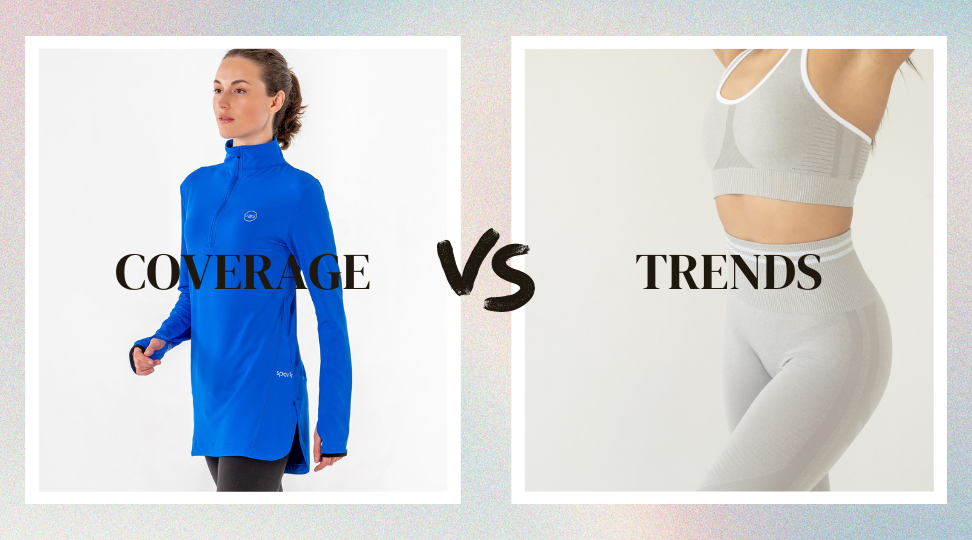
Credit: www.veilgarments.com
