

Graphic T Shirts Designs: Trendy Ideas to Upgrade Your Style
Graphic T Shirts Designs
Graphic T-shirts have become a universal way to express personality, opinions, and style. From bold logos to intricate illustrations, these shirts can turn a simple outfit into something memorable. But what makes a graphic T-shirt design stand out? Why are some designs loved by millions, while others fade away quickly?
This guide explores the world of graphic T-shirt designs in detail, helping you understand their appeal, design process, popular styles, and how you can create or choose the best ones for yourself.
People of all ages and backgrounds wear graphic tees. They are seen in music concerts, on the streets, in offices with relaxed dress codes, and even as collectibles. The language of graphics on T-shirts is universal—sometimes funny, sometimes powerful, and always personal.
Let’s dive into how these designs are made, what trends drive them, and how you can make or pick the perfect graphic T-shirt.
What Is A Graphic T Shirt Design?
A graphic T-shirt design is any artwork, image, or text that is printed or applied onto a T-shirt. Unlike a plain shirt, a graphic tee becomes a canvas for creativity. The design may cover the front, back, sleeves, or even wrap around the shirt. Graphic designs can include:
- Drawings or illustrations
- Logos
- Quotes or phrases
- Photographs
- Patterns and textures
- Symbols or icons
The main goal is to communicate something visually—whether it’s a brand message, an inside joke, or a work of art.
Why Are Graphic T-shirts So Popular?
Graphic T-shirts are not just about fashion; they are about self-expression. People choose them to show what they believe in, which bands they like, or to make others laugh. Here are some reasons for their popularity:
- Personal Statement: A graphic T-shirt can say a lot about who you are.
- Conversation Starter: Unique or funny designs can spark conversations.
- Versatility: They can be dressed up or down, depending on the occasion.
- Accessibility: Almost everyone can afford and wear a graphic tee.
- Trend Adaptation: Designs can quickly change with trends or events.
Many beginners miss the fact that even subtle graphics can be powerful, and that the placement of the design matters as much as the image itself.
Credit: graphics-pro.com
Key Elements Of Great Graphic T Shirt Designs
Creating a memorable and effective graphic T-shirt design is not only about drawing something cool. There are several elements to consider:
1. Visual Impact
The design should catch attention from a distance. Bold colors, clear lines, and strong contrasts help a design stand out. However, sometimes a minimalist approach—using simple shapes or just one word—can be very striking.
2. Meaning And Message
A good graphic tee often has a story or message. It could be as simple as a joke or as complex as a social statement. The message should be clear and connect with the target audience.
3. Placement
Placement affects how the design looks when worn. Most graphics are centered on the chest, but side prints, sleeve details, or even back prints can add interest.
4. Color Harmony
Colors should work well together. Using too many colors can make a design confusing, while too few might look boring. Some designers use color psychology to evoke emotions.
5. Readability
If your design includes text, it must be easy to read. Avoid fonts that are too fancy or colors that blend into the background.
6. Print Quality
The best design will look bad if printed poorly. Using high-quality printing techniques and shirts ensures the final product matches the vision.
Many beginners miss the importance of testing designs on different shirt colors and sizes to see how they look in real life.
Popular Types Of Graphic T Shirt Designs
There are many styles of graphic T-shirts. Here are some of the most popular:
1. Typography Tees
These designs focus on words or phrases. The font, size, and arrangement of text make the shirt interesting. Slogans, motivational quotes, and jokes are common.
2. Illustration Tees
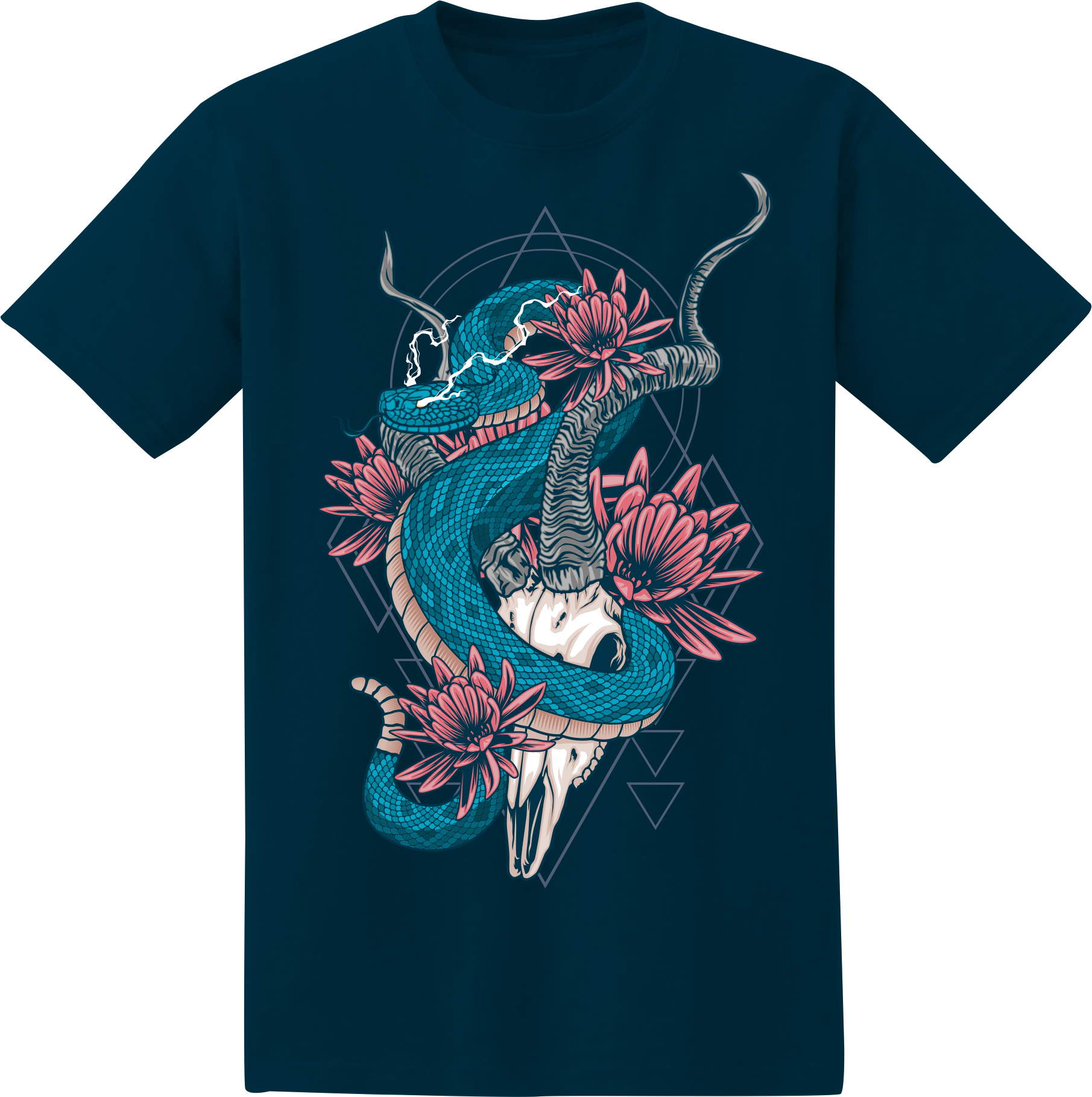
Hand-drawn or digital illustrations are the main feature. These can be cartoons, comics, or artistic drawings.
3. Logo And Brand Tees
These display a brand logo or symbol. Many companies use this style for marketing, and some logos become fashion icons.
4. Pop Culture Tees
Inspired by movies, music, TV shows, or video games, these designs connect with fans and trends.
5. Artistic Tees
Fine art or abstract designs are printed on the shirt. These are often more unique and can be seen as wearable art.
6. Minimalist Tees
Simple shapes, small icons, or clean lines. Minimalist designs are subtle but stylish.
7. Vintage And Retro Tees
Old-school graphics, faded prints, or nostalgic designs are popular for their timeless appeal.
8. All-over Print Tees
The design covers the entire shirt, front and back. This creates a bold and immersive effect.
9. Patterned Tees
Repeating patterns, such as geometric shapes or floral prints, add texture and interest.
10. Parody Tees
These are humorous takes on popular logos, brands, or cultural references.
Each type attracts a different audience, and understanding these categories can help you choose or create the right design.
The Process Of Creating A Graphic T Shirt Design
Designing a graphic T-shirt takes more than just a good idea. Here’s a step-by-step look at how professionals approach it:
1. Idea And Concept
Start by identifying the purpose of the shirt. Ask questions like:
- Who will wear it?
- What message should it send?
- What style fits the audience?
2. Sketching
Create rough sketches of your ideas. It’s easier to make changes at this stage.
3. Digital Design
Use software like Adobe Illustrator, Photoshop, or free tools like GIMP to create a digital version. Vector graphics are best for clean lines and scaling.
4. Color Selection
Pick a color palette. Test how the design looks on different shirt colors.
5. Mockups
Place your design on a T-shirt mockup. This helps you see how it looks when worn.
6. Feedback
Show your design to others for opinions. Fresh eyes can spot problems you might miss.
7. Final Adjustments
Make changes based on feedback. Ensure the design is balanced and clear.
8. Preparing For Print
Save your design in the right format (usually vector or high-resolution PNG). Check print requirements for size, color, and bleed.
9. Printing
Choose a printing method and a reliable printer. Make sure to request samples if possible.
Common Printing Techniques For Graphic Tees
How a design is printed affects its look, feel, and durability. Here are the most common methods:
| Printing Method | Strengths | Drawbacks |
|---|---|---|
| Screen Printing | Vivid colors, durable, good for bulk | Limited colors per design, setup costs |
| Direct-to-Garment (DTG) | Full color, detailed, good for small runs | Less vibrant on dark shirts, less durable than screen |
| Heat Transfer | Fast, good for photos and complex images | Can peel or crack over time |
| Dye Sublimation | All-over prints, smooth feel | Works best on polyester, not cotton |
| Embroidery | Textured, high-end look | Limited to simple designs, more expensive |
Understanding these methods helps you choose the right one based on your design and budget.
Credit: www.vecteezy.com
Latest Trends In Graphic T Shirt Designs
Fashion changes fast, and graphic tees follow these shifts. Here are some of the latest trends:
1. Eco-friendly Designs
People are choosing shirts made with organic cotton and water-based inks. Designs often include nature themes or green messages.
2. Customization
Many brands let customers personalize their shirts with names, colors, or images.
3. Hand-drawn Art
Unique, imperfect lines add a personal touch. Hand-drawn graphics are more popular than polished, digital art.
4. Statement Graphics
Bold words or images that make a strong statement about social, political, or cultural topics.
5. Nostalgia
Retro logos, old cartoons, and classic video game art create a sense of nostalgia.
6. Small Chest Prints
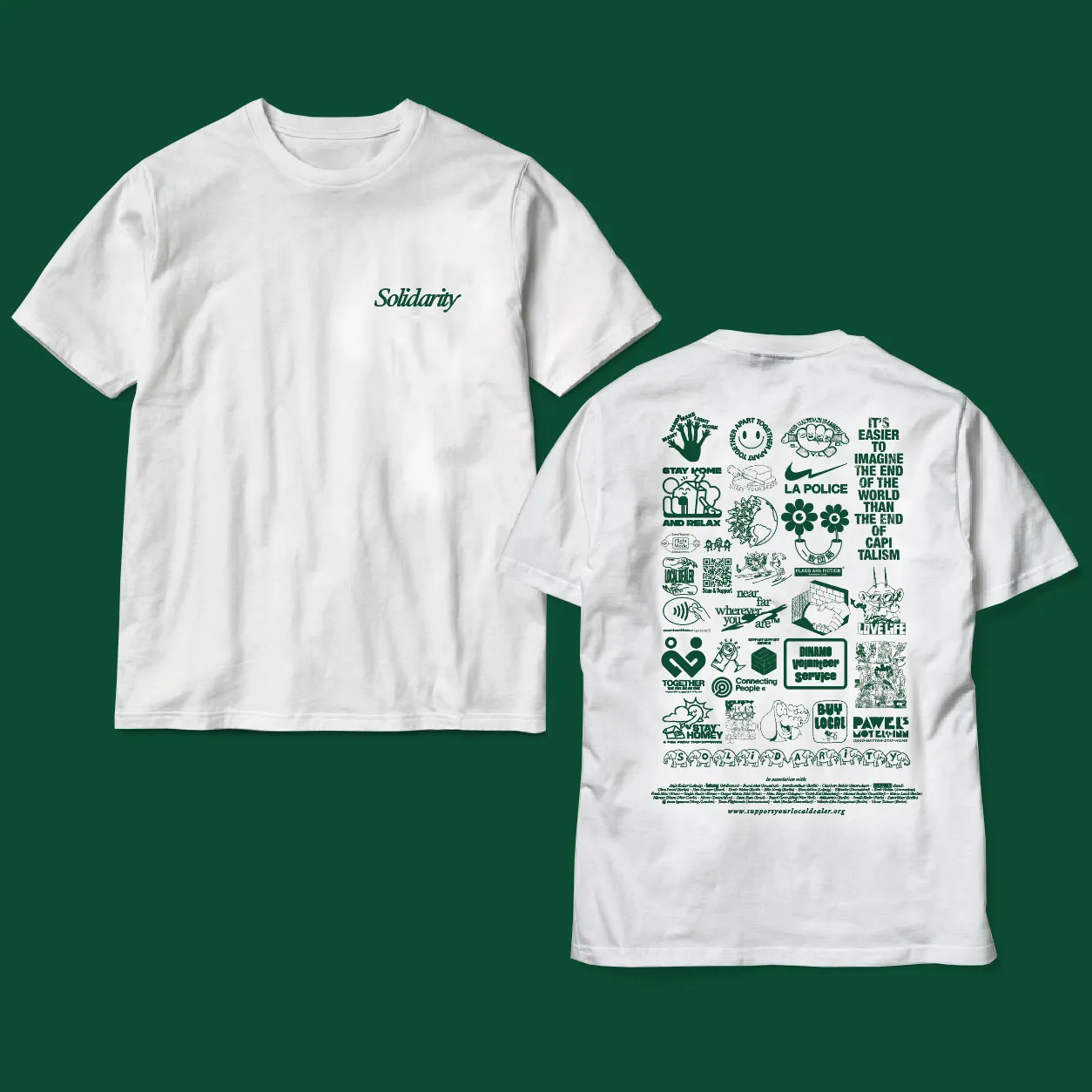
Instead of large graphics, small logos or icons over the heart are in style.
7. Collage And Mixed Media
Designs that look like cut-and-paste collages or use different textures.
8. Glow-in-the-dark And Uv Prints
These use special inks that react to light, adding a fun surprise.
9. Minimalist Line Art
Simple, single-line drawings are elegant and modern.
10. Local Pride
Designs that celebrate cities, neighborhoods, or local cultures.
Many beginners overlook how powerful current events and technology can be in shaping graphic T-shirt trends.
How To Choose The Right Graphic T Shirt
With so many options, picking the right shirt can be tricky. Here’s what to consider:
- Personal Style: Choose a design that matches your personality and what you want to express.
- Fit and Comfort: Even the best design won’t help if the shirt feels uncomfortable.
- Color: Pick a shirt color that suits your skin tone and works well with the design.
- Print Quality: Check reviews or ask about the printing method. Good prints last longer.
- Brand Reputation: Some brands are known for quality shirts and ethical production.
- Occasion: Think about where you’ll wear the shirt—some designs are better for casual events, others for special occasions.
- Care Instructions: Some prints need gentle washing to stay bright.
Beginners often focus only on the design, forgetting that the shirt’s material and fit are just as important.
How To Create Your Own Graphic T Shirt Design
Making your own graphic tee can be fun and rewarding. Here’s how to start, even if you’re a beginner:
Step 1: Find Inspiration
Look at other shirts, design websites, or even everyday life. Notice what catches your eye.
Step 2: Sketch Ideas
Don’t worry about being perfect. Use paper and pencil or a drawing app.
Step 3: Choose Your Tools
You don’t need expensive software. Free tools like Canva or Krita can help you get started.
Step 4: Select Fonts And Colors
Pick fonts that match your message. Test different color combinations.
Step 5: Make A Digital Mockup
There are free mockup generators online. Upload your design and see how it looks on a shirt.
Step 6: Get Feedback
Show friends or post online for opinions. Listen to suggestions.
Step 7: Print A Sample
Order one shirt first to check the quality before making more.
Step 8: Adjust And Finalize
Make changes if needed. Once you’re happy, you can print more or even sell your design.
It’s easy to overlook the value of getting real-world feedback—what looks good on a computer might look different when worn.
Common Mistakes In Graphic T Shirt Design
Even experienced designers sometimes make mistakes. Here are pitfalls to avoid:
- Too Much Detail: Small details can get lost in printing, especially on fabric.
- Poor Color Choices: Some colors look good on screens but not on shirts.
- Ignoring Shirt Color: A design that looks great on white might disappear on black.
- Unreadable Fonts: Fancy fonts can be hard to read, especially from a distance.
- Bad Placement: A design too high, low, or off-center can look awkward.
- Low-Resolution Images: Blurry or pixelated images look unprofessional.
- Not Checking Print Area: Designs that go past the print area can get cut off.
- Copying Other Designs: Originality is important—not just for style, but to avoid copyright problems.
How To Sell Graphic T Shirt Designs
Turning your designs into a business is possible, but it takes planning. Here’s what to know:
1. Choose Your Platform
You can sell through your own website, or use platforms like Redbubble, Teespring, or Etsy. Each has different rules and fees.
2. Set Up Your Store
Add clear photos, detailed descriptions, and sizing information.
3. Price Your Shirts
Research what similar shirts cost. Consider your production and shipping costs.
4. Promote Your Designs
Use social media, blogs, or even local events to get noticed.
5. Handle Orders And Shipping
Some platforms do this for you; others require you to ship the shirts.
6. Customer Service
Respond quickly to questions and handle problems professionally.
Selling graphic tees is competitive. Many beginners forget to invest time in marketing and building a brand identity.
The Impact Of Graphic T Shirts On Culture
Graphic T-shirts are more than just clothing—they can shape culture. Famous designs, like the “I ♥ NY” shirt or band tees, have become symbols. Political movements, charities, and artists use T-shirts to spread messages. In some cases, a shirt’s design becomes more famous than the person wearing it.
A great example is how protest movements use T-shirts to unite people and spread ideas quickly. Sometimes, a clever or controversial graphic can even go viral online, reaching millions.
How To Care For Graphic T Shirts
To keep your shirts looking good, follow these tips:
- Wash Inside Out: This protects the print from rubbing.
- Use Cold Water: Hot water can fade colors.
- Avoid Bleach: Bleach damages both fabric and print.
- Hang Dry or Low Heat: High heat can crack or peel the design.
- Don’t Iron Directly on Print: Place a cloth over it or iron inside out.
Proper care can make a big difference in how long your graphic tees last.
Comparing Custom Vs. Mass-produced Graphic Tees
Not all graphic T-shirts are made the same. Here’s a quick comparison of custom and mass-produced options:
| Feature | Custom Tees | Mass-Produced Tees |
|---|---|---|
| Uniqueness | One-of-a-kind or limited edition | Many people have the same design |
| Cost | More expensive per shirt | Cheaper in bulk |
| Design Control | Full control over design | Choose from existing options |
| Quality | Often higher, small batch production | Quality varies, depends on brand |
| Delivery Time | Longer, made-to-order | Faster, ready to ship |
Choosing between custom and mass-produced depends on your needs and budget.
How Graphic T Shirt Designs Influence Business And Marketing
Businesses use graphic T-shirts for more than just uniforms. A creative shirt can make a company memorable. For example, when staff at a tech event all wear shirts with a clever, branded graphic, it makes the brand stand out. Some companies even give away shirts as marketing tools.
A well-designed tee can:
- Build team spirit
- Spread awareness quickly
- Create a sense of belonging
- Turn customers into brand ambassadors
According to Entrepreneur, branded merchandise like T-shirts can increase brand recognition by up to 85%.
The Role Of Technology In Graphic T Shirt Designs
Technology has changed how designs are made and printed. Some of the most exciting changes include:
- Digital Drawing Tablets: Artists can sketch directly onto computers for faster editing.
- Print-on-Demand Services: You can upload a design and sell shirts worldwide without keeping inventory.
- Online Design Tools: Free or low-cost tools allow anyone to create designs without special training.
- 3D Mockups: See how a design will look on real people before printing.
Technology also allows for quick trend changes. If something big happens in pop culture, designers can create and sell related shirts almost immediately.
Credit: www.itsnicethat.com
The Future Of Graphic T Shirt Designs
As fashion and technology continue to grow, graphic T-shirts will keep evolving. Here’s what to watch for:
- Smart Fabrics: Shirts that change color or light up based on your environment.
- Interactive Designs: QR codes or AR (augmented reality) graphics that link to videos or music.
- Eco-Friendly Materials: More shirts made from recycled or sustainable fabrics.
- Global Collaboration: Artists from different countries working together online.
If you want to stay ahead, keep an eye on new tech and design trends.
Frequently Asked Questions
What Is The Best Material For Graphic T Shirts?
The best material depends on your needs. 100% cotton is soft and breathable, great for everyday wear. Blends (like cotton-polyester) are more durable and wrinkle less. If you want all-over prints, polyester is often used for dye sublimation.
How Do I Make Sure My Design Won’t Fade?
Choose high-quality shirts and printing methods (like screen printing or DTG). Wash your shirts inside out, in cold water, and avoid high heat in the dryer. Following care instructions is key.
Can I Use Any Image For My Graphic T-shirt?
No. You need to own the image or have permission to use it. Avoid copyrighted logos or artwork unless you have the rights. Creating your own design is safest.
How Do I Know Which Size To Choose When Buying Online?
Check the size chart provided by the seller. Compare your own measurements to the chart, and remember that sizing can vary between brands. If in doubt, read customer reviews about fit.
Are Graphic T-shirts Suitable For Formal Events?
Usually not. Graphic tees are casual wear. However, minimalist or high-end designs can sometimes work under a blazer or jacket in creative environments.
Graphic T-shirt designs are more than just decoration—they are a way to communicate, connect, and create. Whether you’re buying, designing, or selling, understanding the art and science behind these shirts will help you get the most from this unique form of self-expression.
